
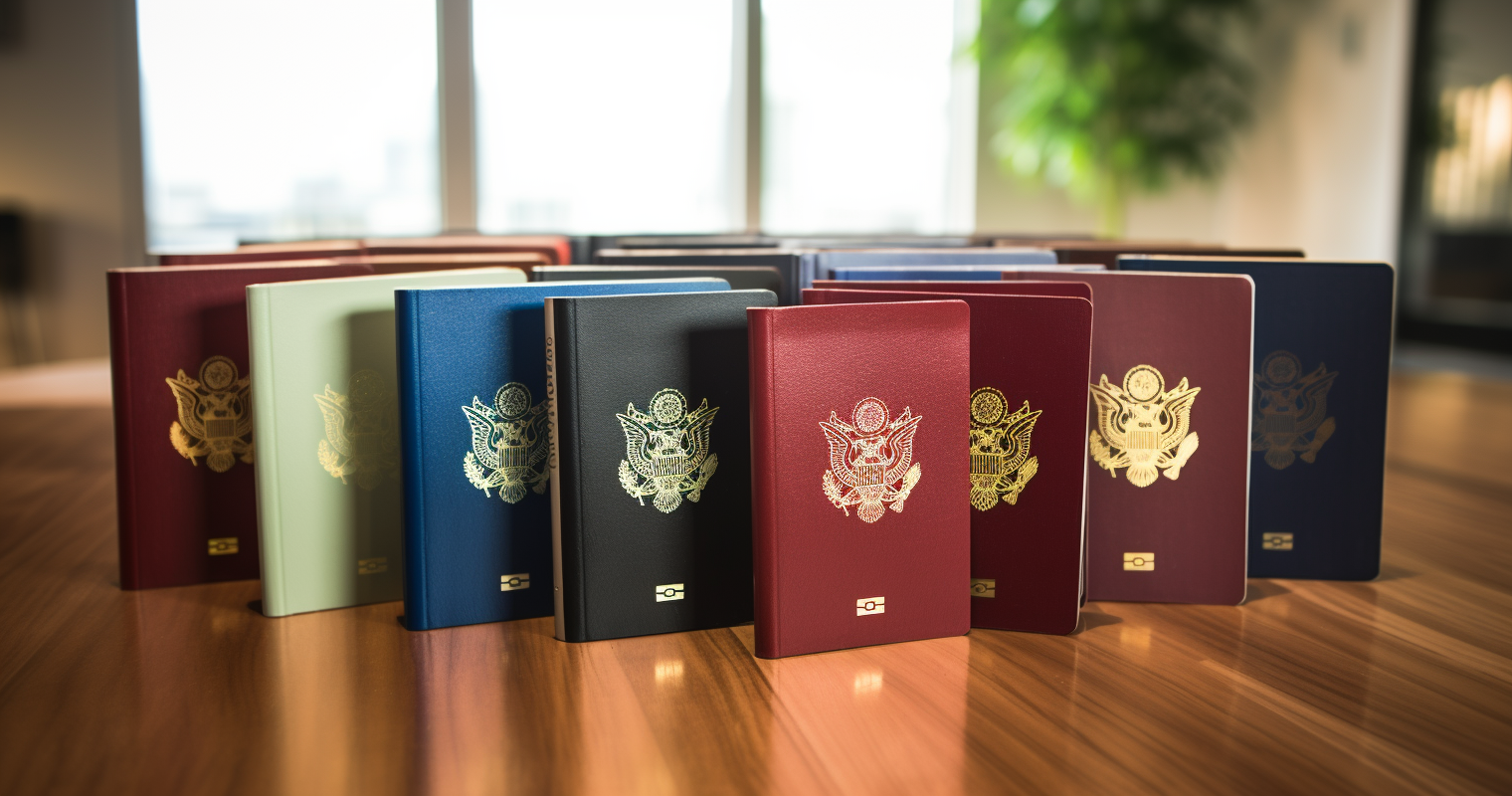
Ecuador ranks among the more welcoming countries in South America when it comes to obtaining citizenship. Foreign nationals holding permanent residency can apply for naturalisation after just three years of qualifying residency, and those in a recognised relationship with an Ecuadorian national may be eligible even sooner. Ecuador’s 2008 Constitution explicitly enshrines dual citizenship, so the vast majority of applicants will not be asked to give up their original nationality.
| Item | Details |
|---|---|
| Standard residency requirement | 3 years of permanent residency (as of 2025) |
| Residency requirement for spouses of Ecuadorians | 2 years of legal residency while married (as of 2025) |
| Government application fee | Approximately USD $400; 50% discount for those aged 65+ or married to an Ecuadorian citizen (as of 2025) |
| Processing time | Typically 6–12 months after submission (as of 2025) |
| Knowledge test | 20-question computerised multiple-choice exam in Spanish; 90% pass mark required |
| Dual citizenship | Permitted under Article 8 of Ecuador’s 2008 Constitution |
| Official body | Ministry of Foreign Affairs (Ministerio de Relaciones Exteriores) / Zonal Coordination Offices |
Who is eligible to apply for citizenship in Ecuador?
Ecuador provides several distinct routes to citizenship, each with its own requirements and timelines. The country’s nationality laws draw on both jus soli (right of soil) and jus sanguinis (right of blood) principles, alongside naturalisation options open to qualifying foreign nationals. Identifying which pathway applies to your personal circumstances is the essential first step in pursuing Ecuadorian nationality.
Citizenship by birth (jus soli)
Any child born on Ecuadorian soil acquires Ecuadorian citizenship automatically, irrespective of their parents’ nationality. This is a clear and unconditional application of the jus soli principle, broadly similar to the birthright citizenship provisions found throughout much of Latin America, and it applies in all cases without exception.
Citizenship by descent (jus sanguinis)
Children born outside Ecuador’s borders to at least one Ecuadorian parent are entitled to claim Ecuadorian nationality through the jus sanguinis principle. To formalise this, the child must be registered with the Ecuadorian civil registry or through an Ecuadorian consulate. A child born abroad to a native-born Ecuadorian mother or father who later takes up residence in Ecuador, or who formally declares the wish to be Ecuadorian, is also eligible to claim this right.
Naturalisation after residency
Foreign nationals who hold a permanent residency visa and have been ordinarily domiciled in Ecuador for a minimum of three years from the date their application is filed are eligible to pursue citizenship through naturalisation. This is the most widely used route among expatriates who have settled in the country on investor, retirement, or professional visas.
During those first three years of permanent residency, applicants must not spend excessive time abroad — though the precise permissible absence threshold has evolved over time. Visit the official government portal at www.gob.ec to confirm the current rule on permitted absences, as this has been revised in recent years and may vary depending on when permanent residency was first granted.
Citizenship through marriage or civil partnership
Foreign nationals who are married to an Ecuadorian citizen benefit from a shortened path to nationality. Rather than waiting the standard three years, they need only complete two years of lawful residency in Ecuador while the marriage is in effect. This accelerated route provides a meaningful advantage for couples who wish to secure full citizenship rights and an Ecuadorian passport more quickly.
Both applicants aged 65 and over and those married to Ecuadorian citizens are exempt from sitting the citizenship knowledge test. They also receive a 50% reduction on the government application fee, making the process notably more accessible for these two groups.
Citizenship for refugees and stateless persons
Individuals who have been formally recognised as refugees may apply for naturalisation if they have maintained regular residency in Ecuador for more than two consecutive years. Full details of the requirements and procedure for naturalisation of refugees and stateless persons are available at www.gob.ec, under the procedure “Obtaining Ecuadorian nationality through a naturalization letter for refugees and stateless persons.”
Key disqualifying conditions
The award of a naturalisation letter is a sovereign and discretionary act of the Executive. This means that even where all formal criteria are satisfied, the relevant authority retains the power to refuse a request for Ecuadorian nationality if it deems this appropriate. Applicants must be of good character and fully compliant with all financial, residency, and legal requirements to be considered.
Applicants must have reached the age of 18. For minors under that threshold, consent from a parent or legal guardian is required, and the child’s own views must be given appropriate weight under Ecuadorian law.
What are the steps involved in applying for citizenship in Ecuador?
Ecuadorian citizenship is conferred by means of a naturalisation letter (Carta de Naturalización). The procedure is administered by the Ministry of Foreign Affairs and its regional Zonal Coordination Offices. The Ecuadorian naturalisation process is conducted at Immigration Ministry offices located in Cuenca, Guayaquil, or Quito. Always verify current requirements directly with the relevant official body, as procedures and documentation standards are subject to change.
- Obtain permanent residency. Permanent residency must be secured before any citizenship application can be lodged. This generally involves obtaining a temporary residency visa, maintaining that status for at least 21 months, and then converting it to permanent residency.
- Satisfy the residency period. You must hold permanent residency for a minimum of three consecutive years to qualify for naturalisation. During this period, you are permitted to spend up to 180 days per year outside Ecuador. Carefully tracking your departure and return dates is essential, as breaching absence limits may restart your eligibility period.
- Compile your documentation well ahead of time. The list of documents required for naturalisation is substantial. Begin gathering them early: you will need an apostilled birth certificate issued by your country of origin in accordance with the Hague Convention, a valid passport with at least 12 months of remaining validity, your Ecuadorian cédula, an index card from the Registro Civil, and compliance certificates from the SRI (Ecuador’s tax authority), your municipality, and IESS (Ecuador’s social security institution).
- Obtain apostilled criminal background checks. A recently issued criminal record certificate from Ecuador is required, as is a background check from your country of origin bearing the relevant apostille or legalisation. If you have lived outside your home country for more than five years, background checks from each additional country of residence will also be required.
- Demonstrate economic solvency. You must provide documentary evidence of your financial self-sufficiency, showing proof of your assets and/or income wherever these may be located. The precise solvency threshold depends on the type of permanent residency visa you hold and is tied to Ecuador’s minimum wage, so confirm the current figure at the official government website, as it is updated regularly.
- Translate and authenticate all foreign-language documents. Every document issued abroad must be properly apostilled or legalised and rendered into Spanish by an officially recognised translator operating in Ecuador. The translator must certify the accuracy of the translation, and their signature must be verified by a notary.
- Lodge your application. The completed application must be submitted to the Zonal Coordination Office serving the area where you reside. Applications are ultimately received and reviewed by the Ministry of Foreign Affairs.
- Sit the knowledge and language examination. Once your documents have been accepted, you will be given a date to sit a computerised knowledge test (see the following section for full details). Applicants aged 65 or over, and those married to an Ecuadorian citizen, are exempt from this examination.
- Attend an interview. Following submission of your application, immigration officials will invite you to an interview to assess how well you have integrated into Ecuadorian society, your level of proficiency in Spanish, and your familiarity with Ecuador’s culture and history.
- Take the oath and collect your documents. A successful application culminates in an oath ceremony at which you formally pledge your allegiance to Ecuador. After completing the oath, you will receive your naturalisation certificate, which then entitles you to apply for an Ecuadorian identity card (cédula) and passport.
Fees (as of 2025): The government fee for a naturalisation application is approximately USD $400. Applicants aged 65 or older, or those married to an Ecuadorian citizen, qualify for a 50% discount on this amount. Always consult the official government website to confirm the current fee schedule, as charges are subject to revision. Legal and professional fees for document preparation are additional and will vary by provider.
What tests, interviews, or ceremonies are required as part of the citizenship process?
Ecuador requires the majority of applicants to demonstrate both a working knowledge of the country and a basic command of the Spanish language. The assessment consists of two components: a written knowledge examination and an oral interview, each conducted entirely in Spanish.
The knowledge test
The written examination is a computerised, 20-question multiple-choice test delivered exclusively in Spanish. To pass, applicants must answer at least 18 of the 20 questions correctly — a pass mark of 90%. The questions draw on topics including Ecuadorian history, geography, culture, and the country’s political system. No version of the test is available in any other language.
This pass mark is notably demanding compared with equivalent assessments elsewhere. The United Kingdom’s Life in the UK Test, for instance, requires just 75%, while Australia’s citizenship test operates on a more straightforward pass/fail threshold. That said, the pool of questions used in Ecuador’s exam is fixed and publicly available in advance, making thorough preparation genuinely achievable for most candidates.
The oral interview
Alongside the written component, applicants are required to complete an oral interview. This element is designed to confirm that the candidate possesses at least intermediate spoken Spanish and demonstrates adequate familiarity with Ecuador’s culture, geography, history, and legal and political framework.
Exemptions from the test
Applicants aged 65 and over, and those who are married to an Ecuadorian citizen, are not required to sit the written citizenship test. Both groups also receive a 50% reduction on the government fees payable for the application. Individuals falling into either of these categories will still be invited to attend an interview, but the formal multiple-choice examination is waived.
Background checks
A thorough criminal background check forms a mandatory element of the application. Certificates must be provided from your home country and from any other country in which you have resided during the past five years. All such documents must be apostilled or officially legalised and translated into Spanish. Ecuador additionally conducts its own internal security review as part of the assessment process.
The oath ceremony
Applicants whose applications are approved must attend an oath ceremony at which they formally pledge their allegiance to Ecuador. Upon completion of this ceremony, the naturalisation certificate is issued, enabling the new citizen to apply for an Ecuadorian identity card (cédula) and passport. The oath is a legal requirement — comparable to the citizenship ceremonies held in countries such as Canada, Australia, and the United Kingdom — and represents the official moment at which Ecuadorian nationality is conferred.
What are the benefits of citizenship in Ecuador?
Acquiring Ecuadorian citizenship unlocks a range of concrete rights and privileges unavailable to permanent residents. For many expatriates, the combination of lasting legal security, greater travel freedom, and comprehensive access to social entitlements makes pursuing citizenship a worthwhile goal.
Ecuadorian passport and travel access
An Ecuadorian passport provides visa-free or visa-on-arrival entry to approximately 93 countries, spanning most of South America, Russia, and parts of Asia. When travelling to Argentina, Bolivia, Brazil, Colombia, Paraguay, Peru, and Uruguay, Ecuadorian citizens do not even need a passport — their national identity card is sufficient for entry.
Ecuador’s participation in MERCOSUR also facilitates streamlined travel, residency, and employment rights across member states including Argentina, Brazil, and Uruguay. For those who move frequently within South America, this represents a significant practical advantage in terms of regional mobility.
Right to work and conduct business freely
Ecuadorian citizenship carries with it unrestricted rights to work, establish businesses, and invest within the country, free from the constraints placed on foreign nationals. This encompasses access to certain industries and professions that are reserved exclusively for citizens.
Access to public services and social security
Citizens are entitled without restriction to Ecuador’s public healthcare system, free or subsidised education, and the full range of social welfare programmes. Full access to Ecuador’s social security system — including healthcare benefits and pension entitlements — comes with citizenship. While permanent residents who contribute to IESS do enjoy some level of access to these services, citizenship removes all remaining limitations.
The right to vote — and the obligation to do so
Citizens are entitled to vote in elections and to engage fully in the country’s political life. It is important to be aware, however, that voting is compulsory in Ecuador for citizens between the ages of 18 and 65. Every eligible citizen is legally required to participate in elections. Those who choose not to vote may pay a fine equivalent to 10% of the monthly minimum wage.
Freedom from visa renewals and residency conditions
Citizenship eliminates the ongoing need to renew visas or maintain residency permits, providing permanent and unconditional legal status in Ecuador. Unlike a residency visa, citizenship cannot be invalidated by future regulatory changes or policy shifts — a reassurance that is especially valuable given how frequently Ecuador’s immigration rules have evolved in recent years.
Transmitting citizenship to your children
Ecuadorian citizens may pass their nationality on to children born abroad, preserving the continuity of citizenship from one generation to the next. This is a particularly meaningful long-term benefit for families who divide their time between Ecuador and another country.
Does Ecuador allow dual citizenship, or will you have to renounce your existing nationality?
Ecuador’s position on dual nationality is clear and permissive: Article 8 of the 2008 Constitution explicitly allows it. Naturalised citizens are under no obligation to renounce their original nationality. This policy has been in place since 1995 and was further cemented when the 2008 Constitution was adopted. For internationally mobile expatriates, this is one of the most valuable aspects of the Ecuadorian citizenship framework.
Ecuador took the unilateral step of allowing dual citizenship in 1995, and in 1998 the legislature amended the constitution to remove all remaining exceptions arising from conflicting nationality requirements. Looking further back, Ecuador and Spain signed a bilateral treaty in 1964 under which each country recognised the other’s nationals as eligible to hold dual nationality — an arrangement that preceded the wider policy reform by several decades.
Dual nationals in Ecuador enjoy exactly the same legal rights and obligations as citizens born in the country. These include the right to vote, unimpeded access to public services, and full freedom to reside and work without restriction.
Important: Ecuador’s acceptance of dual nationality does not automatically mean your home country will share that position. While Ecuador places no restrictions on holding a second nationality, some countries either actively prohibit dual citizenship or strongly discourage it. Before proceeding with your application, always check the dual nationality rules of your country of origin with its official immigration or foreign affairs authority, as these policies vary considerably and may change over time.
Although the 2008 Constitution provides that Ecuadorian nationality can be lost only through voluntary renunciation, the Naturalization Law of 1976 allows for the cancellation of naturalised citizenship in specific circumstances: where nationality was obtained through fraudulent documentation; where the individual engages in activities that represent a moral, political, or social danger to the nation; or where the individual departs Ecuador for more than three consecutive years without valid justification.
How long does it typically take to become a citizen of Ecuador?
Ecuador is among a small group of countries where a foreign national can progress from initial visa to full citizenship in fewer than six years, retain their original nationality throughout, and do so for a government fee of only a few hundred dollars. That said, the total time involved depends on your chosen residency route, the completeness and quality of your documentation, and the pace of administrative processing at the time of your application.
Stage 1: Temporary residency (approximately 21 months)
After holding a temporary residency visa for 21 months and complying with Ecuador’s rules on permitted absences — specifically, not spending more than 90 days outside the country in any given year — applicants become eligible to convert their status to permanent residency. Careful management of overseas travel is essential throughout this stage.
Stage 2: Permanent residency (minimum 3 years)
Three years of permanent residency must be completed before a naturalisation application can be submitted. Applicants must ensure they do not exceed 180 days of absence from Ecuador in any single year during this period. This qualifying period is considerably shorter than in many comparable countries: Germany and France both require five years of residency, while Australia requires four years of residency including at least one year of permanent residency.
Stage 3: Application processing (6–12 months)
The Ecuadorian citizenship process currently takes a minimum of six months and a maximum of twelve months from the point of submission to approval, as the Immigration Ministry must review all submitted documents and administer the Ecuador Citizenship Test in Spanish. These figures reflect the position as of 2025 — always consult the official government source for current processing times, as these can fluctuate based on application volumes and administrative resources.
Realistic total timeline
For most expatriates following the standard route, the full journey from first arriving in Ecuador to receiving a naturalisation certificate takes roughly four to five and a half years: around 21 months on a temporary visa, followed by three years of permanent residency, and then a further six to twelve months of application processing. Those eligible via marriage to an Ecuadorian citizen may be able to complete the process in a shorter period.
What are the main reasons an application for citizenship in Ecuador might be refused?
Ecuador’s naturalisation process operates on a discretionary basis — meaning even a technically complete application may be rejected. The award of a naturalisation letter is a sovereign and discretionary act of the Executive, and if the relevant authority determines for any reason that a person should not acquire Ecuadorian nationality, it is entitled to refuse the request.
The most common formal grounds for denial of citizenship by naturalisation are: failure to satisfy the requirements set out in the Law; having received an enforceable conviction for any crime listed in the Rome Statute of the International Criminal Court; a conviction for any offence under Ecuadorian law carrying a custodial sentence exceeding five years; a conviction for the offence of unlawful trafficking in controlled substances; or being assessed as a threat or risk to internal security based on information available to the Ecuadorian State.
Beyond these formal statutory grounds, applications are frequently delayed or declined for the following practical reasons:
- Insufficient residency: Exceeding the permitted absence limits during the qualifying period — even marginally — can restart the eligibility clock entirely.
- Incomplete or incorrectly authenticated documents: Missing, expired, or improperly apostilled documents are among the most frequent causes of delay. Obtaining correctly certified documents from your home country can be a slow process, so it is advisable to begin gathering them well before you intend to file.
- Outstanding obligations: Applicants must be fully up to date with all obligations owed to the Ecuadorian State, including the Internal Revenue Service (SRI), IESS, and the municipality. Unpaid taxes, outstanding fines, or overdue social security contributions can result in refusal.
- Failure on the knowledge test: Applicants who do not achieve the required 90% pass mark on the Spanish-language examination will not be able to proceed. Adequate preparation is essential.
- Inability to prove economic solvency: Demonstrating financial self-sufficiency is a firm requirement. Insufficient documentation of income or assets is a common source of difficulty.
If your application is refused, it may be possible to challenge the decision or lodge a fresh application at a later date. Since naturalisation is a discretionary executive act, the scope for appeal may be limited. Seeking advice from a qualified Ecuadorian immigration lawyer is strongly recommended in the event of a refusal.
Where can you find reliable, up-to-date information about citizenship in Ecuador?
Given how regularly fees, residency thresholds, and documentary requirements are revised in Ecuador, it is vital to consult official government sources rather than relying on blogs or online forums when planning your naturalisation application. The following are the primary authorities to contact:
- Ecuador’s official government portal: www.gob.ec — The starting point for all official procedures, including the formal process for applying for a naturalisation letter. Search for “naturalización” to find the current requirements and online steps.
- Ministry of Foreign Affairs and Human Mobility (Ministerio de Relaciones Exteriores y Movilidad Humana): www.cancilleria.gob.ec — This ministry oversees naturalisation applications and manages Ecuador’s consular network around the world.
- Ecuadorian Civil Registry (Registro Civil): Responsible for registering births and marriages and for issuing the cédula. Contact your nearest Registro Civil office for guidance on documentation requirements.
- Your nearest Ecuadorian Embassy or Consulate: If you are applying from outside Ecuador or need assistance with document verification, the nearest diplomatic mission can provide direction. Contact details are available through the Cancillería website listed above.
- UNHCR Ecuador (for refugees and stateless persons): help.unhcr.org/ecuador — Offers specific guidance for individuals applying under the refugee naturalisation pathway.
Never depend solely on third-party websites — including this article — for current fees and processing times. Ecuador’s requirements have changed on multiple occasions in recent years, and only official government sources can be relied upon to reflect the rules currently in force. When in doubt, engage a licensed Ecuadorian immigration attorney who is current with the latest regulatory developments.
Frequently asked questions about citizenship in Ecuador
Do children born in Ecuador automatically receive Ecuadorian citizenship?
Yes. Any child born on Ecuadorian territory acquires Ecuadorian citizenship automatically, regardless of the nationality of their parents. This birthright citizenship principle, known as jus soli, is embedded in Ecuador’s 2008 Constitution and applies universally without exception.
Can I pass Ecuadorian citizenship on to my children born abroad?
Yes. Ecuadorian citizens are able to transmit their nationality to children born outside Ecuador, ensuring citizenship continues across generations. Children born abroad to at least one Ecuadorian parent are entitled to claim Ecuadorian nationality and must register either with the Ecuadorian civil registry or through an Ecuadorian consulate.
Can Ecuadorian citizenship be lost or revoked?
Under the 2008 Constitution, Ecuadorian nationality can only be surrendered through a voluntary act of renunciation. However, the Naturalization Law of 1976 provides that naturalised Ecuadorian citizens may have their nationality cancelled in the following circumstances: obtaining nationality using fraudulent documentation; engaging in activities that represent a moral, political, or social threat to the nation; or departing Ecuador for more than three consecutive years without legitimate justification.
What happens to my citizenship application if I move abroad during the process?
Once a naturalisation application has been lodged, prolonged absences from Ecuador should be avoided, since the application depends on your having maintained the required qualifying residency. Relocating abroad permanently before the application is concluded could seriously undermine the prospects of approval. The path to citizenship carries specific obligations, and breaching these — even unintentionally — can set your progress back significantly. Consult your immigration lawyer before making any travel commitments while your application is open.
Is there a language test as part of the citizenship process?
Yes. Applicants must sit a computerised, 20-question multiple-choice examination conducted entirely in Spanish. A score of at least 90% — meaning 18 correct answers out of 20 — is required to pass. The questions cover Ecuadorian history, geography, culture, and politics, and the test is available in Spanish only. Applicants aged 65 and over, and those married to Ecuadorian citizens, are exempt from sitting the examination.
Do I need a lawyer to apply for citizenship in Ecuador?
There is no legal obligation to retain an attorney. However, Ecuador’s administrative procedures can be intricate and at times slow-moving. An experienced immigration lawyer can help you navigate the process efficiently and reduce the risk of errors that could delay or derail your application. Given the volume and complexity of documentation involved, many applicants find that professional assistance is money well spent.
Is voting compulsory for Ecuadorian citizens?
Yes. Ecuadorian law requires all citizens between the ages of 18 and 65 to vote in every election. Those who prefer not to vote may instead pay a fine equal to 10% of the monthly minimum wage. Citizens aged 65 and over are not subject to the compulsory voting requirement.
Can I apply for citizenship if I acquired my residency through investment?
Yes. The permanent residency required as a basis for naturalisation may have been obtained through a variety of qualifying visa categories, including the investor visa, professional visa, or retirement visa. Ecuador does not operate a formal citizenship by investment programme. Nevertheless, routes leading to citizenship through naturalisation are available via the Independent Means Visa and the Investor Visa. After completing three years of permanent residency, you may apply for naturalisation regardless of which visa category underpins your residency status.
Will becoming an Ecuadorian citizen affect my home country’s nationality?
Ecuador does not require applicants to renounce their existing nationality. However, the position of your home country may differ. Some countries do not recognise or permit dual citizenship, which could require you to choose between your nationalities. Always verify the dual nationality rules of your country of origin with its official immigration or foreign affairs authority before submitting your application in Ecuador.
Can children who were naturalised as minors (through their parents) renounce Ecuadorian citizenship when they reach adulthood?
Yes. Individuals who have acquired Ecuadorian nationality through naturalisation — whether through adoption or by virtue of their parents’ naturalisation — are entitled, upon reaching the age of 18, to renounce their Ecuadorian citizenship. This provision ensures that adults who did not make an active choice to become Ecuadorian retain the right to relinquish that nationality once they reach majority.
Are there any professions or public roles only available to Ecuadorian citizens?
Ecuadorian citizenship grants full and unrestricted rights to work, establish businesses, and invest in the country without the constraints that apply to foreign residents. This includes access to certain sectors and professions reserved exclusively for nationals. Roles in government, the judiciary, and various regulated fields typically require citizenship. For guidance specific to your intended profession, contact the relevant regulatory body directly.