

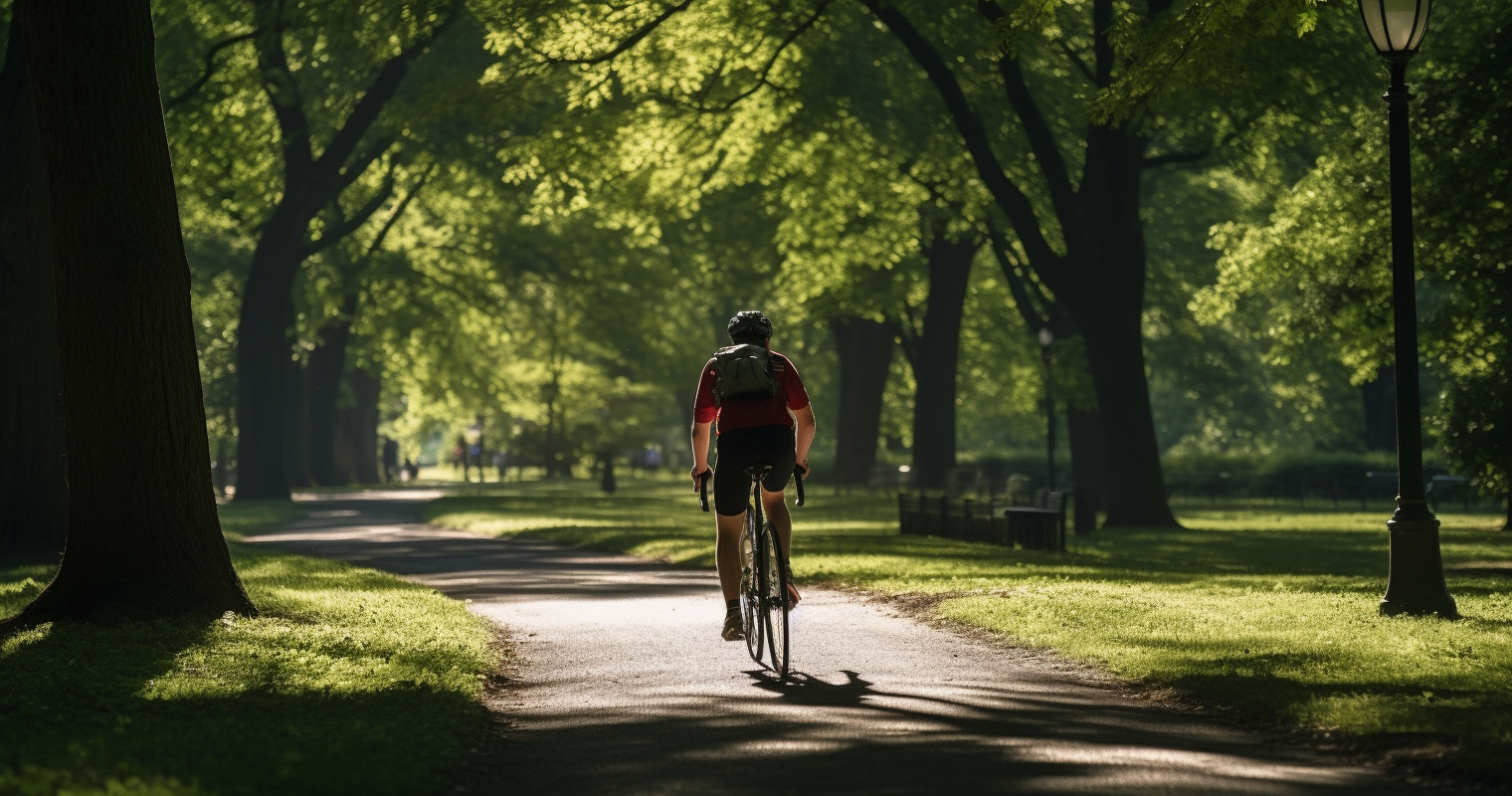
For most people in the Dominican Republic, cycling is something done for leisure or sport rather than as a way of getting from A to B. Dedicated infrastructure for cyclists is scarce, concentrated largely in and around Santo Domingo, and the country’s road safety record is a genuine cause for concern. Even so, the Dominican Republic has much to offer keen riders — from rugged off-road trails to picturesque coastal stretches — and a steadily expanding community of enthusiasts means expats who approach cycling here with realistic expectations can find it thoroughly rewarding.
| Item | Details |
|---|---|
| Cycling culture | Primarily recreational and sport; not a mainstream commuting mode (as of 2024) |
| Dedicated bike infrastructure | Very limited; up to 10 km of prioritised bike lanes planned in Greater Santo Domingo (as of 2022) |
| Road safety rating | Among the highest traffic fatality rates globally; cyclists and pedestrians at significant risk (as of 2022) |
| Helmet requirement | Strongly recommended; legally mandated for motorcyclists; rules for pedal cyclists under Law 63-17 |
| Bike rental cost | Approx. USD $20–$30/day for a basic rental bike in tourist areas (as of 2023) |
| Import tax on goods | Standard tariff 0–99%; ITBIS (VAT equivalent) of 18% applies to most goods (as of 2024) |
| Key regulatory body | INTRANT (Instituto Nacional de Tránsito y Transporte Terrestre) |
How popular is cycling in Dominican Republic — is it a common way to get around?
Cycling as everyday transport has not taken hold in the Dominican Republic in the way it has in many other parts of the world. Cars and motorcycles are the vehicles of choice for the vast majority of the population. Of particular note is the motorcycle, which dominates both private travel and the informal taxi sector — the motoconcho, or motorcycle taxi, is a fixture of daily life in communities across the country. Pedal cycling, meanwhile, occupies a rather different niche.
That said, interest in cycling as a recreational activity is on the rise, and the country hosts various cycling events and tours aimed at both visitors and residents. Among expat communities and urban middle-class Dominicans, road cycling and mountain biking have become popular weekend activities, with clubs and organised rides appearing in increasing numbers — particularly in Santo Domingo and along the north coast.
To set realistic expectations: the Dominican Republic’s relationship with cycling is far removed from countries such as the Netherlands or Denmark, where bikes account for a large proportion of daily journeys, or even Germany, where well-developed infrastructure and a strong commuter cycling tradition go hand in hand. A more apt comparison might be many Latin American or southern European nations from a decade or so ago — cycling is gaining momentum in terms of visibility and enthusiasm, but it has yet to become a practical mode of everyday transport for the average resident.
For expats relocating from places with deeply embedded cycling cultures, the contrast can be striking. Nevertheless, the Dominican Republic’s stunning landscape, warm year-round climate, and a recreational cycling scene that continues to mature mean there is still plenty to enjoy on two wheels — provided expectations are adjusted accordingly.
What is the cycling infrastructure like in Dominican Republic?
Cycling infrastructure in the Dominican Republic remains at a formative stage. Although some dedicated cycle paths and routes exist, they are far from comprehensive, and sharing the road with dense, fast-moving traffic poses a real challenge. This is a world away from the extensive, interconnected networks of segregated cycle lanes found in countries like the Netherlands or Germany, which link city centres with suburbs and rural areas alike.
A notable development came in 2020, when the Inter-American Development Bank (IDB), working alongside the French Development Agency (AFD), provided technical support for sustainable urban mobility planning in several Dominican cities. In Greater Santo Domingo specifically, the IDB collaborated with INTRANT — the national transport regulator — to prioritise the creation of up to 10 km of new dedicated bike lanes. Modest as this may sound, it represents a meaningful shift given that a formal urban cycling network was almost entirely absent before these efforts began.
The Mayor of Santo Domingo also established a dedicated Bicycle Office within the municipal administration and piloted the first 8 kilometres of temporary cycle lanes in the city. Whether these have since been converted into permanent infrastructure is worth verifying with the Ayuntamiento del Distrito Nacional (Santo Domingo’s municipal government) or INTRANT directly, as projects of this kind can change rapidly on the ground.
Away from the capital, dedicated provision for cyclists drops off sharply. Riding near major urban centres is generally inadvisable, whereas venturing onto rural and mountain tracks — which carry far less traffic — is a much more enjoyable and manageable proposition. Cities such as Santiago, Puerto Plata, and La Romana offer little in the way of formal cycling infrastructure.
INTRANT — the Instituto Nacional de Tránsito y Transporte Terrestre — is the body responsible for regulating mobility, land transport, traffic, and road safety across the Dominican Republic. Expats keen to follow the latest infrastructure developments and new route announcements should monitor INTRANT’s official website at intrant.gob.do.
Is cycling safe in Dominican Republic?
Road safety is one of the most pressing concerns for anyone travelling on Dominican roads, and cyclists are among the most exposed groups. According to a 2018 report by the Pan American Health Organization (PAHO) on road safety across the Americas, the Dominican Republic ranked second in the region for traffic fatality rates, with 34.6 deaths per 100,000 inhabitants, and fifth globally. Motorcyclists accounted for 67% of those deaths, pedestrians for 17%, and cyclists for 1%.
More recent data places the Dominican Republic as having the highest road fatality rate in the world, at nearly 67 deaths per 100,000 people. For context, most Western European nations record rates below 5 per 100,000, while countries such as Norway and Sweden sit below 3. These figures are not abstract — they define the environment in which cyclists must operate, and they warrant serious consideration when deciding whether, where, and at what times to ride.
Compounding the statistical risk is the reality of how traffic laws are applied in practice. Enforcement is inconsistent at best, and it is common to encounter drivers who are intoxicated, distracted by their phones, travelling well above speed limits, ignoring red lights or stop signs, or operating without seatbelts and helmets. For any cyclist sharing road space in this environment, an exceptionally high level of vigilance is not optional — it is essential.
Roads themselves frequently add to the hazard: heavy traffic, potholed surfaces, and a general lack of consideration for cyclists are widespread problems. The route from Puerto Plata to Santo Domingo is singled out by experienced touring cyclists as particularly dangerous — it is narrow, heavily used, and best avoided altogether on a bicycle.
Wearing a helmet at all times is strongly recommended. While Dominican law most explicitly mandates helmets for motorcyclists, the case for wearing one as a pedal cyclist is self-evident given the road conditions described above. Up-to-date road safety data is published by INTRANT and the Observatorio de Seguridad Vial (OPSEVI); readers can access current figures at intrant.gob.do.
What are the rules of the road for cyclists in Dominican Republic?
The principal legal framework governing cycling in the Dominican Republic is Law 63-17 on Mobility, Land Transport, Traffic and Road Safety. This legislation covers all road users, cyclists included. In practical terms, cyclists are expected to abide by the same rules as motor vehicle drivers — stopping at red lights and stop signs, indicating when turning or changing position, and travelling on the right-hand side of the road.
The most important practical obligations for cyclists under Dominican law are as follows:
- Road position: Ride on the right-hand side of the road, keeping as close to the edge as conditions safely allow.
- Signalling: Use clear hand signals whenever turning or moving across lanes.
- Lighting: Make yourself as conspicuous as possible, particularly after dark or in poor visibility. Fit lights and reflectors to your bike and wear bright or reflective clothing.
- Helmets: Although a strictly enforced helmet mandate for pedal cyclists is less clearly defined in law than for motorcyclists, wearing one is strongly advised given the road environment.
- Alcohol: Riding under the influence of alcohol is prohibited; the same rules that apply to all road users extend to cyclists.
- Pavements and pedestrian areas: Cycling on pavements is generally not permitted where the road is available; pedestrian zones must be treated accordingly.
In practice, traffic law enforcement across the country is patchy, and cyclists should never assume that other road users will follow the rules. The regulatory environment is actively developing — Decree 656-24 places road safety at the centre of national priorities, and the National Pact for Road Safety sets an ambitious target of halving traffic deaths by 2030. For the most current and complete legal requirements, consult INTRANT directly at intrant.gob.do.
Do I need to register my bike or have insurance to cycle in Dominican Republic?
Pedal bicycles do not need to be officially registered in the Dominican Republic. Whereas INTRANT requires motor vehicles and motorcycles to be registered with the relevant authorities, standard non-motorised bikes fall outside that obligation. This is consistent with the approach taken across most of Latin America, as well as in countries such as France and Italy, where bicycle registration is voluntary or community-led rather than a legal requirement.
Similarly, there is no legal obligation to hold third-party liability insurance in order to ride a non-motorised bicycle. However, the challenging road conditions and the country’s high incidence of traffic incidents make it sensible to ensure that any personal health or travel insurance you hold provides adequate protection for cycling-related accidents. It is worth scrutinising your policy before you arrive, as some travel insurance products exclude cycling activities or cover only specific types of cycling.
For e-bikes or electrically assisted bicycles, the position may be different. Higher-powered models could potentially be classified closer to mopeds under Dominican transport regulations, which would bring additional requirements into play. Anyone planning to ride an e-bike is advised to clarify its classification with INTRANT before bringing or buying one. Regardless of the type of bicycle, keeping proof of purchase or ownership is always a sensible precaution — it can prove invaluable in the event of theft or an encounter with police.
Are there public bike-sharing or rental schemes in Dominican Republic?
The Dominican Republic does not yet have a city-wide public bike-share scheme on the scale of systems like Vélib’ in Paris or Barcelona’s Bicing network. The urban cycling infrastructure and the broader culture of everyday cycling have not yet developed to the point that typically underpins such programmes. This may shift as INTRANT and local authorities continue to invest in sustainable urban transport, but for now, no comprehensive public hire system exists.
For those without their own bicycle, rental options are available, primarily concentrated in tourist-oriented areas. Shops and operators offering bike hire can be found in places such as Punta Cana, Santo Domingo, and Cabarete. The latter, on the north coast, is widely considered the heartland of cycling activity in the country and offers the most varied rental and guided tour options of anywhere outside the capital.
In popular resort destinations including Las Terrenas and Las Galeras, some hotels and resort properties also offer bicycle hire to their guests. Pricing depends on the type of bike and the duration of the rental, but a basic bicycle typically costs in the region of USD $20–$30 per day (as of 2023). Mountain bikes, e-bikes, and packages that include a guide will generally come at a higher price point.
For guided cycling adventures, Jarabacoa and Cabarete stand out as the best bases, both having well-established adventure-sports scenes with experienced local operators. Electric bike tours centred on Puerto Plata have also become a popular option for exploring the area without the physical demands of a traditional ride. For current availability and pricing, check operators’ websites directly or contact the local municipality’s tourism office.
Where can I buy or service a bike in Dominican Republic?
Purchasing a bicycle in the Dominican Republic is entirely possible, though the variety on offer is more restricted than in larger, more established markets. Santo Domingo and Santiago are the cities where you are most likely to find dedicated bike shops stocking hybrid, road, and mountain models. Premium international brands can be harder to come by locally than they would be in major European or North American cities, and availability can be unpredictable.
Second-hand bicycles can be found through informal channels, including social media platforms — Facebook Marketplace in particular is widely used across the country — and online classified listing sites. Prices for used bikes can be quite reasonable, especially for basic everyday models. As with second-hand purchases anywhere, quality can be inconsistent, and it is worth having a mechanic look over any bike before you hand over your money.
Bicycle repair workshops can be found in the larger cities, though the quality and range of services on offer varies. Outside tourist areas, rental options and specialist repair facilities are sparse, which is one reason why expats who intend to cycle regularly tend to favour bringing their own well-maintained machine. The same applies to components and specialist tools, which may be difficult or impossible to source beyond Santo Domingo. Many expat cyclists order parts from abroad and import them — though customs duties apply, as outlined in the section below.
Consumer rights in the Dominican Republic fall under the remit of Pro Consumidor, the National Consumer Protection Office. Bicycles purchased new from registered retailers are subject to the warranty provisions established under Dominican consumer law, so it is important to keep your receipt and any accompanying documentation.
Can I bring my bike when I move to Dominican Republic, and are there any import rules?
Bringing a bicycle into the Dominican Republic when you relocate is perfectly possible, but it is important to understand how Dominican customs authorities will treat it. All import declarations and duties are handled by the Dirección General de Aduanas (DGA), whose official website is dga.gov.do.
- Declare your bicycle on arrival. All goods entering the country, including personal bicycles, must be declared to DGA customs officers at the point of entry.
- Check whether your bike qualifies as a personal effect. When moving to the Dominican Republic, certain personal possessions may be eligible for a duty exemption or reduction as household effects (menaje de casa). The DGA sets specific criteria for qualifying goods; review these requirements before shipping your belongings.
- Understand the standard tariff structure. Tariff rates range from 0 to 40% (WTO standards for all commodities). Bicycles are assigned to a specific Harmonised Tariff heading — verify the exact applicable rate with the DGA or a licensed customs broker before shipping.
- Account for ITBIS (the Dominican VAT equivalent). The Dominican Republic levies ITBIS (Impuesto de Transferencia a los Bienes Industrializados y Servicios) — the equivalent of VAT — at 18% on most goods and services (as of 2024). This is charged in addition to any applicable customs tariff.
- Use online customs clearance where possible. The DGA’s online clearance service enables pre-arrival declarations, document submission, and payment, allowing the process to be completed in a matter of hours where everything is in order.
- Retain proof of purchase and ownership. A receipt or invoice for your bicycle helps customs officers determine its value accurately and may support an exemption application if the bike is clearly intended for personal use.
- Consult a licensed customs broker for complex shipments. If your bicycle is being shipped as part of a larger consignment of household goods, engaging a reputable customs agent (agente de aduanas) can make the process considerably smoother.
Bicycles are not on the list of prohibited imports — which includes items such as used clothing and electrical appliances. That said, it is always advisable to confirm the current rules and duty rates with the DGA at dga.gov.do before shipping, as regulations can and do change.
What are the best cycling routes or destinations in Dominican Republic?
Getting on a bike is one of the most engaging ways to experience the Dominican Republic’s extraordinarily varied landscape — from dramatic mountain passes and dense tropical forest to sweeping coastlines, traditional villages, and bustling city streets. Whether you are a highly experienced rider seeking a technical challenge or a more relaxed cyclist happy to roll along at a gentle pace, there are routes suited to a wide range of abilities and preferences.
Jarabacoa and the Cordillera Central: Widely regarded as the premier destination for mountain biking in the country, Jarabacoa sits at altitude in the heart of the Cordillera Central, offering a cool climate, forested trails, and demanding climbs. Local tour operators run guided rides for all abilities, and the surrounding mountains provide some of the most spectacular scenery on the island.
Cabarete, North Coast: The north coast’s adventure-sports capital, Cabarete, hosts the most developed cycling scene outside Santo Domingo. It is particularly well suited to off-road and trail riding, with access to forest tracks, coastal paths, and knowledgeable local guides who can tailor routes to your experience level.
The Samaná Peninsula: Rolling hills, turquoise waters, and unspoiled beaches make the Samaná Peninsula an outstanding setting for a cycling trip. A route beginning in the town of Santa Bárbara de Samaná and heading out towards Playa Rincón — consistently counted among the world’s finest beaches — offers a combination of scenic coastal riding and rewarding countryside.
Puerto Plata: Puerto Plata’s Victorian architecture and colonial heritage form an attractive backdrop for exploration by bike. The climb from the city centre up to the Isabel de Torres Mountain is a stiff test that repays riders with panoramic views from the summit. For something more leisurely, the Malecón — a flat seafront promenade along the Amber Coast — is ideal for families and casual riders, with sea views and a lively atmosphere throughout.
South Coast and Punta Cana: The south coast road benefits from a wider shoulder than many Dominican highways, making it more manageable for road cyclists, though it remains busy. The resort zones of Punta Cana and Cap Cana offer flat, relaxed riding along resort paths and coastal terrain — well suited to those after a gentle outing rather than a demanding workout.
For route planning, Bikemap hosts a community-sourced collection of over 3,340 cycling routes and trails across the Dominican Republic at bikemap.net. The Federación Dominicana de Ciclismo — headquartered at the Velódromo Olímpico in Santo Domingo — is the national cycling body and a useful point of contact for information on events, affiliated clubs, and organised rides. The Dominican Republic Ministry of Tourism’s official resource at godominicanrepublic.com also lists cycling and adventure activities by region.
Frequently asked questions
Is cycling a realistic option for commuting to work in the Dominican Republic?
For the majority of expats, using a bicycle as a daily commute presents more obstacles than advantages. Inadequate infrastructure, unpredictable and aggressive traffic, rough road surfaces, and high temperatures combine to make cycling impractical for many people in many locations. That said, in quieter neighbourhoods, over short distances, or in places like Cabarete where cycling is more culturally accepted, a bike commute becomes considerably more feasible. An e-bike can help offset the demands of heat and hills, but you should confirm how it is classified under Dominican law before buying or importing one.
Do I legally need to wear a helmet when cycling in the Dominican Republic?
A clearly defined and actively enforced helmet requirement for pedal cyclists is not as firmly embedded in Dominican law as the equivalent rule for motorcyclists, where INTRANT has been pursuing compliance more vigorously. Nonetheless, given the country’s extraordinarily high road fatality rate and the chaotic nature of traffic on many roads, wearing a properly fitted helmet whenever you cycle on public roads is an absolute necessity from a practical safety perspective. Check the latest position under Law 63-17 with INTRANT at intrant.gob.do, as the regulatory framework is continuing to evolve.
How does road safety for cyclists in the Dominican Republic compare to other countries?
The Dominican Republic records one of the highest road fatality rates anywhere in the world, at nearly 67 deaths per 100,000 people — a figure more than 25 times higher than that of a country such as the UK. For anyone cycling here, these numbers must inform how and where they ride. Using lights, wearing high-visibility or reflective clothing, avoiding riding after dark, and keeping to quieter rural roads or dedicated paths wherever possible are all measures that can significantly reduce the level of risk you face.
Are there cycling clubs or communities for expats in the Dominican Republic?
Yes — Santo Domingo, Cabarete, and Santiago all have vibrant cycling communities that are generally welcoming to newcomers and expats alike. These groups typically organise weekend sportives, mountain bike outings, and casual social rides. The most efficient way to find a local group is to search social media platforms for cycling communities in your area. The Federación Dominicana de Ciclismo, based at the Velódromo Olímpico in Santo Domingo, can also direct you towards affiliated clubs throughout the country.
Can I bring my bike from abroad when I move, or is it better to buy locally?
Both approaches can work, depending on your circumstances. If you already own a high-quality, well-fitted bicycle, bringing it with you makes good sense — comparable models can be difficult to find locally, and import duties are manageable if the bike is treated as a personal effect during your relocation. Buying locally eliminates shipping complexity but comes with the trade-off of a more limited selection, particularly if you are after a performance road bike or a high-spec mountain bike.
What is the best time of year to cycle in the Dominican Republic?
Many riders find May and June particularly enjoyable months to get out on a bike. More broadly, the dry season running from November to April generally offers the most agreeable conditions, with lower humidity and less rainfall. The wet season from May through November brings heavy and sometimes prolonged downpours as well as the possibility of tropical storms, which can leave off-road trails waterlogged and make road conditions more treacherous. During the hotter months, early morning rides are typically the coolest and safest option.
Is there any bike insurance I should get as a cyclist in the Dominican Republic?
No legal requirement exists obliging pedal cyclists to carry liability insurance. However, given the road safety environment, having comprehensive personal health insurance that specifically covers cycling accidents is highly advisable. Standard travel insurance policies sometimes exclude cycling or restrict cover to certain types, so read the fine print carefully. If your bicycle is particularly valuable, it may also be worth looking into theft cover through a home contents or specialist cycle insurance policy.
Where can I find official information about cycling rules and infrastructure development?
The principal official source for transport law and road safety matters is INTRANT (Instituto Nacional de Tránsito y Transporte Terrestre), accessible at intrant.gob.do. For questions about customs procedures and import regulations, the Dirección General de Aduanas (DGA) at dga.gov.do is the relevant authority. For information on cycling routes and broader tourism resources, the Dominican Republic Ministry of Tourism at godominicanrepublic.com and the Federación Dominicana de Ciclismo are both good starting points.