
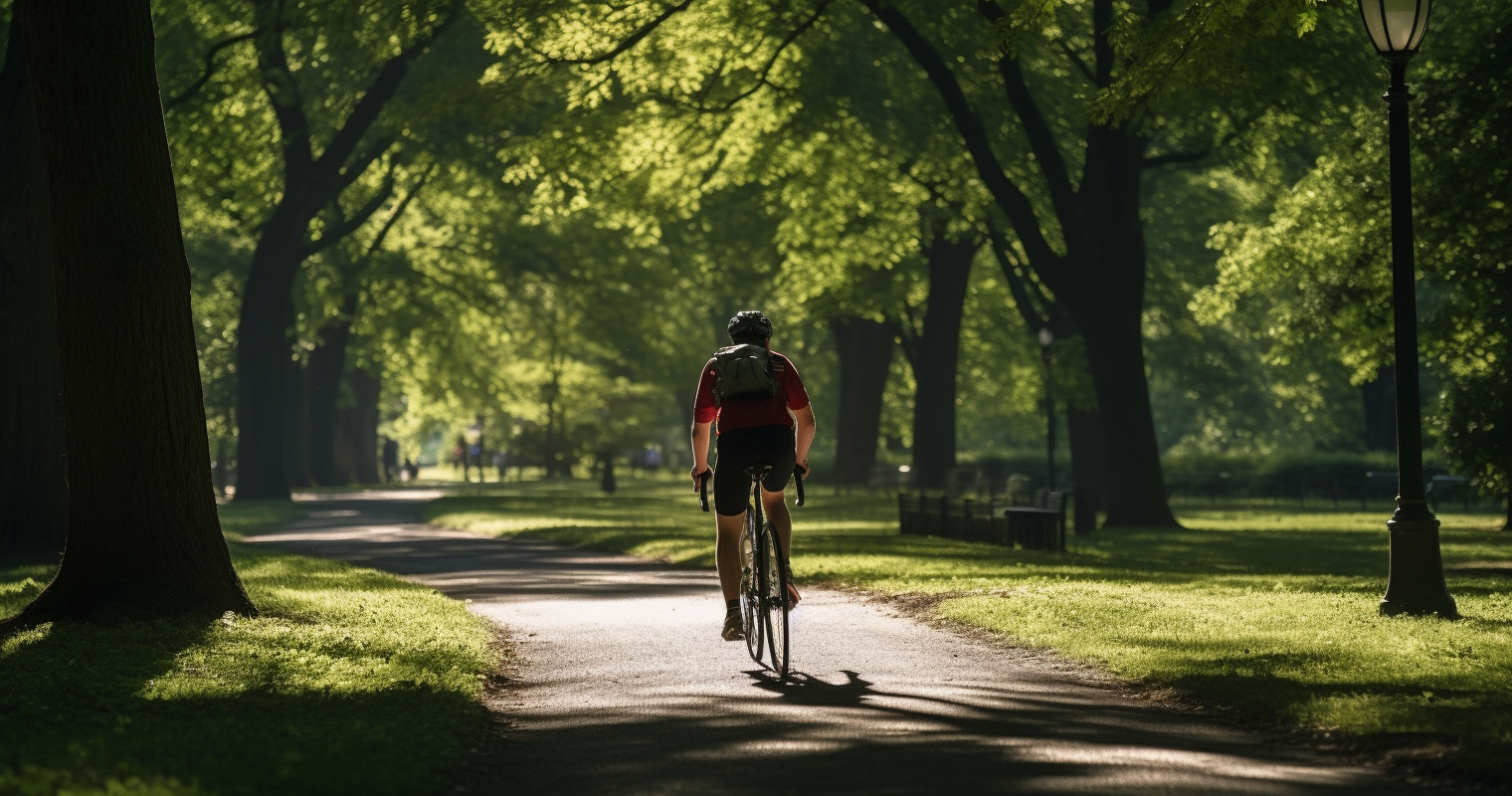
Ecuador presents a genuinely multifaceted cycling landscape: a lively culture of sport and recreational riding exists alongside an urban infrastructure that has expanded considerably in recent years, especially in Quito and Cuenca. As a daily commuting method, cycling has yet to achieve the same prominence as it holds in various European nations, but growing investment in cycle lanes, public bike-share programmes, and regular car-free events has made it an increasingly credible choice for those prepared to share roads with motorised traffic.
| Item | Details |
|---|---|
| Helmet law for cyclists | Strongly recommended; legally required for cyclists in certain contexts — check Ecuador’s Ley Orgánica de Transporte Terrestre for current rules (as of 2025) |
| Bike registration | Not mandatory for standard bicycles (as of 2025) |
| Bike-share scheme (Quito) | BiciQuito — free for registered urban residents (as of 2024; check municipality for current status) |
| Ciclopaseo (Quito) | 30 km car-free route every Sunday, 08:00–14:00 |
| Key cycling route | Trans Ecuador Mountain Bike Route (TEMBR) — off-road, multi-day |
| Household goods import | Personal effects including bicycles may qualify for duty-free import when relocating; shipment must arrive within 6 months of owner’s arrival (as of 2024) |
| Cycling infrastructure authority | Local municipalities; national framework under the Agencia Nacional de Tránsito (ANT) |
How popular is cycling in Ecuador — is it a common way to get around?
Cycling in Ecuador occupies a distinctive position somewhere between leisurely pastime and practical mode of transport. Government commitment to infrastructure development has helped establish cycling as a recognised commuting option, and a flourishing culture of outdoor pursuits has bolstered the broader cycling market. Yet the reality differs notably depending on whether you are in a city or the countryside, and whether the rider in question is a daily commuter or a weekend enthusiast.
In cities such as Quito, Guayaquil, and Cuenca, the number of people cycling to work is rising but remains modest relative to bus travel and private car use. Gaps in the infrastructure network and the everyday hazards faced by cyclists have historically shaped urban cycling in Quito in particular, placing Ecuador in a position common to many Latin American cities — meaningfully improved compared to a decade ago, but still some way behind leading cycling nations like the Netherlands or Denmark, where bicycles account for 25–30% of all daily trips.
Nonetheless, genuine enthusiasm for cycling is evident throughout Ecuador. The Warmshowers hospitality network for touring cyclists is more active there than in neighbouring Peru and Bolivia — a telling indicator of a country with real passion for the activity, even if mass bicycle commuting has not yet taken hold on a European scale. Adventure cycling, mountain biking, and competitive road racing all have vibrant followings.
Policy efforts to lower carbon emissions, combined with rising fuel prices and worsening urban congestion, have helped drive demand for bicycles as a cost-efficient and agile way of getting around. For expats arriving in Ecuador, the country is best understood as one in transition: cycling is entirely feasible and often deeply rewarding, but it calls for greater preparation and road awareness than would be needed in more cycle-oriented European cities.
What is the cycling infrastructure like in Ecuador?
Urban cycling facilities in Ecuador are concentrated in the major cities and have expanded substantially since the late 2010s, with the COVID-19 pandemic acting as a catalyst. In spring 2020, Quito’s municipal government introduced new cycling lanes as a healthy urban mobility measure in response to the sharp rise in fatalities at the onset of the pandemic — accelerating a process of network-building that had been underway since the early 2000s.
In Quito, the capital, the city created 25 kilometres of cycling lanes, with careful attention paid to how this network connected with the wider public transport system. An additional nine kilometres of cycle lanes were installed across several southern districts — including along Avenida Cardenal de la Torre — as part of city-wide efforts to improve road safety and broaden transport choices. Avenida Amazonas in the northern part of the city features a protected cycle track as one of the key corridors in this network.
Infrastructure quality, however, is inconsistent. Certain lanes are physically separated from motor traffic, while others are marked only by painted lines on the road. Maintenance levels fluctuate, and riders should anticipate uneven surfaces, drainage covers, and missing links in route continuity — challenges familiar to urban cyclists in rapidly developing cities worldwide. Beyond the major urban centres, dedicated cycling facilities become scarce. Rural roads and highways rarely have cycle lanes, though touring conditions across Ecuador have gradually improved, with better road surfaces, wider shoulders, and occasional dedicated facilities in some areas.
Article 209 of Ecuador’s National Transit Law requires local authorities to construct bike lanes on the basis of thorough technical assessments. Article 204 of the same law affirms that cyclists have an equal right to all public roads as motorists. The national transport authority is the Agencia Nacional de Tránsito (ANT), while local municipalities — including the Municipio del Distrito Metropolitano de Quito — are responsible for day-to-day cycling infrastructure planning. Expats should consult the relevant municipal transport authority for up-to-date route maps and development plans in their city.
Cuenca, Ecuador’s third-largest city, has also received recognition for pedestrian- and cycling-friendly street redesigns. Cuenca was awarded technical assistance to expand its street transformation programme around schools, selected through a competitive process in recognition of its earlier work prioritising children in street redesigns in lower-income neighbourhoods. This demonstrates that infrastructure investment extends beyond the capital, with smaller Andean cities also making meaningful progress for cyclists.
Is cycling safe in Ecuador?
Road safety is among the most significant considerations for anyone cycling in Ecuador. Car culture remains dominant, and driver behaviour toward cyclists can be unpredictable — particularly in areas lacking dedicated infrastructure. Research focused on female cyclists in Quito has highlighted vulnerabilities stemming from the dominance of car-oriented urban design and broader social dynamics on the road. While these findings centre on gendered experiences, they point to a wider context in which cyclists of all backgrounds must navigate roads designed principally for motor vehicles.
Traffic rule enforcement can be inconsistent in rural areas, and road conditions vary considerably, especially across mountainous terrain. Drivers — and cyclists alike — must be alert to local conditions, respect road safety measures, and exercise particular caution during the rainy season or when travelling through highland areas. Large freight vehicles, buses, and unpaved road sections in the highlands represent genuine hazards, and a defensive riding approach is always advisable.
The Ecuadorian mountains are generally welcoming and relatively safe territory for cyclists, but incidents can and do occur. The Andean landscape brings its own challenges: sharp gradients, rapidly changing weather including rain, fog, and cold at altitude, and cobblestone streets in many historic town centres all demand heightened vigilance. Above 3,000 metres, temperatures drop noticeably; above 4,000 metres, freezing conditions can affect both visibility and road surfaces.
Wearing a helmet is strongly recommended for all cyclists, whatever the legal requirements in a specific context (see the rules section below). High-visibility clothing, front and rear lights, and avoiding peak traffic periods are standard safety precautions. For the most current road safety statistics and guidance, the Agencia Nacional de Tránsito (ANT) publishes road safety data for Ecuador. Always verify that any figures you consult are current, as statistics are updated annually.
What are the rules of the road for cyclists in Ecuador?
Cycling on public roads in Ecuador is governed principally by the Ley Orgánica de Transporte Terrestre, Tránsito y Seguridad Vial (LOTTTSV) and its associated regulations. Article 204 of Ecuador’s National Transit Law confirms that cyclists hold the same right as motor vehicle users to travel on all public roads in the country. This is a meaningful legal protection, though it also means cyclists are expected to comply with standard traffic regulations — stopping at red lights, indicating turns, and riding in the correct direction on the road.
Key rules for cyclists in Ecuador include:
- Helmet use: Helmets are strongly recommended and are legally required in certain contexts, particularly for competitive and organised cycling. In contrast to countries like Australia and New Zealand — where mandatory helmet laws apply comprehensively to all cyclists at all times — Ecuador’s helmet requirements for recreational and everyday commuter cyclists are enforced with less consistency, though this may vary between municipalities. Wearing a helmet is essential as a matter of personal safety regardless of legal requirements.
- Lighting: Cyclists riding after dark are required to display front and rear lights. Reflective equipment is also advisable.
- Road positioning: Cyclists must stay to the right-hand side of the road and use designated cycle lanes wherever they are provided.
- Pavements and pedestrian zones: Cycling on footpaths is generally not permitted where cycling infrastructure exists. In areas without cycle lanes, local rules may differ.
- Alcohol: Cycling under the influence of alcohol is prohibited under Ecuadorian traffic law and carries penalties.
- Children: Children below a specified age are required to be accompanied by an adult when cycling on public roads; consult current ANT regulations for the applicable age threshold.
Ecuador has a comprehensive body of road traffic legislation aimed at improving safety and regulating behaviour on public roads. In practice, however, enforcement of cycling-specific rules can be patchy, particularly outside the major cities. Expats are advised to review the full text of the LOTTTSV and consult the Agencia Nacional de Tránsito (ANT) for current and complete legal requirements before cycling regularly on public roads.
Do I need to register my bike or have insurance to cycle in Ecuador?
Standard bicycles in Ecuador are not subject to mandatory registration with any government authority (as of 2025). There is no national bicycle registration system comparable to motor vehicle licence plates. Some municipalities have introduced voluntary registration initiatives as anti-theft measures, but participation in these schemes is not a legal obligation. If you are settling in Quito or another city, it is worth contacting the local municipal transport authority to find out whether any such voluntary schemes are currently operating.
Third-party liability insurance is not a legal requirement for cyclists in Ecuador. That said, given the road conditions and traffic dynamics described elsewhere in this guide, taking out personal accident cover or travel insurance that includes cycling is strongly advisable — especially for those planning regular commuting by bike or more demanding off-road rides. Many international health insurance policies held by expats extend to cycling accidents, but you should confirm the precise terms with your insurer before relying on this cover.
Cyclists using a bicycle for commercial purposes — such as delivery or courier work — may be subject to different requirements; check with the ANT and Ecuador’s insurance regulator, the Superintendencia de Bancos, for any applicable rules. Comprehensive bicycle insurance products covering theft and accidental damage are available from some Ecuadorian insurers, though the market is less mature than in countries such as the Netherlands or Germany, where specialist bicycle insurance is commonplace.
Are there public bike-sharing or rental schemes in Ecuador?
Quito hosts Ecuador’s most established public bicycle sharing programme. Known as BiciQuito, the scheme provides bicycles at docking stations distributed across the city. BiciQuito is free of charge to urban residents who register to use it, and the planned network of cycling infrastructure was developed through a participatory planning process involving local communities. The programme is administered by the Municipality of Quito and is designed to complement the city’s broader public transport system. Check the Municipio del Distrito Metropolitano de Quito for current station locations, registration requirements, and any updates to pricing or availability, as these details are subject to change.
Alongside the formal bike-share system, Quito also hosts the well-loved Ciclopaseo event. A 30-kilometre corridor stretching from the city’s north to its south is closed to motor traffic every Sunday between 8 am and 2 pm, giving priority to cyclists and pedestrians. Organised in partnership with the Municipality, the route passes through a variety of locations including Carolina Park, Ejido Park, the Historic Centre of Quito, Avenida Rio Amazonas, and The Panecillo. Quito has been running this Ciclovía event — known as Ciclopaseo — since 2003, making it one of the most enduring and accessible introductions to cycling in the city for newly arrived residents.
Commercial bicycle rental and guided cycling tours are available from a range of operators, particularly in Quito and near popular destinations such as Cotopaxi and Baños. Dutchman Adventure — which evolved from Biking Dutchman, Ecuador’s original cycling adventure company operating since 1990 — is one operator offering multi-day bike trips. Quito Bike Tours is another well-regarded option providing urban and cultural cycling experiences in the capital. Rental rates for a quality bicycle in Quito vary; consult operators’ websites directly for current pricing, as rates shift seasonally (as of 2025).
Where can I buy or service a bike in Ecuador?
Purchasing a bicycle in Ecuador is straightforward in the major urban centres. Quito, Guayaquil, and Cuenca all have dedicated cycling retailers stocking new bikes from basic city commuters to performance road and mountain bikes across a wide range of price points. The selection of high-end or specialist brands may be narrower than in countries with more developed cycling markets. Revenue in Ecuador’s bicycle market is projected to reach US$33.64m in 2024, reflecting a viable consumer market, though one that remains modest by international standards.
Second-hand bicycles are readily available through informal markets, online classified platforms such as OLX Ecuador, and social media groups. Prices for used bikes can be very attractive, making this a sensible route for expats seeking a functional commuter bike without a significant upfront outlay. Always inspect the frame, brakes, and gearing carefully before buying, as the condition of used bikes varies widely.
The bicycle market in Ecuador is affected by regulatory factors including high import tariffs and strict safety standards, which influence both the pricing and availability of bicycles. As a result, imported brand-name bicycles tend to cost considerably more than in their country of manufacture, and certain components or accessories may need to be sourced from abroad or ordered online. Expats arriving from countries with well-supplied cycling markets — such as Germany, the Netherlands, or Taiwan — may find the local range of specialist parts more limited.
Bicycle repair workshops (talleres de bicicletas) are found throughout Ecuadorian cities and in many smaller towns. The quality of repairs is generally reliable for routine work such as tyre replacements, brake adjustments, and gear tuning. For more technical work on high-end components, it is worth seeking out shops in the major cities that serve the road racing or mountain biking communities. Consumer protection in Ecuador is governed by the Ley Orgánica de Defensa del Consumidor; new bicycles typically come with a manufacturer’s warranty, though terms vary by retailer.
Can I bring my bike when I move to Ecuador, and are there any import rules?
Bringing your bicycle to Ecuador as part of a relocation is generally possible, and a bicycle is likely to qualify as a personal effect under Ecuador’s household goods import regulations. Household goods and personal effects are duty-free for qualifying relocators. To be eligible for duty-free importation, the shipment must arrive within 60 days of the owner’s arrival — though in practice, the shipment may arrive up to 2 months before, or no later than 6 months after, the owner’s arrival in Ecuador.
Only one shipment may be admitted duty-free, and it must contain only one item per type. Additional items are subject to duties, fines, or confiscation, and the owner must arrive in Ecuador before the vessel arrives. If you intend to bring more than one bicycle, the additional one or more may attract import duties — it is worth clarifying this with your shipping agent well in advance.
If your visa has not been stamped prior to your shipment’s arrival, a USD 2,000 refundable guarantee must be provided, and approximately 120% of the estimated duties and taxes will be applied. A working visa must be presented to Customs within 90 days of the shipment’s arrival, or the guarantee will not be refunded and full duties will be levied. This underlines the importance of having your visa documentation in order before your goods arrive in the country.
If you are importing a bicycle separately — outside of a household goods shipment — standard import tariffs may apply. High import tariffs can materially affect the cost and availability of bicycles in the market. The relevant authority for customs and import regulations is SENAE (Servicio Nacional de Aduana del Ecuador). Always check the SENAE website or consult a licensed customs broker for current tariff rates and procedures before shipping your bicycle, as rules and fees are subject to change (as of 2024; verify current figures before relocating).
What are the best cycling routes or destinations in Ecuador?
Ecuador more than holds its own as a cycling destination, offering a remarkable range of terrain within a surprisingly compact area. From high Andean passes to Pacific coastal roads and Amazonian lowlands, the country appeals to adventurous tourers and casual weekend riders alike. Ecuador is one of the most biodiverse countries on Earth and also one of the most geographically compact — it is possible to pass through multiple ecosystems in a single day, moving between snow-capped volcanoes, steamy Amazonian jungle, and coastal scenery.
The most celebrated long-distance route is the Trans Ecuador Mountain Bike Route (TEMBR). This is the most popular cycling route through Ecuador, taking riders along unpaved backroads to Cotopaxi volcano and its national park, then into the fertile highlands around Quilotoa, where steep-sided hills shelter shepherds tending sheep and llamas, and patchwork fields of quinoa and potato line the route. The TEMBR is best tackled on a mountain bike with robust tyres rather than a gravel or road bike.
For those based in or visiting Quito, the descent from Cotopaxi is a legendary day ride. Cotopaxi lies only around 50 kilometres from the Ecuadorian capital, and cycling around and up toward this perfectly formed volcanic cone — camping in its snow-capped shadow — is widely regarded as one of the finest introductions to cycle touring in Ecuador.
Ecuador is home to 46 ecosystems, 14 active volcanoes, and the highest concentration of rivers per square mile anywhere in the world — many of which cross or run alongside popular cycling routes. The Avenue of the Volcanoes corridor through the central Sierra connects a series of market towns and indigenous communities and offers spectacular scenery throughout. The route heading south from Quito toward Baños — a popular hub for adventure sports — is another favourite among expat cyclists.
For route planning, the Federación Ecuatoriana de Ciclismo and the national tourism authority Ministerio de Turismo are useful starting points. The TEMBR Facebook group and platforms such as Bikepacking.com carry up-to-date route information and current conditions reports from riders. Ecuador has two main seasons — dry and wet — and the dry season from June to September is the optimal time for cycling, offering more stable weather, clearer views of the volcanoes, and firmer surfaces on unpaved tracks.
Frequently Asked Questions
Is cycling a realistic option for commuting to work in Ecuador?
In cities like Quito and Cuenca, cycling can be a practical commuting option, especially for shorter distances along routes served by dedicated bike lanes. However, the hilly terrain of Andean cities, uneven infrastructure maintenance, and heavy traffic on major roads mean it requires more planning and confidence than commuting in flatter, more cycle-friendly cities. E-bikes are becoming more available and can help with steep gradients. Many expat cyclists combine cycling with public transport for longer journeys.
Do I need to wear a helmet when cycling in Ecuador?
Helmet use is strongly recommended for all cyclists. While Ecuador’s national traffic law mandates helmets in certain organised cycling contexts, enforcement for everyday cycling varies and is less universal than in countries like Australia or New Zealand, which have comprehensive mandatory helmet laws. Regardless of the legal position, wearing a helmet is essential given road conditions and traffic dynamics. Some municipalities may have their own requirements, so check local rules in the city where you plan to cycle.
Is it safe to cycle in Ecuadorian cities at night?
Cycling at night in Ecuadorian cities carries additional risks due to variable street lighting, road surface quality, and traffic. If you do cycle after dark, front and rear lights are legally required and essential in practice. High-visibility clothing is strongly advisable. It is also worth being mindful of personal security — consult current local safety advice from your country’s foreign ministry and local expat communities for the areas where you live.
Can I take my bike on buses or the metro in Quito?
Quito’s public transport network includes the Metro de Quito, which opened in 2023. Policies on carrying bicycles on public transport vary by operator and service. Some inter-city buses in Ecuador will carry bicycles, usually in the luggage hold, though you may need to partially disassemble or bag the bike and pay a small additional fee. Check with individual operators for their current bicycle carriage policies before travelling.
What type of bike is best for cycling in Ecuador?
For urban commuting, a sturdy hybrid or city bike with puncture-resistant tyres is a practical choice, given the varying quality of road surfaces. For long-distance touring in the Andes, a mountain bike or robust gravel bike is recommended — the Trans Ecuador Mountain Bike Route specifically is not well suited to gravel or cyclocross bikes. For leisure riding in and around major cities, almost any bike in good repair will be adequate. Prioritise bikes with reliable brakes, given the steep descents common in Andean cities.
How do I find cycling communities and clubs in Ecuador?
Ecuador has an active cycling community, particularly in Quito. Local cycling collectives, mountain biking clubs, and road racing groups are active and often advertise events through social media platforms. The Federación Ecuatoriana de Ciclismo is the national governing body for competitive cycling. The weekly Ciclopaseo in Quito is also an excellent way to connect with other cyclists. Online platforms such as Warmshowers — a hospitality network for touring cyclists — are well-used in Ecuador and can help new arrivals make connections.
Are e-bikes available and legal to ride in Ecuador?
Electric bicycles are available for purchase in Ecuador, and their popularity is growing as awareness of sustainable transport options increases. The regulatory framework for e-bikes is still developing. As a general rule, lower-powered pedal-assist e-bikes (pedelecs) are treated similarly to standard bicycles under Ecuadorian traffic law, while higher-powered electric bikes may be classified differently. Check with the Agencia Nacional de Tránsito (ANT) for current classifications and any specific requirements — such as registration or insurance — that may apply to the type of e-bike you plan to use.
What should I do if my bike is stolen in Ecuador?
Bike theft is a risk in urban areas across Ecuador, as in most countries. Always use a quality lock — ideally a D-lock or heavy chain — and secure your bike to a fixed structure. Avoid leaving your bike unattended in isolated or poorly lit areas. If your bike is stolen, report it to the local police (Policía Nacional) and obtain a report number, which you will need for any insurance claim. Some municipalities have voluntary bike registration schemes that can assist with recovery — check with your local municipal authority for current options.