
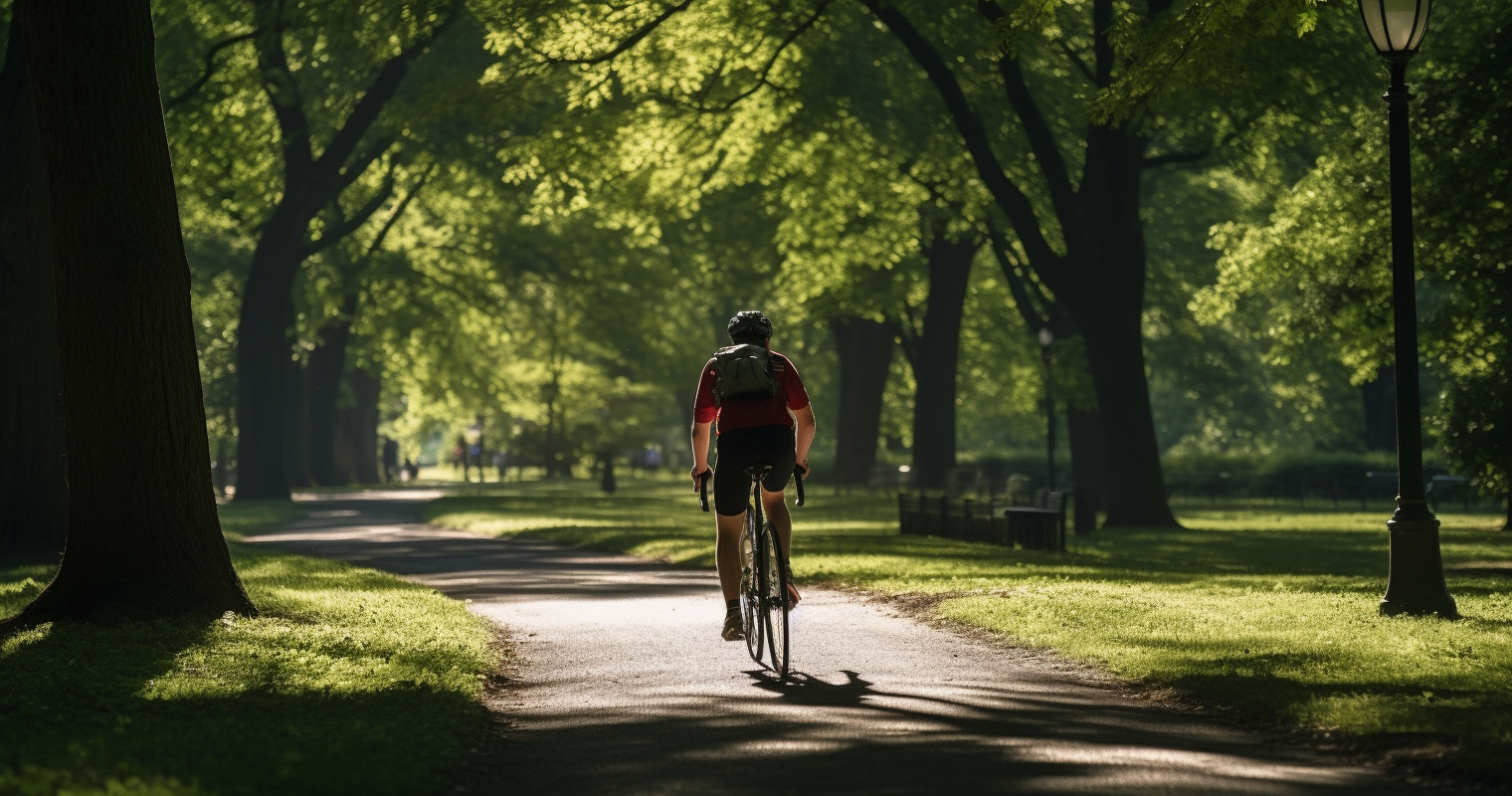
Cycling in Egypt exists in an intriguing but still peripheral space — relied upon daily by a modest segment of the population for short journeys, particularly in mid-sized cities such as Assiut and Port Said, while functioning primarily as a recreational or sporting pursuit in the country’s largest urban centres. Dedicated infrastructure is sparse and inconsistent, road conditions present real difficulties, and legislation protecting cyclists remains inadequate — though an ambitious new national strategy points towards meaningful progress on the horizon.
| Item | Details |
|---|---|
| Cycling modal share | Under 5% of the population cycle regularly (as of 2022) |
| Helmet law | No mandatory helmet law for cyclists under Egyptian Traffic Law No. 66 (1973) |
| Legal lighting requirement | White/yellow front light (10m range), red/orange rear light, and a bell required by law |
| Cairo Bike share cost | 1 Egyptian pound (~USD 0.02–0.05) per hour (as of 2022 launch) |
| National strategy | Egypt Active Mobility Strategy 2025–2034 launched February 2026 |
| Bike registration | No mandatory registration or insurance requirement for bicycles |
| Key road safety body | General Authority for Roads, Bridges and Land Transport (GARBLT) |
How popular is cycling in Egypt — is it a common way to get around?
The bicycle was once a familiar sight across Egypt, before the steady rise of cars and motorcycles pushed it to the margins of everyday transport. Today, cycling occupies an uneven and complicated position on Egyptian streets. Vendors, workers, and students do still pedal to their destinations — but fewer than 5% of Egypt’s population cycle on a regular basis. This places Egypt well behind nations where cycling is deeply embedded in daily life, such as the Netherlands or Denmark, where bikes account for more than a quarter of all journeys, and aligns it more closely with other large middle-income countries where the bicycle remains associated with particular social groups rather than the population at large.
Egypt’s dense, congested, and heavily polluted cities make the case for cycling as a practical alternative to motorised transport, and interest in this vision has been growing steadily, fuelled by an expanding network of cycling communities and groups that blend recreational activity with advocacy for cycling as a serious commuter mode. The differences between cities are striking: a bicycle count carried out by the advocacy organisation Tabdeel in 2020–2021 revealed that cycling uptake does not always correspond to the presence of physical infrastructure. Counting cyclists near Assiut’s train station, for example, yielded the highest hourly figures of any location surveyed across the country — far exceeding counts recorded in more populous locations such as downtown Cairo or Heliopolis — establishing Assiut as a genuine cycling city in its own right.
Among younger Egyptians in particular, there is a growing enthusiasm for cycling, expressed through the formation of clubs, the organisation of events, and the increasing visibility of cycling as both sport and lifestyle. Organisations such as Go Bike Egypt, established in 2011, and Tabdeel, which focuses on cycling urbanism and advocacy, have been instrumental in cultivating this community. The central government has also promoted an initiative aimed at expanding bicycle ownership under the slogan “a bicycle for every citizen.” Nevertheless, for the majority of people living in Egypt’s largest cities, cycling to work remains an aspiration rather than a practical daily reality.
What is the cycling infrastructure like in Egypt?
Egypt’s cycling infrastructure remains in an early stage of development, with dedicated cycle paths few in number — particularly across the major cities. In Cairo, the handful of cycling lanes that do exist are poorly connected with one another and are frequently obstructed by parked vehicles or street traders. Some paths have been laid along the banks of the Nile, but these tend to be poorly maintained and are heavily shared with pedestrians.
Despite many Egyptians travelling on foot or by bicycle, the built environment of most cities is firmly oriented around motorised traffic, with street design that offers little accommodation for non-motorised road users. Investment in cycling infrastructure remains limited within current urban planning frameworks, and the capacity of most local administrative bodies — the governorates — to plan meaningfully for cyclists lags behind the scale of the challenge.
Where cycling investment has taken place, it has come from a variety of sources: local governments, particularly in Egypt’s new planned cities; civil society organisations and international development partners, as seen in Shebin el-Kom, Fayoum city, and downtown Cairo; and private real estate developers, notably in El Gouna and the gated residential communities on Cairo’s suburban fringes. A planning regulation requiring dedicated cycle paths on roads where average daily bicycle traffic exceeds 500 is seldom enforced — researchers have recorded cyclist numbers on roads in Assiut, Sohag, Cairo, and Shebin that exceed this threshold, yet officials in October municipality have acknowledged that the rule is not applied in practice.
On the policy front, a significant step forward came with the government’s launch of the Egypt Active Mobility Strategy 2025–2034, a comprehensive national framework that seeks to transform urban mobility by placing people — not vehicles — at the centre of how Egyptian cities are designed and managed. Expats wishing to follow developments in planned routes and infrastructure investment should keep an eye on the Ministry of Transport and the General Authority for Roads, Bridges and Land Transport (GARBLT) for the latest updates.
Is cycling safe in Egypt?
The combination of dense traffic, poor air quality, and an almost complete absence of protected cycling lanes makes it genuinely rare to encounter cyclists on Cairo’s busiest streets — and when people do ride, conditions can be hazardous. Commuting by bike on a daily basis is difficult for many riders, who also face challenges in combining cycling with public transport, and who may encounter hostile attitudes from traffic officers, motorists, and parking facility operators alike. The ongoing expansion of wide urban roads and flyovers has made conditions more difficult still in certain parts of the city.
Egypt experiences approximately 12,000 road traffic fatalities annually, with many thousands more sustaining non-fatal injuries, some resulting in lasting disability. Granular data specifically tracking cyclist casualties is not published consistently; the most authoritative sources are the WHO’s Egypt road safety profile and reports from the General Authority for Roads, Bridges and Land Transport (GARBLT), which readers are encouraged to consult for up-to-date figures. Globally, pedestrians and cyclists account for more than a third of road traffic deaths in low- and middle-income countries, yet fewer than 35% of such countries have effective policies in place to protect these road users.
There is currently no mandatory helmet law for cyclists under Egypt’s existing traffic legislation. Cycling organisations and safety bodies strongly recommend wearing a helmet regardless, particularly for riding on urban roads. Critics of the Cairo Bike launch noted that the project paid insufficient attention to safety considerations, including the absence of dedicated cycling paths, cycle-specific traffic signals and signage, and the provision of protective headgear. Reflective or high-visibility clothing for riding in low light is also advisable as a sensible precaution, even in the absence of a legal requirement.
Conditions vary enormously by location. Riding in a planned resort town such as El Gouna on the Red Sea coast is a very different experience from navigating Cairo or Alexandria’s main thoroughfares. For newcomers, beginning with leisure routes, gated communities, or Egypt’s newer planned urban developments — where streets are more orderly — is the most sensible approach while adjusting to the local driving environment.
What are the rules of the road for cyclists in Egypt?
The principal legislation governing cyclists in Egypt is Traffic Law No. 66 of 1973 and its subsequent amendments, enforced by the traffic police under the Ministry of Interior. The law is considerably dated and fails to address many situations faced by modern cyclists, leaving a degree of legal ambiguity for everyday road users.
Under Traffic Law No. 66 of 1973, bicycles must be equipped with a white or yellow front light capable of illuminating at a range of 10 metres, a red or orange rear light, and a bell. The law also mandates at least one hand-operated brake, which means bicycles fitted only with a pedal brake — or those with no brake system at all, such as fixed-gear track bikes — are non-compliant. These are minimum legal requirements; while enforcement is inconsistent, failing to meet them could attract police attention.
Key rules cyclists should be aware of include:
- Lighting: Front and rear lights are a legal requirement — a white or yellow front light visible at 10 metres and a red or orange rear light.
- Brakes: A minimum of one hand-operated brake is required by law. Fixed-gear bicycles without a hand brake do not meet this requirement.
- Bell: A functioning bell is required under Egyptian traffic law.
- Helmets: No compulsory helmet law exists for cyclists — unlike in Australia, where helmet use is legally required for all ages. Wearing a helmet is nonetheless strongly advised.
- Alcohol: Egypt is a predominantly Muslim country. While alcohol is available in certain licensed venues, cycling or driving while intoxicated is prohibited under traffic and public order law.
- Pavements and pedestrian areas: The law does not clearly define where cyclists may ride in relation to pavements; in practice, cyclists should give way to pedestrians and avoid footpaths wherever possible.
- Age restrictions: No minimum cycling age is set out in traffic legislation, though children riding on roads should be supervised by an adult.
The broader legal environment for cyclists is vague and, in many respects, incomplete — producing inconsistency, uncertainty, and a lack of formal recognition of cyclists as legitimate road users with defined rights. Enforcement practices also differ significantly between governorates and local municipalities. For full and current legal requirements, consult the Egyptian Ministry of Transport or seek guidance from the traffic police directorate in your area of residence.
Do I need to register my bike or have insurance to cycle in Egypt?
There is currently no mandatory bicycle registration scheme in Egypt. Unlike motor vehicles, which must be registered with the traffic authority and carry compulsory third-party insurance, bicycles are classified as non-motorised transport and fall outside registration requirements under the current legal framework.
Equally, there is no legal obligation to hold third-party liability or personal accident insurance as a cyclist in Egypt. This contrasts with practice in some European countries — Germany, for example, where carrying personal liability cover is common among cyclists as a matter of habit — and reflects the fact that cycle insurance has not yet become part of Egyptian cycling culture. The practical consequence is that if you cause an accident or damage to property while cycling, you could face personal financial liability without any policy to cover costs.
For expats, particularly those cycling frequently or undertaking longer rides, it is worth checking whether your existing travel, home contents, or expat health insurance policy provides any cover for cycling accidents or bicycle theft. Specialist cycle insurance is offered by a number of international providers and may be a worthwhile addition to your cover. For the most current information on insurance products and regulatory requirements, consult the Financial Regulatory Authority (FRA) of Egypt, the body responsible for overseeing the insurance sector.
Are there public bike-sharing or rental schemes in Egypt?
The Cairo Bike project introduced Egypt’s first public bike-sharing system to the capital when it launched in October 2022, marking a meaningful step toward more sustainable urban mobility and offering an affordable, low-emission transport option for both residents and visitors.
The scheme was initiated by the Cairo Governorate in 2016 with backing from ITDP Africa, UN-Habitat, and the Swiss Drosos Foundation. Following a competitive tendering process, Rascom-Donkey — a consortium of Egyptian and Danish partners — was selected to operate the system, which has since attracted more than 25,000 users.
In its first phase, the Cairo Bike scheme spans an area exceeding six square kilometres across Downtown Cairo, El-Sayeda Zainab, Garden City, and Al Attaba. The network consists of 250 bicycles distributed across 26 stations, each solar-powered and equipped with surveillance cameras. Users access bikes through a mobile application at a cost of 1 Egyptian pound per hour, with payment accepted by credit card and prepaid card. As the Egyptian pound’s value fluctuates, riders should check the current exchange rate for context; at the time of the 2022 launch, 1 EGP was equivalent to approximately USD 0.05. A second phase is planned that would expand the network to 500 bicycles and 45 stations.
In Fayoum governorate, roughly 100 kilometres from Cairo, a pilot programme established 14 kilometres of dedicated cycling lanes, offered student loans to support bicycle purchases, and trialled a bike-sharing arrangement for university students. Broadly accessible and subsidised bike-sharing remains rare in lower-middle-income contexts such as Egypt, where schemes are frequently regarded as financially prohibitive and difficult to integrate with existing infrastructure.
In tourist-oriented areas, particularly the resort town of El Gouna on the Red Sea, bicycle rental is available through hotels and independent operators. For current details on the Cairo Bike scheme, including station locations and pricing, visit the Cairo Governorate’s official website or enquire at any Cairo Bike station.
Where can I buy or service a bike in Egypt?
The availability of good-quality, reasonably priced bicycles has been improving across Egypt, with the greatest concentration of shops found in Cairo and Alexandria, and a smaller number of outlets in cities including Giza, Luxor, and Aswan. Certain parts of Cairo — notably Heliopolis and Maadi — have clusters of cycling retailers in close proximity, making it straightforward to browse and compare options in a single outing.
The market spans a broad range, from low-cost locally assembled utility bikes designed for flat urban terrain to mid-range imported road and mountain bikes. International brands are stocked in specialist shops, though the depth of selection and the availability of high-end components may be narrower than what expats are used to in Western European cycling markets. Second-hand bicycles are plentiful and represent good value; they can be found through shops, cycling community networks, and online classified listings.
Repair services are generally accessible and reasonably priced in urban centres, with most mechanics well-equipped to handle standard maintenance tasks. For specialist work or specific spare parts for premium bicycles, you may need to seek out one of the larger dedicated cycling retailers. Consumer protection frameworks and formal warranty practices are less robust than in countries with stronger retail regulation — as a practical matter, it is wise to test any bicycle thoroughly before completing a purchase and to clarify the terms of any repairs or returns directly with the seller, rather than relying on statutory protections. Cycling community organisations such as Go Bike Egypt are an excellent source of shop recommendations and mechanic referrals for those newly arrived in the country.
Can I bring my bike when I move to Egypt, and are there any import rules?
Relocating to Egypt with a bicycle is generally straightforward in principle, but the process is governed by customs procedures administered by the Egyptian Customs Authority, operating under the Ministry of Finance. The rules that apply will depend on your residency status, the nature of your move, and how you choose to declare the bicycle — whether as part of a personal effects shipment or separately.
Bicycles are treated as consumer goods and may be subject to import duties when brought into Egypt. Under Egyptian customs rules, individuals genuinely relocating to the country may qualify for an exemption or reduced duty on personal and household belongings — including recreational items such as bicycles — when these form part of a legitimate relocation, provided conditions are met, including evidence of residency and confirmation that the goods are for personal use only. However, specific duty rates, eligibility criteria, and documentation requirements are subject to change, and you should verify the current position on the official website before arranging shipment.
As a general guide for planning, you should be prepared to supply documents such as a valid residency permit or visa, an itemised goods inventory, proof of prior residence abroad, and evidence that the items were in your possession before the move. Carrying a bicycle as checked baggage or hand luggage on a commercial flight is another option for single items and may sidestep customs complications, though airline fees and packaging rules will apply.
For definitive and up-to-date guidance, consult the Egyptian Customs Authority’s official website and consider engaging a licensed customs agent — known locally as a “mukhallas” — to guide you through the process and ensure compliance. International relocation companies with established experience in Egypt can also manage customs clearance on your behalf and are a practical resource for navigating the paperwork.
What are the best cycling routes or destinations in Egypt?
Egypt holds considerable potential for cycling tourism, combining extraordinary historical heritage with varied and dramatic landscapes. For expats keen to explore the country on two wheels, the options range from long-distance Nile-valley touring to coastal resort paths and ancient oasis trails.
Luxor to Aswan (Upper Egypt): Widely regarded as one of the most rewarding long-distance cycling journeys in the country, this route through Upper Egypt offers an experience that is as culturally rich as it is physically accessible. Ancient temples, royal tombs, and traditional riverside villages line the way, and the route follows well-surfaced highways through regions with adequate services. The culture encountered away from the main tourist centres is characteristically warm and welcoming, and the cycling itself is manageable for most touring riders. This journey is well-regarded internationally among long-distance cyclists.
El Gouna (Red Sea Coast): This purpose-built resort town has invested meaningfully in cycling and pedestrian infrastructure, making it one of the most genuinely cycle-friendly environments in Egypt. El Gouna’s planned layout caters explicitly to non-motorised movement and is a popular base for expats living in or visiting the Red Sea region who want to cycle with relative ease and safety.
Fayoum Oasis: Situated roughly 100 kilometres south-west of Cairo, the Fayoum region offers flat cycling terrain set against a backdrop of archaeological sites, natural lakes, and quiet country roads. The governorate has benefited from 14 kilometres of dedicated cycling lanes installed as part of a pilot project, making it one of the more cycling-aware areas anywhere outside the capital.
Downtown Cairo and the Nile Corniche: For those based in the city, the Nile Corniche and sections of central Cairo serve as informal cycling corridors, particularly on Friday and Saturday mornings when traffic levels drop significantly. Organised group rides led by clubs including Go Bike Egypt and Tabdeel make regular use of these routes and offer newcomers a safer and more sociable introduction to cycling in Cairo.
Sinai and the Desert: The Sinai Peninsula and the Western Desert present dramatic possibilities for adventure cyclists and long-distance tourers, though both require careful planning, solid navigation skills, and good local knowledge. Some areas are subject to permit requirements, so check with the relevant governorate authority and the Egyptian Tourism Authority before heading out. The Egyptian Cycling Federation is the national body to consult for route planning resources and event listings.
How do I apply to cycle safely in Egypt — a step-by-step guide for new arrivals
- Research your area: Before venturing onto public roads, take time to understand the cycling landscape in your specific city or neighbourhood. Establish whether dedicated lanes, quieter back routes, or organised group rides exist nearby. Conditions differ substantially between Cairo, Alexandria, smaller cities such as Assiut, and resort environments.
- Source your bike: Head to specialist cycle shops in Cairo — particularly in Maadi or Heliopolis — or in other major cities, to buy new or second-hand. Community groups and online classified platforms are also worth checking for used options. Ride the bicycle before committing to a purchase and confirm any repair or return arrangements with the seller.
- Equip your bike legally: Fit your bicycle with a white or yellow front light visible at 10 metres, a red or orange rear light, at least one hand-operated brake, and a bell — all of which are compulsory under Egyptian Traffic Law No. 66 of 1973.
- Wear protective gear: Even though helmets are not a legal requirement, wear one whenever you ride on public roads. High-visibility clothing is strongly advisable for early morning or evening riding. Clothing that covers arms and legs is also culturally appropriate and practically useful.
- Plan your route: Draw on community resources such as Go Bike Egypt or Tabdeel to find safer routes and participate in organised group rides. Avoid major arterial roads at peak hours. If you are based in central Cairo, familiarise yourself with the locations of Cairo Bike scheme stations.
- Check your insurance: Review your existing travel, expat health, or home contents insurance to determine whether cycling incidents or bicycle theft are covered. If not, consider taking out specialist international cycle insurance.
- Connect with the community: Make contact with local cycling groups and clubs. They offer group rides, first-hand safety knowledge, route suggestions, and links to advocacy networks — all of which are invaluable for anyone settling into life as a cyclist in Egypt.
Frequently asked questions about cycling in Egypt
Is cycling a realistic option for commuting to work in Egypt?
In most of Egypt’s larger cities, using a bicycle as a daily commuter vehicle is challenging, owing to heavy motor traffic, sparse dedicated infrastructure, and poor air quality. The situation is more manageable in smaller cities like Assiut and Port Said, where cycling plays a more established role in everyday life, or in purpose-built environments and resort towns such as El Gouna. For most expats living in Cairo or Alexandria, cycling tends to be more practical as a leisure or recreational pursuit, or for shorter journeys on quieter roads away from main thoroughfares.
Do I legally need to wear a helmet when cycling in Egypt?
No. Egyptian traffic legislation does not include a compulsory helmet requirement for cyclists — a situation that differs markedly from countries such as Australia and New Zealand, where helmet use is legally mandated. Despite the absence of a legal obligation, wearing a helmet is strongly recommended for all road cycling in Egypt, given the demanding traffic environment and the limited provision of cycle-specific infrastructure.
What lighting do I need on my bike by law?
Egyptian Traffic Law No. 66 of 1973 requires cyclists to carry a white or yellow front light with a minimum illumination range of 10 metres, a red or orange rear light, and a working bell. At least one hand-operated brake is also required. Bicycles fitted solely with a pedal brake, or fixed-gear bikes without a hand brake, do not comply with the law.
Is the Cairo Bike scheme useful for expats on a daily basis?
Launched in October 2022, the Cairo Bike scheme operates across Downtown Cairo, Garden City, El-Sayeda Zainab, and Al Attaba, with 250 bicycles spread across 26 solar-powered stations. Accessible via a mobile app at 1 Egyptian pound per hour, it is a convenient and affordable option for short journeys within the city centre. That said, its geographic coverage is restricted to a small central zone, and the absence of a continuous network of safe cycling lanes limits its usefulness for anything beyond occasional short trips.
Are there cycling groups or clubs I can join as an expat?
Yes. Egypt has a lively cycling community, centred primarily on Cairo. Go Bike Egypt, founded in 2011, organises regular rides, community events, and culturally themed cycling tours. Tabdeel — the Centre for Cycling Urbanism — both advocates for better infrastructure and maintains an engaged cycling community. Women-focused groups such as the Geckos Riders are also active. Joining one of these organisations is an excellent way to ride more safely, build connections, and gain practical insight into local conditions.
Can I bring my bicycle to Egypt when I relocate?
Yes, though the process is subject to Egyptian customs regulations. People relocating to Egypt may qualify for a duty exemption on personal effects, which can include recreational equipment such as bicycles, provided they meet conditions around proof of residency and personal use. Because duty rates and documentation requirements change periodically, consult the Egyptian Customs Authority’s official website before shipping, and consider working with a licensed customs agent to ensure the process goes smoothly.
Where are the safest places to cycle in Egypt?
The most cycle-friendly environments in Egypt are generally purpose-built or resort areas. El Gouna on the Red Sea coast has dedicated cycling infrastructure integrated into its planned design. Newer urban developments on Cairo’s outskirts, certain gated residential communities, and the Fayoum region — which has benefited from dedicated lanes under a pilot project — are also relatively accessible for cyclists. For longer-distance riding, the Luxor–Aswan route through Upper Egypt is a popular and well-regarded choice, following mostly well-maintained highways through areas with adequate amenities.
Is there a national cycling federation or body I can contact for official information?
Yes. The Egyptian Cycling Federation is the national governing body for the sport and is a useful point of contact for competitive cyclists and those seeking information on events or official routes. For matters relating to infrastructure and active mobility policy, Tabdeel (Centre for Cycling Urbanism) and the Ministry of Transport are the most relevant institutional contacts. The Egypt Active Mobility Strategy 2025–2034, launched in February 2026, sets out the government’s intentions for expanding and improving cycling infrastructure over the coming decade.