

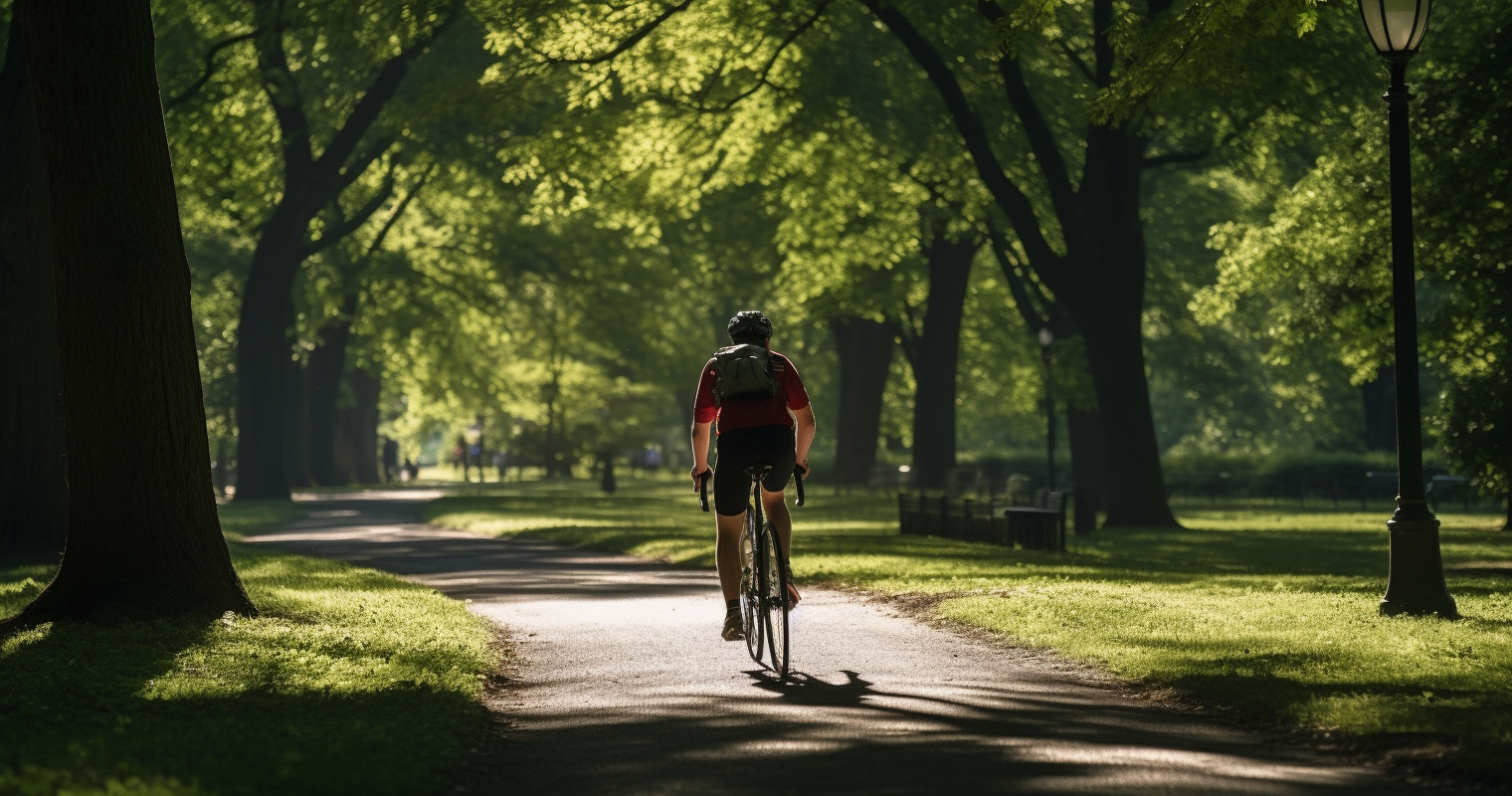
Estonia offers genuinely rich rewards for cyclists of all kinds. The country’s predominantly flat landscape, relatively quiet roads beyond the main urban centres, and steadily improving cycling facilities make it a sensible choice for everyday commuting and weekend leisure alike. Cycling hasn’t yet taken root as deeply here as it has in the Netherlands or Denmark, but the trend is clearly upward — and Estonia’s breathtaking coastal stretches, island loops, and national park trails give it a strong claim as one of northern Europe’s most appealing cycling destinations.
| Item | Details |
|---|---|
| Helmet requirement (adults) | Not legally required for adults; mandatory for under-16s (as of 2025) |
| Minimum cycling age on roads | 10 years old (with a cycling licence required up to age 15) |
| Tallinn bike-share (Rekola) | €1.25 per 30 minutes or €9/month unlimited (as of 2024) |
| Tartu Smart Bike scheme | ~750 e-bikes at 100 rental stations; daily, weekly, and annual tickets (as of 2024) |
| Cycling season | May to September (best weather and trail access) |
| Bike import for new residents | Bicycles as personal effects generally exempt from customs duty within the EU; check the Estonian Tax and Customs Board for current rules |
How popular is cycling in Estonia — is it a common way to get around?
Cycling in Estonia sits in an interesting position: considerably more visible and socially accepted than in many former Soviet states, yet far from matching the modal share achieved by cycling heavyweights like the Netherlands or Denmark, where bicycles account for a quarter to a third of all journeys. In the country’s main urban centres — Tallinn and Tartu in particular — cycling for commuting and day-to-day errands is gaining ground, and infrastructure investment is being made on a consistent basis.
Tallinn’s compact scale makes it navigable by bike, and while the bicycle has not yet become the default form of urban transport, the city’s network of cycle paths is being extended and refined with each passing year. This pattern echoes the gradual shift that took place in medium-sized German and Belgian cities during the early 2000s: cycling is genuinely taken seriously as a mode of transport, but car culture continues to dominate in many suburban and rural areas.
Beyond commuting, cycling enjoys strong popularity as a leisure and competitive pursuit. Estonia hosts several major cycling events — the Tartu Rattaralli, often described as eastern Europe’s largest cycling event, draws significant numbers of participants including a remarkably high proportion of children, while the Mulgi cycling marathon winds through southern Estonia each year. This thriving sporting and recreational scene sustains a healthy network of bike shops, maintenance services, and marked routes that everyday riders can also benefit from.
The cycling season in Estonia generally runs from May through to September, when weather conditions are most favourable, daylight hours are longest, and the widest range of trails and services are accessible. Each part of this window offers its own atmosphere. Winter cycling is possible but demanding — temperatures regularly drop below zero from November through March, and icy roads present a real challenge.
What is the cycling infrastructure like in Estonia?
Estonia’s flat topography and well-maintained cycling facilities make it accessible even for beginners or those who favour a gentle pace. The quality of infrastructure, however, differs markedly between city and countryside. Tallinn and Tartu have the most developed networks, encompassing dedicated cycle lanes, shared pedestrian and cyclist paths, and signposted urban routes. In smaller towns and across rural areas, cyclists rely more on quiet country roads than purpose-built infrastructure.
Estonia’s investment in cycling tourism is evident in the quality of its signage, the provision of dedicated cycle paths, and the availability of cyclist-friendly accommodation across the country. The national cycling route network links major cities and regions, and feeds into the wider European EuroVelo framework. EuroVelo 11, for instance, follows National Cycling Route 1 from Tallinn along the northern coast as far as Rakvere, then turns southward along Route 4 to Tartu, and continues via Route 3 to the Latvian border at Varga.
The islands and southern Estonia are particularly well regarded for their smooth gravel surfaces, while Kõrvemaa and Haanja present more technically demanding riding. Estonia’s modest size and quality of infrastructure lend themselves naturally to multi-day touring without the stress of heavy traffic. On busy intercity corridors such as the Tallinn–Narva highway, however, dedicated cycling provision is limited and riders should exercise heightened caution.
The national authority overseeing roads and transport planning is the Estonian Transport Administration (Transpordiamet). For route planning purposes, the Visit Estonia cycling guide provides an interactive map alongside current route information. New arrivals should also keep an eye on local municipal transport authority websites — particularly those of Tallinn and Tartu — for the latest developments in urban cycling infrastructure.
The cobblestone streets running through Tallinn’s historic Old Town make cycling there genuinely awkward, and most visitors find it more practical to lock their bike and continue on foot. This is worth bearing in mind for expats settling in the historic city centre — the most comfortable cycling tends to be in newer residential districts and along the coastal paths that edge the waterfront.
Is cycling safe in Estonia?
Road safety for cyclists in Estonia is broadly in line with that of other northern European countries, though it does not yet reach the standards of the safest cycling nations. Driver awareness of cyclists is improving — particularly in cities — but rural roads and major arterial routes can be less accommodating. Estonia’s flat terrain is a genuine advantage, and avoiding the main traffic arteries typically means riding on quiet roads with very little passing traffic, which is reassuring for anyone planning a more peaceful route.
The principal road safety authority is the Estonian Transport Administration, which publishes annual road safety data. It is strongly advisable to consult their most recent figures before drawing firm conclusions, as statistics shift from year to year. Night riding and cycling in autumn and winter bring heightened risk owing to reduced visibility and deteriorating road surfaces — front and rear lights are a legal requirement in these conditions (see the rules section below).
Reflective clothing is highly advisable in low-light conditions, especially in rural areas where roadside lighting is sparse or absent. Bike theft is a concern in urban environments; a robust lock is a wise investment for anyone leaving a bicycle unattended in Tallinn or Tartu.
On the subject of helmets: Estonia is among the thirteen countries that have made helmet use compulsory for young riders, with the requirement covering cyclists up to the age of 16. Adult cyclists face no legal obligation to wear a helmet, though doing so is strongly encouraged — particularly when riding on roads or in traffic. This places Estonia in line with the majority of mainland European countries, in contrast to nations like Australia and New Zealand, where helmet laws apply to all ages.
What are the rules of the road for cyclists in Estonia?
Cycling in Estonia is regulated by the Road Traffic Act (Liiklusseadus), which is published in English on the official Riigi Teataja (State Gazette) website. This is the authoritative source for current legal requirements and should be consulted directly for the full and up-to-date rules.
Key legal requirements for cyclists include:
- Helmets: Helmet use is compulsory for cyclists aged 16 and under in Estonia. There is no legal requirement for adults, though wearing one is strongly recommended.
- Age and licensing: The Road Traffic Act permits cycling on roads and streets from the age of 10, on condition that the cyclist has knowledge of traffic rules and holds a cycling licence. A cyclist’s driving licence is required for all riders aged between 10 and 15 who use public roads.
- Lighting: Front and rear lights must be used when cycling in conditions of reduced visibility — including darkness, fog, and heavy rain. The Road Traffic Act sets out the specific technical requirements for lighting equipment under Section 11.
- Alcohol: Cyclists are subject to alcohol limits under Estonian law in the same way as motor vehicle drivers. The permissible blood alcohol level mirrors that applying to drivers — consult the current Road Traffic Act for the precise threshold, as legislation is subject to amendment.
- Pavements and pedestrian areas: A cyclist crossing a carriageway at a crossing must not endanger pedestrians who are also crossing. Where a shared path for pedestrians and cyclists is signposted, cyclists must give way to those on foot.
- Road position: Cyclists are required to use cycle paths where they exist. On the road itself, riders should keep as far to the right as is reasonably safe and practical.
- High-visibility clothing: The Road Traffic Act includes provisions concerning high-visibility warning clothing, safety waistcoats, and reflectors for cyclists. While enforcement in urban areas tends to be relaxed, wearing a hi-vis garment outside built-up areas is strongly advisable.
Individual municipalities may also have local bylaws governing where cycling is permitted, particularly in pedestrianised zones. Always observe local signage, and refer to the Estonian Transport Administration or the official Riigi Teataja for any updates to the national framework.
Do I need to register my bike or have insurance to cycle in Estonia?
Estonia operates no mandatory registration system for bicycles. Unlike motor vehicles, which must be registered with the Estonian Transport Administration, bicycles are classified as personal property and require no official registration plate or certificate in order to be ridden legally on public roads or cycle paths.
Third-party liability insurance is not a legal requirement for cyclists in Estonia. This contrasts with the approach taken in some other countries — certain German regions, for example, strongly encourage or in practice require liability cover for cyclists as part of a household contents policy. In Estonia, while not obligatory, taking out personal liability insurance as a component of a home insurance policy is widely considered sensible, particularly for urban cyclists where the chances of an incident involving pedestrians or parked vehicles are greater.
For expats, it is worth reviewing your existing home contents or renter’s insurance policy — which you may already hold — to check whether it includes personal liability cover for cycling. If it does not, standalone personal liability policies are available from major Estonian insurers including If Insurance, ERGO, and LHV. Check current premium levels directly with providers, as these are revised regularly.
While no formal national scheme for voluntary bike registration exists, keeping a record of your bicycle’s frame number and retaining photographic evidence is strongly advisable — police and insurers are likely to request these details should your bike be stolen.
Are there public bike-sharing or rental schemes in Estonia?
Estonia offers a growing range of bike-sharing and rental options, particularly in its two principal cities. These are especially useful for newly arrived expats who have not yet acquired their own bicycle, or for those who want to try out different bike types before making a purchase.
Tallinn — Rekola Bikesharing: In August 2024, Czech company Rekola Bikesharing launched a new rental service in Tallinn, bringing 200 individually named bicycles to the city’s streets. These distinctive pink bikes are accessible around the clock at more than 180 designated parking locations, offering residents and visitors an affordable means of getting around. Each bike is a three-speed mechanical model fitted with a practical front basket. Rental is priced at €1.25 per 30 minutes or €9 per month for unlimited use (as of 2024). Access is via the Rekola Bikesharing app, downloadable from both the App Store and Google Play.
Tallinn — Bolt: Bolt’s electric bikes and e-scooters are widely used in Tallinn for short urban journeys and represent a convenient option for those without their own bicycle. Check the Bolt app for current pricing, which is adjusted dynamically.
Tartu — Tartu Smart Bike: Tartu operates an official bike rental network called Tartu Smart Bike, with approximately 750 bicycles available across 100 rental stations throughout the city. Daily, weekly, and annual tickets are available, and the electric bikes are integrated with the wider public transport system. This connection to other forms of transit is particularly valuable for commuters combining cycling with bus or train travel — a model similar to integrated transport passes found in cities like Vienna or Amsterdam. Visit the Tartu City bike-share page for current ticket prices.
Rental shops: For longer stays or touring, specialist rental outlets operate across Estonia. City Bike provides bicycle hire in Tallinn as an accessible and environmentally friendly way to explore the city. A notable feature of City Bike’s service is a one-way rental option: you can hire a bike in Tallinn, ride it to another destination, and leave it there for a courier to collect — available destinations include Kuressaare, Pärnu, Haapsalu, Narva, Tartu, and even Riga or Vilnius.
Where can I buy or service a bike in Estonia?
Purchasing a good-quality bicycle in Estonia is reasonably straightforward, at least in the larger population centres. Both Tallinn and Tartu have well-stocked specialist cycle retailers offering new bikes across a broad price spectrum — from affordable urban commuters to high-end road and mountain bikes. Major international brands are stocked, and the retail market is broadly comparable to what you would encounter in a mid-sized western European city.
For second-hand bikes, the popular Estonian classifieds platform Osta.ee and Facebook Marketplace are widely used. Prices vary considerably; a functional second-hand city bike can generally be found for €50–€200, while quality used road or mountain bikes command significantly higher prices. As with any second-hand purchase, it is worth checking the frame number against theft databases where possible.
Bike repair and servicing is available in both Tallinn and Tartu, with a reasonable selection of independent workshops and branded retailers offering maintenance. In smaller towns and rural areas, specialist repair facilities are thinner on the ground, so expats based outside the major cities may need to travel or develop a degree of self-sufficiency. Carrying a decent repair kit — puncture tools, a portable pump, and a set of allen keys — is particularly advisable if you plan to ride in more remote locations.
Consumer rights for new bicycle purchases in Estonia are governed by national law aligned with EU consumer rights directives. New goods carry a two-year statutory warranty covering manufacturing defects — consistent with the protections in place across EU member states. Retain your purchase receipt and any warranty documentation in a secure location.
Can I bring my bike when I move to Estonia, and are there any import rules?
For most people relocating to Estonia, bringing a bicycle as part of personal effects will be uncomplicated, though the applicable rules depend on your country of origin.
- Moving from within the EU: If you are relocating from another EU member state, no customs duties or import taxes apply to personal belongings, including bicycles. Estonia is a full EU member, so the free movement of goods within the single market applies without restriction. You simply bring your bike with you.
- Moving from outside the EU: If you are relocating from a non-EU country — such as the UK (post-Brexit), the US, Canada, or Australia — your bicycle may be subject to customs duty and VAT unless it qualifies for relief as a personal effect. The EU’s “transfer of residence” relief allows individuals moving their habitual residence to Estonia to import personal belongings, including equipment, free of customs duty, subject to certain conditions. A bicycle would ordinarily qualify as a personal effect.
- Conditions for relief: To claim transfer of residence relief, you will generally need to demonstrate that you have been living outside the EU for at least 12 months, that the items concerned have been in your possession for at least 6 months prior to the move, and that you intend to take up permanent residence in Estonia. Documentation evidencing your previous residence — such as a tenancy agreement or utility bills — will be required.
- Declaring your bicycle: Even where no duty is payable, a customs declaration may still be required upon arrival from outside the EU. Failure to declare goods can result in financial penalties.
- Shipping a bike: If you are shipping your bicycle separately rather than carrying it with you, ensure it is properly packed and insured for transit. Use a reputable international freight or removal company with experience in EU import procedures.
The definitive authority on import rules is the Estonian Tax and Customs Board (Maksu- ja Tolliamet). Consult their website for current thresholds, documentation requirements, and any changes to relief conditions before your move. Rules and thresholds are subject to change, and the information above should be treated as general guidance only (as of 2025).
What are the best cycling routes or destinations in Estonia?
Estonia more than holds its own as a cycling destination relative to its size. The country is compact enough to explore comprehensively by bike, and within just a couple of days a rider can experience hilly southern roads, a dawn over open bogs, historic and cultural sites in central Estonia and Tallinn, dramatic views of the Baltic Sea from the rocky northern cliffs, and the wild, traffic-free islands that many cyclists rate as the highlight of any Estonian tour.
EuroVelo 10 (Baltic Sea Cycle Route): Rated among Europe’s most spectacular long-distance cycling routes, EuroVelo 10 traces Estonia’s extensive coastline for 981 kilometres. Beginning in the south, it passes through Pärnu, continues via the larger islands, reaches Tallinn, and then winds through Lahemaa National Park before ending at the Russian border. Most cycle travellers in Estonia follow the EuroVelo 10 and 13 routes — which overlap substantially through the country — and these take riders to some of the most striking stretches of the Estonian coast and the islands of Saaremaa and Hiiumaa.
EuroVelo 11: Starting or finishing at Valga, EuroVelo 11 passes through Otepää and Tartu before heading north through Rakvere and then following Estonia’s northern shoreline westward to Tallinn. Highlights along this corridor include the lively university city of Tartu, Karula National Park, and the attractive Otepää Highlands, which also offer plentiful off-road trails.
The Estonian Islands (Saaremaa and Hiiumaa): Sparsely populated and largely unhurried, Estonia’s islands are known for their wind-swept sandy beaches, rocky outcrops, and sites of historical significance. For cyclists seeking solitude and wide open spaces, these islands are outstanding — it is possible to cover dozens of kilometres of coastal trails without encountering another person.
Lahemaa National Park: Stretching along the northern coast, Lahemaa National Park combines beautiful shoreline riding with dense forest tracks and visits to well-preserved historic manor houses. It is one of the most popular destinations for both day trips and multi-day cycling from Tallinn.
South Estonia: While most of Estonia suits cycling well, the south has a particular character of its own: rolling hills and valleys, shimmering lakes, and rich woodland. The landscapes here offer a fuller picture of what Estonia has to offer, and the roads are often almost entirely free of traffic.
Tallinn urban rides: The Tallinn–Viimsi route heads east from the city centre through the Kadriorg district to the Pirita Promenade, with stops at Kadriorg Park, the Russalka Memorial, the Estonian History Museum at Maarjamäe Palace, and the Open Air Museum in Viimsi. The one-way distance is 20 kilometres.
For comprehensive route planning, the Visit Estonia cycling guide is the best starting point, while the EuroVelo Estonia page provides detailed information on long-distance routes. Estonia’s Cyclist Welcome programme certifies accommodation businesses that meet a defined standard for touring cyclists, including secure bike storage, a foot pump and basic tools, a charging point, and local route information.
Frequently asked questions about cycling in Estonia
Do I legally have to wear a helmet when cycling in Estonia?
Helmet use is compulsory for cyclists aged 16 and under in Estonia. Adults face no legal obligation to wear one, though it is strongly encouraged — particularly when riding on roads, in traffic, or outside urban areas. This is less restrictive than countries such as Australia and New Zealand, where all-age helmet laws are in force, but consistent with the approach taken across most of mainland Europe.
Can I cycle in Tallinn’s Old Town?
The uneven cobblestone surfaces that characterise Old Town make cycling there impractical for most riders. Secure bike parking is available on the periphery, allowing you to continue your exploration on foot. While cycling may technically be permitted on some streets, the rough terrain makes it uncomfortable and potentially unsafe. The adjacent neighbourhoods of Kalamaja, Kadriorg, and Telliskivi are far more cycle-friendly.
Is there a good bike-sharing scheme in Tallinn?
Rekola Bikesharing launched in Tallinn in August 2024, placing 200 bicycles at more than 180 designated locations across the city for round-the-clock access. Rental is priced at €1.25 per 30 minutes or €9 per month for unlimited use (as of 2024). Bolt’s electric bikes are also available via app for shorter urban trips.
What lights do I need on my bike in Estonia?
Estonian law requires front and rear lights to be in use whenever visibility is reduced — after dark, in fog, or during heavy rain. The specific technical requirements are set out in the Road Traffic Act, which is available in English on the Riigi Teataja website. Reflectors on the wheels and at the rear of the bike are also a legal requirement.
Can children cycle on public roads in Estonia?
The Road Traffic Act permits cycling on roads and streets from the age of 10, provided the child has an understanding of traffic rules and holds a cycling licence. This licence is required for all riders between the ages of 10 and 15 who use public roads. Children under 10 may ride on pavements and dedicated paths under adult supervision.
Is cycling a practical option for commuting to work in Estonia?
In Tallinn and Tartu, cycling to work is a realistic option for many journeys, particularly between May and September. Traffic volumes across Estonia are relatively low even on main country roads, making cycling viable across much of the country. Winter conditions — ice, snow, and short daylight hours — pose a real challenge, though some dedicated commuters ride year-round with appropriate tyres and clothing. Unlike some countries, Estonia does not currently operate a tax incentive scheme equivalent to the UK’s Cycle to Work scheme, but it is worth enquiring with your employer about any workplace cycling benefits on offer.
Do I need to register my bike in Estonia?
No. There is no mandatory bicycle registration scheme in Estonia. Bikes are treated as personal property and require no formal registration. It is, however, strongly advisable to record your frame number and keep photographs of your bike — police and insurers may ask for these details in the event of theft.
Where can I find official cycling route maps for Estonia?
The Visit Estonia cycling guide is the primary official resource, offering an interactive map covering national cycling routes and touring information. The EuroVelo website covers the long-distance international routes passing through the country. For urban cycling maps, the Tallinn and Tartu municipal websites publish local cycling infrastructure information, which is updated as new routes are developed.