

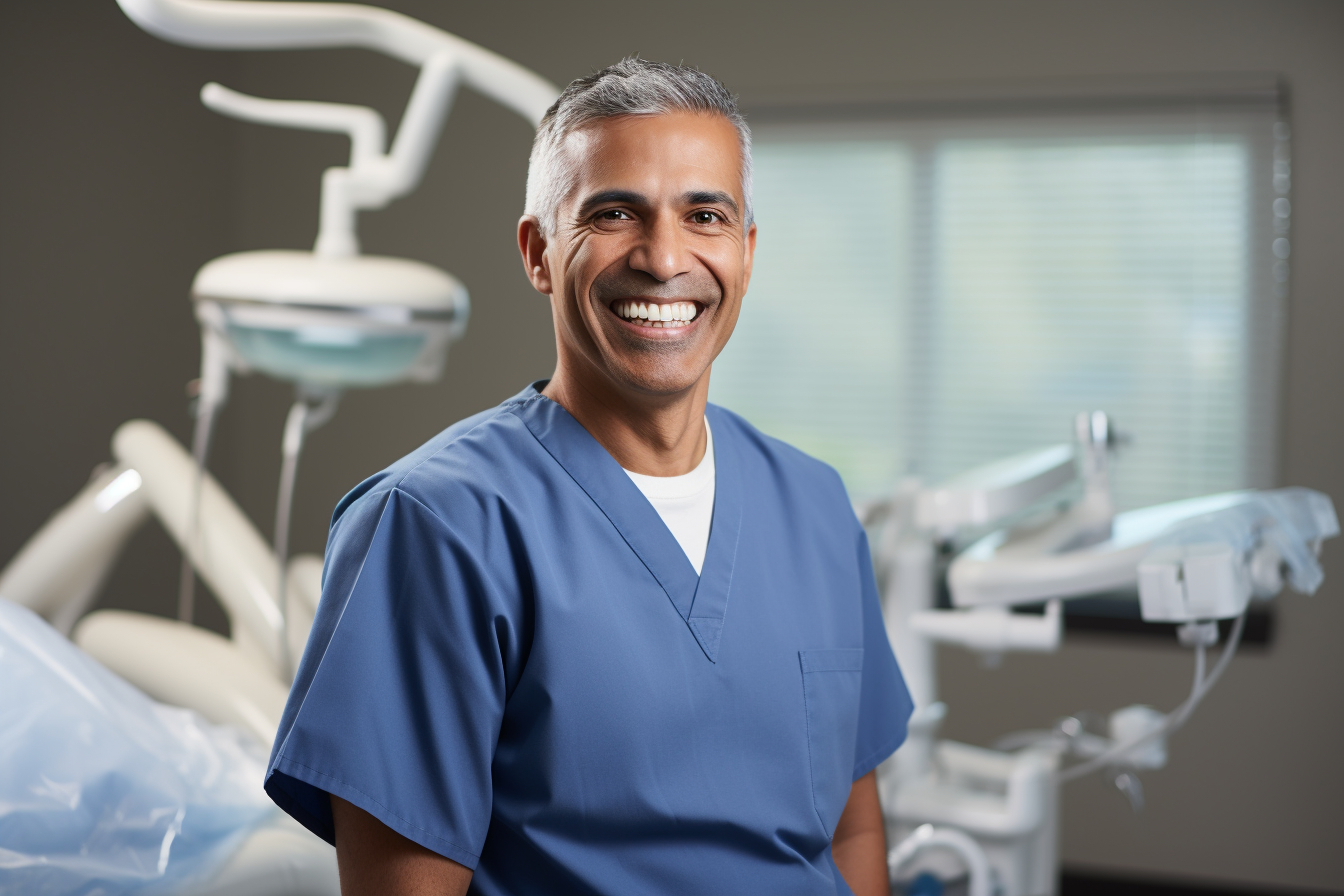
Cuba operates a fully nationalised healthcare system, and dental care is no exception — private dental clinics are not permitted under Cuban law. While Cuban nationals access dental services through the public system at no cost, foreign residents and visitors are typically channelled into a separate network of international clinics, and must carry valid health insurance as a mandatory condition of entry. Treatment costs for expats are billed in hard currency but remain considerably lower than equivalent care in most other countries, though the quality of facilities and the availability of supplies can differ considerably depending on where you seek care.
| Item | Details |
|---|---|
| System type | Fully state-run; no private dental clinics permitted by law |
| Expat access to public system | Generally not available; expats are directed to international (Servimed) clinics |
| Health insurance requirement | Mandatory for all foreign visitors and residents entering Cuba |
| Typical check-up cost (international clinic, as of 2024) | Approx. USD 45 — verify current fees directly with clinics |
| Typical implant cost (international clinic, as of 2024) | Approx. USD 750 (implant) + USD 300–350 (crown), Havana only — verify current fees |
| Key international clinic for expats | Clínica Cira García, Miramar, Havana |
| Local insurance provider | ASISTUR S.A. (state insurer for international visitors) |
How does the dental care system work in Cuba — is it public, private, or mixed?
The Cuban government holds complete authority over the country’s national health system, bearing full financial and administrative responsibility for all healthcare services. Every hospital and clinic on the island is government-operated, and all care is provided free of charge to Cuban residents. This sets Cuba apart from the vast majority of countries worldwide: whereas nations such as France, Germany, and Australia all allow private dental practices to function alongside publicly funded services, Cuba permits no such parallel private sector.
Although preventive care, diagnostics, and medications for hospitalised patients are provided at no cost, patients may still face charges for certain procedures — dental treatment and hearing-related services among them. In practice, Cuban nationals can expect heavily subsidised costs for such procedures, whereas expats pay substantially more at the international facilities designated for their use.
The Cuban health system is organised into three levels: primary community-based care, secondary regional hospitals, and tertiary specialised national hospitals. At the foundational level, Consultorios operate on a family doctor and nurse model, resolving the vast majority — around 80% — of all health matters. Dental services in Cuba fall under the discipline of stomatology and are embedded within this tiered structure, with routine dental care delivered at polyclinic level and complex or specialist treatment available at dedicated centres.
For foreigners, Cuba maintains a parallel healthcare network called Servimed, which operates entirely independently of the system serving Cuban nationals. With more than 40 specialist Servimed centres distributed across the country, this network offers a comprehensive range of services including specialist and high-technology care. Expats requiring dental treatment should plan to use Servimed facilities rather than local public polyclinics.
How do expats find and register with a dentist in Cuba?
The most well-known option for expats seeking dental care in Cuba is Clínica Cira García (formally the Clinica Central Cira Garcia), a trailblazer in Cuban medicine that offers services across surgical, clinical, diagnostic, and stomatological specialties to both local and international patients. Situated in Miramar, Havana, it is consistently regarded as the island’s best-equipped international clinic and represents the first port of call for most expats with dental needs.
Dental procedures at Cuban international clinics are available at costs that are a fraction of those charged in many other countries. The Cira García International Clinic in particular is equipped with modern technology and offers a wide spectrum of dental services, including check-ups, diagnostic imaging, teeth cleaning, fillings, root canals, dental implants, teeth whitening, maxillofacial surgery, orthodontics, periodontology, and prosthetics.
The most dependable way to locate a dentist as an expat in Cuba is to reach out directly to Servimed-affiliated clinics. Your embassy or consulate in Havana may also hold a list of clinics and practitioners recommended for foreign nationals. Expat networks and community forums are another useful resource, particularly for identifying practitioners who communicate well in languages other than Spanish. Before scheduling an appointment, always verify that the clinic you intend to visit is properly authorised to treat foreign patients.
Registering with an international clinic generally requires you to present your passport alongside valid proof of health insurance. You will be asked to supply your personal details and passport information, and in some instances your insurance policy details as well. For specialist dental procedures, clinics may additionally request prior dental records, X-ray images, or a referral from another practitioner.
Is dental treatment covered by public healthcare or social security in Cuba?
Cuba’s state-funded healthcare system is available to all Cuban citizens and permanent residents without charge. It is not, however, accessible to the majority of expats or tourists, who are redirected to dedicated international clinics. Certain expats holding specific work permits or residency arrangements may be eligible to access some public services, but this is assessed individually and is far from guaranteed.
Free healthcare coverage does not automatically extend to foreign nationals. Expats and visitors are generally expected to pay for medical services, either directly or via international health insurance. While some expats with permanent residency or particular employment arrangements may be granted limited access to public facilities, most rely on international clinics or private care, which function independently and charge accordingly.
Cuba does not operate the kind of contributory social insurance schemes found in countries such as France — where residents pay into the Caisse Primaire d’Assurance Maladie and receive partial reimbursement for dental treatment — or Germany, where statutory health insurance covers basic dental procedures. There is no mechanism through which foreign residents can contribute to a scheme that would give them access to subsidised dental coverage equivalent to that enjoyed by Cuban nationals.
Cosmetic procedures, adult orthodontic treatment, and elective dental work are not covered under any publicly funded entitlement, even for Cuban citizens. At the international clinics used by expats, those with only basic and infrequent healthcare needs may be able to manage with minimal cover, but anyone with ongoing dental requirements, a family to insure, or a need for additional benefits such as dental or vision care will need to hold comprehensive private health insurance in Cuba.
What does dental treatment typically cost in Cuba, and how is it paid for?
Dental treatment at Cuba’s international clinics is billed in hard currency — US dollars or their equivalent — and is markedly cheaper than comparable treatment in most other countries. That said, costs differ between clinics, locations, and individual treatment plans, and all figures quoted below should be independently verified with your chosen provider before any treatment commences. The prices cited here are indicative only and are drawn from published data available at the time of writing; they should not be treated as current or fixed rates.
Indicative fees reported by medical tourism facilitators (to be confirmed directly with clinics) include: a dental consultation or check-up at approximately USD 45; a peripheral X-ray at around USD 150; cavity treatment ranging from approximately USD 30 to USD 90 depending on the procedure; and root canal treatment from USD 80 to USD 175 depending on complexity.
Dental implants are priced at approximately USD 750, with an additional USD 300 to USD 350 for a crown, and are available only in Havana. Implant treatment necessarily involves more than one visit: after initial placement, a return visit is required for the final fitting, with a waiting period of three to four months between the two stages. Dental prostheses can be obtained in Havana, Varadero, Holguín, and Santiago de Cuba. Always request current pricing from your chosen clinic directly, as charges are subject to change.
Cuban international clinics offer the full range of procedures available elsewhere — routine examinations, professional cleaning, fillings, root canal treatments, bridges and crowns, dentures, implants, and maxillofacial surgery — at substantially reduced cost. For certain multi-stage procedures such as crowns and bridges, an extended stay in Cuba of up to two weeks may be necessary.
Payment at international clinics is typically required upfront in hard currency at the point of treatment. Not all foreign insurance policies are accepted: only certain international insurers have formal arrangements with Cuban medical institutions, and even then, some services may require out-of-pocket payment followed by reimbursement later. Always clarify your insurer’s compatibility with Cuban providers — both with your insurer and with the clinic — before attending. Confirm in advance whether direct billing is available or whether you will need to pay and submit a claim afterwards.
Does private health insurance cover dental treatment in Cuba, and is it worth getting?
All expats living in Cuba are legally required to hold medical insurance, and may obtain this either from a Cuban insurer or an international provider. This is not discretionary: health insurance is a condition of entry to Cuba, and anyone arriving without valid coverage will be refused entry.
Expats may choose between a local Cuban insurer such as ASISTUR or an international insurance provider. Because locally issued policies tend to come with more restrictions, many expats opt for an international plan in order to benefit from broader coverage and greater flexibility. ASISTUR S.A. is the state insurer designated for international visitors and is managed by ESICUBA (Seguros Internacionales de Cuba S.A.).
When it comes to dental coverage specifically, what is included depends significantly on the plan selected. ASISTUR’s emergency medical insurance covers medical and surgical costs arising from sudden illness or accident, and this includes dental expenses resulting from infection, pain, or trauma. Routine check-ups, preventive care, cosmetic dentistry, and orthodontic treatment are excluded from basic emergency cover. Accessing these services requires a more comprehensive international health plan with a dedicated dental rider.
Standard insurance policies typically extend to doctor consultations, hospital admission, emergency treatment, and prescribed medicines. Common exclusions include pre-existing conditions, dental and optical treatment unless added as optional extras, and elective cosmetic procedures. Expats who anticipate needing routine or restorative dental work should seek a policy that explicitly includes such care, rather than relying solely on emergency dental provision.
International health plans can offer wide-ranging coverage — from inpatient and outpatient care to dental, vision, maternity, and mental health services — applicable both within Cuba and globally. For expats settling in Cuba for an extended period, an international plan with dental riders and medical evacuation cover is generally considered the wisest approach. Read all policy exclusions carefully and confirm terms directly with your insurer before committing to any plan.
What is the standard and quality of dental care like in Cuba?
High-quality dental work is available in Cuba at prices that fall well below those charged in most other countries. Cuba’s healthcare system has a strong international reputation and is considered more developed than most other systems in Latin America, frequently being held up as a model for developing nations. The reality, however, is more nuanced and depends greatly on which type of facility you attend.
Cuba’s public hospitals and clinics provide free treatment to all Cuban citizens, but the majority of these facilities are in poor condition, regularly experience shortages of essential medications, and operate with outdated equipment. Most Cuban nationals use these facilities as a matter of necessity, while expats typically have access to better-resourced alternatives. The international clinic network — and Clínica Cira García in Havana in particular — operates to a higher standard and is better supplied.
Systemic difficulties throughout the broader health sector include chronically low salaries for medical professionals, inadequate facilities, insufficient equipment, and frequent shortages of essential drugs. Anaesthetic is among the materials that can be in short supply in Cuba — an important practical consideration for anyone contemplating dental treatment. At public clinics serving the local population, supplies simply cannot be guaranteed; at international clinics, availability is generally better, though it is still prudent to confirm this for any planned procedure.
Cuba is widely praised for its strong public health ethos and emphasis on preventive care. The country maintains one of the highest doctor-to-patient ratios in the world, and its medical professionals receive thorough training. Nevertheless, standards and resources differ markedly between public hospitals catering to Cuban nationals and those facilities designated for foreign patients.
Specialist dental services — including implantology, orthodontics, periodontology, and maxillofacial surgery — are available, but the most advanced procedures are largely concentrated in Havana. Interpreter services are not offered at all clinic locations; in particular, they are absent from the clinics in Holguín, Varadero, Cayo Coco, and Camagüey. Expats relocating outside Havana should take access to specialist dental care and language support into account when choosing where to settle.
Are there language or practical barriers expats should be aware of when seeing a dentist in Cuba?
All dental and healthcare consultations in Cuba are conducted in Spanish. Doctors at clinics serving international patients often have some proficiency in other languages, but language difficulties can still arise, particularly at smaller or more local facilities. At major international clinics such as Clínica Cira García, bilingual staff are more commonly available, and some clinics are able to arrange or recommend translation support for complex appointments.
While clinical staff — including dentists — are more likely to have some foreign language ability, administrative personnel at many clinics often speak only Spanish. This means that although you may be able to discuss your treatment with the dentist directly, handling check-in procedures, paperwork, billing, and insurance queries may require a degree of Spanish proficiency. For any procedure involving detailed informed consent discussions or intricate treatment planning, arranging the assistance of a trusted translator is strongly advisable.
Consent forms and treatment plan documents are typically issued in Spanish only. Expats who do not speak the language should request written translations of anything they are asked to sign, and should review these carefully before agreeing to any treatment. Contacting your embassy for a list of recommended bilingual practitioners or professional translation services is a sensible step to take when first relocating to Cuba.
Culturally and clinically, dentistry in Cuba follows a somewhat different approach from that common in many other countries. Temporary fillings placed to allow a tooth to settle before definitive treatment are routine and widely accepted practice in Cuba — a technique that patients from elsewhere may rarely have encountered. Pain management approaches and the overall pace of treatment planning may also differ from what you are used to at home. It is worth discussing your expectations openly with your practitioner before any procedure begins.
What should expats do in a dental emergency in Cuba?
In the event of a dental emergency, expats should go directly to the nearest Servimed-affiliated international clinic or contact Clínica Cira García in Havana, which is the most fully equipped facility on the island for international patients. More than 40 Servimed centres are spread across Cuba to assist foreigners requiring medical care. If you are staying at a hotel or resort, the front desk will generally be able to direct you to the nearest Servimed clinic or arrange for an on-site doctor to carry out an initial assessment.
Emergency medical insurance provided through ASISTUR covers dental expenses arising from infection, pain, or trauma. If you hold a Cuba-compliant insurance policy, contact your insurer’s emergency line before receiving treatment wherever this is practically possible. If you are insured with ASISTUR and require dental or medical care, call the local assistance number, provide your policy number, and follow the instructions given by the duty officer — this process should allow you to receive treatment without needing to pay in cash at the time.
If your situation is pressing and contacting ASISTUR before treatment is not possible, your priority must be to receive immediate care at the nearest available facility. Within 24 hours of receiving treatment, you or someone accompanying you must telephone ASISTUR and provide full details of the care you received.
It is critical to be aware that foreign visitors will not be permitted to leave Cuba while any outstanding medical bills or treatment costs remain unpaid. This makes it essential to settle all treatment fees before attempting to depart, and to maintain valid insurance coverage throughout your stay. Keep your insurance documents readily accessible at all times — either printed or saved on your phone — and make a note of emergency contact numbers before you ever need them.
For out-of-hours dental emergencies in areas away from Havana, the options available are more limited. International clinics exist at several Cuban resort destinations, including Havana, Santa Lucía, and Varadero. Beyond these tourist-frequented areas, local public facilities may be the only option available late at night or on weekends. In genuinely serious cases, Cuba’s healthcare infrastructure may lack the advanced treatments or equipment required, and it is worth ensuring that your insurance policy includes medical evacuation to a nearby country such as Mexico or Canada should a serious medical situation arise.
How to access dental care as an expat in Cuba: step by step
- Arrange valid health insurance before you arrive. Health insurance is a legal requirement to enter Cuba. Ensure your policy covers at minimum emergency dental treatment (dental expenses due to pain, infection, or trauma). For routine and restorative dental care, seek a policy with a dental rider. ASISTUR S.A. is the state insurer for international visitors; international providers such as Cigna or Bupa Global are also accepted at international clinics.
- Identify your nearest international (Servimed) clinic. Clínica Cira García in Miramar, Havana, is the primary international facility for expats requiring dental care. Outside Havana, Servimed centres operate in Varadero, Holguín, Santiago de Cuba, and other major cities. Check the Servimed network for your nearest authorised facility.
- Contact the clinic in advance. Phone or email the clinic to confirm appointment availability, the range of dental services offered, language support, and whether your insurance is accepted. For complex or multi-stage procedures such as implants or crowns, discuss the treatment timeline at this stage.
- Gather your documents. Bring your passport, valid insurance policy documentation, any existing dental records or recent X-rays, and a list of any medications you are taking. If Spanish is not your first language, arrange for a translator if the clinic does not have bilingual administrative staff.
- Attend your consultation and agree a treatment plan. At the initial appointment, a panoramic X-ray or clinical examination will typically be carried out before any costs are quoted. Ensure you understand the full scope of proposed treatment and ask for a written cost estimate before proceeding.
- Settle payment or activate your insurance claim. At international clinics, payment is generally made upfront in hard currency unless a direct-billing arrangement exists with your insurer. If paying out of pocket for later reimbursement, retain all receipts and clinical documentation for your claim.
- Follow up and register with a regular dental provider. For ongoing dental health, establish a relationship with a clinic near your home. Ask your embassy, expat community groups, or colleagues for personal recommendations. Register your contact details with ASISTUR and your insurer so that in any future emergency your coverage can be activated quickly.
Frequently asked questions: dental treatment in Cuba for expats
Can expats use Cuba’s public dental clinics?
Cuba’s public healthcare system is available to all Cuban citizens and permanent residents without charge, but it is not generally accessible to expats or tourists, who are instead directed to dedicated international clinics. Expats holding specific work permits or residency arrangements may in some cases be eligible for limited access to public services, though this is assessed on an individual basis. In practice, the vast majority of foreign residents rely on the Servimed international clinic network.
Is health insurance really mandatory to live in Cuba?
Yes — health insurance is a legal condition of entry to Cuba, and arriving without valid coverage means you will not be permitted into the country. This requirement applies to long-term residents and expats just as it does to short-term visitors. If you enter Cuba on a short-term visa and subsequently extend your stay, your insurance must be renewed or extended to remain in step with your visa.
Does my regular home-country health insurance cover dental treatment in Cuba?
In most cases, it will not — many foreign insurance plans are not recognised in Cuba, and even internationally issued plans frequently require upfront payment followed by a reimbursement claim. Before you travel or relocate, check with your insurer whether Cuba falls within the covered territory, whether dental treatment is included in your plan, and whether any direct-billing arrangement exists with Cuban medical institutions.
What is the best clinic for dental care in Cuba for expats?
Clínica Cira García in Miramar, Havana, is a trailblazer in Cuban medical tourism and offers services across surgical, clinical, diagnostic, and stomatological specialties to local and international patients alike. It is equipped with some of the most up-to-date technology available on the island and offers dental treatment at a fraction of the cost found elsewhere. CIMEQ (Centro de Investigaciones Médico Quirúrgicas) in Havana is another government-operated facility with advanced technology across medical, surgical, and stomatological specialties.
Are there English-speaking dentists in Cuba?
Many doctors, particularly those working in hospitals that serve international patients, have some proficiency in languages other than Spanish, though language barriers can still present difficulties at smaller local clinics. At the main international clinics in Havana, bilingual dental staff are more readily available. Interpreter services are not provided at all regional clinics — specifically, they are not available at facilities in Holguín, Varadero, Cayo Coco, and Camagüey. Always confirm language support when making your appointment.
How much does a dental implant cost in Cuba?
As a general guide, dental implants at international clinics are priced at around USD 750, with a crown adding a further USD 300 to USD 350. These figures are available only in Havana, and completing implant treatment requires multiple visits — a return trip is necessary three to four months after initial placement for the final fitting stage. All fees should be confirmed with the clinic directly before treatment begins, as prices can change and individual cases vary.
What does emergency dental treatment involve for expats in Cuba?
ASISTUR’s emergency medical insurance includes coverage for dental expenses arising from infection, pain, or trauma during your stay. In an emergency, call your insurer’s helpline and make your way to the nearest Servimed clinic. Bear in mind that foreign visitors will not be allowed to leave Cuba if any medical bills remain unpaid, so ensure all costs are settled before departure and keep your insurance documents accessible at all times.
Where can I find official information about healthcare and dental services in Cuba?
The key official sources of information on healthcare in Cuba are the Ministry of Public Health (MINSAP — Ministerio de Salud Pública), which has oversight of all health services on the island, and the Servimed network, which administers international health facilities. For insurance matters, ASISTUR S.A. is the state-designated insurer for international visitors. Consult these official sources directly for the most up-to-date guidance on entitlements, coverage, and clinic locations.
Latest: Expat Focus International Healthcare Update September 2026 →