

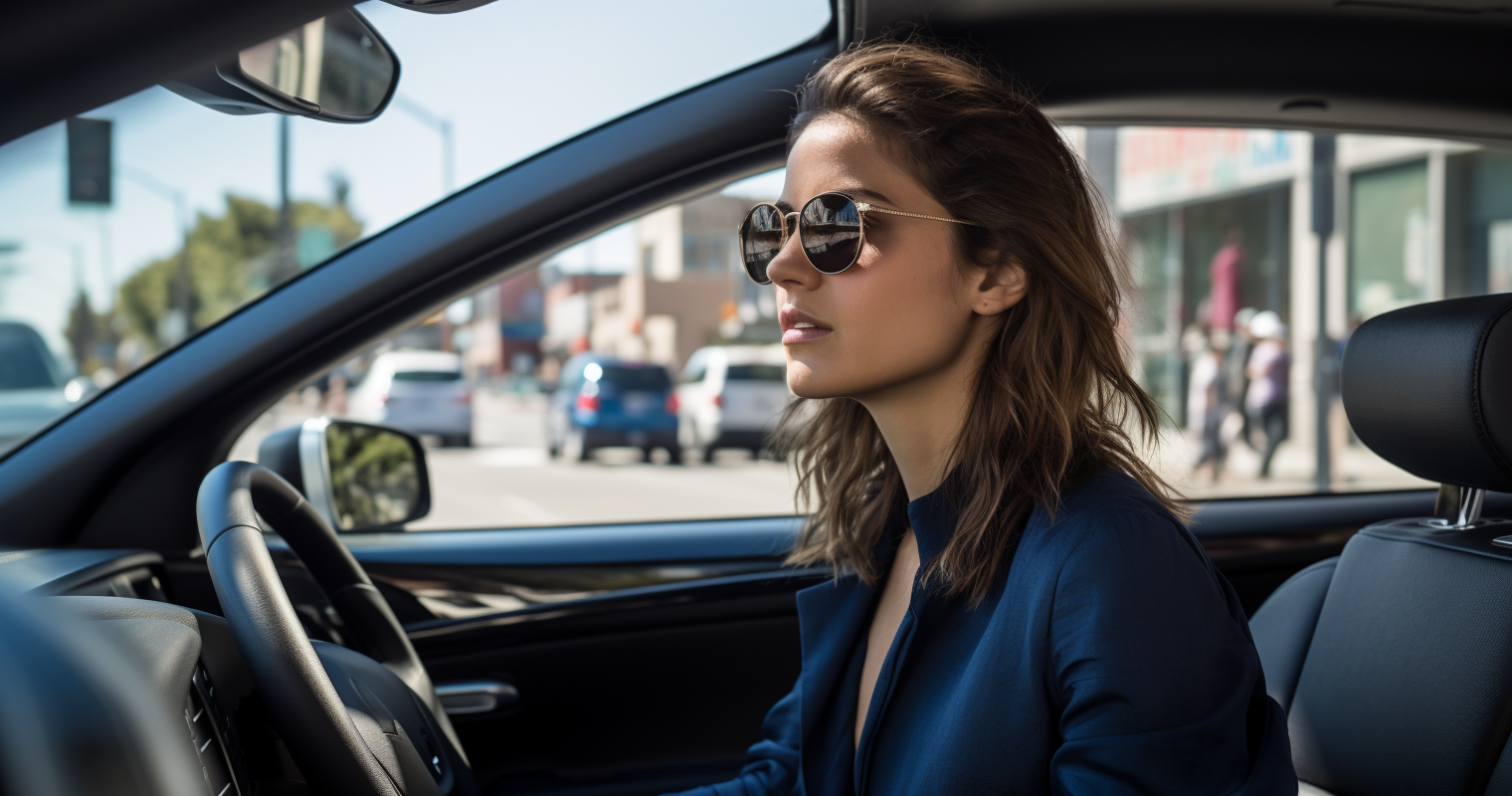
Getting behind the wheel in Antigua and Barbuda requires driving on the left, carrying a locally issued temporary driving permit (available for approximately US$20 as of 2024), and being prepared for a road network that ranges from decent main roads to pothole-riddled rural tracks. Speed limits are displayed in miles per hour, seatbelts must be worn by all vehicle occupants, and any collision must be reported to the authorities within 24 hours. The island has no toll roads.
| Item | Details |
|---|---|
| Drive on | Left-hand side of the road |
| Speed limits (as of 2024) | 40 mph on highways; 20–25 mph in urban/built-up areas; 15 mph in residential areas |
| Temporary local driving permit | Required for all drivers; approximately US$20 / EC$50 (as of 2024); valid for 3 months |
| Drink-drive limit (as of 2024) | 80 mg alcohol per 100 ml of blood |
| Emergency numbers | 999 or 911 (general); 462-0125 (police emergencies); 462-0251 (ambulance) |
| Toll roads | None |
Is Antigua and Barbuda safe to drive in?
For cautious and attentive drivers, Antigua and Barbuda is broadly manageable, though the variable state of the roads demands constant vigilance. Paved main roads are the norm, but venture off these arteries and you will quickly encounter potholes, absent signage, and stretches of road with little or no lighting after dark. This stands in sharp contrast to Western Europe or Australia, where even minor rural roads are generally well-surfaced and clearly marked.
Unmarked speed bumps and potholed surfaces are a recurring feature, and narrow lanes with blind bends are common on back roads. Reducing speed on unfamiliar routes — and especially after dark when hazards become far less visible — is the sensible approach.
Traffic flows on the left, and even the principal roads can vary considerably in quality. Drivers may find themselves sharing the road with wandering livestock, slow-moving agricultural machinery, and vehicles that overtake on blind corners or cut wide on right turns. Stray cattle, goats, and dogs present a genuine and frequent hazard.
Concern over a sharp rise in collisions prompted authorities to take action: 2,448 accidents were recorded in 2023, including ten fatalities, and a further 859 incidents were logged between January and April 2024 alone (as of 2024). In response, the government introduced a traffic violation points system and mandatory breathalyser testing.
The US Department of State places Antigua and Barbuda at “Level 1: Exercise Normal Precautions” — the lowest advisory category. Expats who drive defensively, respect posted speed limits, and steer clear of rural roads after nightfall will generally find getting around the island straightforward enough.
What side of the road do you drive on in Antigua and Barbuda?
Traffic in Antigua and Barbuda travels on the left-hand side of the road, as in the United Kingdom, and the majority of vehicles are right-hand drive. For anyone relocating from a country where traffic flows on the right — including most of continental Europe, North America, or large parts of South America — this requires a conscious and sustained adjustment, particularly during the first few weeks of living on the island.
Staying alert at junctions and roundabouts is especially important. St. John’s has dedicated right-turning lanes at major intersections, and roundabouts are entered from the left and navigated clockwise rather than counterclockwise. Roundabouts are the most common source of confusion for drivers switching from right-hand traffic — always yield to vehicles already travelling on the roundabout, which will be approaching from your right.
Even experienced drivers can find themselves drifting toward the wrong side of the road, particularly at quiet junctions or when pulling out of driveways where there is little oncoming traffic to serve as a reference point. Taking extra care after every stop — and slowing right down on unfamiliar rural roads — is strongly recommended. Opting for an automatic transmission vehicle, if you are not yet accustomed to left-hand driving, removes one variable and allows you to concentrate fully on road position.
What are the main driving rules in Antigua and Barbuda?
The rules of the road in Antigua and Barbuda will feel broadly familiar to drivers from left-hand traffic countries, though there are a few local specifics worth knowing before you set off. Always verify current rules and penalties with the Royal Police Force of Antigua and Barbuda Traffic Department or the Ministry of Works and Transport, as regulations are subject to change.
Speed limits (as of 2024)
Speed limits are posted in miles per hour. On major highways and expressways the limit is 40 mph; on urban roads it is typically 25 mph; and in residential areas it drops to 15 mph. Some posted signs may show slightly different figures — city areas are sometimes marked at 10–15 mph and rural areas at 30 mph. Posted signs always take precedence over general guidance.
Seatbelts
Wearing a seatbelt is compulsory for every person in the vehicle, whether seated in the front or the rear. Unlike some jurisdictions where rear-seat enforcement is patchy, the law in Antigua and Barbuda applies to all occupants of a moving vehicle without exception.
Children in vehicles
Children under the age of 7 must be secured in an appropriate child seat. It is worth noting, however, that beyond this under-7 requirement, Antigua and Barbuda does not have detailed legislation governing how older children must be restrained. Families relocating to the island should make their own arrangements to ensure appropriate restraint systems are in place for all children.
Mobile phones
Using a handheld mobile phone while driving is illegal. If you need to make or take a call, pull over safely before doing so. Hands-free kits are the permitted alternative. Enforcement of this rule has been stepped up as part of the broader road safety push by the authorities.
Drink-driving
The maximum permitted blood-alcohol concentration is 80 mg per 100 ml of blood — the same threshold as in the United Kingdom and Australia, though stricter than some other countries. Mandatory breathalyser testing has been introduced as of 2024. Given the state of the roads, particularly at night, the practical advice is simply not to drink before driving at all.
Right of way and overtaking
All traffic must keep to the left-hand side of the road. Overtaking is only permitted on the right. At junctions, the vehicle on the left yields to the vehicle on the right unless signs indicate otherwise. The island has a number of roundabouts — approach them with caution, follow road markings, and always give priority to traffic already on the roundabout coming from your right.
Use of indicators
Signalling your intentions clearly before turning or changing lanes is a legal requirement. This is particularly important given how frequently pedestrians walk along the edges of roads where no pavement exists, and other road users need clear advance warning of a vehicle’s intended direction.
What equipment are you legally required to carry in your car in Antigua and Barbuda?
Drivers in Antigua and Barbuda are legally required to have certain items in their vehicle at all times, including a reflective vest, a warning triangle, and a spare wheel. The requirements are less extensive than in some European countries — France, for instance, mandates a breathalyser in every vehicle, and Germany requires both a first aid kit and a warning triangle — but the condition of Antiguan roads makes it wise to carry additional safety equipment beyond what the law strictly demands.
The following summarises both the legal requirements and strongly recommended extras:
- Warning triangle — legally required; position it behind the vehicle in the event of a breakdown or collision to warn approaching traffic
- High-visibility / reflective vest — legally required; put it on before stepping out of the vehicle at the roadside
- Spare wheel (and tools) — legally required; with potholes common across much of the road network, a roadworthy spare tyre is essential
- Valid driving documents — your home-country licence and your Antigua and Barbuda temporary local driving permit must both be carried whenever you are behind the wheel
- Proof of insurance — required and should be kept in the vehicle at all times
- Torch / flashlight — strongly recommended, particularly for driving on rural roads where street lighting is sparse or absent after dark
- Bottled water and first aid kit — not legally required but sensible to carry, especially if travelling to remote areas
There is no legal obligation for private motorists to carry a fire extinguisher or a breathalyser, unlike in certain European countries. If you are renting a vehicle, the mandatory equipment should already be in the car, but it is worth confirming this when you collect the keys. For the most current legal requirements, consult the Ministry of Public Safety and Labour.
What are the most important road signs in Antigua and Barbuda?
Road signs in Antigua and Barbuda follow international conventions and are written in English. The principal signs — Stop, Give Way, and No Entry — will be immediately recognisable to drivers from left-hand traffic countries, and additional signs cover speed limits, parking restrictions, and other essential information. On minor roads, however, older signs may be faded or missing entirely, so drivers should not rely solely on signage for guidance.
Antigua and Barbuda is not a signatory to the Convention on Road Traffic, which 72 countries have ratified to establish mutual recognition of driving licences. While this primarily concerns licencing, it also means the island’s signage system is not formally bound by the 1968 Vienna Convention. In practice, most signs use internationally recognisable symbols alongside English text, so the differences are minor.
Key signs to be aware of include:
- Stop — the standard red octagonal sign; a complete halt is required before proceeding
- Give Way / Yield — triangular sign; particularly critical at roundabout entries where traffic already on the roundabout and approaching from the right has priority
- Speed limit signs — figures are in miles per hour, not kilometres per hour; bear this in mind if you are accustomed to metric measurements
- No Entry — red circular sign; found on one-way streets in St. John’s and at certain car parks
- Pedestrian crossing markings — zebra-style crossings are in use; drivers must always give way to pedestrians who have stepped onto a zebra crossing
- Unmarked speed bumps — not a formal sign category but a real hazard; poorly marked humps and potholes can appear without warning, so reduce speed when approaching any suspicious road feature
Traffic lights in Antigua and Barbuda follow the standard three-colour international system — red, amber, and green — with no unusual sequencing. Signalised junctions are concentrated in and around St. John’s; on rural roads, priority is determined mainly by give-way signs and local practice. Roads throughout the island — particularly in rural areas — can be narrow and uneven, and some stretches have no signage at all, making steady, cautious driving and maintaining a safe following distance essential at all times.
What must you do if you have a road accident in Antigua and Barbuda?
Being clear on what to do in the immediate aftermath of a collision is essential. The law in Antigua and Barbuda imposes specific obligations on every driver involved in an accident, and failing to comply can lead to fines or criminal proceedings. Always verify current procedures with the Royal Police Force Traffic Department, as requirements may be updated (the steps below reflect current guidance as of 2024).
- Stop your vehicle immediately. You are legally obliged to remain at the scene of any collision. Leaving without stopping is a criminal offence.
- Check for injuries. If anyone has been hurt, call the emergency services without delay by dialling 911.
- Make the scene safe. Where it is safe to do so, move vehicles clear of the traffic flow and deploy your warning triangle behind the vehicle to alert other road users to the hazard ahead.
- Exchange information. If there are no injuries and it is safe to move vehicles, swap contact details and insurance information with the other driver involved.
- Do not admit liability. Avoid making any admission of fault at the scene — this is consistent with advice from insurers and authorities in most countries worldwide.
- Report the accident. All accidents in Antigua and Barbuda must be reported to the police within 24 hours (as of 2024). Do this at the nearest police station or by contacting the Royal Police Force of Antigua and Barbuda directly.
- Notify your insurer. Contact your insurance company as promptly as possible. If the vehicle is a rental, inform the rental company in addition to the police.
Key emergency contact numbers (as of 2024):
| Service | Number |
|---|---|
| General emergencies | 999 or 911 |
| Police emergencies | 462-0125 |
| Ambulance / Hospital | 462-0251 |
| Fire Service | 462-0044 |
The Traffic Department of the Royal Police Force of Antigua and Barbuda is headed by a Superintendent of Police and holds responsibility for the day-to-day management of traffic operations, the regulation of road circulation, and the enforcement of traffic legislation. This department is the primary authority to contact when reporting a road incident. The government also operates the Traffic Ticket Management System, the official digital platform through which traffic violations are processed and managed.
Where can you find up-to-date road traffic information for Antigua and Barbuda?
Staying informed about current road conditions is important for anyone driving in Antigua and Barbuda. The Antigua and Barbuda Department of Transportation publishes information on road closures, incidents, and relevant updates. Always confirm that any official web address you use remains current, as government portals are periodically restructured.
Useful sources for road and traffic information include:
- Antigua and Barbuda Ministry of Works and Transport — the principal government body responsible for roads and transport infrastructure; reachable on (268) 462-0890
- Royal Police Force of Antigua and Barbuda — the Traffic Tips page and Traffic Department publish road safety guidance and incident-related updates
- Traffic Ticket Management System — ttms.gov.ag, the government’s official platform for checking and resolving traffic violations
- Google Maps — widely used across the island and generally reliable for navigation on main and secondary roads; coverage of very minor rural tracks may be incomplete, so downloading offline maps before heading to remote areas is advisable in case mobile data signal is poor
- Waze — also used in Antigua and Barbuda; offers real-time hazard alerts submitted by other drivers, including pothole warnings
- Local radio — stations such as Observer Radio and ZDK Liberty Radio carry local news and may broadcast traffic and weather updates affecting road conditions, especially during hurricane season (June to November)
- Antigua Observer Newspaper online — antiguaobserver.com — covers road-related news, including changes to traffic regulations
Throughout hurricane season, drivers should follow guidance issued by the local authorities regarding severe weather events, as flooding, landslides, and sudden road closures can occur with little warning. Keep an eye on the Antigua and Barbuda Meteorological Services website for weather-related road hazard information.
How does parking work in Antigua and Barbuda?
Finding a parking space in Antigua and Barbuda — particularly in busier urban areas — can be a challenge. The supply of dedicated parking is limited, and the rules are actively enforced. The parking infrastructure here is considerably simpler than the multi-storey car parks and digital pay-and-display systems common across Western Europe or North America; on this island it consists largely of on-street parking bays and a modest number of off-street lots.
Expats settling in Antigua and Barbuda should familiarise themselves with local parking rules, especially in areas with high numbers of residents and visitors, such as St. John’s, the capital, where competition for spaces is particularly intense and holding a parking permit is recommended. For current information on resident parking permits and associated fees — which are subject to change — contact the Ministry of Public Safety and Labour or your local municipal authority.
Wherever you park, choose a well-lit location and never leave valuables in plain sight inside the vehicle. This is especially relevant near the busier visitor-facing areas around St. John’s, English Harbour, and Dickenson Bay.
On the subject of disabled parking: Antigua and Barbuda does not have a widely publicised national disabled parking badge scheme equivalent to the UK’s Blue Badge or the placard system used in the United States. Drivers with disabilities who are relocating to the island should contact the Ministry of Works and Transport at (268) 462-0890 to obtain current guidance on what provisions exist. Foreign disabled parking permits are not recognised under any bilateral agreement, so it is essential to clarify your entitlements locally rather than relying on a permit issued elsewhere. In all circumstances, designated disabled parking bays should be respected.
As noted elsewhere, Antigua and Barbuda has no toll roads, which makes travelling around the island considerably more straightforward than navigating the toll networks common in countries such as France or Spain.
Can you drive in Antigua and Barbuda on a foreign or international licence?
The licensing arrangements in Antigua and Barbuda can take new arrivals by surprise. The island operates a dual-permit system: a locally issued temporary driving permit is mandatory for every driver, and an International Driving Permit (IDP), while useful if your licence is not in English, does not substitute for this local permit. This distinguishes Antigua and Barbuda from most destinations, where a foreign licence or IDP alone is sufficient to drive legally.
Temporary local driving permit
Every driver must hold a locally issued temporary driving permit, which costs US$20 (as of 2024), remains valid for three months, and can be obtained from the traffic department, any police station, or through a car rental company. Your valid home-country driving licence must be presented when applying. If you are renting a vehicle, the rental company will typically handle this at collection; if you are driving your own car or borrowing someone else’s, you will need to attend a police station or the Transport Board in person.
It is worth noting that International Driving Permits are not accepted in Antigua and Barbuda in place of the local temporary permit — unlike in many other destinations where an IDP functions independently, here you must obtain the Antiguan permit to drive legally. Applications go through the Ministry of Works and Transport, St. John’s Street, St. John’s, Antigua — telephone (268) 462-0890.
Long-term residents and licence exchange
Those planning to remain in Antigua and Barbuda for an extended period will generally need to obtain a local driving licence. As a rule, anyone resident on the island for more than three months is required to hold an Antiguan and Barbudan licence, though foreign nationals may use their home licence for a limited period in the first instance.
Antigua and Barbuda has licence exchange agreements with a number of countries, including the United States, the United Kingdom, Canada, and several Caribbean nations. Holders of a licence from one of these countries can exchange it for a local licence without sitting a driving test. This process requires the relevant documentation and is carried out at the Antigua and Barbuda Transport Board, where a fee applies.
If your home country does not have an exchange agreement with Antigua and Barbuda, you will be required to pass both a theoretical examination and a practical driving test, applied for at the Antigua and Barbuda Transport Board.
Step-by-step: how to obtain a temporary local driving permit in Antigua and Barbuda
- Assemble your documentation: a valid home-country driving licence, a valid passport bearing a current immigration stamp, and one passport-sized photograph.
- Visit a driving licensing office or police station, or — if hiring a vehicle — ask the rental company to process the permit on your behalf at the point of collection.
- Complete the application form for a temporary driver’s licence at the licensing office or police station.
- Pay the fee of EC$50 or US$20 (as of 2024) once your application has been approved.
- Keep both your temporary local permit and your home-country licence with you whenever you drive — you are required to carry both.
- If you intend to stay beyond three months, contact the Ministry of Works and Transport well before your temporary permit expires to begin the process of obtaining a full local licence.
Penalties for motoring offences in Antigua and Barbuda are serious. Speeding, drink-driving, and other violations can result in fines, licence suspension, or imprisonment. Refer to the Ministry of Public Safety and Labour and the Traffic Ticket Management System for current penalty information and requirements.
Frequently Asked Questions About Driving in Antigua and Barbuda
Are there toll roads in Antigua and Barbuda?
No toll roads exist in Antigua and Barbuda. Driving anywhere on the island is completely free of toll charges, making it far simpler to get around than in countries like France, Italy, or the United States, where toll roads are a routine part of long-distance travel.
Do I need special insurance as a foreign driver in Antigua and Barbuda?
Third-party motor insurance is a legal requirement for all drivers in Antigua and Barbuda. Car rental packages typically include basic coverage, but given the frequency of potholes and other road hazards — particularly outside the capital — taking out additional comprehensive cover is strongly advisable. It is worth checking carefully what your rental insurance actually covers, and also whether your existing travel insurance policy or credit card includes any rental vehicle protection before you travel.
Is it safe to drive at night in Antigua and Barbuda?
Night driving is possible but calls for heightened caution. Street lighting exists in many areas but is far less comprehensive than in most developed countries, and rural roads in particular may have little or no illumination after dark. Potholes, wandering animals, and pedestrians walking along unlit road edges become significantly harder to spot once daylight has faded. Until you are thoroughly familiar with a route, it is advisable to avoid it after dark.
What are the penalties for drink-driving in Antigua and Barbuda?
Drink-driving is treated as a serious criminal offence. The legal blood-alcohol limit is 80 mg per 100 ml of blood — the same as in the United Kingdom — and mandatory breathalyser testing has been in force since 2024. Penalties for exceeding the limit include fines, suspension of driving privileges, and potentially imprisonment. Given the state of the roads, particularly at night, the practical recommendation is to avoid any alcohol whatsoever before getting behind the wheel.
Are there any specific rules for driving with children in Antigua and Barbuda?
Children under 7 years of age must travel in an appropriate child seat — this is a legal requirement. The general seatbelt law applies to all vehicle occupants. Beyond the mandatory child seat provision for under-7s, there is no detailed legislation in Antigua and Barbuda governing the restraint of older children; parents should follow best practice regardless and ensure every child is properly secured for every journey. Child seats can generally be arranged through car rental companies if requested in advance.
Does hurricane season affect driving in Antigua and Barbuda?
The Caribbean hurricane season typically spans June to November. During and after significant storms, roads can become flooded, strewn with debris, or temporarily closed without warning. Drivers should monitor forecasts and official guidance from the Antigua and Barbuda Meteorological Services and comply with any evacuation instructions issued by the authorities. Check the Antigua and Barbuda Meteorological Services website regularly throughout this period, and never attempt to drive through standing water, which can conceal severe road damage beneath the surface.
Can I use Google Maps or Waze to navigate in Antigua and Barbuda?
Both Google Maps and Waze function well in Antigua and Barbuda and are the most practical navigation options available. Coverage is reliable on main and secondary roads, though very minor rural tracks may not be fully mapped. Before heading to remote areas where mobile data connectivity may be unreliable, download an offline map. There is currently no dedicated national traffic application for Antigua and Barbuda.
What is the minimum age for driving in Antigua and Barbuda?
The minimum legal driving age in Antigua and Barbuda is 18 years old. For car hire, the minimum age is 23. Some rental companies apply higher minimum age thresholds or charge a young driver surcharge for those under 25, so check the terms of your chosen provider before making a reservation.
What happens if I get a traffic fine in Antigua and Barbuda?
The Royal Police Force of Antigua and Barbuda manages traffic violations through the official Traffic Ticket Management System, an online platform that allows drivers to view the details of any infraction and check the status of a violation. This is accessible at ttms.gov.ag. Foreign licence holders who commit a motoring offence in Antigua and Barbuda may face fines, revocation of their local driving privileges, and in some cases further legal consequences in their home country. All penalties should be addressed promptly through official channels.