
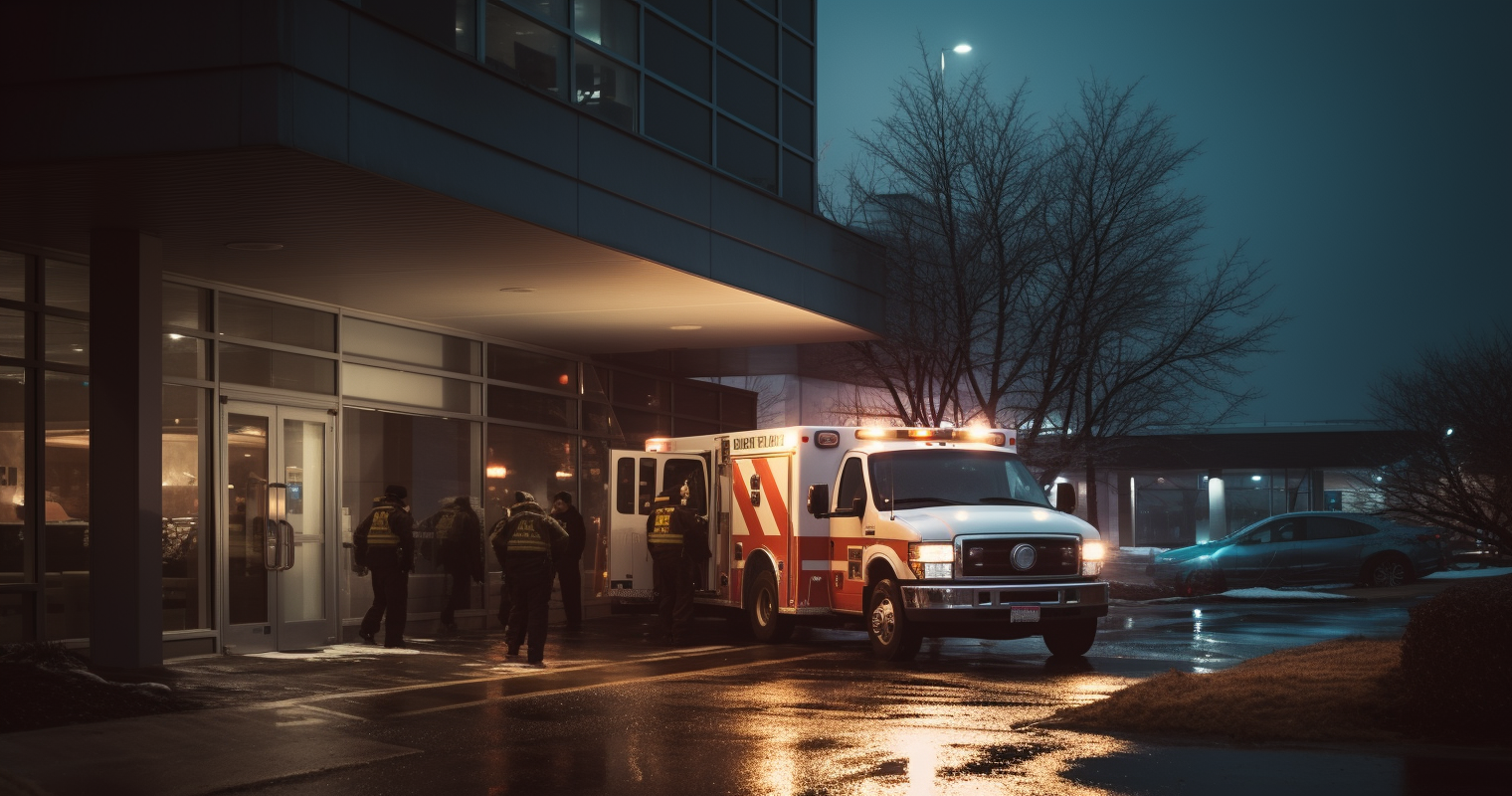
Rather than a single catch-all emergency number, Vietnam operates a system of dedicated lines: 113 for police, 114 for fire, and 115 for ambulance and medical emergencies, all available around the clock nationwide (as of 2025). Foreign nationals are not entitled to free emergency medical care — hospitals expect upfront payment or evidence of insurance coverage, even in life-threatening situations. Arranging thorough travel or health insurance before you set foot in the country is therefore non-negotiable.
| Item | Details |
|---|---|
| Police emergency number | 113 (24/7 nationwide, as of 2025) |
| Fire emergency number | 114 (24/7 nationwide, as of 2025) |
| Ambulance / medical emergency | 115 (24/7 nationwide, as of 2025) |
| Search & rescue / natural disaster | 112 (24/7, as of 2025) |
| Cost for foreign nationals | Upfront payment required; no free emergency treatment for non-residents (as of 2025) |
| Private hospital stay (international) | Approx. $200–$500+ USD per night; major surgery $2,000–$10,000+ USD (as of 2025) |
| Typhoon season | Approximately June 1 – end of November |
| Bilateral health agreements | None known that provide free emergency care for foreign nationals — verify with your embassy |
What are the emergency numbers in Vietnam — one number or several?
Vietnam has no single universal emergency number akin to 911 or 999. Instead, distinct numbers are assigned to different categories of emergency. The five principal hotlines are 111 (child protection), 112 (lifesaving and search-and-rescue operations), 113 (police), 114 (fire), and 115 (first aid and ambulance dispatch). Every one of these lines operates continuously, 24 hours a day, seven days a week, and can be dialled from any mobile or fixed-line telephone anywhere in the country.
Number 112 functions as Vietnam’s national coordination line specifically for search and rescue. It is the number to call when urgent help is required because of natural disasters — storms, floods, flash floods, or landslides — or emergencies at sea. This line feeds directly into the national rescue coordination framework and runs around the clock. Storing all five numbers in your phone before arriving in Vietnam is strongly advisable.
| Number | Service |
|---|---|
| 113 | Police |
| 114 | Fire Brigade |
| 115 | Ambulance / Medical Emergency |
| 112 | Search and Rescue / Natural Disaster |
| 111 | Child Protection Hotline |
If you suffer an injury connected to a crime or traffic collision, the recommended approach is to call 113 first, followed by 115, so that both police and medical responders are alerted at the same time. Always confirm that these numbers remain current by checking with an authoritative source such as the Ministry of Public Security or your country’s embassy in Vietnam, since arrangements can be subject to change.
How do you summon emergency medical help in Vietnam, and what can you expect?
Dialling 115 connects you to ambulance services and medical first responders capable of dealing with urgent health situations ranging from accidents to acute illness. When you call, be ready to state your precise location, describe what has happened, and mention any pertinent medical background. Accurate information helps the dispatcher send the most appropriate level of response without delay.
The 115 service includes a first aid advisory function: if an ambulance cannot reach you promptly, the call handler will walk you through appropriate first aid steps to take in the meantime. This capability is particularly valuable in rural settings or during periods of heavy traffic congestion in major cities, both of which can stretch response times considerably.
Language differences can present a genuine obstacle. If you are struggling to communicate, ask a bystander to assist with translation. Learning a handful of basic emergency phrases in Vietnamese before you travel, and keeping a pre-translated note on your phone with your address, your hotel name, and a brief summary of any medical conditions, can save critical time in a crisis.
Because private hospitals in larger urban areas generally deploy faster and better-equipped ambulances, most expats choose to take a taxi directly to the nearest suitable private facility rather than waiting for a state ambulance — this is especially common in Hanoi and Ho Chi Minh City, where such hospitals are well distributed. Confirm in advance which hospitals your insurance provider covers, so you are not making that decision under pressure.
What steps should you take during a mental health crisis in Vietnam?
Vietnam does not yet have a widely publicised national mental health crisis hotline comparable to services such as Samaritans in the UK or Lifeline in Australia. If someone is in immediate danger, the right course of action is to call 113 (police) or 115 (ambulance) and clearly communicate that a psychiatric emergency is involved. Hospitals with psychiatric departments are also able to conduct urgent assessments.
According to a 2024 European Union Agency for Asylum report, Vietnam’s state-owned hospital network delivers mental health services through a structured system. There are two national psychiatric hospitals — one serving the north of the country and one in the south. Specialist care is available at central and provincial facilities, with 39 dedicated mental health hospitals in various provinces and cities; provinces without a dedicated facility have psychiatric departments embedded in general hospitals.
Publicly funded mental healthcare is accessible in both urban and rural zones, though provision in rural areas is considerably more limited. While user contributions are required, these were reported as generally modest and manageable as of October 2023. For expats facing acute distress, attending the emergency department of a reputable private hospital and requesting a psychiatric evaluation is a practical first step. International SOS clinics in Hanoi and Ho Chi Minh City offer mental health referral services — current clinic locations are listed on the International SOS website.
Many embassies and consulates hold lists of local therapists and mental health professionals accustomed to working with foreign nationals. If you are not in immediate danger but need prompt support, contact your embassy’s citizen services section for a referral. The Befrienders Worldwide network can also help you locate the nearest listening service wherever you are based.
Where can you receive emergency medical treatment in Vietnam?
Vietnam’s healthcare infrastructure encompasses public hospitals, private hospitals, and international clinics. The country maintains more than 11,000 commune health stations at the primary care level, alongside 1,451 hospitals at secondary and tertiary level — approximately 300 of which are privately run. The quality and accessibility of these facilities, however, differ dramatically depending on where you are in the country.
Public hospitals are low-cost but typically crowded, with limited English-language capability and facilities that may fall short of international standards. Private and international hospitals are considerably more expensive but offer modern equipment, multilingual medical staff, and shorter waiting times. Well-known examples include FV Hospital, Vinmec, and International SOS clinics.
Healthcare quality is generally reliable in major cities such as Hanoi and Ho Chi Minh City, where large internationally accredited private hospitals operate. By contrast, healthcare availability and quality in rural regions of Vietnam is substantially weaker. If you require emergency treatment in a rural location, seek stabilisation at the nearest public hospital and arrange transfer to a city-based facility as soon as your condition safely permits.
Facilities frequently used by the expat community include Vinmec International Hospital (with multiple branches), FV Hospital in Ho Chi Minh City, Hanoi French Hospital, and International SOS clinics in both capital cities. These institutions typically maintain clear pricing structures and multilingual teams. Ask your hotel, your insurance company, or your embassy for an up-to-date list of recommended facilities in your area, as the private clinic landscape evolves over time.
Is emergency medical treatment free in Vietnam, or will you be charged?
Emergency medical care in Vietnam carries a cost for foreign nationals — it is not provided free of charge. Visitors and tourists should anticipate paying out of pocket unless they hold an insurance policy that covers overseas treatment. Consultation fees range from roughly $10 to $100 depending on the grade of hospital, while emergency procedures and surgical interventions can run into hundreds or thousands of dollars.
In virtually every case, you will be required to pay a deposit before receiving admission — frequently an amount equal to 100% of the projected treatment costs. No exceptions are made, even in an acute emergency. This differs fundamentally from systems in which hospitals are legally obliged to treat patients first and pursue payment afterwards. Both private and international hospitals insist on immediate payment or confirmed insurance before proceeding, unless your insurer has a direct billing arrangement in place.
Expats are not eligible to join the Vietnamese public health insurance scheme. They can, however, attend public clinics and hospitals and pay the standard non-subsidised rate. At public hospitals, consultation fees range from around 50,000 to 300,000 VND (approximately €2–€11) based on recent figures — a fraction of private sector costs, albeit with significant trade-offs in terms of quality and language accessibility.
The situation is quite different for Vietnamese citizens. The government covers 80% of hospital fees for those at or below the poverty threshold, and funds 100% of costs for the most economically disadvantaged individuals and ethnic minority populations in underprivileged areas through the Health Insurance Fund. Working farmers and fishing families receive a 30% subsidy on hospital fees. None of these provisions apply to foreign nationals.
Do expats need insurance to access emergency care in Vietnam?
Given the high costs associated with private-sector care and the limitations of the public system for non-nationals, health insurance is not merely advisable for expats in Vietnam — it is practically indispensable. Technically, you can walk into a public hospital and receive treatment at the unsubsidised rate, but the financial and practical exposure of doing so without cover — particularly for anything more serious than a minor consultation — is substantial.
Although healthcare costs in Vietnam are lower than in many Western nations, unexpected emergencies or admissions to international private hospitals can escalate into significant sums with alarming speed. An overnight stay at a private facility costs $200–$500 USD per night (as of 2025), and serious surgery can reach anywhere from $2,000 to $10,000 or beyond.
Vietnam does not make private health insurance a prerequisite for obtaining a work permit or qualifying for residency. However, all expatriate employees are legally required to be enrolled in the Vietnamese social insurance system as part of their employment arrangements. Social insurance provides a degree of cover within the public hospital network, but the majority of long-term residents also maintain additional private or international health insurance to secure access to private facilities and a broader standard of care.
Arriving at a hospital without insurance or demonstrable ability to pay may result in delayed or withheld treatment at private facilities pending confirmation of finances. Public hospitals are generally less likely to turn someone away entirely, but may provide only basic stabilisation rather than comprehensive care. Your embassy’s emergency consular line can sometimes help with communication or assist in reaching family members who can arrange payment — but consular staff cannot settle your medical bills on your behalf. Invest in a policy that covers medical expenses, evacuation, theft, and other foreseeable emergencies, and make sure you understand the claims process before you need to use it.
Are there bilateral health agreements covering foreign nationals in Vietnam?
Arrangements such as the European Health Insurance Card (EHIC), which grants EU member state citizens access to public healthcare in other member states on a reciprocal basis, or similar schemes between certain Commonwealth nations, have no counterpart in Vietnam. The country does not appear to have signed bilateral health agreements with other nations that would entitle foreign nationals to free or discounted emergency medical treatment in Vietnamese public hospitals.
Vietnam’s public health system is designed primarily to serve Vietnamese citizens enrolled in the national health insurance programme. Foreign nationals — regardless of their country of origin — are generally expected to pay the non-subsidised rate for treatment at public hospitals, and full commercial rates at private institutions. No verified reciprocal arrangements are in place between Vietnam and EU member states, Australia, or other countries that operate well-known reciprocal health schemes. Verify the current situation directly with your home country’s embassy in Hanoi or Ho Chi Minh City and with the Vietnam Ministry of Health, as policy may be updated over time.
Expatriate employees enrolled in the mandatory Vietnamese social insurance scheme do gain access to public healthcare at subsidised rates — but this is a consequence of employment-based social contributions, not the result of any bilateral treaty between governments. If you are uncertain about your entitlements under your employment contract, seek clarification from your employer’s human resources team or a qualified local legal adviser.
How does Vietnam’s emergency healthcare system compare to what expats may be used to?
Vietnam has a mixed public-private healthcare framework, but as far as foreign nationals are concerned, it operates in practice much like a system where payment or insurance confirmation comes before treatment — more akin to the model in the United States than to fully state-funded systems such as the NHS in the UK or Medicare in Australia, where emergency care is delivered first and billing follows later. The fundamental difference is that in Vietnam there is no universal health card, no automatic third-party billing at the point of entry; you arrive at reception, identify yourself, and settle a deposit before a doctor sees you.
Navigating Vietnam’s healthcare landscape as an expat brings considerable variety — in standards, costs, and languages spoken — across public hospitals, private clinics, and international medical centres. A routine consultation can range from a few hundred thousand to several million Vietnamese dong, and without adequate insurance, even moderately serious medical situations can quickly translate into significant financial strain.
Emergency departments at public hospitals may not be equipped to manage complex or major trauma to the same standard as facilities in higher-income countries. For this reason, the general advice for expats facing a serious medical emergency is to head directly to a well-resourced private hospital or clinic. Many long-term residents in Vietnam opt to travel to Bangkok or Singapore for specialist treatment when their condition allows for the journey.
How do police and fire services operate in Vietnam?
Dial 113 to reach the police for general emergencies and to report criminal incidents. When you call, state your location as clearly as possible, explain the nature of the situation, and describe any immediate risks. Language can be a hurdle; carrying a translation app or a written note with key details can help bridge the gap. Police in Vietnam are generally responsive and accustomed to assisting foreign nationals, but remaining calm and patient will help the interaction proceed more smoothly.
In outlying or remote areas, police response times may be slower due to logistical constraints. In major urban centres such as Hanoi, Ho Chi Minh City, or Da Nang, responses tend to be significantly quicker. If you have been the victim of a crime, you will almost certainly need to file a formal police report — a document that most insurers require before processing theft-related claims. Your embassy can advise on the reporting process and supply a list of local lawyers if one is needed.
For fires, call 114. When a call is received, the operator activates a mapping system to pinpoint the caller’s location, triggers the alarm, and dispatches a fire crew — typically within under a minute. The telephone operator will also guide callers on immediate precautions to take, such as avoiding smoke inhalation, managing dehydration, and staying clear of structural hazards. As with any fire emergency worldwide, do not re-enter a burning building and wait for firefighters at a safe distance from the scene.
Bear in mind that Vietnamese legal procedures and police practices differ considerably from those in many other countries. Never leave the scene of a serious incident, particularly a road traffic accident, without police clearance — doing so can carry serious legal consequences. If you are detained or placed under arrest, invoke your right to consular access immediately; this is guaranteed under the Vienna Convention on Consular Relations.
What emergency risks are specific to Vietnam?
Storms and flooding represent the most frequent and damaging natural hazards in Vietnam. The country is struck by an average of six to seven typhoons per year. Flash floods and landslides occur regularly during typhoon season, which runs from approximately 1 June through to the end of November. Inland areas, far from the coast, are not immune — dangerous winds, tornadoes, mudslides, and inundation can affect regions well beyond the shoreline.
The Vietnamese government has established a national disaster response framework that can be rapidly mobilised following major events, coordinating local authorities, rescue personnel, and resources for mass evacuations and emergency relief operations. During recent typhoon responses, more than 53,000 people were pre-emptively relocated from high-risk zones, with military and police units carrying out search-and-rescue missions. Call 112 to reach the national search and rescue coordination centre during any natural disaster emergency.
Beyond weather-related hazards, the country carries ongoing disease risks including dengue fever — present throughout the year and peaking in the rainy season — as well as malaria in certain rural and highland areas, hepatitis A and B, and Japanese encephalitis. Motorbike accidents are among the most common causes of emergency medical treatment for foreign nationals. Road traffic incidents represent a leading source of serious injury and fatality for both residents and visitors — always wear a helmet, ensure you hold the correct licence for any vehicle you operate, and confirm that your insurance policy extends to motorbike accidents.
Vietnam is politically stable under single-party governance, and civil unrest of the kind seen periodically elsewhere in the region is uncommon. Nevertheless, keep an eye on your home country’s official travel advisories for any updates. The National Centre for Hydro-Meteorological Forecasting publishes weather and typhoon alerts, while the Vietnam Disaster and Dyke Management Authority (VDDMA) is the lead government body for disaster warnings and response coordination.
How should expats prepare for emergencies before they occur in Vietnam?
Taking precautions before any crisis arises is far more effective than trying to navigate an unfamiliar system under duress. The key steps to take are set out below.
- Register with your embassy or consulate. Most governments run a voluntary registration programme — known as STEP in the US, LOCATE in Australia, or under an equivalent name elsewhere — that enables your government to reach you during a major emergency, natural disaster, or civil disturbance. Your embassy is a vital resource when you encounter legal difficulties, lose important documents, or require urgent consular assistance. It does not replace emergency services but provides guidance and support when you need it most.
- Arrange comprehensive health insurance before departure. Your policy should cover emergency treatment, hospitalisation, medical evacuation, and repatriation. Review the exclusions carefully, particularly regarding pre-existing conditions and motorbike accidents.
- Store all emergency numbers in your phone. Compile a dedicated contact list covering police (113), fire (114), ambulance (115), search and rescue (112), your nearest hospital, and your country’s embassy or consulate in Vietnam. Keep printed copies of your passport, insurance details, and trusted local contacts as well.
- Locate your nearest reputable hospital in advance. Map out the addresses of suitable local hospitals and nearby police stations so you can navigate to them quickly. Many hotels provide this information at check-in, but it is worth verifying the details independently.
- Learn key emergency phrases in Vietnamese. Even a small number of phrases — “Help!”, “Call an ambulance”, or “I need a doctor” — can prove decisive when time is short and communication is difficult.
- Carry a medical information card. A card listing your medical history, allergies, blood type, and emergency contacts can be invaluable if you are unable to speak for yourself in a crisis. Including a Vietnamese translation adds further protection.
- Establish a natural disaster plan. Monitor local news and official warnings when storms or floods are forecast, stay away from areas prone to landslides, and have a clear plan of action ready before a storm approaches.
- Keep cash and a payment card accessible. Readily available funds or sufficient credit on a card can prevent dangerous delays in receiving medical care. Public hospitals may require cash payment, while international hospitals typically accept cards.
Where can expats find official, current emergency information for Vietnam?
Authoritative, up-to-date guidance on emergencies in Vietnam is available from several official channels. Always consult these sources directly rather than relying on secondary summaries, as contact details, procedures, and regulations are subject to change.
- Vietnam Ministry of Public Security — the authority responsible for police and national security matters: mps.gov.vn
- Vietnam Ministry of Health — for public health information and hospital directories: moh.gov.vn
- Vietnam Disaster and Dyke Management Authority (VDDMA) — for natural disaster alerts and preparedness guidance: dmptc.mard.gov.vn
- National Centre for Hydro-Meteorological Forecasting — for typhoon, flood, and severe weather warnings: nchmf.gov.vn
- Your home country’s embassy in Vietnam — for citizen registration, consular assistance, and travel advisories. Find the relevant contact details through your government’s foreign affairs ministry website.
- Foreign travel advisory services — including the UK’s Foreign, Commonwealth and Development Office (FCDO), the US State Department, and equivalent bodies in other countries, all of which publish regularly updated safety and health information for Vietnam.
- World Health Organization (WHO) Vietnam — for disease outbreak alerts and health advisories: who.int/vietnam
Maintain both digital and hard-copy versions of key emergency information so it remains accessible regardless of the circumstances — a phone battery eventually runs flat, but a laminated card tucked into your wallet does not.
Frequently asked questions about emergencies in Vietnam
What is the most important emergency number to save in Vietnam?
Vietnam has five principal emergency numbers: 111 (child protection), 112 (search and rescue), 113 (police), 114 (fire), and 115 (first aid and ambulance). For most medical situations and personal safety emergencies, 115 and 113 are the numbers you are most likely to reach for. That said, saving all five before you travel is the safest approach.
Will a Vietnamese hospital treat me in an emergency if I cannot pay?
Hospitals typically require a deposit — often equivalent to 100% of the estimated treatment cost — before admitting a patient, and this expectation applies even in acute emergencies. Public hospitals are less likely to withhold basic stabilisation, but private and international hospitals will generally insist on financial confirmation before commencing treatment. Holding travel or health insurance with a direct billing arrangement offers the strongest protection against this.
Does my European Health Insurance Card (EHIC) or equivalent work in Vietnam?
No. The EHIC — and its UK successor, the GHIC — covers emergency treatment within the European Economic Area and a limited number of countries with formal bilateral arrangements. Vietnam is not among them. No verified bilateral health agreements exist between Vietnam and other nations that would entitle foreign visitors to free or reduced-cost emergency care. Always arrange dedicated travel or international health insurance specifically for your time in Vietnam.
How good are ambulance response times in Vietnam?
Response times differ considerably by location. In Hanoi and Ho Chi Minh City they are generally faster, but still variable depending on traffic conditions. Because private hospitals in these cities tend to deploy quicker, better-equipped ambulances, many expats opt to travel directly to the nearest reputable private hospital by taxi rather than waiting for a state ambulance. Knowing in advance where your nearest suitable hospital is, and having a taxi app installed on your phone, is strongly recommended.
What should I do if I am caught in a typhoon or flood in Vietnam?
Stay alert to active landslide and flood warnings, follow local news for the latest updates, keep away from areas at risk of mudslides, and have a clear emergency plan in place before a storm develops. Even locations far inland can experience violent winds, tornadoes, mudslides, and serious flooding. In the event of a natural disaster requiring rescue, dial 112 to reach the national search and rescue coordination centre. Registering with your embassy beforehand ensures that authorities can contact you during a major incident.
Is motorbike accident treatment covered by standard health insurance?
Whether motorbike accidents are covered depends entirely on the terms of your specific policy. Cover is generally conditional on holding a valid licence and wearing a helmet at the time of the incident. Many standard travel insurance policies exclude motorbike accidents altogether, or restrict cover to bikes below a specified engine size. Read your policy’s exclusion clauses carefully before riding in Vietnam — motorbike-related injuries are among the most frequent causes of emergency treatment for foreign visitors.
Can I be medically evacuated from Vietnam if I need specialist treatment?
Yes. Medical evacuation to hospitals in Bangkok, Singapore, or other regional centres is both possible and commonly arranged for serious cases. Many long-term expat residents in Vietnam choose to travel to Bangkok or Singapore for specialist care when their condition permits. Medical evacuation is costly — often amounting to several thousand dollars or more — and must be covered by your health or travel insurance policy. Confirm that your policy explicitly includes medical evacuation and repatriation before you travel.
Where do I report a crime as a foreign national in Vietnam?
Call 113 for police assistance and to report crimes. For non-urgent matters, you can attend the nearest police station in person. English-language capability at local stations varies and may be limited; your hotel reception, a trusted local contact, or your embassy can assist with communication. If you have been a victim of theft, securing a formal police report is usually a prerequisite for submitting an insurance claim. Contact your embassy’s citizen services line for further consular support if required.