

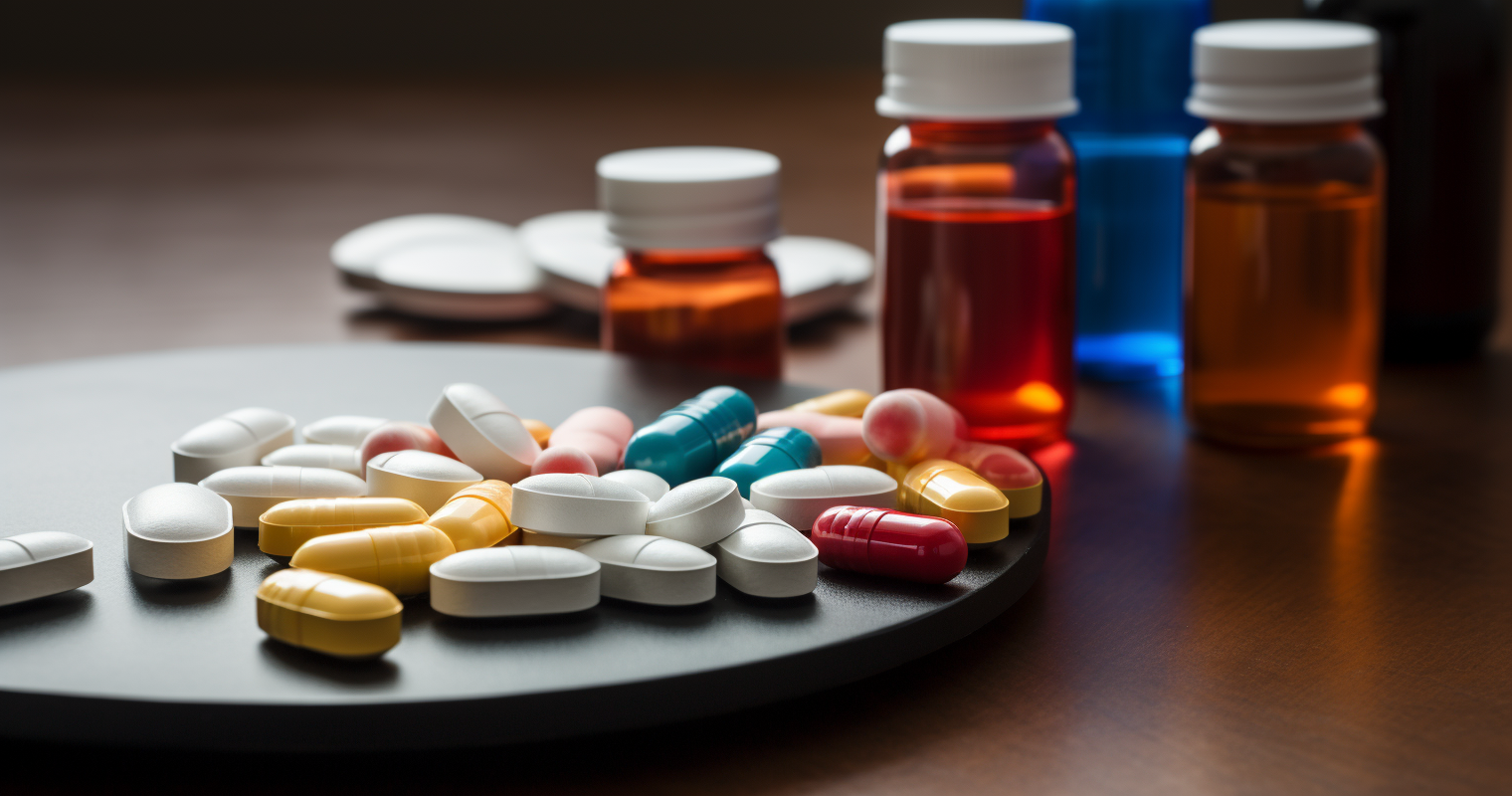
Pharmacies in The Bahamas operate under the framework of the Pharmacy Act, 2009, and carry a broad selection of both prescription and over-the-counter products. Prescription medications must be authorised by a valid local prescription, most costs fall directly on expats who lack insurance coverage, and transporting medicines into the country is governed by specific customs requirements. Getting organised early — including finding a local physician and understanding the rules around medications — is vital for anyone relocating to The Bahamas.
| Item | Details |
|---|---|
| Regulatory body | Bahamas Pharmacy Council (established under the Pharmacy Act, 2009) |
| Prescription requirement | Required for all “medicinal” (legend) drugs; some OTC drugs may also require pharmacist dispensing |
| National drug subsidy scheme | National Prescription Drug Plan (NPDP), managed by the National Insurance Board (NIB), covering 11 chronic conditions at zero or minimal cost (as of 2025) |
| NPDP eligibility for expats | Primarily covers NIB contributors, pensioners, invalids, and eligible children; expats should verify eligibility with NIB |
| Medication import rules | Governed by the Customs Management Act and Pharmacy Act; controlled substances require special permits; keep original packaging and a doctor’s letter |
| Key official sources | Bahamas Pharmacy Council; National Insurance Board; Government of The Bahamas |
What are pharmacies called in The Bahamas, and how do I recognise one?
The word pharmacy is the accepted term used throughout The Bahamas — you will encounter it on shopfronts, inside medical centres, and in retail plazas. The informal term “drugstore” is also in common use, particularly when referring to larger retail outlets that combine medications with health and beauty products in the manner typical of North American chains.
Pharmacies carry a comprehensive selection of both prescription and non-prescription items and can be found in towns and more rural settings alike, frequently situated inside or adjacent to clinics and hospitals. Nassau and Freeport — the country’s two principal urban hubs — have the highest concentration of both independent outlets and chain pharmacies, often clustered in shopping complexes near private medical facilities. On the Family Islands, commonly referred to as the Out Islands, availability becomes noticeably more limited.
Most pharmacies are identifiable by a green cross or the word “Pharmacy” displayed prominently at the entrance. Inside, a dispensing counter staffed by a qualified pharmacist is standard. The Pharmacy Act mandates that a registered pharmacist must be present throughout all hours that a pharmacy is open, meaning you will always have access to professional guidance on your medications.
Under Bahamian law, an “institutional pharmacy” refers to a facility within a healthcare institution — such as a hospital, clinic, nursing home, dispensary, sanitarium, or extended care facility — where pharmaceutical drugs are compounded, dispensed, stored or sold and which is registered with the Council. If you are uncertain whether a particular outlet holds proper registration, the Bahamas Pharmacy Council can confirm its status.
What are pharmacy opening hours in The Bahamas?
Pharmacy trading hours in The Bahamas broadly follow the pattern of retail businesses across much of the Caribbean — most open somewhere between 8:00 and 9:00 a.m. from Monday to Saturday and close between 6:00 and 8:00 p.m. Sunday and public holiday hours differ between outlets: some close entirely while others operate on shortened schedules.
Certain pharmacies offer extended trading hours, and a small number operate around the clock, particularly in tourist-heavy areas. In Nassau, pharmacies located near major hotels or busy commercial districts are more likely to provide late-evening or 24-hour service. If you find yourself in need of medication outside standard hours, contacting your hotel’s concierge or calling a nearby private hospital — Doctors Hospital in Nassau being a prime example — is a sensible approach, as hospital pharmacies typically maintain extended operating schedules.
On the Out Islands and in smaller communities, pharmacy access can be markedly more restricted, and hours may be part-time or dependent on the visit schedule of a travelling healthcare provider. Anyone planning to reside outside Nassau or Freeport should maintain an adequate stock of any regularly used medications and organise refills well in advance.
The Bahamas does not operate a centralised directory of duty pharmacies for after-hours emergencies in the way that some European countries do — France’s pharmacie de garde rota system being one well-known example. In an after-hours situation, the most reliable option is to present at a private hospital emergency department, where pharmacy services will be available at any hour.
Which medications can I buy over the counter in The Bahamas, and which require a prescription?
The Pharmacy Act defines “medicinal drugs” as a substance or preparation commonly known as a prescription or legend drug, which is required by law to be dispensed only under the authority of a prescription written by a licensed medical practitioner. This division between prescription-only “medicinal drugs” and freely available over-the-counter products mirrors the general approach taken by many other countries in classifying medicines.
Products typically available without a prescription in The Bahamas include standard analgesics such as paracetamol (acetaminophen) and ibuprofen, antihistamines, antacids, vitamins and dietary supplements, and basic wound care supplies. However, expats should note that some medicines purchased without a prescription in other countries — certain antifungal treatments, low-potency steroids, or stronger painkillers among them — may be classified as prescription-only under Bahamian regulations.
The regulatory environment for prescription medicines in The Bahamas is rigorous. Most medications, particularly those with dependency potential or a narrow therapeutic margin, require a valid prescription. Antibiotics, for instance — which can sometimes be bought informally in certain countries — are prescription-only in The Bahamas. Additionally, the Minister may, from time to time, by publication in the Gazette and under the direction of the Council, restrict the sale of a non-prescription drug by requiring the drug to be issued by a licensed pharmacist, meaning that the list of pharmacist-only or prescription-only medicines can be revised over time.
On the subject of online pharmacies, the Pharmacy Act defines an “internet pharmacy” as a facility either within or outside The Bahamas that dispenses or distributes pharmaceutical products by means of online mechanisms, and the Act also addresses the sale of drugs via automatic device or internet. In practice, ordering prescription medicines online for delivery to The Bahamas is not straightforward — all imported medications are subject to the Customs Management Act and the Pharmacy Act, and bringing in medicines without the required authorisation is prohibited. Always consult the Bahamas Pharmacy Council before attempting to source medications through an online channel.
How does the prescription system work in The Bahamas?
Prescriptions in The Bahamas are issued by licensed medical practitioners — both general practitioners and specialists hold prescribing authority. The usual process involves visiting a private clinic or a government health centre for a consultation, after which the doctor provides a written prescription that can be taken to any registered pharmacy of the patient’s choosing.
Traditionally, Bahamian prescriptions have been issued on paper. A 2024 amendment to the Pharmacy Act introduced provisions to ensure that a prescription made in writing includes an electronic prescription entered into an approved system, signalling that digital prescribing is now being formally integrated into the regulatory structure. Paper prescriptions nonetheless remain the predominant method as of 2025, even as the transition toward electronic systems progresses.
The Pharmacy (Prescription) Regulations, 2010 set out detailed requirements for how prescriptions must be drafted, issued, and dispensed. These rules stipulate that a prescription must include the patient’s name, the prescriber’s identifying details, the medication name, dosage, and directions for use. Pharmacists are obliged to retain records of every prescription they dispense.
The Bahamas does not operate a flat-rate prescription charge model comparable to the NHS in the United Kingdom, where a fixed fee applies regardless of the drug’s commercial price and repeat prescriptions can be arranged for ongoing conditions. Instead, each prescription is charged at or close to the market value of the medication, unless the patient qualifies under the National Prescription Drug Plan (see the costs section below). Repeat prescriptions for chronic conditions can be arranged through private physicians, and pharmacies in Nassau are generally experienced in ordering less commonly stocked medicines from overseas suppliers when local stock is unavailable.
How much do prescriptions and medications cost in The Bahamas?
Drug costs in The Bahamas are generally higher than those in countries operating nationalised pricing frameworks such as the United Kingdom’s NHS or Australia’s Pharmaceutical Benefits Scheme (PBS). There is no universal flat prescription charge — outside of subsidised programmes, patients pay the market price for each medicine, which can be considerable for branded or imported products.
Prescriptions are mandatory for most drugs and costs can be significant. As one illustrative example cited by an expat resident, antibiotics and painkillers following a minor procedure came to approximately $150 at a local pharmacy. The actual figure will vary considerably depending on the drug, the availability of a generic version, and the pharmacy in question. It is always worth asking whether a generic equivalent is stocked, as these can bring costs down substantially.
The principal subsidised scheme is the National Prescription Drug Plan (NPDP), introduced by the Bahamas Government in 2009 with the primary objective of improving access to prescription drugs and medical supplies in public and private pharmacies for chronic disease patients. The Plan assists patients suffering from chronic diseases in obtaining their prescription drugs and medical supplies at any participating public or private pharmacy at zero or minimal cost.
Patients living with one or more of the following chronic conditions are eligible to benefit from the Plan: Asthma, Arthritis, Breast Cancer, Diabetes, Glaucoma, High Cholesterol, Hypertension, Ischaemic Heart Disease, Major Depression, Prostate Cancer, and Psychosis. The Plan is administered by the National Insurance Board and has been rolled out in phases; Phase 1 covers NIB pensioners, invalids, and children up to 18 years or up to 25 years if in full-time education, with remaining groups brought in during subsequent phases.
The Davis administration has also announced intentions to broaden healthcare access, with more than 160,000 Bahamians living with chronic non-communicable diseases set to receive free prescription medication through the National Health Insurance Authority (NHIA). As of 2025, the NIB Chronic Drug Prescription Plan provides free medication to just over 44,000 Bahamians, primarily government workers and their families. Expats are not automatically entitled to NPDP benefits; you should confirm your eligibility directly with the National Insurance Board, as your NIB contribution status may influence your access.
For older residents, the legislation is expected to result in all senior citizens receiving their medications at no cost, among other benefits for residents who fall within specified categories. Consult the official NPDP website and the NIB website for the most up-to-date eligibility criteria and co-payment amounts, as these are subject to revision.
Will my home-country prescription be accepted in The Bahamas?
A prescription written by a doctor in another country does not carry automatic validity at pharmacies in The Bahamas. Bahamian pharmacists are legally permitted to dispense prescription-only medicines only on the basis of a prescription issued by a medical practitioner who is registered and licensed under the Bahamian Medical Act. This means a prescription from an overseas physician does not hold the same legal authority as one generated locally.
In practical terms, if you arrive with an existing prescription for a medication you take regularly, you will need to register with a local doctor, present your medical history and documentation from your previous healthcare provider, and obtain a fresh local prescription. This requirement is comparable to the approach taken in many other countries — a prescription from France, for example, cannot simply be dispensed at a UK pharmacy without re-authorisation — and it underscores the importance of establishing a relationship with a local GP as soon as you settle in.
It is essential to bring a generous supply of your current medications when you first relocate, since finding a suitable local doctor and getting registered may take time. Bear in mind that some drugs may be sold under different names in The Bahamas or may not be stocked at all, so consulting with a local healthcare professional as early as possible is always advisable.
When attending your first appointment with a doctor in The Bahamas, bring a complete medication list that includes dosages and the generic or international non-proprietary name of each drug rather than the brand name alone, along with any recent medical records and correspondence from your previous prescriber. Providing thorough documentation helps the local doctor authorise your medications swiftly and minimises the risk of any interruption to your supply.
Can I bring my medications into The Bahamas?
Bringing medicines into The Bahamas is a regulated activity designed to safeguard public health and ensure that pharmaceutical products entering the country are safe, effective, and of acceptable quality. The applicable rules derive from both the Pharmacy Act, 2009, and the Customs Management Act, and expats should acquaint themselves with these before travelling.
For personal use on arrival, the broadly recommended approach is to carry medicines in their original labelled packaging, keep a copy of the prescription or a letter from your doctor, and bring only a reasonable quantity consistent with personal use over the duration of your initial stay or transition period. Always check with Bahamas Customs and Immigration regulations before you travel, as certain medications may be restricted or prohibited.
The Dangerous Drugs Act governs the control of narcotics and psychotropic substances, imposing strict rules on their importation, possession, and distribution. Any medicine containing a controlled substance is subject to additional scrutiny and will require a special import permit. If you depend on a controlled medication — such as opioid-based pain relief, certain ADHD treatments, or benzodiazepines — contact the Bahamas Ministry of Health and Wellness and the Bahamas Pharmacy Council well before your journey to clarify what documentation and permits are needed.
Under the Pharmacy Act, the importation of medicines is restricted to licensed entities, and individuals are generally prohibited from importing pharmaceutical products without proper authorisation. This is intended to prevent counterfeit, expired, or substandard medicines from entering the country. While the importation of medicines is heavily regulated, there are provisions that allow individuals to import medicines for personal use under specific conditions, designed to balance the need for personal access to essential medicines with the imperative of safeguarding public health.
Always verify the current rules before travelling with the Government of The Bahamas and Customs authorities, as regulations can change. For specific guidance on any controlled medication, contact the Bahamas Pharmacy Council directly at pharmacycouncil.net.
Step-by-step: How to bring prescription medications into The Bahamas
- Check whether your medication is controlled: Determine whether your drug falls under the Dangerous Drugs Act (Chapter 228). Controlled substances require additional permits beyond a standard prescription.
- Gather documentation: Obtain a signed letter from your prescribing doctor, a copy of your current prescription, and any relevant medical records that explain your diagnosis and treatment. Present all relevant documents, including a medical prescription and any relevant approvals.
- Keep medications in original packaging: Ensure that the medicine is in its original packaging, with labels clearly indicating the contents and manufacturer.
- Contact the Bahamas Pharmacy Council or Ministry of Health: For controlled substances or any medication you are uncertain about, seek written guidance in advance from the Bahamas Pharmacy Council or the Ministry of Health and Wellness.
- Declare medications at customs: Declare all prescription medications when passing through customs on arrival. Customs officers may inspect the medicine to verify compliance with import regulations; cooperation with Customs authorities is essential to facilitate the process.
- Register with a local doctor promptly: Once settled, register with a Bahamian-licensed doctor so that you can obtain local prescriptions before your imported supply runs out.
How do expats access prescription medications through health insurance in The Bahamas?
The Bahamas does not yet operate a fully universal public healthcare system comparable to, say, Canada’s provincial health programmes or France’s Sécurité Sociale, where residents are broadly covered irrespective of employment status. Most expats manage their healthcare and medication costs through a combination of private health insurance and direct out-of-pocket payments.
There are several important considerations for expats regarding prescription medications. Above all, having adequate health insurance that covers prescription costs is essential. A comprehensive international health insurance policy, or a locally purchased private plan that incorporates prescription drug benefits, will substantially reduce your personal financial exposure. When reviewing and comparing policies, pay close attention to whether outpatient prescription expenses are covered — some plans include hospital treatment but exclude routine drug costs.
NIB covers over 150,000 workers, representing over 70 percent of the employed population aged 15 to 64, and offers protection including prescription drug plans for those with chronic diseases. Expats formally employed in The Bahamas and registered with the National Insurance Board may be eligible to contribute to and draw benefits from the NPDP for qualifying chronic conditions, depending on their NIB status. Always confirm your eligibility with NIB directly, as the rules for non-citizens can differ from those that apply to Bahamian nationals.
Those without insurance or NIB coverage pay the full market rate for all medications. Costs are generally somewhat higher than those in the United States for many common drugs, partly because of the logistical expenses associated with supplying a small island nation. Generic medicines, where available, represent the most affordable option. The NPDP formulary includes more than 160 drugs and medical supplies covering eleven chronic conditions.
If you have not yet secured a local insurance plan at the time of your arrival, it is strongly recommended that you arrange international expat health insurance before relocating. Confirm that your policy documents explicitly state coverage in The Bahamas, and check whether any waiting periods apply before prescription drug benefits become active.
Frequently asked questions
What should I do if I run out of medication in The Bahamas?
Seek an appointment with a local doctor or walk-in clinic as a matter of priority to obtain a Bahamian prescription. In Nassau, private clinics and Doctors Hospital can generally accommodate patients at short notice. On the Out Islands, your nearest government health clinic is the first point of contact. Should the medication not be held in local stock, many pharmacies — especially those in Nassau — are able to order it from international suppliers. The majority of prescriptions are readily available, and for those less commonly stocked, pharmacies will place orders without difficulty.
Are brand-name medications available in The Bahamas?
Brand-name medications are stocked at most pharmacies, especially in Nassau and Freeport. That said, not every brand sold in North America or Europe will be available off the shelf, and some may need to be specially ordered in. Generic equivalents are frequently in stock and are generally considerably less expensive. It is worth routinely asking the pharmacist about generic alternatives whenever cost is a factor.
Do pharmacists in The Bahamas speak English?
English is the official language of The Bahamas, and all registered pharmacists and pharmacy staff work in English. You should encounter no language barrier when describing your medication requirements or raising questions about dosage and interactions at any registered pharmacy.
What happens in a medical emergency requiring medication?
In an emergency, proceed immediately to the nearest hospital emergency department. In Nassau, both Doctors Hospital and Princess Margaret Hospital operate emergency departments with round-the-clock pharmacy services. On the Family Islands, attend the government health clinic or call for emergency medical assistance. Travel insurance that includes emergency medical evacuation cover is strongly advisable for those living or spending lengthy periods on the Out Islands.
Can I get repeat prescriptions for a long-term condition?
Yes. After registering with a local GP or specialist in The Bahamas, your doctor can issue repeat prescriptions for ongoing conditions. It is sensible to book regular follow-up appointments so that prescriptions are renewed without any gap in supply. Prescriptions are required for all prescribed medicines but are readily obtained at clinics throughout the country. If you are enrolled in the NPDP for a qualifying chronic condition, your participating pharmacy manages the billing to the scheme on your behalf.
Are medications cheaper in The Bahamas than elsewhere?
In general, no. Drug prices in The Bahamas tend to be higher than in countries that operate national subsidy schemes such as Australia’s PBS or the UK’s NHS. As most medications are imported, distribution and logistics costs are reflected in retail prices. Generic medicines offer the greatest savings, and if your private health insurance plan includes prescription drug coverage, your insurer will typically negotiate rates with participating pharmacies.
Can I use an online pharmacy to get medications delivered to The Bahamas?
Under the Pharmacy Act, the importation of medicines is restricted to licensed entities, and individuals are generally prohibited from importing pharmaceutical products without proper authorisation. Ordering prescription medications from an overseas internet pharmacy for delivery to The Bahamas carries significant legal and regulatory risk. It is strongly advisable to obtain all prescription medications through a locally registered pharmacy using a valid local prescription.
What is the best way to prepare before moving to The Bahamas with existing health conditions?
Arrive with enough of your regular medications to cover your initial settling-in period, along with complete prescription information using generic (INN) drug names, relevant medical records, and a letter from your current doctor. Register with a locally licensed GP as soon as possible after arrival so that you can secure Bahamian prescriptions before your imported supply is exhausted. Arrange comprehensive private health insurance that includes outpatient prescription coverage before you move. If any of your medications are controlled substances, contact the Bahamas Pharmacy Council and the Ministry of Health in advance for clear guidance on the import permits required.
Latest: Expat Focus International Healthcare Update September 2026 →