
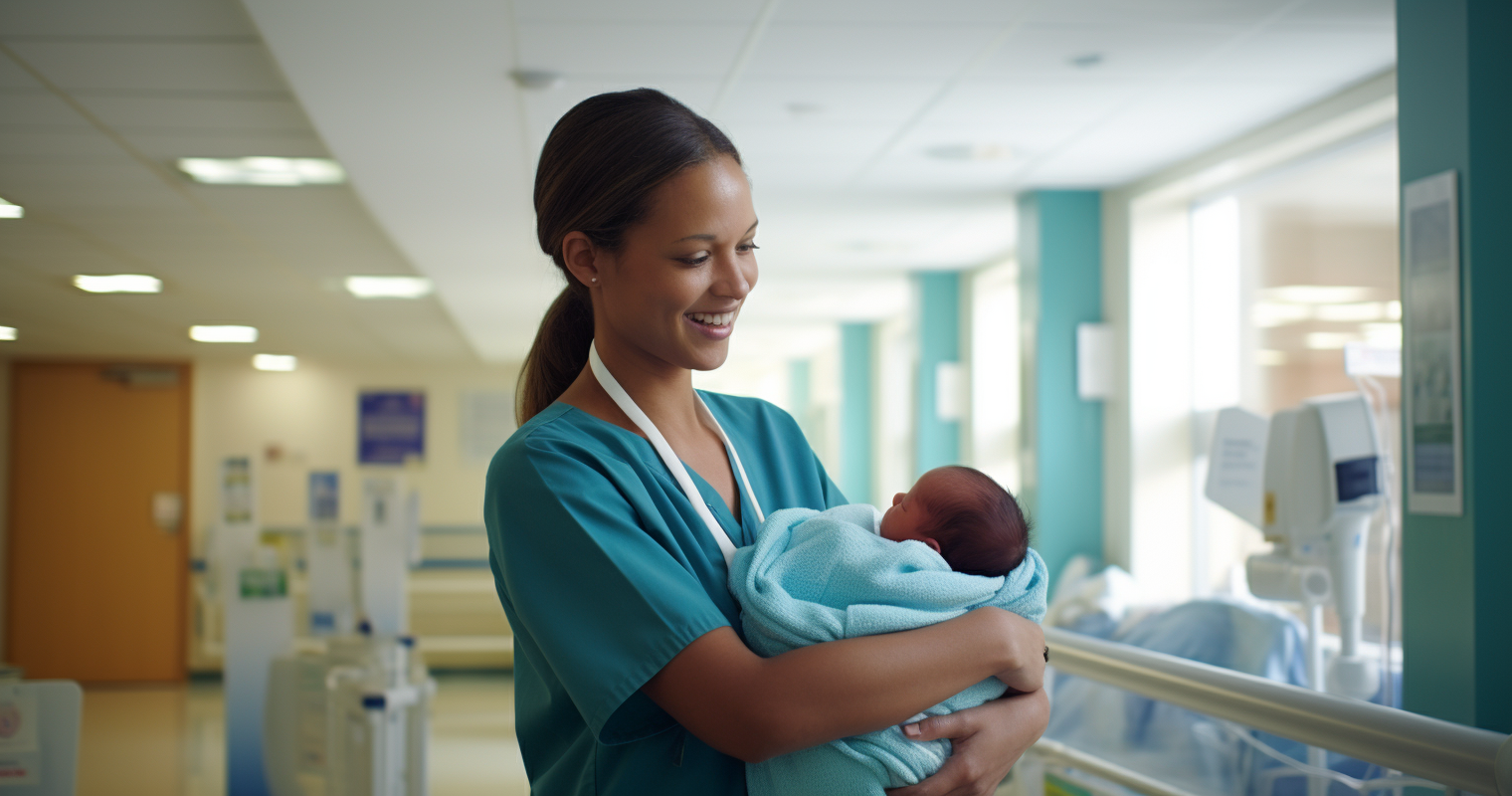
Maternity services in the Bahamas blend public and private provision, and the vast majority of births take place in hospital settings. The two principal public facilities are Princess Margaret Hospital in Nassau and Rand Memorial Hospital in Freeport, while private clinics offer reduced waiting times and additional amenities for those who prefer them. Expats planning a family here should factor medical costs into their budget, secure thorough health insurance coverage before they arrive, and understand that a child born in the Bahamas to two non-Bahamian parents will not automatically be entitled to Bahamian citizenship.
| Item | Details |
|---|---|
| Main public maternity hospitals | Princess Margaret Hospital (Nassau) and Rand Memorial Hospital (Freeport) |
| Antenatal care (public) | Available via government community health clinics; pregnancy test fee BS$10 (as of 2024) |
| Statutory maternity leave | 12 weeks paid (Employment Act); must have worked 12 months with same employer (as of 2024) |
| Birth registration deadline | 21 days from birth; free of charge (as of 2025) |
| Certified birth certificate copy | BS$10 (as of 2025) |
| Citizenship for child of two foreign parents | Not automatic; may apply at age 18 — check with the Bahamas Immigration Department |
What maternity care options are available in the Bahamas?
Antenatal or prenatal care — the routine monitoring and support provided to women throughout pregnancy — is delivered in the Bahamas by trained midwives who are qualified to oversee normal pregnancies right through to delivery. This care is available through the government’s network of community health clinics and through hospital outpatient departments, making it reasonably accessible across New Providence and Grand Bahama.
When complications arise, midwives refer patients to hospital physicians, where women deliver in dedicated labour wards under the joint supervision of midwives and doctors. Birth in hospital is the overwhelming standard in the Bahamas. In contrast to countries such as the Netherlands, where midwife-attended home births are a well-established part of the maternity landscape, home births are not a mainstream practice here, and purpose-built standalone birthing centres are almost nonexistent.
The Obstetrics and Gynaecology Department at Princess Margaret Hospital offers a comprehensive range of gynaecological and obstetric services, encompassing management of high-risk pregnancies, with qualified OB/GYN physicians and certified nurse-midwives available to support women throughout pregnancy and labour. This is the main public maternity facility serving Nassau and New Providence.
In Freeport on Grand Bahama, Rand Memorial Hospital provides public healthcare, and Eleuthera recently saw the opening of the Eleuthera Wellness Hospital — the first private hospital in the Out Islands (opened in October 2025). Across the Family Islands, however, options are considerably more restricted, and women with complicated pregnancies are routinely transferred to Nassau or Freeport for delivery.
In the private sector, Nassau is home to the Bahamas Medical Center’s OB/GYN Department, which provides fertility services, prenatal monitoring, and minimally invasive gynaecological procedures, as well as smaller private OB/GYN practices offering more personalised care and faster appointment access. Doctors Hospital Nassau is another well-regarded private provider. Expats who have previously used private or semi-private maternity systems — as found across much of continental Europe or South-East Asia — will find that the approach of Nassau’s private sector broadly mirrors that experience in terms of the ongoing relationship with a chosen OB/GYN.
Foreign nationals are not barred from using the public system, but expats on work permits are strongly encouraged to confirm their eligibility and expected costs with the relevant facility in advance, as access arrangements and charges differ between sites. The government’s official antenatal care guidance notes that requirements vary from one facility to another, and a recognised form of photo identification — such as a passport, driver’s licence, or national insurance card — will typically be required at the time of registration.
How much does it cost to give birth in the Bahamas?
The expense of having a baby in the Bahamas varies considerably depending on whether you use public or private facilities and on how straightforward your pregnancy turns out to be. Comprehensive up-to-date package pricing is not published centrally, so reaching out to hospitals and clinics directly for current figures is essential. The following outlines what is generally understood about costs.
At public hospitals, Bahamian citizens and those enrolled in the National Insurance Board (NIB) scheme may access subsidised maternity services. Foreign nationals without NIB coverage — which is ordinarily linked to formal employment with a registered Bahamian employer — will in most cases be billed at unsubsidised rates. While public facilities tend to charge less than private ones, you should contact Princess Margaret Hospital or Rand Memorial Hospital directly for current fee schedules, as these are not available online.
Private hospitals and OB/GYN practices each set their own charges. A routine vaginal birth at a private Nassau facility can run into several thousand Bahamian dollars (the Bahamian dollar is pegged at parity with the US dollar), and a caesarean section will cost considerably more once surgeon fees, anaesthetic charges, and hospital accommodation are factored in. Request a detailed cost breakdown — including any charges for newborn care — well before your due date.
The government’s antenatal service lists a BS$10 fee for a pregnancy test (as of 2024), which suggests that initial public clinic visits are low-cost, but charges for delivery and specialist care can be substantially greater. Always verify current pricing directly with the relevant facility.
International health insurance policies that include maternity cover will generally reimburse treatment at private hospitals in the Bahamas, as the country’s private facilities are widely recognised by major insurers. However, most international policies impose a waiting period of 10–12 months before maternity benefits activate, making it vital to arrange cover well before you intend to conceive. Review your policy closely for sub-limits on maternity care, newborn treatment, and neonatal intensive care, which can differ markedly from standard in-patient cover. Expats who are uninsured or self-funding should budget generously and speak to prospective hospitals in advance about deposit and payment expectations.
What is the standard of maternity and neonatal care in the Bahamas?
Maternity care quality in the Bahamas is generally regarded as adequate for uncomplicated pregnancies, particularly in Nassau. Both major public hospitals take part in programmes aimed at improving outcomes for mothers and newborns. Mothers in the maternity wards of both Princess Margaret and Rand Memorial Hospitals are actively encouraged to begin breastfeeding shortly after birth, supporting mother-infant bonding and the general wellbeing of both.
“Rooming-in” — where mother and baby stay together in the same space rather than the baby being taken to a separate nursery — is standard practice on the maternity ward. Each cubicle provides a bed for the mother alongside a crib for her baby, enabling immediate hands-on care. This approach is consistent with WHO and UNICEF recommendations and is comparable to the practice found in many well-regarded public maternity systems internationally.
For high-risk or complex pregnancies, Princess Margaret Hospital has dedicated OB/GYN and neonatal facilities. Qualified physicians and certified nurse-midwives are on hand to provide specialist guidance throughout pregnancy and delivery, including for women whose pregnancies carry additional risk. That said, the Bahamas does not possess the same breadth of specialist neonatal infrastructure found in larger nations, and extremely premature or critically ill newborns may require transfer to a hospital in the United States — particularly Miami, which is only a short flight away — for advanced neonatal intensive care. Expats managing high-risk pregnancies should discuss contingency arrangements with their OB/GYN well in advance of the due date.
There is a noticeable difference in the overall experience — though not always in clinical outcomes for straightforward deliveries — between public and private facilities. Private clinics in Nassau typically offer shorter waits, greater room privacy, and a more tailored antenatal schedule. On the Family Islands, services are considerably more limited; women with anything beyond a low-risk, uncomplicated pregnancy are generally advised to relocate to Nassau or Freeport in the closing weeks of their pregnancy.
English is the official language of the Bahamas, and all medical care is provided in English. For many expats, this removes the communication challenges that can complicate navigating a foreign healthcare system, unlike numerous other popular expatriate destinations where consultations may require a translator or interpreter.
What should expats know about maternity rights and leave in the Bahamas?
Under the Bahamian Employment Act, female employees are entitled to 12 weeks of maternity leave. Leave must commence no later than one week before the expected delivery date and must continue for a minimum of eight weeks following the birth. These statutory protections apply to all employees working for a Bahamian-registered employer regardless of nationality, meaning legally employed expats on work permits hold the same entitlements as Bahamian workers.
To qualify for paid maternity leave, an employee must have completed at least 12 months of continuous employment with her current employer. Paid maternity leave from the same employer may only be claimed once in any three-year period — a rule worth noting for expats who anticipate having more than one child during their time in the Bahamas.
Maternity pay is funded jointly through employer contributions and the National Insurance Board. The NIB Maternity Benefit is a weekly payment made to eligible insured women while they are absent from work during late pregnancy and the postnatal period. It is paid at a weekly rate of 66.66% of the woman’s average insured income, ranging from a minimum of BSD 66.42 per week to a maximum of BSD 333.30 per week (as of 2024). Throughout maternity leave, the employer is also required to pay the mother a minimum sum equivalent to 33.33% of that portion of her wages which does not exceed the National Insurance ceiling on insurable wages.
Where a pregnant woman experiences health complications arising from her pregnancy, she is entitled to an additional six weeks of unpaid leave on top of her standard maternity leave. This offers meaningful protection for those who face pregnancy-related health difficulties.
There is currently no statutory right to paid paternity leave under Bahamian labour law. Any provision for paternity or parental leave rests with the employer’s discretion or with what has been agreed in an individual employment contract or collective bargaining arrangement. Some larger international employers operating in the Bahamas do offer paid paternity leave beyond the legal minimum, so it is worth reviewing your contract carefully.
Self-employed individuals and those working under freelance or contract arrangements are not covered by the Employment Act’s maternity provisions in the same manner as salaried workers. However, if you are registered with the National Insurance Board and have been making contributions, you may still qualify for the NIB Maternity Benefit. Contact the National Insurance Board of the Bahamas and the Department of Labour directly to confirm current eligibility conditions and the process for making a claim.
How do you register a birth in the Bahamas?
Every birth must be registered within 21 days of its occurrence at the Births and Deaths Section of the Registrar General’s Department. This is comparable in principle to registration deadlines in many other countries — such as the 42-day requirement in England and Wales — and the underlying process should feel reasonably familiar. Registering promptly is important: the birth certificate is the primary identity document your child will need to obtain a passport, enrol in school, and access government services.
The step-by-step process for registering a birth within 21 days is as follows:
- Obtain a completed form from the hospital or birthing centre where the child was born.
- Submit this completed form to the Births Section of the Registrar General’s Department, and present a valid photo ID of the parent(s).
- The Clerk will enter the birth into the Birth Register, and copies of the birth certificate are printed for signature by parents and the Registrar General.
- After signature by the Registrar General, one original birth certificate is presented to the parent(s) of the child.
Provided all required documents are submitted at the point of registration, the process generally takes between one and three business days. The Registrar General’s Department is situated at the Bahamas Financial Centre, Shirley and Charlotte Street, Nassau, and is open Monday to Friday from 9:30 am to 4:00 pm, excluding public holidays.
Birth registration itself carries no fee (as of 2025). Certified copies of the birth certificate can be requested online for BS$10 (as of 2025). A late registration fee of BS$15 is charged if registration does not occur within the prescribed 21-day window (as of 2025).
If a birth has not been registered within the 21-day period, registration remains possible up until the child’s third birthday; however, once the child is older than one year, an affidavit explaining the delay in registration is required.
For children born on the Family Islands, birth registers submitted by Family Island Administrators are recorded at the Bahamas Birth Registry at the Registrar General’s Department. Parents in these locations can submit their documents to the local Family Island Administrator rather than travelling to Nassau.
Alongside registering the birth with Bahamian authorities, expat parents should also notify their home country’s embassy or consulate in Nassau. This is the standard way in which most countries formally recognise a child born overseas as a national and facilitate the issuance of a passport. For instance, a child born in the Bahamas to a US citizen parent should be reported to the US Consular Section of the US Embassy in Nassau as promptly as possible, with the official record taking the form of a Consular Report of Birth Abroad (CRBA). Procedures differ by nationality, so contact your own embassy or consulate for the specific requirements, applicable fees, and appointment details that apply in your case.
What nationality will my child have if born in the Bahamas?
Bahamian nationality may be acquired through the principle of jus soli — by being born on Bahamian territory — or under the rules of jus sanguinis — through birth abroad to a Bahamian father. It may also be conferred on individuals with a recognised connection to the country, or granted through naturalisation to permanent residents who have spent a qualifying period residing there. However, the jus soli principle does not function in the unconditional way it does in countries such as the United States, where birth on the territory alone is sufficient to confer citizenship.
Automatic Bahamian citizenship is conferred upon persons born in the Bahamas to married parents where at least one parent is a Bahamian citizen, or upon persons born to an unmarried Bahamian mother. Put simply, if both parents hold foreign nationality, the birth of their child in the Bahamas does not automatically grant that child Bahamian citizenship. The child will not be left stateless — they should acquire citizenship through their parents’ nationalities — but Bahamian citizenship is not conferred simply by virtue of birth on Bahamian soil.
Children born in the Bahamas to two foreign-national parents may, however, have the right to apply for Bahamian citizenship upon reaching the age of 18, subject to satisfying residency and other requirements. A non-refundable processing fee of BS$200 applies to citizenship applications, payable by cash, credit or debit card, postal or money order, or bank-certified cheque (as of 2025).
Dual nationality is not permitted in the Bahamas beyond age 21. Those who hold dual status as minors must elect a single nationality upon reaching adulthood. This is a significant consideration for expat families thinking about their children’s long-term future.
Nationality and citizenship law is inherently complex, and the rules in the Bahamas can interact with those of your own country in ways that are not always straightforward to interpret. Always verify your individual circumstances with the Bahamas Immigration Department, your own embassy or consulate, and — where significant rights or assets are at stake — a suitably qualified legal adviser with expertise in both Bahamian and your home country’s nationality law.
What are the laws and attitudes around abortion in the Bahamas?
Abortion is illegal in the Bahamas in most circumstances. This represents a considerably more restrictive legal position than that found in many of the countries from which internationally mobile people typically come, and anyone planning to live in the Bahamas should be aware of this legal context before they arrive.
Under Article 315 of the Bahamas Penal Code, “Whoever intentionally and unlawfully causes abortion or miscarriage shall be liable to imprisonment for ten years.” Terminations may only lawfully be carried out in cases of foetal abnormality, rape or incest, and on grounds relating to the health of the mother.
In response to a periodic review conducted by the UN’s CEDAW committee, the Bahamian government stated that “abortions are usually performed within the first trimester, although they are often allowed up to 20 weeks of gestation.” Any termination must be carried out in a hospital setting by a licensed physician. In practice, access to lawful termination services within these narrow grounds occurs principally through the public hospital system, though availability and consistency of access can vary.
Given documented increases in sexual violence against women and girls in the Bahamas, legal authorities have called for an urgent review of the Penal Code and the interpretation of the right to life under Article 16 of the Bahamas Constitution, with a view to potentially decriminalising abortion at least in cases of rape and incest. In 2022, the Prime Minister’s Press Secretary confirmed that abortion would remain unlawful for the foreseeable future, while acknowledging that this position could shift if public opinion changes.
As of 2025, the legal position remains as set out above. Expats who may require reproductive healthcare beyond what is lawfully available in the Bahamas may need to travel to another country for those services. For current authoritative guidance, contact the Bahamas Ministry of Health and Wellness directly, and seek independent legal advice where needed.
Frequently asked questions
Can I give birth at a private hospital in the Bahamas as a foreign national?
Yes. Private hospitals in Nassau, such as Doctors Hospital and the Bahamas Medical Center, welcome patients of any nationality. Bahamian citizenship or permanent residency is not a requirement for accessing private maternity care. You will generally be required to pay out-of-pocket or through international health insurance. Contact the hospital directly well before your due date to get clarity on costs and payment requirements.
Is antenatal care covered for expats through the public system?
Expats who are formally employed in the Bahamas and registered with the National Insurance Board may be able to access public health services, including antenatal care at community health clinics. Costs and coverage for foreign nationals without NIB registration can vary from one facility to another. Check directly with the relevant clinic or the Ministry of Health and Wellness, and always confirm your coverage arrangements before attending any appointments.
How long does it take to get a birth certificate in the Bahamas?
Where all required documents are submitted at the time of registration at the Registrar General’s Department, the process typically takes between one and three business days. The birth must be registered within 21 days. Certified copies of the birth certificate are available for BS$10 (as of 2025).
Does my child automatically become a Bahamian citizen if born in the Bahamas?
Not if both parents are foreign nationals. Automatic Bahamian citizenship is conferred only where at least one parent holds Bahamian citizenship. Children born in the Bahamas to two non-Bahamian parents do not acquire citizenship automatically, though they may be eligible to apply for it upon turning 18. Confirm your specific situation with the Bahamas Immigration Department and your own embassy or consulate.
What documents do I need to register a birth in the Bahamas?
You will need a completed form obtained from the hospital or birthing centre where the birth took place, along with a valid photo ID — such as a passport — for the parent or parents. Where registration is carried out by someone other than a parent, an authorisation letter is also required. There is no charge for registration itself, though a late fee of BS$15 applies if registration occurs after the 21-day deadline (as of 2025).
How do I register my child’s birth with my home country?
Most countries require that births occurring overseas be reported to the relevant embassy or consulate in Nassau, which will then issue an official record of birth abroad. The exact procedure, required documentation, fees, and processing times vary according to nationality. Get in touch with your embassy or consulate in the Bahamas as soon as possible after the birth. You will usually also need to apply separately for a passport for your newborn.
What is the statutory maternity leave entitlement in the Bahamas?
The Bahamian Employment Act provides for 12 weeks of paid maternity leave, beginning at least one week before the expected delivery date and continuing for a minimum of eight weeks afterwards. Eligibility for paid leave requires at least 12 months of continuous employment with the same employer. Paid maternity leave may only be claimed from a single employer once in any three-year period (as of 2024). There is no statutory right to paid paternity leave; any such arrangement is at the employer’s discretion.
Is there a neonatal intensive care unit (NICU) in the Bahamas?
Princess Margaret Hospital in Nassau has neonatal care capabilities for premature and unwell newborns. However, the Bahamas does not have the same depth of specialist neonatal infrastructure as larger countries. Where newborns are extremely premature or critically ill, transfer to a hospital in the United States — particularly Miami — may be necessary. Expats managing high-risk pregnancies should discuss contingency arrangements with their OB/GYN well ahead of the due date and ensure their health insurance includes coverage for medical evacuation.
Latest: Expat Focus International Healthcare Update August 2026 →