
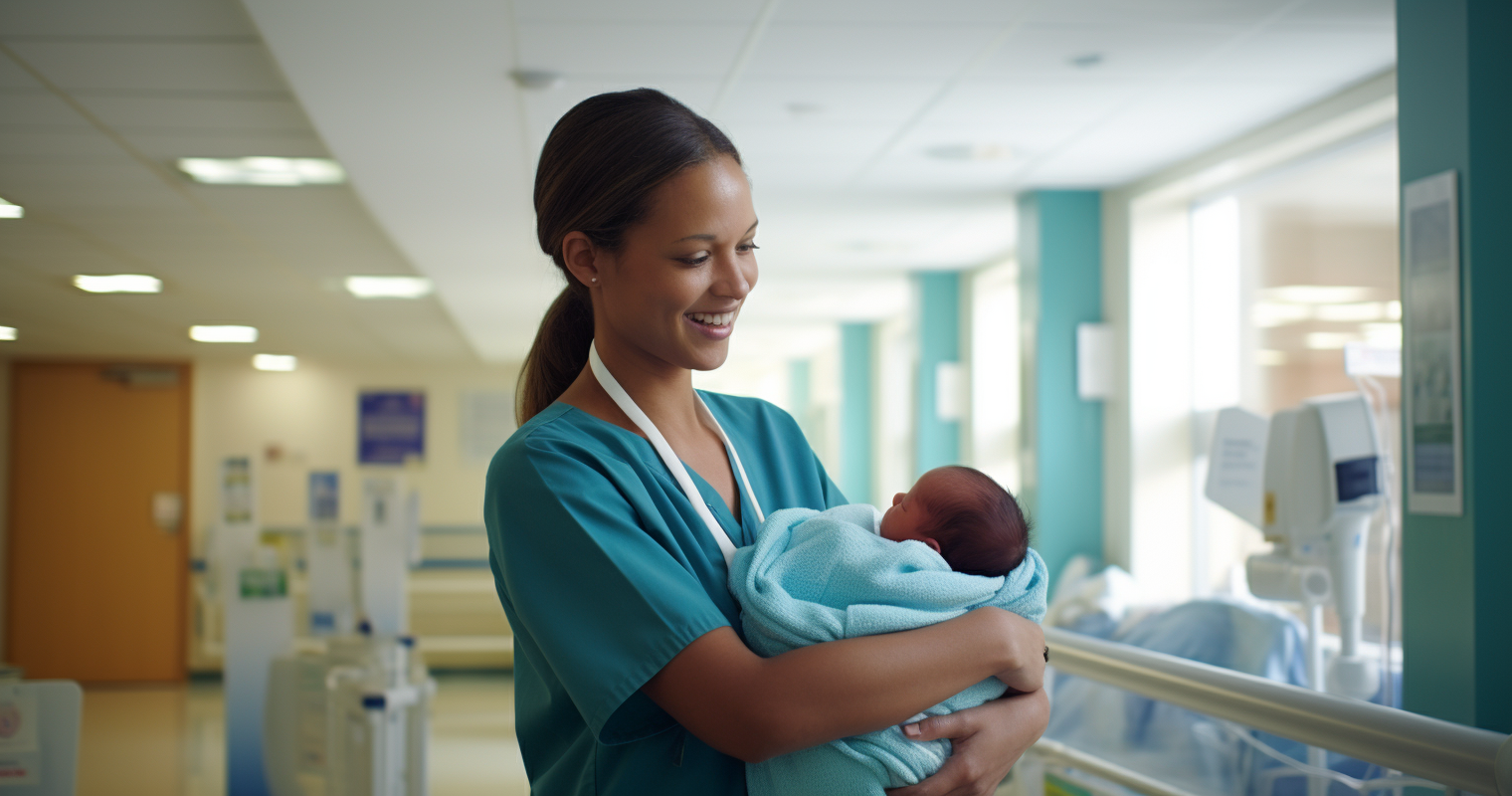
Belize provides maternity care through both public and private channels, with the overwhelming majority of births taking place in hospital settings. Residents who contribute to the social security system — including eligible expats — can access public healthcare, though the quality of facilities differs considerably between cities and rural regions. Private clinics provide a more comfortable alternative for those who can afford them. Because English is the country’s official language, navigating the healthcare system is considerably easier for many foreign nationals than in non-Anglophone destinations. Expats are strongly advised to secure comprehensive health insurance long before trying to conceive, as out-of-pocket costs and policy coverage can vary enormously.
| Item | Details |
|---|---|
| Official language | English — widely spoken in hospitals and clinics |
| Births attended by skilled personnel | 95.7% (as of 2022, PAHO) |
| Maternity leave duration | 14 weeks (as of 2024) |
| Maternity benefit rate (SSB) | 80% of average weekly insurable earnings; min BZD 44 / max BZD 384 per week (as of 2024) |
| Birth registration deadline | 42 days from birth; free in the first year; late fees apply after one year |
| Birth certificate fees | BZD 4–20 depending on type and processing speed (figures from available sources; verify with Vital Statistics Unit) |
What maternity care options are available in Belize?
Belize’s public healthcare system is organised into four regional health authorities — northern, central, western, and southern — each responsible for primary and secondary care within its geographic boundaries. Pregnant women typically begin their care journey at a local health centre or polyclinic, where antenatal services include blood pressure checks, urine testing, nutritional guidance, and screening for conditions such as HIV, syphilis, and hepatitis B.
Belize has put in place a comprehensive national strategic plan for the elimination of mother-to-child transmission of HIV, syphilis, and hepatitis B covering the period 2024–2030, making routine testing for these conditions a standard feature of public antenatal care. Ultrasound imaging may be available at district hospitals, but access to advanced diagnostic services outside Belize City and Belmopan can be limited; expats wanting regular detailed scans may find private clinics a more dependable option.
In 2022, skilled birth personnel attended 95.7% of deliveries in Belize, reflecting a strong national shift toward institutional, hospital-based births. Home births are uncommon and not well supported by the formal health system, though they do occur in more remote or indigenous communities. Standalone birthing centres of the type common in parts of Europe or North America play no significant role in Belize’s maternity landscape; the standard route is to deliver in a public district hospital or, where complications are expected, at one of the regional referral hospitals.
Private maternity services are available in Belize City and, to a lesser degree, in other urban centres. Private clinics and hospitals offer obstetrician-led appointments, more thorough ultrasound packages, and private or semi-private delivery rooms. Unlike single-payer systems — such as Canada’s provincially funded model, where nearly all maternity care is publicly financed — Belize operates a mixed arrangement in which the public network handles most births while private facilities serve those with the means or insurance to access them. Expats who are not contributing to Belize’s Social Security Board (SSB) will generally need to pay for public hospital services or use private care — contact the Ministry of Health and Wellness of Belize for up-to-date guidance on what public services are accessible to non-residents.
How much does it cost to give birth in Belize?
Maternity care costs in Belize differ substantially depending on whether you use the public or private system and on how complicated your care turns out to be. Public hospitals charge nominal fees for consultations and deliveries, but the precise schedule is determined by the Ministry of Health and Wellness and is subject to periodic revision — always confirm current charges directly with the facility or through the Ministry of Health and Wellness. Expats who are not Belizean citizens or permanent residents may be billed at different rates from nationals, so it is worth clarifying this in advance.
Private maternity care in Belize City costs significantly more than the public system, though it generally remains cheaper than equivalent private care in North America or Western Europe. Private obstetric consultations, ultrasound examinations, and a private delivery can together amount to several thousand Belizean dollars (BZD); one Belizean dollar is roughly equivalent to half a US dollar. Because private facilities do not consistently publish their fee schedules, contact hospitals and clinics directly for current pricing before making any decisions.
International health insurance is strongly recommended for expats planning to give birth in Belize. Most comprehensive international policies include maternity cover, but many impose a waiting period of 10–12 months before maternity benefits become available — meaning your policy should ideally be active well before you conceive. Review your policy documents closely for waiting periods, payout limits (some policies cap maternity benefits), and whether coverage extends to both routine deliveries and complications such as caesarean sections or neonatal intensive care. If you are employed and contributing to the SSB, you may qualify for the Social Security maternity allowance (discussed in the section on maternity rights below), but this is separate from the actual cost of clinical care.
What is the standard of maternity and neonatal care in Belize?
The quality of maternity and neonatal care in Belize has improved meaningfully in recent years, aided by international health programmes. Thanks to support from the Salud Mesoamerica Initiative, Belize achieved a notable rise in the proportion of mothers and newborns receiving high-quality care for obstetric and neonatal complications — figures more than doubled between 2012 and 2022, rising from 22% to 56% for mothers and from 24% to 56% for newborns.
The Ministry of Health and Wellness of Belize has been developing a national Quality Health Policy, drawing on a decade of experience from the Salud Mesoamerica Initiative. Despite this upward trajectory, the overall picture remains complex. The maternal mortality ratio in 2020 was estimated at 129.8 deaths per 100,000 live births — higher than in most high-income countries, though consistent with Belize’s lower-middle-income classification.
Regional disparities in care quality are significant. Only the Central Health Region, which serves the country’s largest population, provides tertiary care services. This means that for high-risk pregnancies or serious obstetric emergencies, women in other parts of the country may face lengthy referral journeys. Patients from the south, for instance, may be transferred to the Southern Regional Hospital, which can be more than two hours away by road. Expats living in rural areas or on the cayes should factor this potential travel distance into their birth planning.
Neonatal intensive care is limited and concentrated in the main referral hospitals. For extremely premature infants or newborns requiring specialist neonatal surgery, medical evacuation to Mexico, the United States, or another country with advanced neonatal capabilities may be necessary — making international health insurance with medical evacuation cover an essential consideration.
Private facilities in Belize City generally offer a more consistently comfortable environment, with greater continuity of care from a named obstetrician, shorter waiting times, and better-equipped delivery rooms. Even so, private hospitals in Belize do not match the specialist capacity of major private facilities in, for example, Mexico City or Miami — for very high-risk pregnancies, some expats opt to travel abroad to give birth. One significant advantage Belize holds over many other expatriate destinations is that English is the official language and is used throughout the healthcare system, eliminating the language barrier that can complicate maternity care in non-Anglophone countries.
What should expats know about maternity rights and leave in Belize?
Under Belize’s labour legislation, female employees are entitled to a minimum of 14 weeks of maternity leave, with the possibility of extension if medically warranted. This leave may begin up to 7 weeks before the expected date of delivery and must cover at least 7 weeks after the birth. These rights are established in the Belize Labour Act and apply across both public and private sector employment.
The Labour Act provides that female workers are entitled to fourteen weeks of maternity leave on full pay. In practice, the cost of this pay is shared between the employer and the Social Security Board. As of 2024, the state maternity allowance equals 80% of the employee’s average weekly insurable earnings over the 39 weeks preceding the start of maternity leave. The minimum weekly benefit is BZD 44 and the maximum is BZD 384. Women must have paid 50 contributions to the Social Security Fund in order to qualify. The employer is responsible for topping up the difference between the SSB benefit and the employee’s full contractual pay.
To be eligible for maternity leave, an employee must have worked for the same employer for at least 150 days during the 12 months immediately before the birth. Foreign nationals legally employed in Belize under a valid work permit are covered by the Labour Act on exactly the same basis as Belizean nationals — entitlements are not restricted by citizenship. However, to access the SSB maternity allowance, the required number of social security contributions must have been made, so expats should register with the Social Security Board of Belize as soon as they commence employment.
There is no statutory entitlement to paternity leave for male employees in Belize. Some employers offer paternity leave as an additional benefit, typically amounting to around 5 days of paid leave. Specific statutory provisions for paternity or adoption leave are less clearly defined than for maternity leave, and any entitlements beyond the legal minimum depend on individual employer policy or collective agreements.
Self-employed workers and independent contractors are not covered by the maternity provisions of the Labour Act in the same way as employees. Independent contractors are not entitled to the same benefits as regular employees, and companies should seek advice from a local legal expert to confirm their obligations. Self-employed individuals who contribute to the SSB may still qualify for the maternity allowance if they meet the relevant contribution thresholds — check directly with the SSB. For authoritative and current guidance, contact the Ministry of Labour, Local Government and Rural Development.
How do you register a birth in Belize?
The Vital Statistics Unit (VSU) administers birth registration in accordance with the Registration of Births and Deaths Act, Chapter 157 of the Substantive Laws of Belize, Revised Edition 2020. The VSU, which operates under the Attorney General’s Ministry, is responsible for registering all births, marriages, and deaths in the country. Every birth in Belize must be registered within 42 days; late registration is permitted but carries fees after the child’s first birthday. Birth certificates are issued upon completion of registration.
The procedure for registering a birth in Belize is as follows:
- Obtain a Proof of Birth document. Registering a birth requires a Proof of Birth issued by the hospital where the delivery took place. If the birth occurred at home, contact the VSU directly to find out what alternative documentation will be accepted.
- Gather supporting documents. Both parents should bring valid photo identification — passports are the preferred option for expat parents. You will also need your marriage certificate if you wish both parents to appear on the birth certificate.
- Visit a VSU registration office or district clerk. Registration is handled by VSU officers, appointed deputy registrars in the various districts, or by registration clerks based at all main district hospitals. The VSU has two principal offices — in Belize City and in Belmopan — and registration clerks at district hospitals make it possible to register the birth before being discharged.
- Complete the registration form. Applications for birth certificates must be made in person at a Vital Statistics office. Staff will record the child’s name, date and place of birth, and the parents’ personal details in the national register.
- Pay any applicable fees and collect the birth certificate. Birth registration is free during the child’s first year. A late registration fee applies once the child is over one year old. Certificate fees range from BZD 4–20 depending on the type of certificate and the processing option chosen (verify current fees with the VSU). Standard processing typically takes around two weeks; same-day and next-day services are also available.
Once you have the Belizean birth certificate, expat parents should complete two further steps. First, register the birth at your home country’s embassy or consulate in Belize, or at the nearest one with jurisdiction over Belize. Most countries require overseas births to be registered within a prescribed period in order to secure the child’s citizenship and obtain a passport — contact your embassy directly for the specific documents and timelines that apply. Second, apply for a passport for your child from your home country if you plan to travel or relocate. Consult the Vital Statistics Unit (Attorney General’s Ministry) for the most current requirements and fee information.
What nationality will my child have if born in Belize?
Belizean nationality law operates primarily on a jus soli (right of the soil) basis for children born to Belizean parents, combined with jus sanguinis (right of blood) rules for children born abroad to Belizean nationals. For children born in Belize to foreign parents, however, the position is more nuanced and citizenship is not automatically conferred simply by virtue of birth on Belizean territory.
Under the Belize Nationality Act, a child born in Belize acquires Belizean citizenship at birth if at least one parent is a Belizean citizen or is ordinarily resident in Belize. If both parents are foreign nationals who hold neither permanent residency nor Belizean citizenship, their child does not automatically become a Belizean national. In practice, if both parents are in Belize on temporary visas, their child will typically take the nationality of one or both parents rather than Belize, and the birth should be registered promptly with the relevant embassy or consulate.
Nationality law is highly complex and turns on the specific circumstances of each family, including the parents’ own nationalities, their residency status in Belize, and any dual-nationality rules in their home countries. Some countries do not permit dual nationality, which can give rise to complications. Expat parents should verify their child’s citizenship position carefully by consulting: (1) the Belize Immigration and Nationality Department; (2) their home country’s embassy or consulate in Belize; and (3) a qualified legal adviser with expertise in both Belizean and home-country nationality law. General guidance should not be relied upon — seek formal, written advice tailored to your personal circumstances before the birth.
What are the laws and attitudes around abortion in Belize?
Compared with many of its Central American and Caribbean neighbours — where abortion may be prohibited in nearly all circumstances — Belize has a relatively permissive legal framework governing termination of pregnancy. Abortion in Belize is regulated by the Criminal Code, which allows termination on broader grounds than in many comparable countries in the region, including to protect the physical or mental health of the woman and in cases of foetal abnormality.
As of 2024, abortion in Belize is lawful up to 12 weeks of pregnancy without the need to specify a reason, and after 12 weeks in defined circumstances such as a serious risk to the life or health of the mother or a significant foetal abnormality. This makes Belize one of the more permissive jurisdictions in Central America and the Caribbean — neighbouring Guatemala, for example, prohibits abortion in almost all circumstances. That said, legal permissibility does not always translate into ready access: availability through the public health system can be restricted, services are concentrated in urban centres, and much provision occurs through the private sector.
Costs for abortion services in the private sector are not routinely published; expats should contact providers directly for current pricing. Attitudes among healthcare professionals can vary — while the law permits abortion, some practitioners may decline to perform them on grounds of conscientious objection, which can affect practical access in certain facilities. Broader social and cultural attitudes in Belize — a country where Christianity is the most widely professed religion — mean that abortion can be a sensitive topic in both clinical and community settings.
Expats seeking reproductive health services should consult the Ministry of Health and Wellness of Belize or speak with a trusted healthcare provider for up-to-date information on available services, as regulations and access can change. As of 2024, always verify the current legal position and service availability directly with Belizean health authorities rather than relying on information from other countries.
Frequently asked questions
Can I use Belize’s public health system for maternity care as an expat?
Whether you can access the public health system depends on your residency and employment situation in Belize. If you are employed and making contributions to the Social Security Board, you are entitled to SSB maternity benefits. Public hospital services are broadly available to anyone in Belize, though non-nationals may be subject to fees. Contact the Ministry of Health and Wellness directly for current guidance on access and fee structures for foreign nationals.
Is it safe to give birth in Belize?
In 2022, skilled birth personnel attended 95.7% of deliveries in Belize. For uncomplicated, low-risk pregnancies, hospital-based births in Belize are generally considered safe. However, specialist and neonatal intensive care is limited outside the main referral hospitals, so expats with high-risk pregnancies or complex medical histories should discuss their options with an obstetrician and consider whether delivery in a larger city or abroad would be more appropriate.
How much does it cost to give birth in a private hospital in Belize?
Private maternity fees in Belize are not published in any standard schedule and differ between providers. Contact private hospitals and clinics in Belize City directly for current pricing. Costs will typically cover antenatal consultations, ultrasound examinations, the birth itself, and any postnatal care. Make sure your international health insurance policy covers maternity services in Belize, and check carefully for any waiting periods before your benefits activate.
How long do I have to register my baby’s birth in Belize?
Every birth must be registered with the Vital Statistics Unit within 42 days; late registration is permitted but attracts fees once the child is more than one year old. Registration is free during the first year of the child’s life. Registering promptly is strongly recommended, as the birth certificate is needed for all subsequent steps, including embassy registration and passport applications.
Will my child automatically be a Belizean citizen if born in Belize?
Not automatically, if both parents are foreign nationals without Belizean citizenship or permanent residency. Belizean citizenship at birth generally requires at least one parent to be a Belizean citizen or to be ordinarily resident in Belize. Expat parents should confirm their child’s citizenship status with the Belize Immigration and Nationality Department and their home country’s embassy, and should seek legal advice specific to their circumstances.
Do I need to register my baby’s birth with my home country’s embassy?
Yes, in most cases. The majority of countries require their nationals to register births that occur abroad with the nearest embassy or consulate in order to establish the child’s citizenship and obtain a passport. The documents required and registration deadlines vary by country — contact your embassy in Belize (or the embassy with jurisdiction over Belize) as soon as possible after the birth. The Belizean birth certificate will usually be required as part of this process.
Is there statutory paternity leave in Belize?
There is no statutory right to paternity leave for male employees in Belize. Some employers provide paternity leave as a discretionary benefit, typically amounting to around 5 days of paid leave. Any entitlements beyond the legal minimum are entirely dependent on individual employer policy, so check your employment contract or speak with your employer about what may be available to you.
What documents do I need to register a birth in Belize?
To register a birth in Belize, you must present a Proof of Birth issued by the hospital where the delivery took place. You will also need valid photo identification for both parents — passports are recommended for expat parents — and a marriage certificate where applicable. Applications for birth certificates must be made in person at a Vital Statistics Unit office. For births that took place outside a hospital, contact the VSU directly for advice on what alternative evidence is acceptable. Visit the Attorney General’s Ministry Vital Statistics Unit for the latest requirements and fees.
Latest: Expat Focus International Healthcare Update August 2026 →