

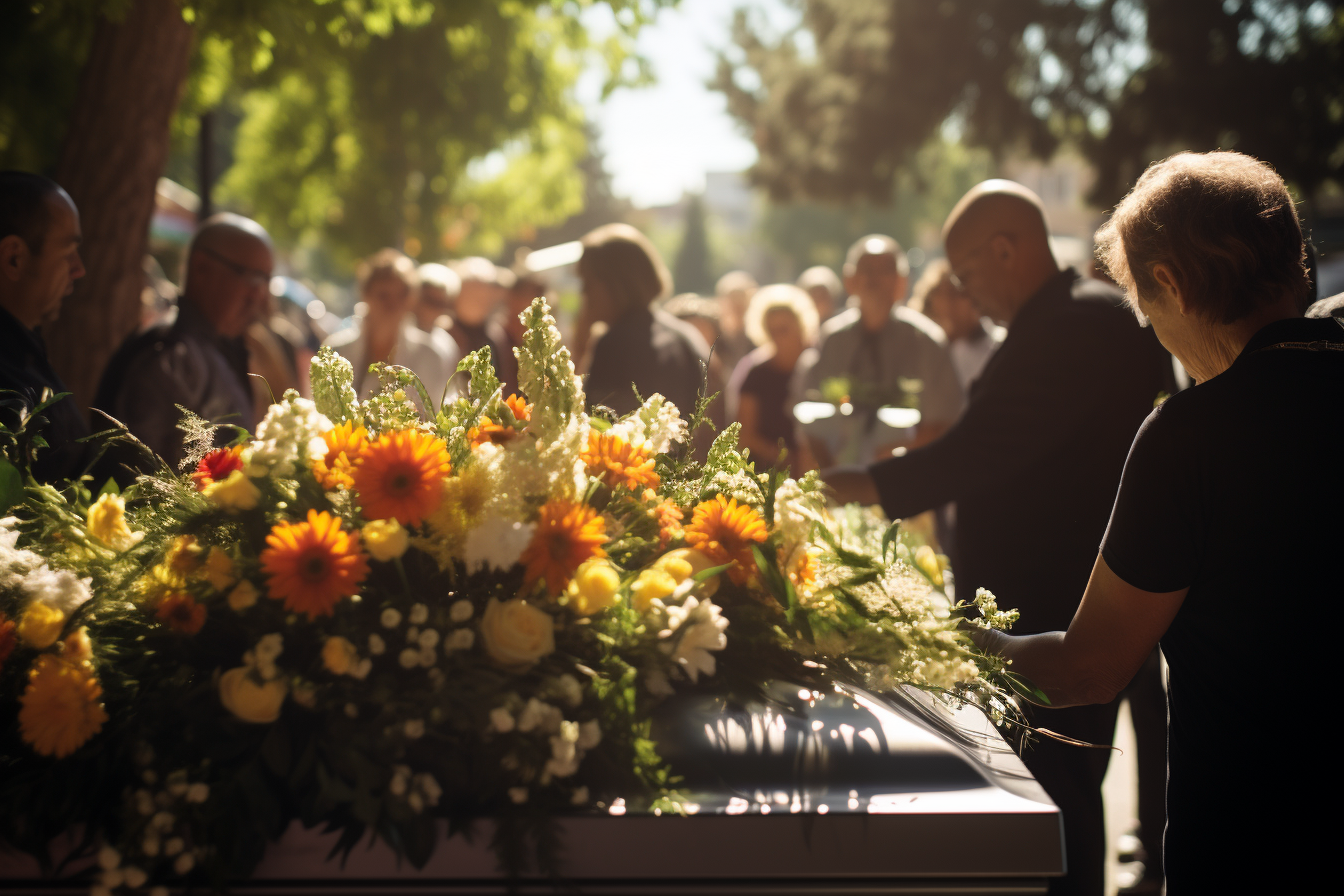
Canada’s end of life care framework is administered at the provincial and territorial level, which means that palliative and hospice services, advance care planning legislation, and the procedures for handling a death all differ depending on where in the country you reside. Expats need to be clear on what public health coverage includes, which legal documents they should prepare in advance, and what steps are required — and by whom — when a death occurs in Canada.
| Item | Details |
|---|---|
| Palliative care system | Provincially and territorially administered; access and coverage vary by region (as of 2025) |
| Public coverage for palliative care | Hospital-based palliative care generally covered; home and hospice care varies by province (as of 2025) |
| Medical Assistance in Dying (MAiD) | Legal for eligible adults since 2016; governed by strict federal criteria under the Criminal Code |
| Death registration | Must be registered with the provincial/territorial vital statistics authority; funeral directors typically assist |
| Probate | Required for most estates; no federal inheritance or estate tax in Canada (as of 2025) |
| Repatriation of remains | Typically takes 7–14 days; costs can exceed CAD $20,000 for full body repatriation (as of 2024) |
What end of life care options are available in Canada, and how does the system work?
Canada’s publicly funded healthcare system — often referred to as Medicare — is not a single unified national programme. Instead, it comprises 13 separate health insurance plans, one for each of the ten provinces and three territories. This structure means that end of life care services — where they are delivered, how they are accessed, and what is publicly funded — can differ substantially depending on where you live. In broad terms, four main care settings exist for people approaching the end of life: specialised palliative units within hospitals, home-based care, residential hospices, and long-term care facilities.
Most Canadians with serious illness express a preference to spend their final period of life at home or in a setting that resembles home, and the healthcare system is working toward meeting this demand. Progress, however, remains uneven. Among those receiving some form of palliative support, 61% receive it within a hospital only, while 36% access palliative care at home; in 2021–2022, 13% of Canadians died at home with palliative support — up from 7% in 2016–2017.
Barriers to quality palliative care exist across all settings, whether in densely populated cities or in remote rural areas. System capacity limitations, gaps in awareness among health professionals and the wider public, geographic distance, and demographic diversity all contribute to unequal access. Expats residing in smaller towns or more isolated communities should anticipate that services may be more restricted than those available in major urban centres.
What is palliative care in Canada, and who is eligible for it?
Palliative care is centred on maintaining the quality of life for people living with a progressive, life-limiting condition. It encompasses pain and symptom control, psychosocial and bereavement support, spiritual care, and the provision of dignified, comfortable surroundings. It is not aimed at hastening or delaying death — its purpose is to support comfort and dignity throughout the illness journey.
Best practice calls for palliative care to begin early in the course of a disease, to be sustained with appropriate intensity and quality, and — as a person’s natural death approaches — to be delivered at home when that is the person’s preference. In practice, however, research consistently shows that only a fraction of Canadians receive palliative care that meets these standards. Much of what is delivered occurs late in the disease trajectory, with limited intensity, and predominantly within acute hospital settings.
There is no single national eligibility threshold for palliative care in Canada. As a general principle, anyone living with a life-limiting or life-threatening condition — which may include cancer, cardiac failure, organ failure, dementia, or progressive neurological disorders — can be referred to palliative services. Referrals are typically initiated by a family physician, a specialist, or a hospital care team. Expats who have enrolled in their province or territory’s public health insurance plan have access to publicly funded palliative care on the same footing as any other covered resident.
Are there hospices in Canada, and how do you access them?
When remaining at home is no longer feasible or desired, a hospice can offer a calm, home-like environment in which palliative care is delivered. Since 2018, the number of hospice settings available to Canadians has grown, and residential hospice beds continue to be added across provinces and territories. Despite this expansion, Canada still falls well short of the internationally recommended benchmark of at least seven hospice beds per 100,000 people, as highlighted by the Canadian Cancer Society.
Both palliative and hospice care can be provided within a residential hospice setting. Whereas hospice care is specifically designed for people who are in the final stage of life and their families, palliative care can be introduced progressively alongside other forms of treatment. In practice, a residential hospice offers continuous nursing support, pain management, emotional and psychological care, and a comfortable living environment — conceptually similar to a Marie Curie hospice in the UK, though publicly funded to varying degrees depending on the province.
Entry to a hospice is normally arranged through a referral from a physician, specialist, or hospital social worker. The Canadian Hospice Palliative Care Association (CHPCA) maintains an online directory of palliative care providers across the country, which can assist families in locating nearby services. Waiting lists may apply, and the availability of beds varies considerably between regions and provinces.
Is palliative or hospice care covered by public health insurance, or does it need to be funded privately?
Hospice palliative care delivered within a hospital is generally covered under provincial health insurance plans. Home-based palliative care may also be funded as part of a province’s home care programme, though provincial plans do not always extend to the cost of medications and equipment required at home, and there may be caps on the number of covered home care hours.
Drug and equipment coverage depends on the specific province. British Columbia’s Palliative Care Benefits programme, for instance, is open to residents with active provincial health coverage who have reached the end stage of a life-threatening illness and who wish to receive palliative care wherever they are living — whether in their own home, with family members, in supported living accommodation, or in a hospice. Comparable pharmaceutical benefit schemes exist in other provinces, though the eligibility criteria differ from one jurisdiction to the next.
Residents in long-term care facilities such as nursing homes are typically required to contribute to some portion of their care costs. Private health insurance or personal savings may be used to supplement home-based care, and financial assistance from community organisations, cancer societies, service clubs, and social agencies may also be available in some circumstances. Expats holding private international health insurance should review their policy carefully, as coverage for palliative and hospice care varies considerably across insurers.
What legal documents should expats have in place before the end of life in Canada?
A number of legal instruments exist in Canada to protect a person’s healthcare and financial wishes in the event that they lose the capacity to express them. The names and precise requirements for these documents vary from province to province, but the core categories are broadly consistent across the country.
- Advance Directive / Personal Directive / Representation Agreement: A written document specifying your wishes for medical treatment should you become unable to communicate them yourself. Provincial terminology differs — Alberta refers to this as a “Personal Directive,” while British Columbia uses the term “Representation Agreement.” The function is comparable to a “living will” in many other countries.
- Power of Attorney for Property (or Enduring Power of Attorney): Grants authority to a named individual to manage your financial and legal affairs on your behalf. Unlike an ordinary power of attorney, an enduring power of attorney remains in force if you lose mental capacity — a critical distinction for end of life planning purposes.
- Power of Attorney for Personal Care / Healthcare Proxy: Designates a trusted person to make healthcare decisions for you if you are unable to do so yourself. In Quebec, this takes the form of a “mandate in case of incapacity,” which must be homologated — formally validated by a court — before it can be used.
- Will: Stipulates how your estate — your property, savings, and possessions — is to be distributed after your death. In the absence of a valid will, your assets will be divided in accordance with the intestacy laws of your province, which may not align with your personal wishes.
Growing numbers of Canadians are engaging in advance care planning, documenting their future care preferences and sharing them with both their healthcare teams and their closest family members. Expats are strongly encouraged to follow suit. Working with a lawyer who has expertise in provincial estate law is advisable, as the formal requirements for executing these documents — including witness numbers and signatures — differ between provinces.
Are documents such as advance directives or powers of attorney made in another country legally recognised in Canada?
Whether foreign advance directives, powers of attorney, or healthcare proxies will be recognised in Canada is not guaranteed and depends on the province in which the document is to be used. Most provinces have legislation permitting recognition of foreign documents that were validly executed under the laws of the jurisdiction where they were created — but there is no automatic, nationwide recognition mechanism.
In practical terms, a foreign advance directive may be treated by healthcare providers as a meaningful expression of your wishes, but it may lack the same legal weight as a document prepared under the applicable Canadian provincial law. In uncertain or contested situations, healthcare teams may be hesitant to act on a foreign document. For this reason, expats are strongly encouraged to have key documents — particularly advance directives and powers of attorney — re-executed under the law of the Canadian province in which they reside, even where equivalent documents already exist from their home country.
Wills are similarly subject to provincial law. A will drawn up in another country may be recognised in Canada provided it satisfies certain formal criteria, but legal advice from a Canadian solicitor is wise — particularly where an estate spans multiple jurisdictions. Quebec operates under a civil law system, which is fundamentally different from the common law system used in every other province, making tailored legal advice especially important for expats based there.
What are the laws around euthanasia or assisted dying in Canada?
Medical assistance in dying (MAiD) is a health service delivered through provincial and territorial health systems as an integral component of end of life care, operating within a federal legal framework that defines strict criteria governing who may receive it and under what circumstances. MAiD has been lawful in Canada since 2016, when Parliament enacted federal legislation permitting eligible adults to request it.
The federal framework governing MAiD is embedded in the Criminal Code, which sets out detailed eligibility requirements and procedural safeguards. As of 2025, eligibility broadly requires that the person: is at least 18 years of age; has a serious and incurable illness, disease, or disability; is experiencing an advanced state of irreversible physical decline; and is suffering endurably in a way that they find intolerable, whether physically or psychologically. MAiD is not currently available to individuals whose sole underlying condition is a mental illness, though this area of law continues to develop — consult the Health Canada MAiD page for the most up-to-date rules.
The current legal framework includes two assessment pathways. Track 1 applies when natural death is reasonably foreseeable; Track 2 applies when it is not, and entails additional procedural requirements including a minimum 90-day assessment period. Expats who are eligible for Canadian public healthcare are not excluded from making a MAiD request, provided they satisfy all applicable eligibility criteria. In 2024, there were 2,266 registered MAiD practitioners, of whom 93.2% were physicians and 6.8% were nurse practitioners.
What are the local customs, traditions, and religious practices around death and dying in Canada?
Canada is a profoundly multicultural nation with no single dominant set of practices surrounding death. Customs differ enormously across regions, communities, faiths, and cultural backgrounds. The country has no state religion, and secular or non-religious ceremonies are as common as religious ones. Canadian society broadly approaches death with a quiet respect for personal privacy — neighbours and work colleagues may not be informed of a passing unless they are considered close to the family.
Widely observed traditions include a wake or visitation period, typically held at a funeral home, followed by a funeral or memorial ceremony. For practising Christians, a church service is customary, though many families opt instead for non-denominational celebrations of life. Jewish practice requires burial to take place as promptly as possible — usually within 24 to 48 hours — and Islamic tradition similarly calls for swift interment. Hindu and Sikh communities generally favour cremation. Buddhist traditions vary considerably across different lineages and cultural groups. Funeral homes throughout Canada are broadly experienced in accommodating diverse religious requirements, including specific ritual washing, shrouding, or time allowances for viewing.
Indigenous peoples across Canada maintain their own distinct traditions relating to death and dying, which differ substantially among First Nations, Métis, and Inuit communities. These traditions frequently involve community-led ceremonies, specific spiritual observances, and particular protocols governing the handling of remains. Expats living or working near Indigenous communities should approach these customs with awareness and deep respect.
Many Canadians find it emotionally difficult to plan ahead for end of life and to speak openly about serious illness, dying, and end of life care with their loved ones and healthcare providers — a tendency shared with people in many other countries. Open, early conversations about individual preferences are increasingly advocated by healthcare professionals and government public health initiatives alike.
What must you do when someone dies in Canada? Who do you notify, how quickly, and in what order?
The steps outlined below reflect the general process across most of Canada. Specific procedures and timelines differ by province and territory — always verify requirements with your local provincial authority or a funeral director for jurisdiction-specific guidance.
- Confirm and certify the death. When a death occurs in a hospital or care facility, clinical staff will confirm and formally document it. If the death takes place at home, contact a physician, nurse practitioner, or — if no medical professional is reachable — emergency services (911). A physician or coroner must certify the cause of death before any further arrangements can be made.
- Contact a funeral director. This should happen as soon as practicable — generally within 24 to 48 hours. The funeral director will take charge of the remains and guide the family through the registration process and burial permit requirements. Funeral directors are able to assist families with all aspects of funeral planning.
- Obtain the Medical Certificate of Death. This form, completed by the attending physician or a coroner, records the cause of death and is a prerequisite for formal death registration and the issuance of a burial permit.
- Register the death with provincial or territorial authorities. In most provinces, the funeral director manages the formal registration by submitting the required paperwork to the provincial vital statistics authority. A burial permit must be issued before any funeral services — including cremation — can proceed.
- Notify the deceased’s next of kin. If family members are not already present, they must be reached without delay. Where the deceased was a foreign national, their relatives abroad and the embassy or consulate of their home country in Canada should also be informed at this stage (see the dedicated section below).
- Notify the relevant government agencies. In Canada, this typically involves contacting: Service Canada (to halt Canada Pension Plan, Old Age Security, or Employment Insurance payments); the Canada Revenue Agency (for tax filing purposes); the deceased’s provincial health insurance authority (to cancel their health card); and any other applicable benefit or pension programmes. Prompt notification of the right government bodies — including the Canada Pension Plan, Old Age Security, Veterans Affairs Canada, and Employment and Social Development Canada — is essential to ensure payments are correctly stopped or redirected.
- Secure the estate. If the deceased left a will, locate it and identify the named executor. Where no will exists, a provincial court will need to appoint an administrator. Cancel credit cards, notify financial institutions, and take steps to secure any property. Legal advice from an estate lawyer should be sought promptly.
- Apply for a Death Certificate. Once registration is complete, family members may request an official Death Certificate from the provincial or territorial vital statistics office. It is advisable to obtain multiple certified copies, as these will be required by banks, insurance companies, pension administrators, and for probate proceedings.
How is a death officially registered in Canada, and what documents are needed?
Death registration in Canada is a provincial and territorial responsibility, handled by each jurisdiction’s vital statistics authority — for example, ServiceOntario in Ontario or the BC Vital Statistics Agency in British Columbia. Unlike countries with a centralised national register, Canada has no single federal death registry.
The core documents required for registration are the Medical Certificate of Death — completed by a physician or coroner — and a Statement of Death or Registration of Death form, completed by the funeral director and/or a family member depending on the province. In most jurisdictions, funeral directors manage the process of securing a burial permit, which is issued at the point of registration.
Once registration has been completed, the vital statistics authority issues an official Death Certificate — a document distinct from the Medical Certificate of Death. This is the formal legal record of the death and is required for virtually every subsequent administrative step, including closing bank accounts, lodging insurance claims, accessing pension funds, and initiating probate proceedings. Families should request several certified copies at the time of registration, as each institution they deal with will typically need an original or certified copy.
What happens if a foreign national dies in Canada — what are the specific steps for notifying their home country’s embassy or consulate, and what role does the consulate play?
When a foreign national dies in Canada, two parallel processes must be initiated: the Canadian legal process — encompassing registration, burial permit, and estate administration — and the consular process required by the deceased’s home country. Both should begin as quickly as possible, ideally at the same time.
The embassy or consulate of the deceased’s home country in Canada should be contacted without delay — ideally within the first 24 to 48 hours following the death. Most embassies and high commissions operate emergency consular lines specifically for situations such as this. The consulate can advise on the documentation required by the home country, assist with reaching family members abroad, and provide a list of funeral service providers experienced in international arrangements. Consular staff cannot, however, meet the financial costs of the funeral, cremation, or repatriation — those obligations remain with the family or the estate.
The consulate will typically require a copy of the official Canadian Death Certificate once it has been issued, the deceased’s passport, and the contact details of next of kin. They may also need to formally notify the authorities in the home country and assist with the legalisation or apostille of the Canadian death certificate to ensure it is valid abroad. Any human remains being transported internationally must be accompanied by a copy of the death certificate that includes the cause of death.
Some countries require their nationals’ deaths to be registered with their own civil register even when the death occurred overseas — the relevant consulate should be consulted, as requirements vary. For certain nationalities, the consulate may also be involved in issuing a “laissez-passer mortuaire” (mortuary passport) or an equivalent travel document to accompany the remains.
How are funerals typically arranged in Canada, and what are the usual options for burial or cremation?
Funerals in Canada are ordinarily arranged through a licensed funeral home, which is regulated at the provincial level. Funeral directors must hold a valid licence and are required to provide families with a clear, itemised written breakdown of all services and associated costs before any arrangements are confirmed. While funeral directors can facilitate the entire process, families also have the option to make arrangements independently without the involvement of a funeral service provider.
The main options for the disposition of remains include: burial in a cemetery, cremation (the most widely chosen option in Canada, with ashes subsequently scattered, kept, or interred), alkaline hydrolysis — also known as water cremation — available in certain provinces, and, in some Indigenous communities, traditional land burial. The next of kin of the deceased will generally need to decide between a local burial, cremation, or repatriation of the body to another country.
A funeral service may be religious or secular, and can be held in a place of worship, a funeral home chapel, or another personally significant venue. Many families choose a “celebration of life” rather than a traditional funeral — an informal gathering that honours the person’s life rather than focusing on the death itself. Pre-arranged funerals, in which an individual specifies and pre-pays for their own funeral, are available through most funeral homes and can considerably ease the burden on grieving families.
What are the approximate costs of a funeral in Canada, and are there any state or insurance-based funds that can help cover them?
Funeral costs across Canada vary significantly depending on the province, the city, and the services selected. As of 2024–2025, a traditional funeral with burial typically costs between approximately CAD $8,000 and $15,000 or more, encompassing funeral home fees, the casket, a cemetery plot, and related services. A direct cremation — with no formal funeral service — is considerably less costly, generally ranging from CAD $1,500 to $4,000. These figures are indicative only; current pricing should be confirmed directly with local funeral homes as costs differ across regions.
There is no universal federal programme in Canada to cover funeral expenses. However, several potential sources of financial assistance may apply depending on individual circumstances:
- CPP Death Benefit: The Canada Pension Plan provides a one-time lump-sum payment to the estate of a deceased CPP contributor. As of 2025, this is a flat payment of CAD $2,500. Visit Service Canada for eligibility conditions and the most current information.
- Provincial social assistance: Most provinces operate a burial assistance or funeral benefit scheme for individuals whose families cannot afford funeral costs. Eligibility requirements are strict and the benefit amounts modest — contact your provincial social services authority for details.
- Life insurance: Where the deceased held a life insurance policy, the death benefit is typically the primary resource for covering funeral and estate-related expenses. The insurer will require a certified Death Certificate before paying out.
- Pre-paid funeral plans: Some individuals pre-arrange and pre-fund their own funerals, which can substantially simplify the process for those left behind.
- Employer or union benefits: Certain employment contracts or collective agreements include a death or bereavement benefit — worth investigating if this may apply.
What is the process for repatriating the remains of a foreign national from Canada to another country?
Repatriating human remains out of Canada is a logistically involved process requiring close coordination between a Canadian funeral home, the deceased’s home country consulate, and typically the airline and border services agencies concerned. The general sequence of steps is as follows:
- Engage a funeral home in Canada with demonstrated experience in international repatriation. The funeral home will prepare the remains and advise on the documentation requirements of the destination country.
- Obtain all necessary Canadian documentation: the official Death Certificate issued by the provincial vital statistics authority, a burial transit permit issued by the provincial authority, and — if the body is being transported by air — a certificate of embalming.
- Contact the home country’s embassy or consulate in Canada. They will advise on what documents the destination country requires and may need to issue or authenticate certain papers on the deceased’s behalf.
- Arrange international transport. Most airlines accept human remains as air cargo but impose specific requirements regarding the container, sealing, and documentation. The remains must be accompanied by a copy of the death certificate that includes the recorded cause of death. Note that airline regulations for transporting remains vary, and families should not expect to travel on the same flight as the deceased.
- Ensure that the destination country’s import requirements are satisfied — some countries require additional health clearances or official legalisation of documents before remains may enter.
The overall timeframe typically ranges from 7 to 14 days, depending on documentation processing and flight availability. Where the death is subject to a coroner’s investigation, the timeline can extend substantially, as remains cannot be released until the investigation concludes.
International repatriation is costly; full body repatriation can exceed CAD $20,000 (as of 2024). Repatriating cremated ashes is generally both less expensive and less logistically complex, though it still requires appropriate documentation. It is worth checking any insurance policies the deceased held, as travel insurance in particular frequently includes provisions for the repatriation of remains.
What happens to the estate of someone who dies in Canada — how does probate work, and are there inheritance taxes?
When a person dies in Canada, their estate — comprising all assets and liabilities — must be administered and distributed according to law. If a will exists, the person named as executor (referred to as “estate trustee” in Ontario and “liquidator” in Quebec) bears responsibility for overseeing this process. Where the deceased left a will, a court may or may not need to confirm its validity; where it does, this confirmation — known as probate — also authorises the trustee to proceed with administering the estate and carrying out the deceased’s instructions, which may include distributing assets such as real property or financial savings, or making charitable donations.
Probate is the formal judicial process for validating a will. It is required in most provinces before banks, land registries, and other institutions will transact with the estate. Probate fees — sometimes called estate administration taxes — are calculated as a proportion of the estate’s total value and vary by province, ranging from negligible amounts to approximately 1.5% of the estate’s value in Ontario (as of 2025). Current rates should be confirmed with the relevant provincial authority.
Importantly, Canada imposes neither a federal inheritance tax nor an estate tax. However, the Canada Revenue Agency treats the moment of death as a deemed disposition — meaning the deceased is considered to have sold all their assets at fair market value immediately prior to death, and any resulting capital gains must be reported on their final tax return. This deemed disposition can generate a considerable tax liability, particularly for estates that include investment portfolios or real property that has significantly appreciated in value. An estate lawyer and a tax accountant should both be consulted promptly following a death to manage these obligations effectively.
If an expat dies without a will in Canada, what happens to their assets under local intestacy laws?
When a person dies without leaving a valid will, their estate is distributed according to law — a process that can be complicated, and in which seeking legal advice is strongly recommended. Dying without a will is termed dying “intestate,” and each province and territory has its own legislation governing how an intestate estate is distributed.
In general terms, intestacy legislation across most Canadian provinces gives priority to the surviving spouse or common-law partner, followed by children in equal proportions, and then other close relatives. The exact order and the specific shares allocated to each person differ between provinces — the rules in British Columbia, for instance, differ from those in Ontario, and both differ from those applying in Quebec. Common-law partners are not treated identically to married spouses in all provinces, which is a particularly significant consideration for expats in long-term relationships who have not formalised their union through marriage.
Where the deceased was a foreign national with assets in both Canada and abroad, intestacy becomes especially complex, as the intestacy laws of both Canada’s provinces and the home country may govern different portions of the estate. Assets held in Canada — including real estate and bank accounts — will generally be subject to the intestacy rules of the province in which they are situated. A lawyer with cross-border estate experience should be engaged at the earliest opportunity to work through these issues and reduce delays and costs for the family.
Frequently asked questions
Can I use my foreign health insurance to access palliative or hospice care in Canada?
Private international health insurance may be accepted by certain private palliative care providers and some home care services in Canada, but it will not grant access to publicly funded services on the same basis as provincial health coverage. If you are a permanent resident or long-term visa holder, enrolling in your provincial public health insurance plan as soon as you become eligible is essential — this is the primary gateway to publicly funded palliative care. Review your insurer’s policy carefully regarding end of life care provisions, as coverage for palliative and hospice services differs widely between international health insurance products.
Do advance directives and legal documents in Canada need to be in English or French?
Canada has two official languages — English and French — and legal documents must generally be in one of these languages to be acted upon by healthcare providers and the courts. If your documents were originally prepared in another language, you will need a certified translation into English or French. It is strongly advisable to have key documents such as advance directives and powers of attorney prepared from the outset in compliance with the law of the Canadian province where you live, with the guidance of a local solicitor, to avoid any uncertainty.
How long does the process of repatriating remains from Canada typically take?
The process generally takes between 7 and 14 days, depending on the speed of documentation processing and flight availability. If the death is subject to a coroner’s investigation — for example in cases of sudden, unexpected, or unexplained death — the timeframe can be considerably longer, sometimes extending to weeks or months. Engaging a funeral home with experience in international repatriation and contacting the home country consulate promptly will both help to minimise delays.
What support is available to bereaved family members in Canada?
Canadian Virtual Hospice, supported by Health Canada, offers a suite of free, online, bilingual grief resources available around the clock, seven days a week. Bereavement counselling is provided by many hospices, hospitals, and community organisations across the country. The Canadian Grief Alliance also advocates for grief support services and helps connect bereaved individuals with resources nationwide. Employees who took time away from work to care for a dying family member may additionally be eligible for the federal Employment Insurance Compassionate Care Benefit, which provides income support during that leave period.
Does Canada have any form of inheritance or estate tax that expats should be aware of?
Canada does not impose a federal inheritance tax or estate tax. However, the Canada Revenue Agency treats death as a deemed disposition of all assets, meaning any unrealised capital gains — especially on investment portfolios and real property — are subject to income tax on the deceased’s final tax return. Provinces may also levy probate fees calculated on the estate’s value. While this differs from the inheritance and estate duty regimes found in some other countries, it can nonetheless produce a significant tax liability. Prompt advice from a Canadian tax professional is strongly recommended following a death.
Can an expat request Medical Assistance in Dying (MAiD) in Canada?
MAiD is accessible to any person who satisfies the federal eligibility requirements and is entitled to health services funded by a Canadian government — this generally applies to permanent residents and individuals covered under a provincial health insurance plan. Foreign nationals on temporary visas who are not enrolled in provincial health insurance are unlikely to meet the access criteria. Anyone considering MAiD should raise this with their physician or nurse practitioner, who can advise on eligibility and refer them to an appropriate assessor.
What happens to a foreign national’s Canadian property if they die without a will?
Real estate and other assets physically located in Canada will be subject to the intestacy laws of the province in which they are held. A provincial court may appoint an administrator to manage the Canadian portion of the estate. The process can be protracted and expensive, particularly where competing claims exist or assets are distributed across more than one jurisdiction. A cross-border estate lawyer — one with expertise in both Canadian provincial law and the law of the deceased’s home country — is essential in navigating these circumstances.
Will a will made in another country be valid in Canada?
A will executed in another country may be recognised in Canada if it fulfils certain formal requirements — typically those of the jurisdiction where it was made or where the deceased was domiciled at the time. However, recognition is not automatic, and some provinces require compliance with specific formalities — such as the presence of witnesses — before a foreign will can be admitted to probate. Real estate located in Canada is generally governed by the law of the province in which it is situated. To remove any uncertainty, expats residing in Canada are strongly advised to have a dedicated Canadian will drawn up by a local solicitor that expressly addresses their Canadian assets, in addition to any will they hold in their home country.