
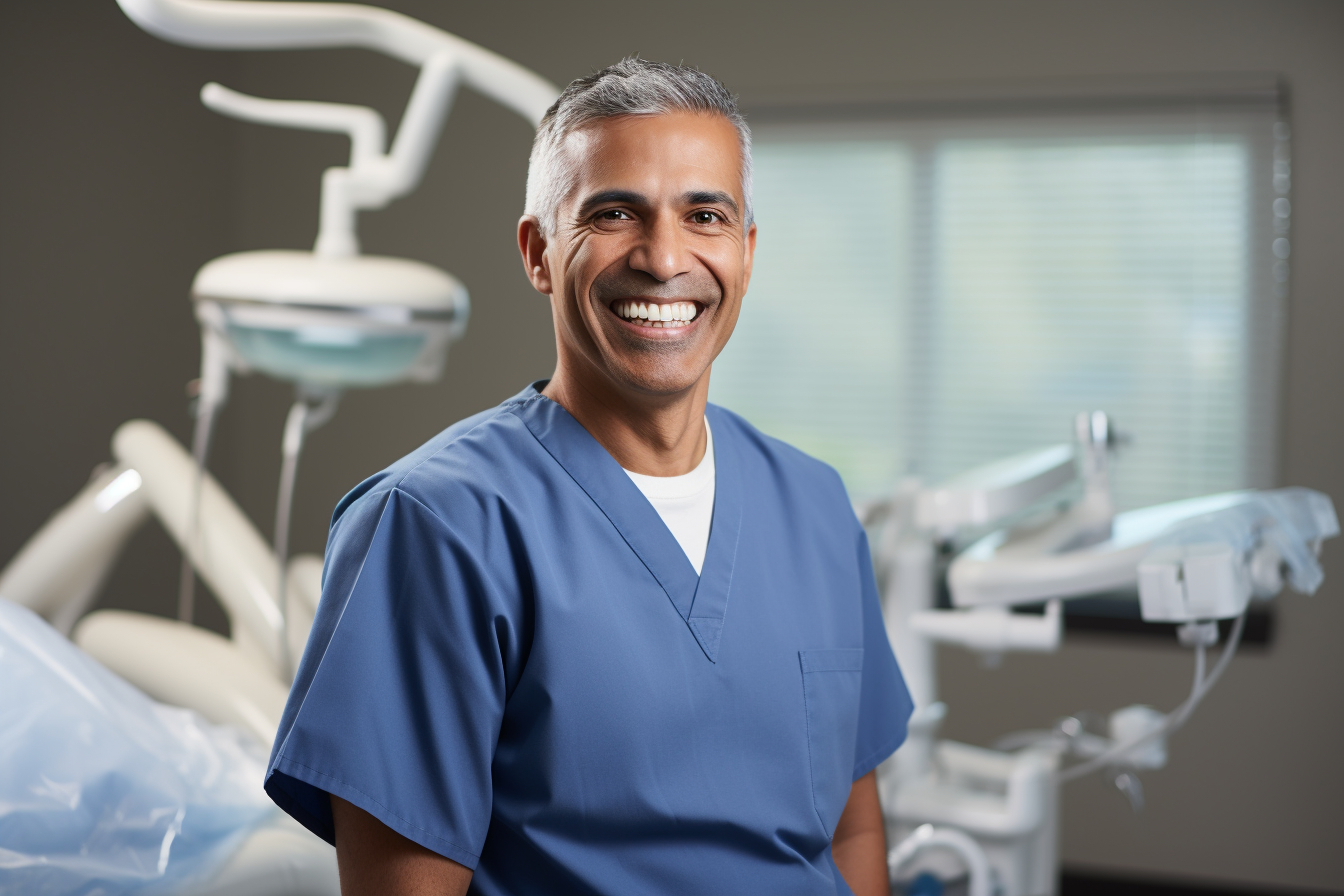
Iceland’s dental sector operates predominantly on a private basis. In contrast to countries where adults benefit from subsidised routine dental treatment, most working-age residents bear the entire cost themselves. Sjúkratryggingar Íslands (Iceland Health) funds dental treatment for children below 18 and qualifying pensioners, but adult expats of working age face full out-of-pocket costs and should plan their finances accordingly, giving serious thought to private insurance cover.
| Item | Details |
|---|---|
| Adult dental coverage | No public subsidy for working-age adults (18–66); full cost paid out of pocket (as of 2025) |
| Children’s dental care | Fully covered by Iceland Health for under-18s; annual registration fee of ISK 2,500 applies (as of 2025) |
| Pensioner/disability coverage | Iceland Health pays approx. 50–75% of general dentistry costs for eligible pensioners and disabled individuals (as of 2025) |
| Implant grant (pensioners) | Up to ISK 144,872 per 12-month period for dental implants or fixed dentures in eligible cases (as of 2025) |
| Emergency dental service | Tannlæknavaktin (Reykjavík): weekdays 08:00–22:00, weekends 10:00–20:00; emergency line 575 0505 |
| Key official source | Iceland Health – Dentistry (island.is) |
How does the dental care system work in Iceland — is it public, private, or mixed?
Iceland’s approach to dental care is essentially private in its delivery, though a degree of targeted public funding is directed at specific population groups. This sets it apart from systems like the NHS in the United Kingdom, which maintains a publicly accessible tier of dental services for all registered patients, or the French model, which applies social security reimbursement to adults across a wide range of procedure types. In Iceland, state involvement in dental costs is concentrated among children and pensioners.
Dental services for individuals aged between 18 and 66 attract no reimbursement, and all treatment is delivered exclusively through privately run practices. As a result, most working-age adults — including newly arrived expats — must deal entirely with commercial clinics, paying whatever fees those clinics set.
Iceland Health contributes to the cost of general dentistry for children up to 18 years of age and for pensioners, with orthodontics excluded, in line with the governing regulation and the Act on Health Insurance. This contribution is administered through contractual arrangements between Iceland Health and individual dental practices, which means that not every dentist in the country is a contracted provider.
A revised funding arrangement, which came into partial effect on 1 July 2024 and was to be fully operative from 1 September 2024, secures dental funding for children, the elderly and people with disabilities for a five-year period, while also expanding the range of treatments eligible for reimbursement by Iceland Health. This positions Iceland’s publicly funded dental provision as comparatively generous within the Nordic region — at least for those groups covered — even as working-age adults continue to bear costs in full.
A further lower-cost avenue exists through the public dental clinic operated by the University of Iceland Faculty of Odontology, which opens its doors to the general public during active teaching periods: mid-August through November and early January through mid-April. Children’s dental treatments are provided at no charge there under an agreement with Icelandic Health Insurance. Dental students in their fourth, fifth and sixth years of training carry out procedures under the direct supervision of qualified clinicians.
How do expats find and register with a dentist in Iceland?
For most expats, identifying a dental practice in Iceland presents few difficulties, especially in Reykjavík and the surrounding Capital Region, where the majority of the country’s population — and its dental infrastructure — is situated. The Icelandic Dental Association’s website provides a searchable listing of dentists by location, and a straightforward online search will turn up practices in most areas. The official government services portal, island.is, additionally hosts a directory of contracted dental providers.
Most dental practices across the country are privately owned, though some are publicly operated within the Icelandic healthcare system. When attending a dental practice, you will be asked for your national identification number (kennitala), your name and your address. Securing your kennitala promptly after arriving in Iceland is therefore important, as it underpins access to most healthcare interactions in the country.
A key condition for children to receive Iceland Health’s funding contribution is that each child must be registered with a named family dentist. Parents and guardians can complete this registration through the benefits portal, selecting from a list of enrolled dentists. Adults seeking routine private treatment face no equivalent formal registration requirement — they may simply contact any clinic and arrange an appointment.
Expat community groups on social media, along with the Multicultural Centre Iceland (Fjölmenningarsetur) at mcc.is, offer useful peer recommendations and practical insights. The Work in Iceland portal (work.iceland.is) also provides orientation materials for people who have recently arrived. Beyond Reykjavík, the density of dental practices falls noticeably in more rural and remote parts of the country, so prospective residents in those areas should research local availability well in advance.
Is dental treatment covered by public healthcare or social security in Iceland?
This is perhaps the single most important aspect of Iceland’s dental system for any adult expat to grasp before relocating. Icelandic Health Insurance provides no cover for dental treatment for adults of working age. Children under 18 receive treatment at no cost, while adults settle bills according to the dentist’s own pricing. This contrasts sharply with countries such as Germany, where statutory health insurance (GKV) contributes to adult dental costs, or France, where the social security system reimburses a proportion of many types of dental treatment.
Iceland Health covers the entire cost (100%) of general dental repair and general anaesthesia for patients up to age 18 under its contractual arrangements. General dentistry encompasses examinations, diagnostics, X-rays, routine check-ups, restorative work, root canal treatments, periodontal care and extractions. Orthodontic treatment is explicitly excluded from public funding, even for children.
Iceland Health also contributes to the dental costs of qualifying pensioners and elderly patients. For general dentistry, it covers half the cost for senior citizens and people with disabilities. Different provisions apply in specific circumstances: for senior citizens and people with disabilities who are chronically ill and resident in hospitals, nursing homes or nursing facilities within geriatric institutions, Iceland Health meets the full cost of general dentistry.
More broadly, Iceland Health pays 75% of general dental repair costs for eligible pensioners under its contracts. For implants and fixed dentures, a grant of up to ISK 144,872 may be made available per 12-month period for qualifying patients. In many cases, the dentist will apply this reduction directly to the bill, removing the need for a separate patient application. Current grant levels should always be confirmed with Iceland Health directly, as the figures are revised periodically.
A targeted municipal safety net also exists: if you have received financial assistance for 12 of the preceding 18 months and require necessary dental treatment from a dentist working in Iceland, you are entitled to a grant from Reykjavík City. Residents outside the capital should enquire with their local municipality about any equivalent arrangements.
Individuals who have registered domicile in Iceland and applied for social insurance registration upon moving from another Nordic country will be covered by health insurance in Iceland once confirmation of prior coverage from their former country of residence has been received. That insurance takes effect from the date of registered domicile, entitling them to the same healthcare and dental services as Icelandic citizens. Arrivals from non-Nordic countries should contact Iceland Health directly to establish their entitlement status during any initial waiting period.
What does dental treatment typically cost in Iceland, and how is it paid for?
Iceland ranks among the costlier European destinations for dental treatment, a reflection of the country’s high overall cost of living. Budgeting carefully for dental expenses is essential for working-age residents. Every dentist determines their own private fees, and there is no single national price list for adult private patients, though Iceland Health publishes an official price schedule (Gjaldskrá) used to calculate subsidy contributions. The price list for dentistry from 1 May 2025 is available on the Iceland Health website (in Icelandic only).
The following ranges offer a general indication based on publicly available information as of 2024–2025, though actual costs vary considerably according to the clinic, its location, and the complexity of the procedure. Always request a written cost estimate (kostnaðaráætlun) before consenting to any treatment:
- Routine check-up and X-rays: ISK 15,000–25,000+
- Filling (composite/white): ISK 20,000–40,000+ depending on size
- Tooth extraction (simple): ISK 20,000–35,000+
- Root canal treatment: ISK 60,000–120,000+ depending on tooth
- Crown: ISK 80,000–150,000+
- Dental implant: ISK 250,000–400,000+ (including crown)
These figures are indicative only. Confirm current pricing directly with individual clinics, and consult the Iceland Health dentistry pages for the official reference price schedule. Some practices may offer payment plans or instalment arrangements to help spread the cost.
Payment is normally required by cash or card at the time of the appointment. There is generally no deferred billing arrangement for private adult patients, and it is the patient’s responsibility to ensure that payment is made. Where a private insurance policy operates on a reimbursement model, the standard process is to pay the clinic in full at the time of treatment and then submit receipts to your insurer for reimbursement.
The University of Iceland Faculty of Odontology offers a more affordable alternative for non-urgent treatment. It provides services to the general public during teaching periods — approximately mid-August to November and early January to mid-April — with procedures performed by supervised dental students at prices below those of commercial practices. Treatments can take longer than at a conventional clinic, but the range of procedures covered is broad, and the cost saving can be substantial.
Does private health insurance cover dental treatment in Iceland, and is it worth getting?
Since working-age adults receive no public contribution toward dental costs, private insurance that includes dental cover merits careful consideration. Many Icelanders hold private healthcare insurance policies that extend to dental treatment alongside other medical services. If you already have a policy, it is worth reviewing what dental procedures are included and what proportion of costs will be met.
For expats, the options broadly divide between buying a local Icelandic insurance product and continuing with an international health insurance policy featuring a dental rider. International plans from providers such as Cigna Global, Allianz Care or Bupa Global frequently offer dental add-ons that apply globally, including in Iceland. However, coverage terms, annual benefit caps and exclusions differ widely between providers and plan tiers.
Exclusions that commonly arise include: pre-existing dental conditions, which are often excluded during an initial period or permanently; cosmetic procedures such as whitening treatments or aesthetic veneers; orthodontic treatment; and dental implants, which many policies either exclude entirely or cover only in part. Waiting periods of six to twelve months before dental benefits become accessible are also a common feature of many policies.
When assessing policies, pay particular attention to: annual dental benefit ceilings (mid-range plans often set limits of €1,000–€2,000 per year, which may fall short of covering a root canal and crown in Iceland); whether the insurer pays the clinic directly or operates on a reimbursement basis; and whether the insurer has existing relationships with dental providers in Iceland. Always verify the current terms of any policy with your insurer, as dental benefit structures are revised regularly. The Financial Supervisory Authority of Iceland (FME) is the body responsible for regulating insurance products sold in the country.
What is the standard and quality of dental care like in Iceland?
Iceland’s healthcare system has a well-established reputation for quality, and dental care is no exception. Dental practitioners in Iceland must hold a recognised university qualification in dentistry and be registered with the Directorate of Health (Embætti landlæknis). The Directorate’s statutory mandate includes promoting the oral health of the population, ensuring the quality of dental services, and raising public awareness about dental hygiene.
A considerable number of practising dentists in Iceland received their training abroad, particularly at Scandinavian universities, which means that clinical standards and techniques broadly align with European norms. The University of Iceland’s Faculty of Odontology serves as the primary domestic training institution, educating graduates to the same benchmark as their peers across Europe. Private clinics in Reykjavík are typically well-equipped with modern technology and materials.
Specialist dental services — including oral surgery, orthodontics, periodontology and endodontics — are accessible in Reykjavík and larger population centres, but provision diminishes considerably in rural areas. In remote communities, a single general practice may serve a wide catchment, and specialist referral usually entails a journey to the capital. Expats planning to settle outside Reykjavík should factor this reality into their relocation planning. The Icelandic Dental Association (Tannlæknafélags Íslands) maintains a register of member dentists and is a useful starting resource.
Given Iceland’s sizable international community and significant immigrant population, it is quite common to find dentists in Reykjavík who speak English, Polish or other languages fluently. International dental professionals work within Icelandic clinics, contributing multilingual capacity to many practices in the capital.
Are there language or practical barriers expats should be aware of when seeing a dentist in Iceland?
Icelandic is the language used in official healthcare communications, and while English proficiency is high among Icelanders — particularly among younger professionals — it cannot be assumed in every clinical setting. Within Reykjavík, the overwhelming majority of private dental practices can communicate with patients in English, and numerous clinics explicitly highlight multilingual staff as part of their offer.
Beyond the capital, the situation becomes less predictable. In smaller towns and rural communities, English fluency among dental staff may be more limited, and you may encounter paperwork, consent forms and post-treatment instructions that exist only in Icelandic. Before attending a clinic for a significant procedure, it is sensible to call ahead and check whether they can communicate in your preferred language. For complex treatment discussions, bringing a trusted interpreter could be advisable if there is any doubt.
Consent documentation, treatment plans and itemised invoices are typically generated in Icelandic. For minor procedures, this may not pose a serious problem. For more involved treatments with multiple options, associated risks and variable costs, it is essential to be certain you fully understand what is being proposed before providing consent. Do not hesitate to ask for a written summary of the proposed treatment and a detailed cost estimate prior to proceeding.
In terms of general clinical culture, dental visits in Iceland follow conventions broadly familiar from other Northern European countries. Appointments are booked in advance, punctuality is expected, and the professional manner is direct and efficient. Asking for an itemised breakdown of fees is entirely unremarkable. The Directorate of Health recommends annual dental check-ups, consistent with the wider practice across the Nordic region.
The Multicultural Centre Iceland (mcc.is) publishes health-related information in multiple languages and can be a valuable support when navigating Iceland’s healthcare and dental systems for the first time.
What should expats do in a dental emergency in Iceland?
For dental emergencies in Reykjavík, the dedicated service to turn to is Tannlæknavaktin. If you are in pain, experiencing significant discomfort, or believe you need urgent dental attention, this service provides emergency dental appointments on a day-by-day basis subject to availability. The clinic operates from 08:00 to 22:00 on weekdays and from 10:00 to 20:00 on weekends.
The emergency number to call for dental urgencies within Iceland is 575 0505. Tannlæknavaktin maintains an English-language section on its website at tannlaeknavaktin.is. The scope of treatment at an emergency appointment is confined to addressing the immediate presenting problem; any further follow-up care will need to be arranged separately at a later date.
If a dental emergency arises outside Tannlæknavaktin’s operating hours, the appropriate course of action is to attend a hospital emergency department. Landspítali University Hospital in Reykjavík has a 24-hour emergency unit capable of assessing and treating acute dental-related infections or traumatic injuries requiring immediate intervention.
Outside Reykjavík, emergency dental services are not available at the University of Iceland Faculty of Odontology. In such circumstances, contact your own dentist or the Icelandic Dental Association’s emergency line. In smaller communities, the local health centre (heilsugæslustöð) can often advise on who to contact for after-hours dental emergencies.
Payment at Tannlæknavaktin is required at the time of treatment by cash or credit card. Emergency dental care is not reimbursed under the standard public health insurance scheme for working-age adults, so be ready to pay in full on the day. If you hold private insurance, retain all receipts and documentation from the emergency visit, as these will be required when submitting a reimbursement claim to your insurer.
Frequently asked questions about dental treatment in Iceland
Is dental care free in Iceland?
Iceland Health covers the full cost (100%) of general dental repair and general anaesthesia for children under 18, making dental treatment effectively free for that age group — subject to an annual registration fee. Adults between 18 and 66, however, receive no reimbursement and must pay all private dental costs themselves. Qualifying pensioners and people with disabilities are entitled to partial subsidies from Iceland Health.
Do I need to register with a dentist when I move to Iceland?
Working-age adults face no requirement to register formally with a named family dentist — you are free to book an appointment at any private clinic. However, Iceland Health’s funding contribution for children is contingent on each child being registered with a contracted family dentist. If you have children, completing this registration as promptly as possible after arrival is important in order to access the full public subsidy without delay.
Will my European Health Insurance Card (EHIC) cover dental treatment in Iceland?
Working-age adults are not entitled to reimbursement of dental costs in Iceland and must pay for all treatment themselves. The EHIC entitles holders to medically necessary care on the same terms as Icelandic residents, but since resident adults of working age receive no public dental reimbursement, the EHIC delivers no practical dental benefit for that group. Children under 18, those over 66, and old-age or disability pensioners may, however, be partially reimbursed for dental costs.
Are there English-speaking dentists in Iceland?
Yes, particularly in Reykjavík, where the substantial international population has driven many dental practices to develop multilingual capacity. A number of clinics in the capital actively promote the fact that they can treat patients in English and other languages. Availability is less consistent outside the capital, however. Checking clinic websites or telephoning ahead to confirm language provision before booking is recommended, especially if your treatment is likely to be complex.
How do I access emergency dental care in Iceland?
For urgent dental care in Reykjavík, contact Tannlæknavaktin, the dedicated emergency dental service. The emergency number when dialling from within Iceland is 575 0505. The service operates from 08:00 to 22:00 on weekdays and from 10:00 to 20:00 on weekends. Outside these hours, or if you are located outside Reykjavík, your nearest hospital emergency department is the appropriate point of contact.
Is private dental insurance worth it for expats in Iceland?
For working-age adults, taking out private dental insurance — or adding a dental rider to an international health policy — can offer real financial protection, given that Iceland’s private dental fees are among the highest in Europe. Whether it represents good value will depend on your likely treatment requirements and the balance between premiums and the annual benefit limits available. Before purchasing, pay close attention to any exclusions for pre-existing conditions, orthodontic treatment and implants, and confirm current policy terms directly with your chosen insurer.
Can I get lower-cost dental treatment in Iceland without private insurance?
The University of Iceland Faculty of Odontology opens its dental clinic to the general public during teaching periods — roughly mid-August to November and early January to mid-April. Procedures are carried out by dental students under close supervision by qualified staff and are priced significantly below rates at commercial private practices, with a broad range of treatments available including fillings, root canals and hygiene appointments. This represents a practical option for non-urgent treatment, though you should verify appointment availability and session dates in advance.
Where can I find official information about dental rights and costs in Iceland?
The primary official resource for dental entitlements and subsidy details is Iceland Health (Sjúkratryggingar Íslands) on island.is. The Directorate of Health (Embætti landlæknis) publishes standards and recommendations relating to oral health. The Icelandic Dental Association (Tannlæknafélags Íslands) maintains a searchable register of member dentists. Newcomers to Iceland may also find the Multicultural Centre Iceland at mcc.is helpful, as it provides healthcare orientation information in a range of languages.
Latest: Expat Focus International Healthcare Update August 2026 →