
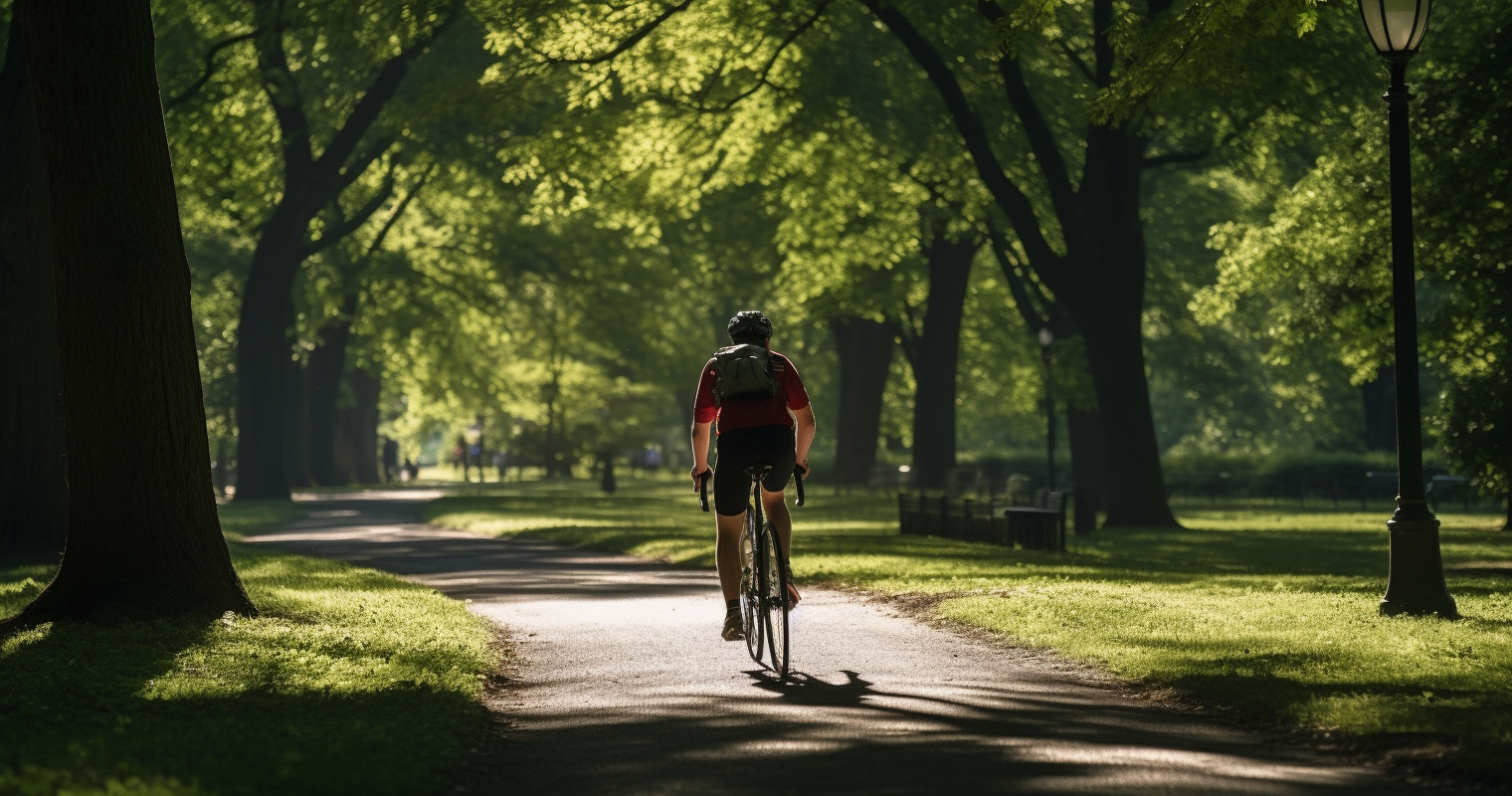
Cycling in Malta is an activity that is growing in popularity but remains far from fully established. The island’s modest dimensions would theoretically make it well-suited to getting around by bike, yet dense traffic, patchy infrastructure, and a deeply entrenched car culture mean that most people cycle for recreation or sport rather than as a daily means of transport. Conditions are gradually improving, but newcomers should temper their expectations before arriving.
| Item | Details |
|---|---|
| Helmet law (adults) | Not legally required for adult cyclists (as of 2025); strongly recommended. Children under 16 must wear a helmet. Riders of motorised bicycles/e-bikes are legally required to wear one. |
| Road side | Drive and cycle on the left |
| Bike registration | Not required for standard bicycles; e-bikes above 250W may have additional requirements — check with Transport Malta |
| Cycle infrastructure | Fragmented; sections of cycle lanes in urban areas and some segregated tracks; island-wide network under development (as of 2025) |
| Bike-share scheme | Nextbike operates in multiple localities including Sliema, St. Julians, Pembroke, Gżira, and others — check nextbike.com.mt for current pricing |
| Best cycling seasons | Spring (March–May) and autumn (September–November) |
How popular is cycling in Malta — is it a common way to get around?
Interest in cycling in Malta — whether as a sport, a commuting method, or a way of discovering the island — is steadily on the rise. That said, it has not yet become embedded in everyday transport habits in the manner seen in the Netherlands or Denmark, where urban planning and dedicated cycling networks have made the bicycle the natural first choice for millions of commuters. On Malta, the private car remains overwhelmingly dominant, and the vast majority of residents still drive for their daily journeys.
Cycling does hold a meaningful place in Maltese cultural life and appears in a number of religious celebrations. Perhaps the most notable example is the village feast of Żabbar, observed annually on the first Sunday after 8 September, which features a motorcycle and bicycle pilgrimage. This cultural presence is significant, even if it has not yet translated into widespread everyday cycling habits.
Malta’s land area of just over 316 square kilometres means the island is roughly comparable in scale to a medium-sized city — a size that, in theory, lends itself well to cycling. In practice, however, heavy traffic congestion, particularly during peak periods, makes cycling challenging and at times hazardous. Expats relocating from countries with a strong cycling tradition may be surprised by the gap between the island’s apparent potential and the current reality on the ground.
The most common form of cycling on Malta is recreational — weekend rides, fitness outings, and touring among enthusiasts. Commuting by bike does happen, but mainly among a small minority who navigate quieter side streets or less congested corridors. Nonetheless, rising environmental consciousness, evolving government transport policy, and expanding bike-share provision are all slowly shifting attitudes toward the bicycle.
What is the cycling infrastructure like in Malta?
There are stretches of marked cycle lanes in Malta, particularly along seafront promenades and in certain urban zones, but a connected, island-wide network remains a work in progress. In practice, this means cyclists frequently share road space with cars, buses, and lorries — an experience that differs markedly from cycling in cities such as Amsterdam or Copenhagen, where physically separated infrastructure makes the bicycle the most convenient and comfortable way to travel.
The cycle lanes that do exist often begin and end without warning, rarely align with typical commuting corridors, and maintenance is inconsistent. The predominant form of cycling provision in Malta is painted lane markings on existing roads, rather than the physically segregated tracks more familiar to cyclists in northern Europe.
One notable improvement has taken place on L-Aħħar Ħbit mit-Torok Road (also known as Tac-Cawsli), running between Żabbar and Żejtun, where Infrastructure Malta reconfigured the road to include Malta’s first segregated, asphalt-surfaced cycling track. The Central Link Project is also set to deliver safer facilities for public transport users, more than 10 kilometres of new footpaths, and segregated crossings for both pedestrians and cyclists. These are welcome steps forward, even if they account for only a fraction of the island’s overall road network.
Transport Malta has published a cycling strategy aimed at encouraging more residents to choose the bicycle as an alternative mode of transport, forming a component of the broader National Transport Strategy. Given Malta’s geographical constraints, however, standalone cycling lane projects will not be pursued — instead, the emphasis is on developing cycling routes and corridors. Speed limits in cycle-friendly zones are to be reduced, and a dedicated app is planned to help cyclists identify the safest routes to their destinations.
Cyclists are permitted to use bus lanes, but are prohibited from entering tunnels. It should also be noted that Sliema’s local council bans cycling along its promenade. Regulations can differ from one locality to another, so it is advisable to check with local councils when establishing your regular routes. For the most current cycling route maps and infrastructure plans, consult Transport Malta and Infrastructure Malta.
Is cycling safe in Malta?
Safety is the single biggest barrier to cycling in Malta. Road surface quality, driver behaviour, and the absence of adequate separation between cyclists and motor vehicles all feed into this concern. Road conditions vary considerably across the island, and uneven or poorly surfaced roads pose genuine risks for cyclists. While overall road quality is improving, potholes and substandard surfacing — particularly in smaller towns and villages — continue to be a problem.
A survey by a Bicycle Advocacy Group found that 91% of respondents reported making evasive manoeuvres two to four times during every hour of cycling to avoid potential collisions with motor vehicles. This striking figure conveys the day-to-day experience cyclists face on Malta’s busier roads. Densely populated and heavily urbanised localities record the most cycling accidents — Mosta sees the highest frequency, followed by Birkirkara, St Paul’s Bay, Marsa, and Luqa.
The Malta National Statistics Office (NSO) publishes quarterly road traffic accident data that provides the most current picture of cyclist safety on the island. In Q2 2025, 13 cyclists were involved in traffic accidents, with one fatality, three suffering grievous injuries, and nine sustaining slight injuries. In Q3 2025, 10 cyclists were involved in accidents, six of whom suffered grievous injuries and four slight injuries. While the absolute numbers are modest for a national population, they reflect a genuine and ongoing risk, with the Northern Harbour district consistently recording the highest accident rates overall.
Wearing a helmet is strongly recommended for all cyclists. Children cycling and users of motorised bicycles are legally required to wear one. For adults on standard bicycles, helmets are currently recommended but not legally mandated — refer to the rules section below for further detail. High-visibility clothing, especially after dark or in poor light, is also strongly advised. Check the NSO’s latest quarterly road safety figures regularly and refer to Transport Malta for up-to-date guidance.
What are the rules of the road for cyclists in Malta?
Cyclists in Malta are subject to the same road rules as all other road users and must keep to the left side of the road except when using a two-way cycle lane. Malta follows left-hand traffic, as do the UK, Ireland, and Australia — cyclists arriving from countries where traffic flows on the right should allow themselves time to adjust before venturing onto busier roads.
On the matter of helmets: wearing one is strongly advised for adult cyclists, but it is not a legal requirement for adults riding standard bicycles. Children under 16 are legally required to wear a helmet, as are users of motorised bicycles. Malta was previously the only EU country to make helmets compulsory for all adult cyclists at all times, but legislation has since been revised. Always verify the current legal position with Transport Malta, as this area has seen regulatory changes in recent years.
Your bicycle must be fitted with a bell, front and rear lights, and reflectors to ensure adequate visibility, particularly in low-light or night-time conditions. Failure to comply with cycling regulations can result in fines — riding without lights after dark or cycling on the wrong side of the road are among the offences that carry penalties.
Cyclists may use bus lanes but are not permitted to ride through tunnels. Carrying bicycles on buses is generally not allowed. You can, however, typically bring a bicycle aboard the Gozo ferry, which opens up the possibility of cycling on Gozo. Local council rules may differ in certain areas, so always verify with the relevant authority. The complete legal framework governing cyclists can be found through Transport Malta and Malta’s Traffic Regulations.
Do I need to register my bike or have insurance to cycle in Malta?
For a conventional pedal bicycle, there is no requirement to register the bike or hold compulsory insurance in Malta. This is in line with the approach adopted by most EU member states and stands in contrast to the rules for motor vehicles, which require both registration and mandatory third-party liability insurance.
The position is more complex for electric bicycles. Pedelecs and e-bikes with a motor of up to 250W do not require registration. However, higher-powered electric bikes and S-pedelecs — those capable of exceeding 25 km/h under motor assistance — may be subject to different rules. S-pedelecs require registration throughout Europe, and dedicated vehicle insurance is also required for this category across the continent. If you are considering purchasing or importing a more powerful e-bike, confirm the current classification and applicable requirements directly with Transport Malta.
Although third-party liability insurance is not legally mandated for standard bicycle riders, it is worth considering, especially if you intend to cycle regularly in urban areas. Personal accident cover or cycling-specific insurance — the kind commonly offered through cycling clubs or specialist insurers in countries such as France, Belgium, or the UK — can provide valuable protection. For a list of licensed insurers operating in Malta, consult the Malta Financial Services Authority (MFSA).
Are there public bike-sharing or rental schemes in Malta?
Malta’s public bike-sharing system is run by Nextbike and provides an affordable, flexible way to get around. Registration is free, and the service operates across a number of localities including Pembroke, Sliema, St. Julians, San Gwann, Ta’ Xbiex, Imsida, Gżira, Swatar, Naxxar, and others. The scheme uses a smartphone app to locate and unlock bikes — a format comparable to the Vélib’ system in Paris or the Citi Bike network in New York.
Nextbike Malta’s coverage is centred on a cluster of localities in the central and north-eastern parts of the island, which happen to be among the most popular areas for expats to live and work. For up-to-date information on pricing, station locations, and availability, visit the official website at nextbike.com.mt, as both pricing structures and station coverage are liable to change.
Cycling advocacy groups have pressed for a stronger bike-sharing policy that would see more stations installed across Malta to boost participation, as well as greater promotion of shared e-bikes. Network expansion has been a stated policy objective, so it is worth checking the current coverage when you arrive, as it may have grown since this article was last updated.
A number of bike rental outlets are scattered across the island, with a particular concentration in tourist-heavy areas such as Sliema and St. Julian’s. These businesses typically offer standard bicycles, hybrid models, and e-bikes available to hire by the hour or by the day — making them a practical option for exploring the island before you decide whether to buy. Available rental options generally include mountain bikes, hybrid bikes, and electric bikes.
Where can I buy or service a bike in Malta?
Malta has a decent selection of bicycle shops, concentrated mainly in the more densely populated parts of the island — particularly along the Sliema–St. Julian’s–Gżira coastal corridor, around Birkirkara, and in Valletta. The market is smaller than what you would encounter in a larger European country, so availability of premium brands and specialist components can be limited, but everyday bicycles and mid-range road or hybrid models are generally accessible.
Second-hand bikes can be sourced through online classifieds platforms such as MaltaPark, Facebook Marketplace, and local community groups. Given Malta’s warm, salty climate and occasionally rough road surfaces, any second-hand bike deserves careful inspection — look out for signs of salt corrosion (a genuine concern in a coastal Mediterranean setting) and check that the brakes, tyres, and gearing are all functioning correctly.
Servicing and repair shops can be found across the island, though options become more limited in rural areas and smaller villages. As a new arrival, it is worth tracking down a dependable local mechanic early on — expat community groups and local cycling clubs are good places to ask for recommendations. Consumer protections in Malta reflect EU standards: goods purchased from a retailer carry a minimum two-year legal guarantee under the Consumer Affairs Act, mirroring consumer rights frameworks applicable across the European Union.
Can I bring my bike when I move to Malta, and are there any import rules?
If you are moving to Malta and shipping personal belongings — including a bicycle — you may qualify for Transfer of Residence (ToR) relief, which allows eligible individuals to import personal effects and sports equipment free of customs duty and VAT. As Malta is an EU member state, the movement of goods within the EU for personal relocation purposes is generally free of customs duties between member states. Specific conditions and documentation requirements do apply, however.
For moves from outside the EU, a bicycle brought in as part of a household removal may qualify for ToR relief provided it was in your possession for at least six months before the move and is intended solely for personal use — not for resale. The bicycle should be declared as part of your overall ToR application, and you should retain proof of ownership. Always verify the current rules, thresholds, and required documentation with the Malta Commissioner for Revenue (CFR) before shipping, as procedures and conditions are subject to change.
If you are importing a high-value bicycle — for example, a carbon-frame road bike worth several thousand euros — from outside the EU as a standalone purchase rather than as part of a household relocation, standard VAT (18% in Malta, as of 2024) and potentially applicable customs duties would apply. Consult the CFR website or engage a licensed customs agent for accurate and current rates specific to your situation.
What are the best cycling routes or destinations in Malta?
Although Malta is not primarily associated with mountain biking, there are off-road trails suitable for the discipline, particularly in the island’s northern and western areas. The interior of Malta — away from the congested coastal zones — provides some of the most enjoyable cycling, with quiet country lanes winding through traditional villages and time-worn agricultural land.
The gentle hills that punctuate the landscape add an appealing dimension to rides, offering sweeping views across both the countryside and the sea. Leisure and fitness cycling in the Maltese islands is gaining a larger following. Riding between traditional Mediterranean rubble walls — which serve as natural windbreaks along cultivated fields — is a distinctive and memorable experience.
Malta’s coastline is varied: the east and north-east feature flatter, more accessible terrain, while the south-west and north are characterised by steep, rugged cliffs. The flatter eastern and north-eastern coastal routes tend to suit recreational and touring cyclists best, while the hillier western regions offer more demanding riding for those seeking a sporting challenge.
Malta features as the southern terminus of the EuroVelo 7 (Sun Route), the long-distance cycling corridor stretching from North Cape in Norway all the way down to the Maltese archipelago. While the Maltese section of the route is brief given the island’s size, it links the islands to a pan-European cycling network and positions Malta as a meaningful destination for touring cyclists arriving by ferry. The EuroVelo website carries up-to-date details on the route’s status and certification.
On the island of Gozo — accessible by ferry, which permits bicycles on board — many cyclists find the experience superior to riding on the main island. Gozo is quieter, less developed, and far more rural, and its rolling hills and coastal scenery are frequently cited as the highlight of cycling in the Maltese archipelago. The best periods for cycling in Malta are spring (March–May) and autumn (September–November), when temperatures are pleasant and conditions are comfortable. The summer months can be oppressively hot and are best avoided for extended rides. For route planning, Komoot and Bikemap both host substantial community-contributed route data for Malta, and the national cycling advocacy group Rota is a valuable local resource.
Frequently asked questions about cycling in Malta
Do I legally have to wear a helmet when cycling in Malta?
For adults riding standard bicycles, wearing a helmet is strongly recommended but is not currently a legal requirement. However, children under 16 must wear a helmet by law, as must users of motorised bicycles. Regardless of the legal position, the vast majority of experienced cyclists in Malta advise wearing a helmet at all times, given the road conditions. Always check the current law with Transport Malta, as regulations in this area have been revised in recent years.
Is cycling a realistic option for commuting in Malta?
Malta’s cycling network is fragmented and poorly connected, which makes it difficult to complete longer journeys entirely on dedicated routes. Commuting by bike is possible but demands careful route planning, a willingness to share roads with motor vehicles, and ideally a good knowledge of quieter back roads. People who both live and work within the same general area — for instance, within the Sliema–St. Julian’s corridor — are likely to find cycle commuting more manageable than those facing longer cross-island journeys.
Can I use a bike-share scheme like Nextbike for everyday transport?
Registration for Nextbike is free, and stations are located in Pembroke, Sliema, St. Julians, San Gwann, Ta’ Xbiex, Imsida, Gżira, Swatar, Naxxar, and other localities. This makes the scheme a practical option for short trips within the covered area, particularly for completing the last leg of a longer journey or running errands in central neighbourhoods. Check nextbike.com.mt for current station locations and pricing before incorporating it into your regular routine.
Are there specific areas of Malta that are more dangerous for cyclists?
Dense, heavily urbanised localities record the highest number of cycling accidents. Mosta sees the greatest frequency of incidents, followed by Birkirkara, St Paul’s Bay, Marsa, and Luqa. The Northern Harbour district consistently records the highest overall accident rates across all road users. Quieter rural roads, village back lanes, and the island of Gozo are generally regarded as safer and more pleasant environments for cycling.
Do I need to register my bicycle when I move to Malta?
No registration is required for a standard pedal bicycle. Pedelecs and e-bikes with motor systems up to 250W are also exempt from registration. Higher-powered e-bikes may be subject to additional requirements. Always confirm the applicable rules for your specific type of bicycle with Transport Malta before you arrive, particularly if you are bringing an e-bike.
Can I take my bike on public transport in Malta?
Malta has no rail network or metro system, making buses the primary form of public transport. It is not currently possible to take a bicycle on a public bus. You can, however, generally bring your bicycle aboard the Gozo ferry, which makes it feasible to cycle between the main island and Gozo. Check with the ferry operator for any current restrictions or charges that may apply.
Is Gozo better for cycling than the main island of Malta?
A great many cyclists rate Gozo as a more enjoyable destination than the main island. It is less populated, less congested, and offers more rural roads with lighter traffic volumes. The terrain is hilly but rewarding, with outstanding coastal views throughout. You can take your bicycle on the ferry from Cirkewwa to Mġarr, and routes on Gozo are well-regarded within the international cycling community. The best time to cycle in the Maltese islands is spring (March–May) and autumn (September–November), when the weather is mild and sunny — advice that applies equally to Gozo.
Where can I connect with other cyclists after moving to Malta?
Malta has a lively and welcoming cycling community. The cycling advocacy organisation Rota campaigns for improved cycling infrastructure and serves as a useful hub for local knowledge and community connections. The Bicycle Advocacy Group (BAG) Malta has also played an active role in promoting cycling on the islands. Expat forums and social media groups are another good avenue for finding fellow cyclists, discovering organised rides, and getting recommendations for the best routes and bike shops across Malta.