
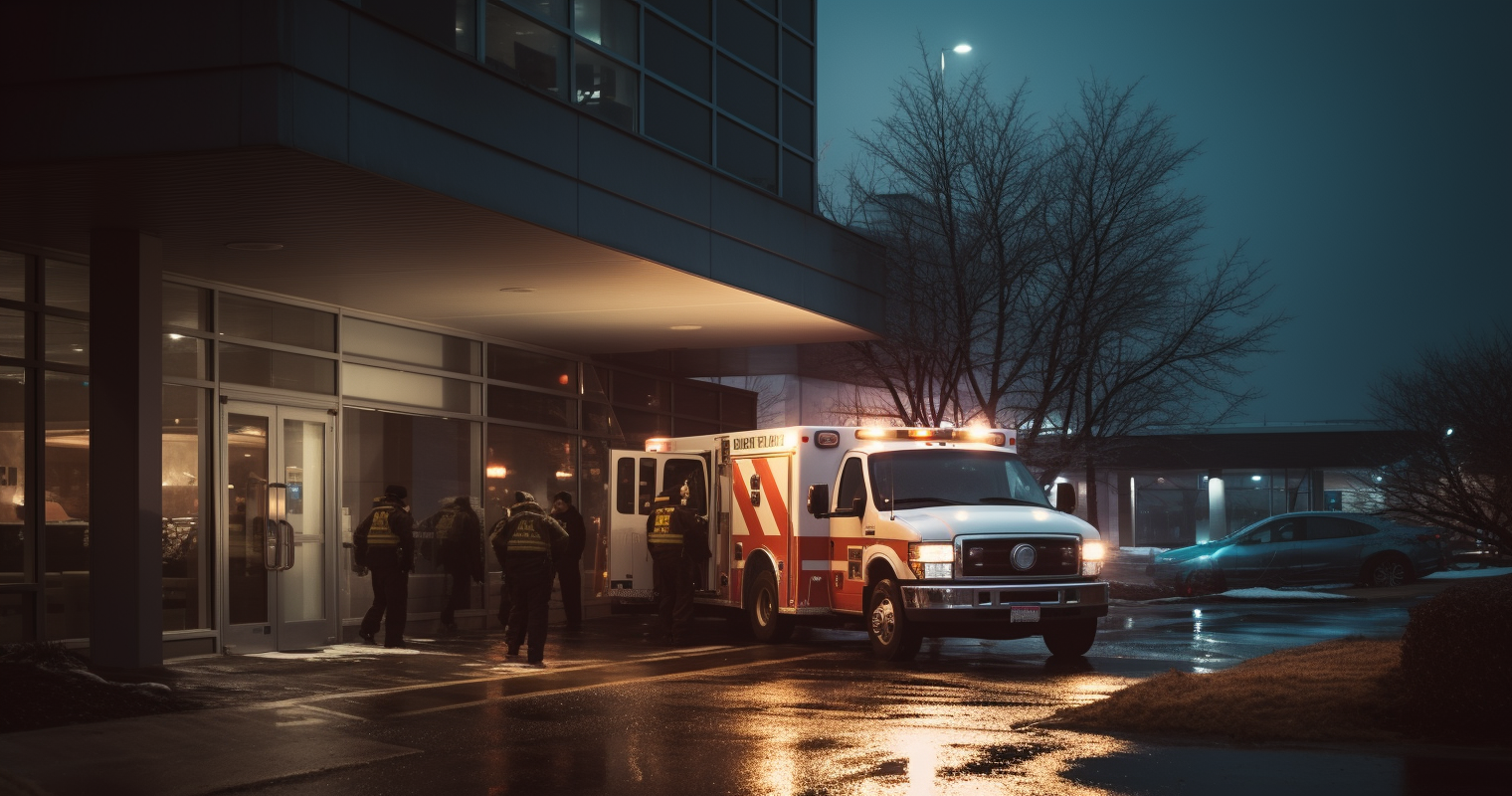
In Malta, the unified emergency number for police, fire, and ambulance services is 112 — free to dial from any phone at any hour. Anyone physically in the country can receive urgent medical treatment at public hospitals, though eligibility for free follow-up care depends on your residency status, nationality, and whether you carry a valid health insurance card such as the EHIC. All visitors and expats are strongly advised to maintain adequate insurance coverage.
| Item | Details |
|---|---|
| Single emergency number | 112 (police, fire, ambulance) — free from any phone, as of 2025 |
| Dedicated ambulance number | 196 (alternative direct line for ambulance, as of 2025) |
| Main public hospital A&E (Malta) | Mater Dei Hospital, Msida — tel: +356 2545 0000 |
| Main public hospital A&E (Gozo) | Gozo General Hospital — tel: +356 2156 1600 |
| Mental health crisis line | 1770 (24-hour freephone crisis line, as of 2025) |
| Emergency treatment cost | Free at point of care for entitled residents and EHIC holders; charges may apply for non-entitled visitors — verify with official sources |
| Key bilateral health agreements | EU/EEA (EHIC), UK (bilateral agreement), Australia (bilateral agreement) |
| Civil protection / emergency risks | Earthquakes, tsunamis, storms, floods, structural fires — European Civil Protection assessment, as of 2024 |
What is the single emergency number in Malta, and does it cover police, fire, and ambulance?
If you are confronted with a situation that presents immediate danger and requires urgent intervention by police, fire, or medical personnel, call 112 without delay. This is the standard EU-wide emergency number, connecting callers to police, medical, and fire response teams. It functions identically across all EU member states, so whether you are accustomed to 999 in the UK, 112 elsewhere in Europe, or 911 in North America, Malta’s 112 serves the same purpose.
Calls to 112 are completely free and can be placed from any telephone, including those without a SIM card, meaning that virtually anyone has the means to summon help when it matters most. The service operates continuously around the clock, providing a dependable emergency contact point at all times.
In addition to 112, a dedicated ambulance line — 196 — is also available, and the fire brigade is reachable through 112. For non-urgent police matters, the Malta Police Force can be contacted on +356 2122 4001–7 or +356 2122 1111. If you require maritime rescue, the Armed Forces of Malta (AFM) run helicopter and patrol boat services accessible via separate numbers — confirm the latest contact details with the AFM or the Malta Police Force website.
People with disabilities can reach emergency services through SMS to a long number, the 112.mt application, and the Flag mii web service. An emergency SMS number also exists (79 770 112 — verify this remains current with official sources before relying on it).
The 112 line receives roughly 850 calls daily, yet approximately 79% of these do not involve genuine emergencies. To ensure that people in real danger can get through promptly, 112 should be reserved exclusively for true emergencies — misuse of the service risks delaying help for those who urgently need it.
How do you call for emergency medical assistance in Malta, and what should you expect?
To reach medical, fire, or police emergency services in Malta, dial 112. The call can be made from any telephone — landline, payphone, or mobile — even without a SIM card. Alternatively, you can dial 196 to contact the ambulance service directly.
112 is appropriate for any life-threatening situation, including serious medical emergencies such as road accidents, an unconscious person, grave injuries, chest pains, or seizures. When connected to an operator, you should provide your telephone number, your precise location, a description of the emergency, and the number of people involved.
Operators typically answer within five seconds on average and can communicate in both Maltese and English. If you are unable to describe your location, police have tracking capabilities to determine where you are calling from — a reassuring feature for visitors unfamiliar with local street names and place names.
Most of Malta’s hospitals are within a 20-minute journey for the majority of residents, though ambulance waiting times of 30 minutes or longer have been reported, with delays potentially worsening during peak periods. If your condition is not immediately life-threatening and travelling is safe, attending an Accident and Emergency department directly may in some cases be quicker than waiting for an ambulance — though calling 112 first is always advisable when in doubt.
A dedicated decompression chamber (Hyperbaric Unit) is available for diving-related emergencies — reachable on 2545 5269 or via 112 — and is situated at Mater Dei Hospital in Msida, where trained specialists handle diving-related medical incidents.
What should you do in a mental health crisis in Malta?
If you or someone else is in immediate danger — including during a mental health emergency — call 112 straight away. The 112 dispatcher can mobilise an ambulance and, when appropriate, coordinate a mental health response. You may also present directly at the Accident and Emergency department of Mater Dei Hospital or Gozo General Hospital, both of which can carry out urgent psychiatric assessments.
For mental health crises that are serious but not immediately life-threatening, Malta provides a dedicated 24-hour freephone line. The crisis number — 1770 — runs around the clock and is listed by Malta’s Office of the Commissioner for Mental Health. Always confirm this number is still current by checking the Commissioner for Mental Health website before relying on it.
Crisis Resolution Malta offers support to anyone feeling overwhelmed, isolated, or unable to cope, and is reachable on 9933 9966 at any time of day or night. Additionally, dialling 179 connects you with assistance for domestic violence, homelessness, suicidal feelings, marital and family difficulties, loneliness, emotional distress, depression, and other mental health concerns.
Malta’s state medical institutions offer a comprehensive range of services, including psychiatry, so anyone attending a public hospital emergency department in the midst of a mental health crisis will receive an assessment and referral to appropriate support. Private mental health services are also accessible through providers such as DaVinci Health Clinics.
Where can you go for emergency medical treatment in Malta?
Mater Dei Hospital (MDH) in Msida is Malta’s principal public hospital, serving simultaneously as a specialist facility and a training institution. It represents one of the most substantial healthcare infrastructures in Europe, admitting patients either by referral or through its emergency department. The hospital can be reached on +356 2545 0000. Having opened in 2007, Mater Dei handles all tertiary care on the main island and accommodates over 1,000 beds.
Gozo General Hospital is the only hospital on the island of Gozo, operating 302 beds and running an air ambulance service to transfer serious cases to Mater Dei. Its contact number is +356 2156 1600. For residents of Gozo facing a critical emergency, air transfer to the main island may be necessary since no fixed link exists between the two islands — a circumstance that makes health insurance with evacuation cover especially important for those living on Gozo.
Malta’s main island is also served by three private hospitals: St. James Hospital, St. Thomas Hospital, and DaVinci Health Clinics. St. James Hospital is the largest private hospital in Malta, operating three Immediate Medical Care Units around the island that function as walk-in A&E equivalents with full inpatient capability.
Nine public health centres serve Malta, with contact details available through the Ministry for Health and Active Ageing website. These centres address non-emergency primary care needs but are not replacements for an A&E department in a serious emergency. For the most current list of facilities and contact numbers, visit the Ministry for Health website.
Is emergency medical treatment free in Malta, or is there a charge?
Accident and Emergency departments at public hospitals — including Mater Dei in Msida and Gozo General Hospital — provide urgent care to all people physically present in Malta. Non-residents or those without formal entitlement may be billed for follow-up or non-emergency care, but in practice, immediate emergency treatment is not withheld pending payment.
Expats living and working in Malta receive free medical treatment provided they pay taxes and make contributions to the Department of Social Security. Both employees and employers contribute 10% of weekly earnings, while the self-employed and self-occupied contribute 15%. This arrangement is broadly comparable to national insurance contribution schemes in other European countries that fund access to public healthcare.
Short-term visitors from EU countries are entitled to free essential medical treatment upon presenting a valid European Health Insurance Card (EHIC). Visitors from the UK and Australia also qualify for free care under bilateral agreements with Malta.
Travellers from third countries are not eligible for free medical care in Malta and may be charged for hospital visits. Such visitors can purchase private healthcare insurance to offset these costs. Those travelling under a Schengen visa are required to hold travel insurance that includes healthcare coverage.
Any medication dispensed during inpatient treatment — or for the first three days following discharge — is provided free of charge to entitled individuals. Prescriptions issued beyond that period are charged in full, with no refund available.
Do expats in Malta need travel or health insurance to access emergency care?
Expats who make Maltese social security contributions (10% of salary) are entitled to public healthcare on the same basis as Maltese citizens, at no direct cost. Those holding residence visas — including the Nomad Residence Permit, Global Residence Programme, and Malta Permanent Residence Programme — are required to maintain private health insurance. Always verify the specific requirements applicable to your visa category with the Identity Malta Agency or the relevant permit authority.
Many expats opt for international health insurance, which offers wider geographical coverage and evacuation benefits. Long-term residents with entitlement to Malta’s public healthcare system may prefer to register for public coverage and supplement it with a complementary private or top-up policy — the most suitable approach depends on residency status, personal health needs, and travel patterns.
Even where emergency treatment is theoretically free at the point of care, the practical picture can be more complex. For shorter stays, your EHIC (if you are an EU national) or a travel insurance policy should provide adequate coverage — though you should ensure your policy includes emergency evacuation, as some plans exclude international repatriation in the event of a serious incident.
Private insurance in Malta can start from as little as €25 per month, and private specialist consultations typically range from €50 to €120 — considerably lower than comparable private rates in many Northern European countries (as of 2025; confirm current pricing with individual providers). Without insurance, non-entitled visitors risk facing substantial bills for non-emergency follow-up care, specialist visits, and medication beyond the initial post-discharge period.
Are there bilateral health agreements entitling some foreign nationals to reduced-cost or free treatment?
Malta participates in several reciprocal healthcare arrangements that can significantly reduce the cost of emergency treatment for certain visitors. These broadly mirror the reciprocal systems operating between other EU member states, though the specific conditions of each agreement differ.
The European Health Insurance Card (EHIC) enables EU nationals visiting Malta on a temporary basis to receive necessary and emergency medical treatment from public hospitals and clinics at no charge. The EHIC does not replace travel insurance where serious conditions, injuries, or death are concerned, nor does it cover private healthcare costs or medication prescribed beyond the initial post-discharge period.
Both the UK and Australia have bilateral agreements with Malta, entitling their residents to free medical and hospital care during stays of up to one month. Short-term visitors from EU or Schengen Area countries, the UK, or Australia can receive essential medical care in Malta without charge. The permitted stay duration is 90 days for EU citizens, six months for Australian nationals, and one month for UK visitors. Always confirm current eligibility and conditions directly with the Malta EESSI portal or the relevant health authority, as bilateral agreement terms are subject to change.
Ambulance transport to hospital is covered under the EHIC for those entitled to free public healthcare. If you intend to remain in Malta for an extended period — for example as a posted worker or pensioner — you should register an S1 form with the competent institution in Malta, which will issue a Certificate of Entitlement to be presented at hospitals or health centres.
Temporary visitors from countries outside the EU or Schengen Area are not eligible for free healthcare in Malta and should take out a medical insurance policy. Nationals of countries not covered by any bilateral arrangement should treat travel insurance as a necessity rather than an optional extra.
How does Malta’s emergency healthcare system compare to systems expats may be familiar with?
Malta operates a mixed healthcare model in which a dominant public sector coexists with a growing private sector, complemented by a network of primary health centres and community clinics. Structurally, this places Malta closer to the systems found in France, Italy, or Ireland — where publicly funded provision sits alongside a well-developed private sector — than to a purely public model like the original NHS, or to the predominantly insurance-driven frameworks found in parts of the United States or Switzerland.
Malta’s national insurance framework covers inpatient and outpatient treatment, emergency care, diagnostic services, and maternity care. It grants citizens, working expats, and qualifying residents access to public healthcare at no direct cost. Unlike systems where upfront payment or co-payments are standard at the emergency department door, entitled patients in Malta’s public system are not charged at the A&E.
In the Healthcare Index 2024 published by CEOWORLD, Malta was ranked 18th among 196 countries — a reflection of its widely regarded standard of care. Mater Dei Hospital’s A&E, intensive care unit, full surgical facilities, and oncology departments are staffed by English-speaking professionals, and clinical records are maintained in English. Given that English is one of Malta’s two official languages, the language barrier that can complicate emergencies in many other countries is largely absent here.
One notable feature distinguishing Malta from a fully centralised healthcare model is that a substantial proportion of residents choose private health insurance, with some preferring pay-as-you-go arrangements for GP and specialist visits. Many expats find that supplementing their public entitlement with a private policy delivers faster specialist access and greater flexibility — a pattern familiar from countries where top-up insurance is common alongside a public healthcare system.
What emergency services exist beyond medical — how do police and fire services work in Malta?
If you encounter a situation involving immediate danger that requires police or fire intervention, dial 112 immediately. Both services are dispatched through the 112 system, with the operator directing your call to the appropriate response team. There is no separate number for the fire brigade — 112 is the single point of contact for all three emergency services, distinguishing it from some countries where separate numbers exist for different services.
For non-emergency police matters — such as reporting a minor theft, a noise disturbance, or a low-impact road incident — the Malta Police Force general line is +356 2122 4001–7 or +356 2122 1111, and traffic accidents can be reported on +356 2132 0202. Where any immediate risk to life or property exists, always use 112.
A true emergency is any situation presenting an immediate threat to life or property — violent incidents, serious accidents, or active fires. Situations involving minor road scrapes without injuries, lost belongings, or noise complaints do not require emergency service deployment and should be handled through non-emergency channels, keeping 112 available for genuine crises.
The Malta Police Force website at pulizija.gov.mt provides current guidance on contacting the police and locating local stations. Expats familiar with community policing models elsewhere will likely find the Maltese police structure broadly recognisable, though it is worth acquainting yourself with local procedures for reporting crimes — particularly if you are the victim of theft or a road traffic incident.
Are there country-specific emergency risks in Malta — such as natural disasters, extreme weather, or endemic diseases?
The principal hazards identified for Malta include both natural and human-related risks: earthquakes and tsunamis, hurricanes and flooding, structural fires, and epidemic or pandemic events. These risks are assessed within the European Civil Protection framework and form the basis of Malta’s civil protection planning, as of 2024.
In everyday terms, Malta’s Mediterranean climate makes severe summer heat a tangible health concern, particularly for elderly people, young children, and those with existing cardiovascular or respiratory conditions. Flash flooding, while not a frequent occurrence, can develop rapidly during heavy autumn or winter rainfall, and certain low-lying streets in Valletta and other areas have a documented history of inundation during severe storms.
Malta lies within a seismically active zone of the Mediterranean, though significant earthquakes directly striking the islands are uncommon. The possibility of a tsunami triggered by seismic activity elsewhere in the region is recognised in civil protection planning. Expats should be aware of these hazards without undue alarm — they represent low-probability events, but understanding the correct emergency response (calling 112, following official guidance, moving to higher ground in the event of a tsunami warning) constitutes sensible preparation.
For health-specific travel advisories — including disease outbreak alerts or vaccination recommendations — consult your home country’s foreign ministry travel advice portal alongside the Malta Ministry for Health website. As an EU member state, Malta maintains robust public health surveillance, meaning significant disease outbreaks are generally communicated promptly through official channels.
What should expats do to prepare for emergencies before they arise?
Preparation is your most effective resource when managing any emergency situation abroad. The following steps are recommended for all expats living in or relocating to Malta:
- Save key emergency numbers. Store 112, 196 (ambulance), Mater Dei Hospital (+356 2545 0000), Gozo General Hospital (+356 2156 1600), the 1770 mental health crisis line, and the 179 social support line in your phone before you need them. Also save your nearest police station’s non-emergency number.
- Register with your embassy or consulate. Most countries operate a voluntary registration scheme — such as the UK’s LOCATE service, the US STEP programme, or Australia’s Smartraveller registration — that allows your government to contact you in a major emergency, natural disaster, or civil unrest situation. Check your own country’s foreign ministry website to register.
- Obtain and carry your health entitlement documents. When you present your European Health Insurance Card and valid ID, treatment is free of charge. Note that you must present the original document — a paper copy is not sufficient. UK nationals should ensure they understand their entitlement under the bilateral agreement and, if a long-term resident, register their S1 form with the Malta Entitlement Unit.
- Arrange appropriate health insurance. Confirm that your policy covers emergency evacuation — you do not want to discover at a critical moment that repatriation is excluded. If your visa category requires private health insurance, ensure your policy meets Malta’s minimum requirements.
- Know your nearest A&E department. Establish whether your home is closer to Mater Dei Hospital (Malta) or Gozo General Hospital (Gozo), and familiarise yourself with the route and travel time. Gozo residents facing a critical emergency may need to be air-lifted to the main island, making insurance with evacuation cover especially valuable.
- Follow official alert channels. Keep track of updates from Civil Protection Malta (accessible through the Ministry for Home Affairs and National Security) and subscribe to any alert services provided by your home country’s foreign ministry. The EU’s Civil Protection Mechanism can also issue cross-border alerts during significant emergencies.
- Learn basic Maltese for emergencies. While English is an official language in Malta and is widely used, knowing a few Maltese phrases — such as “Għajnuna!” (Help!) or “Sejjaħ l-ambulanza!” (Call an ambulance!) — may prove helpful in certain community settings.
Where can expats get official and up-to-date emergency information for Malta?
Official sources are essential for accurate guidance, as fees, procedures, and contact numbers can change over time. The following organisations publish authoritative, regularly updated information:
- Malta Police Force (112 / emergency services): pulizija.gov.mt
- Ministry for Health and Active Ageing (hospitals, health centres, health alerts): health.gov.mt
- Malta EESSI Portal (healthcare entitlement for EU/EEA/UK nationals): s2.eessi.gov.mt
- Office of the Commissioner for Mental Health: commissionermentalhealth.gov.mt
- Identity Malta / Identità (visa and residency requirements including health insurance mandates): identita.gov.mt
- European Commission — 112 in Malta: 112emergency.eu/malta
- Civil Protection (Malta Ministry for Home Affairs and National Security): Check the Malta government portal at gov.mt for the latest civil protection authority contact details.
- Your home country’s foreign ministry travel advice page: For example, the UK’s FCDO Malta travel advice, or the equivalent for your country of nationality.
Malta’s Ministry of Health website covers everything from current health alerts to formulary lists and a broad range of public health resources. During time-sensitive situations — such as a public health event or a severe weather warning — official government social media channels and local news outlets can also deliver rapid, up-to-date guidance.
Frequently asked questions
What number do I call for an ambulance in Malta?
Dial 112 for all emergencies including ambulance, or call 196 to reach the ambulance service directly. Both numbers are free to use (as of 2025). When in doubt, 112 is the safest option, as the operator will dispatch whichever service is required.
Will I be turned away from a Maltese hospital if I don’t have insurance?
In genuine emergencies, hospitals in Malta provide care to anyone who presents, regardless of insurance status. This applies to both residents and visitors. However, non-entitled visitors may be billed for non-emergency follow-up care, so holding insurance is strongly recommended to cover any expenses beyond the immediate emergency response.
Does the EHIC cover me fully in Malta?
The EHIC covers EU nationals on temporary visits for necessary and emergency medical treatment at public hospitals and clinics, but it does not replace travel insurance for serious conditions, injuries, or death — and it does not cover private healthcare costs or medication prescribed beyond the initial post-discharge period. Carry your EHIC alongside a separate travel insurance policy for comprehensive protection.
Is there a language barrier when calling 112 or going to a hospital in Malta?
The 112 operator responds in either Maltese or English. All staff at Mater Dei Hospital are English-speaking and clinical records are maintained in English, reflecting the fact that English is one of Malta’s two official languages. For the vast majority of expats, language will not present a significant obstacle during a medical emergency.
What should I do if I have a mental health crisis in Malta at night?
If there is an immediate risk to life, call 112. For mental health crisis support that does not involve immediate danger, the freephone crisis line 1770 operates around the clock. Crisis Resolution Malta is also available at any time on 9933 9966. Verify that both numbers remain current through official sources before you find yourself needing them.
I’m moving to Gozo, not the main island — does this affect emergency access?
Gozo General Hospital is the sole medical facility on the island of Gozo, with 302 beds and an air ambulance service connecting serious cases to Mater Dei Hospital. Critical emergencies requiring specialist care may necessitate transfer to the main island of Malta, and with no fixed link between the two islands, this transfer can be costly. Health insurance that includes evacuation cover is particularly important for those residing on Gozo.
Is civil unrest or crime a significant emergency risk for expats in Malta?
Malta is widely regarded as a safe country with comparatively low levels of violent crime. Most government travel advisories classify Malta as low-risk for civil unrest. Standard precautions remain advisable — petty theft can occur in busy tourist areas. The primary risks flagged by civil protection authorities are environmental and natural in character: earthquakes and tsunamis, hurricanes and flooding, structural fires, and disease outbreaks — rather than political or civil disorder. Always consult your home country’s current travel advisory for the most recent security assessment of Malta.
How do I register with my embassy in Malta before an emergency arises?
The majority of countries provide voluntary registration services for nationals living or travelling overseas, enabling consular teams to reach you during a natural disaster, civil emergency, or major crisis. Visit your foreign ministry’s official website to find and use its registration service — for example, the UK FCDO’s LOCATE service, the US STEP programme, or Australia’s Smartraveller registration. Malta hosts numerous embassies and consulates; a full directory is maintained on the Malta government portal at gov.mt.