

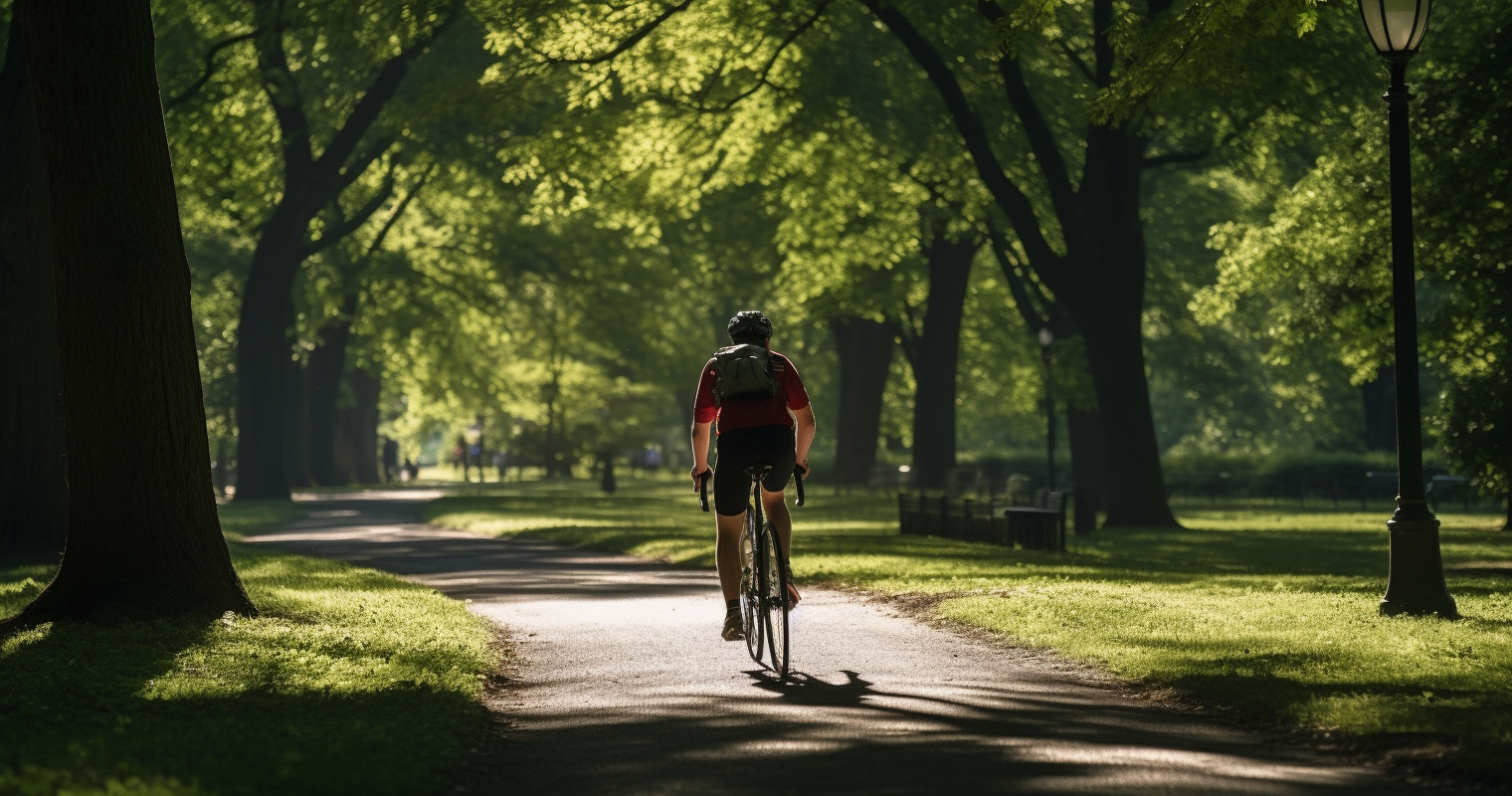
Mexico has a rich and evolving cycling culture, though what that experience actually looks like depends greatly on where you happen to live. Cities like Mexico City and Guadalajara have poured significant resources into bike lanes and public bicycle programmes, making two-wheeled travel a genuinely useful option for daily life. Step outside these urban centres, however, and the picture changes considerably. For expats weighing up whether to cycle regularly, the short answer is: yes, it can work well — but only with a clear-eyed understanding of local road conditions and attitudes.
| Item | Details |
|---|---|
| Helmet law (cyclists) | Not legally required nationally (as of 2024); strongly recommended |
| Bike registration | Not mandatory nationally; some municipalities may operate voluntary schemes |
| Bike insurance | Not legally required; recommended for personal and theft protection |
| Mexico City bike lanes | Approx. 400+ km of lanes (as of 2024); goal of 600 km set |
| EcoBici annual pass (Mexico City) | MXN $934 (approx. USD $46) as of 2025 — check ecobici.cdmx.gob.mx for current rates |
| Road safety authority | National Council for the Prevention of Accidents (CONAPRA) |
How popular is cycling in Mexico — is it a common way to get around?
The bicycle has been part of Mexican daily life for well over a century, though for much of that time it was associated primarily with those who lacked access to a car. That perception has shifted markedly in recent years, especially since the COVID-19 pandemic triggered a widespread rethink of how people move through cities.
“In most of Mexico, biking is really common, but with the middle class it was not so common — that changed a lot” during the pandemic, according to cycling activists in Mexico City. Today, the bike occupies a dual role: a functional tool for getting from A to B, and a statement about sustainable urban living.
Nationally, bicycles account for roughly 1.07% of all journeys, with an estimated 2,068,750 adult cycling trips made every day in urban areas. By the standards of the world’s cycling leaders, this is a modest share — Denmark sees around 16% of trips by bike, and the Netherlands around 27% — but the trajectory in Mexico is clearly upward, particularly in its biggest cities.
Latin America as a whole is carving out a reputation for forward-thinking transport policies, with Mexico City and Bogotá frequently cited as regional leaders who are achieving meaningful progress on considerably tighter budgets than their European counterparts. For expats from countries where cycling is woven into everyday life, Mexico’s urban cycling scene may feel like it is still finding its feet — but it is doing so with considerable energy.
What is the cycling infrastructure like in Mexico?
As one of the world’s largest metropolises, Mexico City now boasts around 250 miles (approximately 400 km) of dedicated cycling lanes, much of this network having been created during the COVID-19 pandemic when packed public transport felt untenable to many commuters. The city has set itself an ambitious expansion target, with plans to extend the network further through additional protected corridors in the coming years.
Infrastructure investment has been deliberately directed toward parts of the city that already had strong cycling cultures but lacked the physical infrastructure to support them safely. “Some districts already used bicycles but they didn’t have cyclist infrastructure, so the investments are going towards those parts of the city outside the centre,” according to the deputy director of cycling systems at Mexico City’s Ministry of Mobility. Rather than applying a one-size-fits-all template, the city has pursued a mix of solutions adapted to local conditions — an approach that draws loose comparisons to the varied cycling environments found in Germany or the Netherlands, even if the scale remains quite different.
Mexico City’s cycle network is integrated with its wider Integrated Mobility system, including EcoBici, enabling residents to plan combined journeys that blend cycling with metro and bus connections. Protected lanes not only reduce the risk of conflict with motor vehicles but also offer measurable time savings for cyclists during peak hours. The most current route information is available through the CDMX Cycle Map portal, which is the recommended starting point for planning rides in the capital.
Elsewhere, the State of Mexico has committed more than MXN $113 million (approximately USD $6.3 million) to build four new bike lanes and six protected crossings at high-traffic locations. This investment signals a growing recognition that non-motorised transport users — long underserved in suburban and peri-urban areas — deserve meaningful infrastructure improvements.
In Guadalajara, over 1.4 million cycling trips were recorded between January and November 2025, a figure that speaks to a maturing cycling culture backed by dedicated infrastructure. The city does, however, continue to grapple with gaps in network connectivity. Other cities — including Puebla, Mérida, Monterrey, and Oaxaca — are also advancing their cycling programmes, with progress tracked through ITDP Mexico’s 2025 Ciclociudades Monitor, which benchmarks cycling development across Latin American cities.
Outside major urban centres, the picture is considerably less encouraging. Rural and suburban roads throughout Mexico were built with motor vehicles firmly in mind, and expats settling beyond the main cities should not expect to find protected lanes or signposted routes. The Secretaría de Infraestructura, Comunicaciones y Transportes (SICT) is responsible for national transport infrastructure, while cycling networks within cities are managed by local mobility secretariats such as Mexico City’s SEMOVI. Check your municipal transport authority’s website for route maps and planned developments in your specific area.
Is cycling safe in Mexico?
Data from 2023 shows that seven out of every ten road fatalities in Mexico involve motorcyclists, pedestrians, or cyclists — a stark reminder that the country’s most vulnerable road users continue to bear a disproportionate share of traffic risk. This is an important consideration for anyone thinking about regular cycling, particularly in busy city environments.
Notably, 97% of traffic incidents occur within cities, making the urban environment the primary battleground for road safety improvements. This contrasts sharply with patterns in many European countries, where major highways account for a far higher proportion of serious casualties. For cyclists in Mexico, this means that city riding — not rural touring — demands the greatest degree of care, particularly at junctions and along corridors shared with heavy traffic.
There are encouraging signs: cyclist fatalities fell by 2.3% between 2022 and 2023, suggesting that expanded protected infrastructure is beginning to yield results. Advocates and policymakers broadly agree that further progress depends on a combination of safer physical infrastructure — protected lanes, clearly marked crossings, adequate lighting — alongside stronger enforcement and sustained road safety education for all road users.
One persistent frustration among cycling advocates is the lack of awareness among motorists, motorcyclists, pedestrians, and even dog walkers, many of whom treat dedicated bike lanes as general-purpose space. Calls for police to enforce lane protections more consistently are ongoing.
There is no national legal requirement for cyclists to wear helmets in Mexico — unlike in Australia, where federal helmet laws are strictly applied. Nevertheless, wearing a properly fitted helmet and high-visibility clothing is strongly advised under all conditions. Road surfaces in parts of Mexico can be treacherous, with potholes, raised kerbs, and inadequate street lighting adding to the hazards, especially after dark and away from designated cycling infrastructure. For current national road safety data and guidance, the CONAPRA (Consejo Nacional para la Prevención de Accidentes) is the relevant authority.
What are the rules of the road for cyclists in Mexico?
Cycling regulations in Mexico operate across two levels — federal rules that apply nationally, and local ordinances set by individual states and municipalities — which means the exact requirements can differ depending on where you are. There is no single comprehensive national cycling code comparable to the UK’s Highway Code, making it essential to familiarise yourself with the rules in your specific location.
Key national and widely applied rules for cyclists include:
- Direction of travel: Always ride in the direction of traffic — riding against the flow is prohibited on all roads.
- Traffic lights: When stopping at a traffic light, stop in the designated bike-motorcycle box, not on the pedestrian crossing.
- Overtaking: Always pass on the left. If your speed is reduced, move to the right side of the lane.
- Distractions: Avoid using headphones or mobile phones while cycling.
- Helmets: Bicycle helmets are not compulsory under national law, but are strongly recommended and may be required under specific local ordinances.
- Lights: Front and rear lights are strongly advised for night riding and may be required by local law. Most major bike lanes in leading cities are illuminated, but riders should still equip a white front light and a red rear light, and wear high-visibility clothing.
- Age restrictions: There is no universal national minimum age for cycling on public roads, but local rules may apply. Check with your local municipal traffic authority.
- Alcohol: While a specific blood alcohol limit for cyclists is not uniformly published nationally, general traffic law prohibits impaired road use and this can apply to cyclists under local ordinances.
Several cities have introduced their own mobility legislation. Mexico City’s Ley de Movilidad, for instance, sets out a detailed framework covering both cyclist rights and responsibilities within the capital. For a full account of the legal requirements in your area, consult the Secretaría de Movilidad (SEMOVI) if you are based in Mexico City, or your relevant state transport ministry elsewhere. The overarching federal transport framework is administered by the SICT.
Do I need to register my bike or have insurance to cycle in Mexico?
Mexico has no national mandatory bicycle registration scheme. Unlike motor vehicles, which must be formally registered and display number plates, bicycles face no equivalent federal requirement. Certain municipalities run voluntary registration programmes as a deterrent to theft, and it is worth finding out whether your city offers one — but there is no legal obligation to participate and no penalty nationally for not doing so.
Third-party liability insurance for cyclists is similarly not required by law at the national level. This contrasts with debates underway in parts of Europe, where some countries are actively considering mandatory cyclist insurance as part of broader road safety overhauls. No such requirement currently exists in Mexico.
That said, taking out personal accident and theft cover is prudent, particularly in larger cities where bicycle theft is a recurring problem. Many home and contents insurance policies in Mexico can be extended to include bicycles — it is worth asking your insurer directly about this option. For general guidance on how insurance products are regulated in Mexico, the Comisión Nacional de Seguros y Fianzas (CNSF) is the national oversight body. As individual municipalities may introduce new rules at any time, it is advisable to verify current requirements with your local transport authority periodically.
Are there public bike-sharing or rental schemes in Mexico?
EcoBici is the public bicycle sharing system launched by the Mexico City government in February 2010. It stands as one of the most significant bike-share networks in all of Latin America and serves as the centrepiece of the capital’s cycling ecosystem. As of August 2024, EcoBici operates 689 stations and a fleet of 9,300 bicycles. The system is designed to integrate the bicycle as an essential component of urban mobility — available to city residents and visitors alike — allowing users to pick up a bike at any station and return it to whichever station is most convenient, with each ride capped at 45 minutes and unlimited trips available within a subscription period.
EcoBici pricing (VAT-included, as of 2025) is as follows: a 1-day pass costs MXN $127.99; a 3-day pass costs MXN $253.99; a 7-day pass costs MXN $425; and an annual plan costs MXN $934. An upgraded EcoBici+ annual plan, priced at MXN $566, extends the permitted ride duration to 90 minutes on weekends. Discounts of 10% are available for residents aged 60 and over holding an INAPAM card, and for students aged 16 to 23 with a valid student ID. Always check the official EcoBici website for the most current pricing, as tariffs are updated from time to time.
MiBici, which became only the second bike-share scheme to launch in Mexico after EcoBici, provides Guadalajara with its own public cycling network. Between January and November 2025, Guadalajara logged over 1.4 million bike trips, illustrating the growing appetite for shared cycling in the city. Full details on stations and current pricing can be found at the MiBici official website.
Beyond these two flagship systems, a number of other cities — including Puebla, Mérida, and Monterrey — either operate or are actively developing municipal bike-share schemes. Popular tourist destinations such as San Miguel de Allende and Oaxaca City are served by private rental operators offering hourly and daily hire of standard and electric bikes. Availability and pricing vary considerably, so the most reliable information will come from local municipal transport authority websites or tourism offices. Mexico City’s Sunday Ciclovía programme, which closes major arterial roads to motor vehicles and opens them exclusively to cyclists and pedestrians, can be enjoyed by both EcoBici members and those riding their own bikes.
Where can I buy or service a bike in Mexico?
Finding a bicycle in Mexico’s major cities presents no great difficulty, with options available to suit virtually every budget. Large sports chains such as Decathlon — with stores in Mexico City, Guadalajara, Monterrey, and other cities — carry an extensive range of road bikes, mountain bikes, and urban commuter models alongside accessories and replacement components. Prices for mainstream brands are broadly in line with international markets, though highly specialised or high-end models may be harder to find or carry a premium compared to Western Europe or North America.
Second-hand bikes represent excellent value and are easy to find through online platforms. Mercado Libre — Mexico’s equivalent of eBay — and Facebook Marketplace both carry substantial listings of used bicycles at competitive prices. Established cycling communities in cities such as Mexico City, Guadalajara, and Monterrey also facilitate peer-to-peer sales through dedicated social media groups, which can be a reliable way to buy from fellow enthusiasts.
Bike repair workshops (*talleres de bicicletas*) are plentiful in urban areas, ranging from small neighbourhood mechanics operating out of compact spaces to well-equipped specialist stores offering a full range of services. In Mexico City, areas like Roma, Condesa, and Coyoacán have earned a reputation for quality independent bike shops. Standards and pricing can differ markedly between establishments, so seeking recommendations from local cycling communities before committing to a workshop is sensible. The pandemic period actually reinforced the importance of bike shops in urban life — Mexico City classified them as an essential service during lockdowns, a recognition of how central they had become to the city’s daily functioning.
Consumer rights in Mexico are protected under the remit of PROFECO (Procuraduría Federal del Consumidor), the federal consumer protection body. Retail purchases are covered by statutory warranty provisions under Mexican consumer law, broadly analogous to protections offered elsewhere in Latin America and the EU. Always retain your receipt and review the warranty terms carefully at the point of purchase. The PROFECO website contains guidance on your rights as a consumer.
Can I bring my bike when I move to Mexico, and are there any import rules?
Expats relocating to Mexico and shipping a bicycle as part of their household goods (*menaje de casa*) may qualify to import it without paying customs duty under Mexico’s personal effects exemption. In principle, used personal belongings — including sports equipment such as bikes — can be brought into the country free of import charges, provided they are declared correctly as personal effects and not intended for commercial sale.
The key steps and considerations are as follows:
- Obtain your legal residency status first: The personal effects exemption generally applies to people who have obtained temporary or permanent residency in Mexico. You will need to present your residency documentation to customs (SAT/Aduana) when claiming the exemption.
- Compile a detailed inventory: All items in your *menaje de casa* shipment must be listed in a detailed inventory (*lista de menaje*), including a description of the bicycle, its brand, and approximate value.
- Check the timeframe: The importation of household goods is typically permitted within a set window after establishing residency. Check the current rules with the SAT (Servicio de Administración Tributaria) as timeframes and conditions can change.
- Commercial or new bikes may attract duties: A brand-new bicycle, or one imported outside the personal effects exemption, may be subject to Mexico’s standard import tariff. Mexico applies tariffs under the Harmonised System; bicycles generally fall under HS Chapter 87. Check the current applicable rate with the SAT or a licensed customs broker (*agente aduanal*), as rates can change.
- Hire a customs broker if needed: For anything beyond a straightforward personal shipment, using a licensed *agente aduanal* is strongly recommended. They can ensure correct classification and help avoid delays or penalties.
For authoritative and up-to-date guidance on importing personal effects and meeting customs requirements, visit the SAT (Servicio de Administración Tributaria) official website, or speak with the nearest Mexican consulate before your shipment leaves. Rules and thresholds are subject to change, and verifying requirements in advance is always preferable to discovering problems after the fact.
What are the best cycling routes or destinations in Mexico?
Mexico City established its cycling credentials back in 2007 with the launch of the Muévete en Bici programme, which closes major roads to motor vehicles every Sunday — including the iconic Paseo de la Reforma, a sweeping diagonal boulevard cutting through the heart of the city. On these mornings, thousands of riders take to the avenue, gliding past grand fountains and historic monuments in an atmosphere that is both festive and genuinely liberating. For anyone new to cycling in the capital, this is one of the finest introductions imaginable.
Despite its formidable reputation for traffic, Mexico City has a trump card for cyclists: it is remarkably flat. “The city’s flat, so you can take a bike and go everywhere,” as one local bike builder put it. The altitude also keeps temperatures mild for much of the year, making riding comfortable in ways that coastal cities simply cannot match.
Venture beyond the capital and Mexico reveals an extraordinary range of cycling terrain. Notable destinations and routes include:
- Copper Canyon (Chihuahua): One of the world’s most dramatic landscapes, the Copper Canyon region offers challenging mountain biking and long-distance touring routes through spectacular scenery. The canyon system is larger than the Grand Canyon and draws international cycling tourists.
- Oaxaca: The valleys surrounding Oaxaca City provide well-regarded terrain for both road cyclists and mountain bikers, with a growing network of local operators running guided rides through indigenous villages and past significant archaeological sites.
- Baja California Peninsula: The Baja Peninsula has long attracted serious cycle-tourers seeking multi-day adventures along Pacific coastal roads, where dramatic scenery combines with relatively light traffic on secondary routes.
- Teotihuacán (State of Mexico): The ride from Mexico City out to the ancient pyramids of Teotihuacán is a popular weekend challenge for urban cyclists and organised groups alike.
- Guadalajara’s lake district: The shoreline communities around Lake Chapala, including the expat-popular town of Ajijic, offer gentle flat riding through picturesque lakeside scenery — a favourite among residents of the region.
- Mérida (Yucatán): Mérida features among the cities tracked by the 2025 Ciclociudades Monitor, reflecting a cycling culture that has grown steadily in recent years. The city’s flat topography and colonial streetscape make it one of the most agreeable urban cycling environments in the country.
For route planning, the Visit Mexico tourism board and the ITDP Mexico (Instituto de Políticas para el Transporte y el Desarrollo) Ciclociudades platform are both useful starting points. The Federación Mexicana de Ciclismo (FEMECI) is the national cycling federation and can provide information on organised events and longer-distance routes across the country.
Frequently asked questions about cycling in Mexico
Do I legally need to wear a helmet when cycling in Mexico?
No national law compels cyclists to wear a helmet in Mexico. That said, given the realities of road safety — particularly in high-traffic urban areas — wearing a properly fitted helmet at all times is strongly advisable. Individual municipalities may have introduced their own requirements, so it is worth checking the rules applicable in your city or state.
Is cycling a realistic option for commuting in Mexico City?
For many journeys within the central boroughs, cycling is a genuinely practical choice. The city is largely flat, which removes one of the most common barriers to everyday cycling. The cycle network is integrated with the wider Integrated Mobility system — including EcoBici — making it possible to combine cycling with metro and Metrobus connections for longer or more complex journeys. Bear in mind, though, that the outer suburbs are sprawling and less well served by cycling infrastructure, so careful route planning matters.
Is it safe to cycle at night in Mexico?
Cycling after dark carries heightened risks, especially on roads without dedicated infrastructure. While most major bike lanes in leading cities are lit, riders should always fit a white front light and a red rear light, and wear clothing that makes them visible to drivers. At night, sticking to familiar, well-lit routes and exercising extra caution at intersections — where driver awareness of cyclists tends to drop — is essential.
Will my bicycle be covered by insurance in Mexico?
Bicycle insurance is not a legal requirement in Mexico. Even so, theft is a genuine concern in urban areas, making some form of cover well worth considering. Many home or contents policies can be extended to include bicycles — check directly with your insurer. Dedicated cycling insurance covering theft, personal accident, and third-party liability is also available from private providers. The national insurance regulator is the Comisión Nacional de Seguros y Fianzas (CNSF).
Can I use EcoBici as a new expat resident in Mexico City?
Yes, and the registration process has been significantly streamlined. Modern EcoBici station terminals accept credit cards directly, allowing you to sign up and pay on the spot by answering a short series of on-screen prompts — no ID, passport, or paperwork required. You then set your own PIN code for future use. Subscription options span one day, three days, one week, and one year, so you can try the system out informally before deciding whether an annual pass suits your needs.
Are there cycling rules that differ between Mexican states or cities?
Yes, and the differences can be significant. Federal traffic law establishes a national baseline, but each state and municipality retains the authority to enact its own mobility legislation. Mexico City’s Ley de Movilidad is a particularly comprehensive example, with dedicated provisions for cyclist rights and duties. Smaller cities may have far more limited cycling-specific rules. Always consult your local transport authority — typically the Secretaría de Movilidad or Dirección de Tránsito — to confirm what applies where you live.
What should I do if my bicycle is stolen in Mexico?
File a report with the local police (*Ministerio Público*) as promptly as possible and obtain a formal crime report (*denuncia*) — this document is essential for any insurance claim you plan to make. If your bike was enrolled in a local voluntary registration scheme, contact that authority as well. Keeping a photograph of your bike’s serial number before any incident occurs dramatically improves the likelihood of recovery and makes insurance claims considerably faster to process. Some cities maintain voluntary registration databases specifically to assist with stolen bike recovery.
Is it worth bringing my own bike when moving to Mexico, or should I buy locally?
Both paths are perfectly workable. If your bicycle is a high-specification or specialist model, bringing it with you may be the right call — but make sure you fully understand the customs rules by consulting the SAT before you ship anything. If you are open to purchasing locally, major retailers such as Decathlon offer a solid range at competitive prices, and platforms like Mercado Libre make it easy to find quality second-hand options. For the majority of everyday urban cycling needs, buying in Mexico is simply more straightforward than navigating the import process.