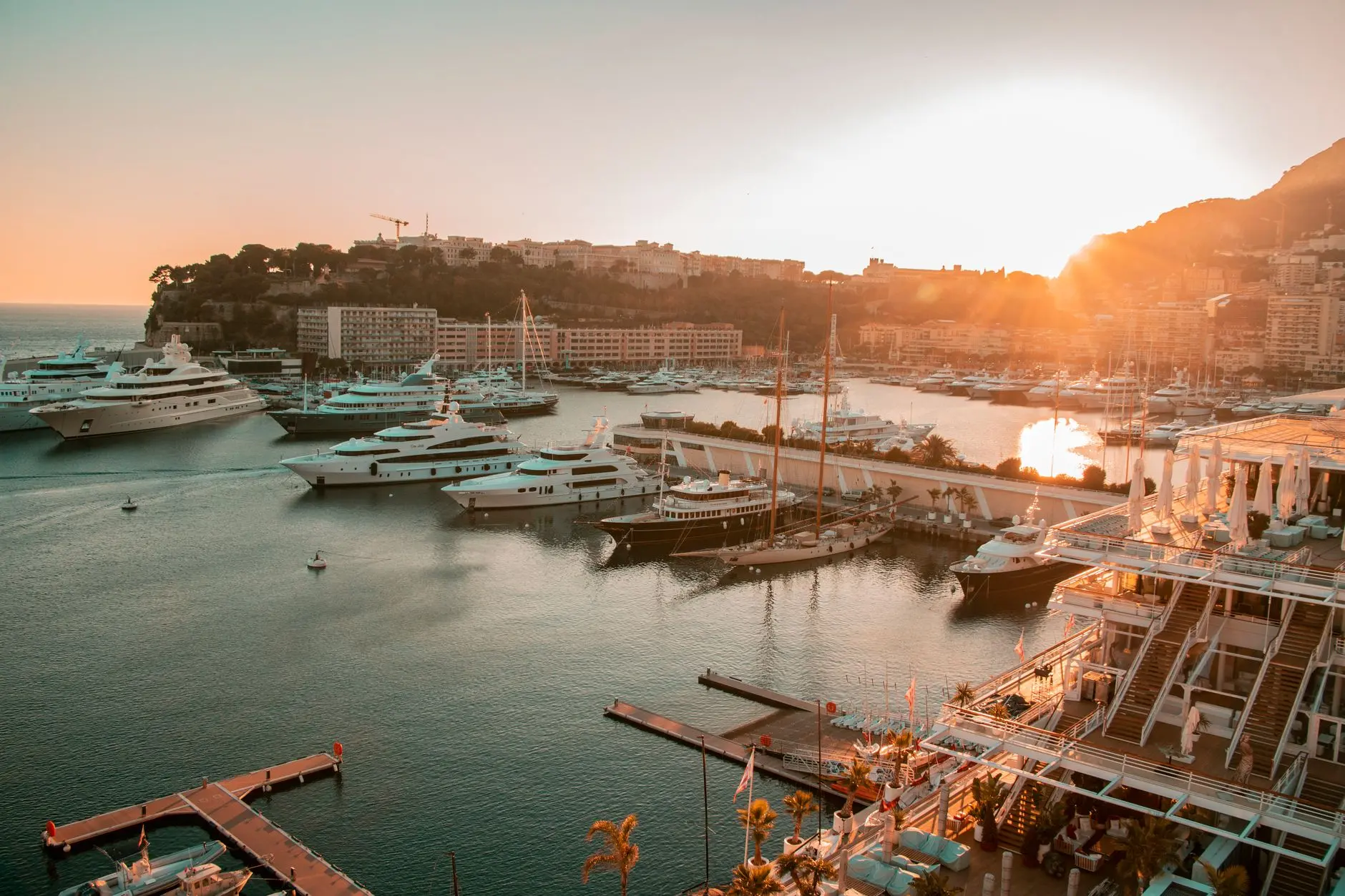

Cycling has become an increasingly significant component of Monaco’s transport landscape, with the Prince’s Government actively championing it as a central element of the Principality’s soft mobility strategy. While Monaco has not yet achieved the entrenched cycling culture seen in places like the Netherlands or Denmark, it has developed a robust e-bike sharing network, approximately 6 kilometres of dedicated lanes and shared routes, and superb recreational riding opportunities along the Côte d’Azur and up into the alpine terrain beyond.
| Item | Details |
|---|---|
| Total cyclist-accessible lanes (as of 2025) | Approximately 6 km (dedicated lanes, bus lanes, and shared paths combined) |
| Helmet law | Mandatory for cyclists under 18; strongly recommended for adults |
| MonaBike single trip price (as of 2025) | €1 per 30-minute trip |
| MonaBike monthly pass (as of 2025) | €18 per month |
| MonaBike annual subscription (as of 2025) | €72 per month (minimum 12-month commitment) |
| MonaBike minimum age | 14 years old |
| E-bike purchase subsidy (as of 2025) | 30% of purchase price (inc. tax), up to a maximum of €400 |
01How popular is cycling in Monaco — is it a common way to get around?
Cycling in Monaco occupies a distinctive position: it is neither the overwhelmingly dominant mode of transport found in Amsterdam or Copenhagen, nor the fringe pursuit it remains in many heavily car-oriented cities. The Prince’s Government has consciously placed cycling at the heart of its soft mobility programme, directing investment into infrastructure and purchase subsidies to build the habit among residents and commuters.
MonaBike, the Principality’s electric bike service, has proven enormously successful since its launch, recording an average of 1,200 journeys per day and peaking at up to 1,600 on the busiest days. For a city-state of roughly 40,000 residents, these are striking numbers — suggesting that cycling has genuinely embedded itself as a practical daily mode of travel, rather than being purely a tourist-facing activity.
For recreation and sport, cycling is particularly well-rooted in the local culture. The Côte d’Azur has a strong cycling tradition inherited from France more broadly, and Monaco sits squarely within that heritage. Most French people have ridden a road bike at some point, and motorists in this region tend to be accommodating towards cyclists. You will often receive a wave from onlookers, and fellow riders on the road will generally greet you with a knowing nod as you pass.
For daily commuting, the picture continues to shift. Monaco’s compact footprint — just over 2 square kilometres — keeps cycling distances inherently short, but its hilly topography has historically put off casual riders. The widespread availability of pedal-assist e-bikes through MonaBike is rapidly changing that equation, making cycling a viable choice for a much broader cross-section of commuters than was previously the case.
02What is the cycling infrastructure like in Monaco?
Monaco’s cycling network is modest in scale but has been improving at a consistent pace. Given the Principality’s extraordinarily dense urban environment and minuscule geographic area, it will never rival the extensive networks found in major cycling nations — yet the government has made steady headway in carving out protected space dedicated to cyclists.
To facilitate cycling across the Principality, Monaco has developed a network of cycle lanes and exclusive right-of-way paths designed to improve safety and ease traffic flow. Key elements include the Avenue Princesse Grace cycle path, the Rocher tunnel cycle path connecting Fontvieille with Port Hercule, and the cycle lane between Larvotto and the La Condamine district. Cyclists are also permitted to use bus lanes, bringing the total cyclist-accessible road space to 6 kilometres across the Principality (as of 2025).
Among the most recent additions is a 430-metre cycle lane connecting the La Condamine and Larvotto neighbourhoods, enabling cyclists to pass through the Louis-II tunnel safely in that direction. In a dense city where tunnels have historically represented significant barriers to safe cycling, this marks meaningful progress.
Non-motorised personal transporters, including bicycles, are also permitted across a range of shared public spaces — among them Place d’Armes, Promenade Honoré II, Quai Albert I, Rue Princesse Caroline, and La Condamine’s market area outside opening hours — accounting for a combined 2.4 km of shared public space accessible to cyclists.
Beyond Monaco’s borders, the wider Côte d’Azur offers outstanding cycling terrain. The landscape ranges from flat coastal routes to demanding mountain ascents, road surfaces are generally of high quality, and many towns have their own cycle infrastructure. Following the green coastal cycle path in either direction, riders can explore beautiful seaside destinations such as Saint-Raphaël, Juan-les-Pins, Saint-Jean-Cap-Ferrat, Cap d’Ail, and Menton. For route maps and information on planned improvements, the Prince’s Government of Monaco and the Visit Monaco tourism authority are useful resources.
03Is cycling safe in Monaco?
Road safety is treated as a serious governmental priority in Monaco, and recent legislative reforms reflect this commitment. The definition of “vehicle” in Monaco’s revised road safety legislation has been broadened to explicitly include non-motorised road users such as cyclists and mechanical scooters — a recognition of the changing composition of road traffic and the growing variety of users sharing Monaco’s streets. This means cyclists are now formally acknowledged and catered for within traffic law.
These legislative updates came in response to troubling road safety data both locally and across Europe. In 2023, Monaco recorded three fatal accidents involving six deaths across all road users — not cyclists specifically. The tightened legal framework reflects the Principality’s determination to address rising concerns around road safety, with particular attention to vulnerable users including pedestrians, cyclists, and scooter riders. For the most up-to-date safety statistics, visit the Prince’s Government portal.
Driver attitudes towards cyclists are broadly positive in this part of Europe, reflecting the wider French cycling culture. Once you leave Monaco’s urban core behind, however, the terrain changes markedly — twisting, undulating roads thread through ancient hilltop villages, and the mountain routes can be narrow and demanding, requiring particular care on descents.
In Monaco, wearing a helmet is compulsory for all cyclists under 18, and strongly encouraged for everyone else. Although adult helmet use carries no legal obligation, the combination of steep descents and busy coastal roads makes wearing one highly advisable regardless of age. This stands in contrast to countries such as Australia and New Zealand, where helmet use is legally required for all riders.
04What are the rules of the road for cyclists in Monaco?
Cycling in Monaco is regulated by the Principality’s own traffic code, which underwent substantial revision in 2020 as part of a wide-ranging review of soft mobility legislation. While the rules draw heavily on French road law, they include Monaco-specific provisions that cyclists should take time to understand. The Prince’s Government website is the authoritative source for the current code.
Key rules applicable to cyclists include:
- All cyclists under the age of 18 must wear a helmet. Adults are strongly advised to do so but face no legal requirement.
- Lanes reserved for public transport (bus lanes) may be used by both muscle-powered and pedal-assisted cycles, effectively adding 1.7 kilometres of road space to the cyclist-accessible network.
- Bicycles must be fitted with functioning brakes, lights, and a bell — in line with standard European equipment requirements.
- The MonaBike service is available to users aged 14 and over. This minimum age was lowered from 16 as part of a broader policy drive to open up cycling to younger residents.
- Users of non-motorised devices such as skateboards and rollerblades are classified as pedestrians and must use the pavement — cyclists, by contrast, are not treated as pedestrians and are required to use the road or designated cycle infrastructure.
Monaco’s 2025 road safety legislation introduced considerably stricter penalties for dangerous driving behaviour, including driving under the influence of alcohol or drugs. While these measures primarily target motorists, they create a stronger overall enforcement environment that benefits all vulnerable road users, cyclists included. Given that regulations in this area continue to evolve, always verify the most current requirements via the official government portal.
05Do I need to register my bike or have insurance to cycle in Monaco?
Monaco operates no mandatory registration scheme for privately owned bicycles. Unlike motor vehicles, you are not required to register your bike with any authority before riding it in the Principality. This aligns with the approach taken across most of Western Europe, where bicycle registration remains voluntary rather than compulsory.
There is equally no legal obligation for cyclists to hold third-party liability insurance when riding their own bicycle in Monaco. That said, given the density of the Principality’s streets and the real risk of accidents in a busy urban setting, taking out personal liability cover — whether as a standalone cycling policy or as part of a home contents or broader personal insurance package — is well worth considering. Many expatriates discover that home contents policies from their country of origin do not automatically extend to liability while cycling abroad, making it important to review the precise terms of any existing cover carefully.
MonaBike users should note that the CAM expressly disclaims liability in the event of an accident, placing the responsibility on users to hold appropriate insurance coverage for the activity. If you intend to use MonaBike regularly as a commuting tool, verify whether your personal liability or travel insurance extends to shared e-bike use. The Commission de Contrôle des Activités Financières (CCAF), Monaco’s financial regulator, or a local insurance broker can advise on available products and requirements.
06Are there public bike-sharing or rental schemes in Monaco?
Consistent with its commitment to soft mobility and responsible tourism, the Government of Monaco has authorised MonaBike, an on-demand electric bicycle rental service. MonaBike is the flagship public cycling scheme and represents the most accessible option for new arrivals who wish to start cycling in Monaco before investing in their own bike.
The scheme comprises 49 docking stations spread throughout the Principality, with a total fleet of 350 electric bicycles. Offering pedal assistance up to 25 km/h, these comfortable bikes make navigating Monaco’s hilly terrain effortless. Each MonaBike is recharged at docking stations and, when fully charged, provides a range exceeding 60 kilometres.
MonaBike pricing (as of 2025) is structured as follows:
| Pass Type | Price | Includes |
|---|---|---|
| Single trip | €1 | One 30-minute one-way journey |
| 24-hour pass | €3 | Unlimited 30-minute journeys over 24 hours |
| 7-day pass | €8 | Unlimited 30-minute journeys for 7 days |
| Monthly pass | €18 | Unlimited 30-minute journeys for one month |
| Annual subscription | €72/month | Minimum 12-month commitment |
| Combined annual subscription | €48/month | Combined with a Monaco bus or public parking annual subscription |
To access the MonaBike service, users register via the Monapass application or directly at monabike.mc, then select the tariff that suits their needs — from a single trip at €1 per 30 minutes for occasional users through to 24-hour, 7-day, monthly, or annual passes for more frequent cyclists. Holders of a Monaco bus card (CAM card) can unlock bikes directly using their card; those without a CAM card unlock bikes by scanning the QR code on the bicycle with their smartphone.
For private bike rentals, specialist providers operate across the wider Côte d’Azur region and can deliver to Monaco. Several well-regarded rental outlets in and around the Principality offer high-quality bikes across a range of styles, with half-day and full-day hire options available for leisure riders. Visit monabike.mc for full details of the official MonaBike service.
07Where can I buy or service a bike in Monaco?
Monaco is a compact but affluent city-state with a discerning retail market, and this character is evident in its cycling shops. The emphasis is firmly on quality over quantity, and you are unlikely to encounter the large discount cycling superstores common in France or Germany. Instead, expect specialist retailers catering to road cyclists, e-bike enthusiasts, and urban commuters seeking premium products and personalised service.
Monaco has several electric bike shops offering a broad range of bicycles, accessories, and workshop services. Moneco Bike is a prominent e-bike retailer carrying a variety of electric models alongside affordable options and flexible rental arrangements, as well as handling repairs and maintenance. Stajvelo similarly stocks a selection of electric bikes including both urban and more trail-oriented models.
The government’s e-bike subsidy scheme makes buying a new electric bike particularly attractive for residents. As part of its soft mobility agenda, the Prince’s Government provides a subsidy worth 30% of the purchase price including tax, up to a ceiling of €400 (as of 2025). In principle this is comparable to schemes such as Germany’s employer-funded Dienstrad leasing arrangement or the Netherlands’ fiets-van-de-zaak tax benefit, though Monaco’s version operates as a direct government subsidy rather than a workplace incentive.
For routine servicing, mechanical repairs are readily available through local shops. That said, their spare parts inventory will not necessarily extend to specialist components for high-end road or gravel bikes. If you ride a performance machine with proprietary parts, it is worth establishing a relationship with a specialist workshop in nearby Nice or Menton, where a deeper retail ecosystem exists. Buyers of new bikes in Monaco benefit from standard EU and Monegasque consumer protections, including statutory warranty rights on new goods — confirm the current terms with your retailer at the point of purchase.
08Can I bring my bike when I move to Monaco, and are there any import rules?
Monaco is a sovereign microstate that sits outside the European Union, yet it maintains a customs union with France and falls within the EU’s customs territory for the purposes of goods movement. In practice, this means goods arriving from within the EU are generally not subject to additional customs duties when entering Monaco.
If you are relocating from within the EU, bringing your bicycle as part of a household removal should be straightforward — bicycles are considered personal effects and are not subject to import duty within the EU customs area. If you are moving from outside the EU — from the United States, Japan, or Australia, for example — your bicycle may be liable for EU import duty as it enters the EU/Monaco customs territory. As of 2025, the standard EU customs duty rate on bicycles from non-EU countries is governed by EU trade regulations, and anti-dumping duties may apply to bicycles originating from certain countries. Always confirm the applicable rate with the Prince’s Government of Monaco or a licensed customs agent before shipping your bike.
Personal effects brought into Monaco at the time of relocation — bicycles included — may qualify for relief from import duties if you are establishing genuine residency and the goods have been in your ownership for a minimum period, typically six months. This relief mirrors the Transfer of Normal Residence (TNR) exemption that applies across the EU. Verify current eligibility criteria and documentation requirements with Monaco’s Direction des Services Fiscaux (Tax and Duties Directorate) before your move.
If you are flying to Monaco and plan to travel with your bike as airline baggage, it is highly likely you will incur a standard sports equipment surcharge — the terms vary by carrier but such fees are widespread. Factor this cost into your travel planning, especially if you own an expensive or fragile bicycle.
09What are the best cycling routes or destinations in Monaco?
Despite its diminutive size, Monaco sits at the heart of one of Europe’s most celebrated cycling regions. The interplay of coastal promenades, dramatic cliff roads, and challenging alpine passes within easy reach of the Principality makes it a superb base for riders of every level of ambition and ability.
Numerous routes are accessible directly from Monaco without the need for a car and bike rack. Setting off along the green coastal cycle path that traces the length of the shoreline, riders can travel considerable distances in either direction, discovering charming beach resorts including Saint-Raphaël, Juan-les-Pins, Saint-Jean-Cap-Ferrat, Cap d’Ail, and Menton.
For road cyclists in search of a genuine challenge, the routes into the mountains carry legendary status. La Grande Corniche is among the classic rides of the Riviera, sweeping from the heart of Nice all the way to Menton on the Italian border and back. Those seeking a more ambitious undertaking can tackle alpine climbs, trace sections of historic Tour de France routes, or follow the 21 km coastal ride from Monte-Carlo to Ventimiglia across the Italian border.
Within Monaco itself, several urban routes lend themselves well to e-bike exploration. A popular circuit follows the famous Monaco Grand Prix track — a 3.3 km loop through the city’s streets, passing iconic locations such as the Monte-Carlo Casino and the Fairmont Hairpin. For a more relaxed outing taking in the Principality’s finest sights, riding from Port Hercules to Larvotto Beach offers a chance to admire the extraordinary superyachts moored in the harbour before arriving at the waterfront’s bars and restaurants.
The Champagne and Oyster Cycling Club of Monaco organises an annual charity ride from St. Tropez to Monaco in support of the Princess Charlene of Monaco Foundation, alongside various other charity rides of differing distances throughout the year — a wonderful opportunity to enjoy the sport while contributing to a worthy cause.
For route planning, platforms such as Komoot and Bikemap offer extensive community-verified cycling routes in and around Monaco. The Visit Monaco tourism authority and the Côte d’Azur Tourisme board are also excellent sources for officially signposted itineraries and cycling tourism guidance.
10Frequently asked questions about cycling in Monaco
Is Monaco a good place to cycle every day for commuting?
For short journeys within the Principality, cycling is becoming increasingly practical — especially given the MonaBike e-bike network, which neutralises the challenge of Monaco’s hilly terrain. The total cycle-accessible network of around 6 km (as of 2025) is modest by European capital standards, but Monaco’s compact footprint means that most destinations are reachable within a brief ride. For longer cross-border commutes, cycling works best when combined with Monaco’s wider public transport network.
Do I have to wear a helmet when cycling in Monaco?
Helmets are legally required for all cyclists under the age of 18 and are strongly recommended for adults. While there is no legal obligation for adult riders, the hilly landscape, narrow roads, and heavy traffic make wearing a helmet highly advisable for all cyclists irrespective of age.
Can I use the MonaBike service as a resident rather than just a tourist?
Yes — MonaBike is intended for both residents and visitors alike. It is a service operated by the Princely Government of Monaco and administered by the Compagnie des Autobus de Monaco (CAM). Residents can subscribe to monthly or annual passes at considerably lower rates than single-trip pricing, and holders of a Monaco bus card (CAM card) can unlock MonaBikes directly using their existing transport card.
Are there age restrictions for using MonaBike?
The minimum age for using MonaBike was reduced from 16 to 14 following regulatory changes introduced in 2020. Anyone aged 14 or over who creates a user account and accepts the terms and conditions is eligible to use the service.
Is it safe to cycle in Monaco’s tunnels?
Monaco has taken direct action to improve tunnel safety for cyclists. A dedicated 430-metre cycle lane threads through the Louis-II tunnel, linking the La Condamine and Larvotto neighbourhoods in one direction. Travelling in the opposite direction, cyclists must currently share the carriageway with motor vehicles, as the tunnel’s width does not permit a cycle lane on that side. Exercise caution in all shared tunnel sections.
Can I bring my own bicycle when I move to Monaco?
Yes — there are no specific restrictions on importing a personal bicycle into Monaco. If you are relocating from within the EU customs area, no import duty should apply. If you are moving from outside the EU, your bike may attract EU customs duty, although a personal effects relief (Transfer of Normal Residence) may be available if you have owned the bike for at least six months. Check current rules and documentation requirements with Monaco’s Direction des Services Fiscaux before arranging shipping.
Is there a government subsidy for buying an electric bike in Monaco?
The Prince’s Government provides a subsidy for electric bike purchases equivalent to 30% of the purchase price including tax, up to a maximum of €400 (as of 2025). This significantly reduces the cost of e-bike ownership for Monaco residents. Contact the relevant government department for urban development or environmental affairs for current eligibility criteria and application details.
Where can I find official cycling route maps for Monaco and the surrounding area?
The Visit Monaco official tourism website is the best starting point for cycling route information within the Principality. For the broader Côte d’Azur region, Côte d’Azur Tourisme publishes regional cycling itineraries. Community-driven platforms such as Komoot and Bikemap host hundreds of difficulty-graded verified routes, making them valuable tools for planning rides in Monaco and into the surrounding French and Italian hinterland.