
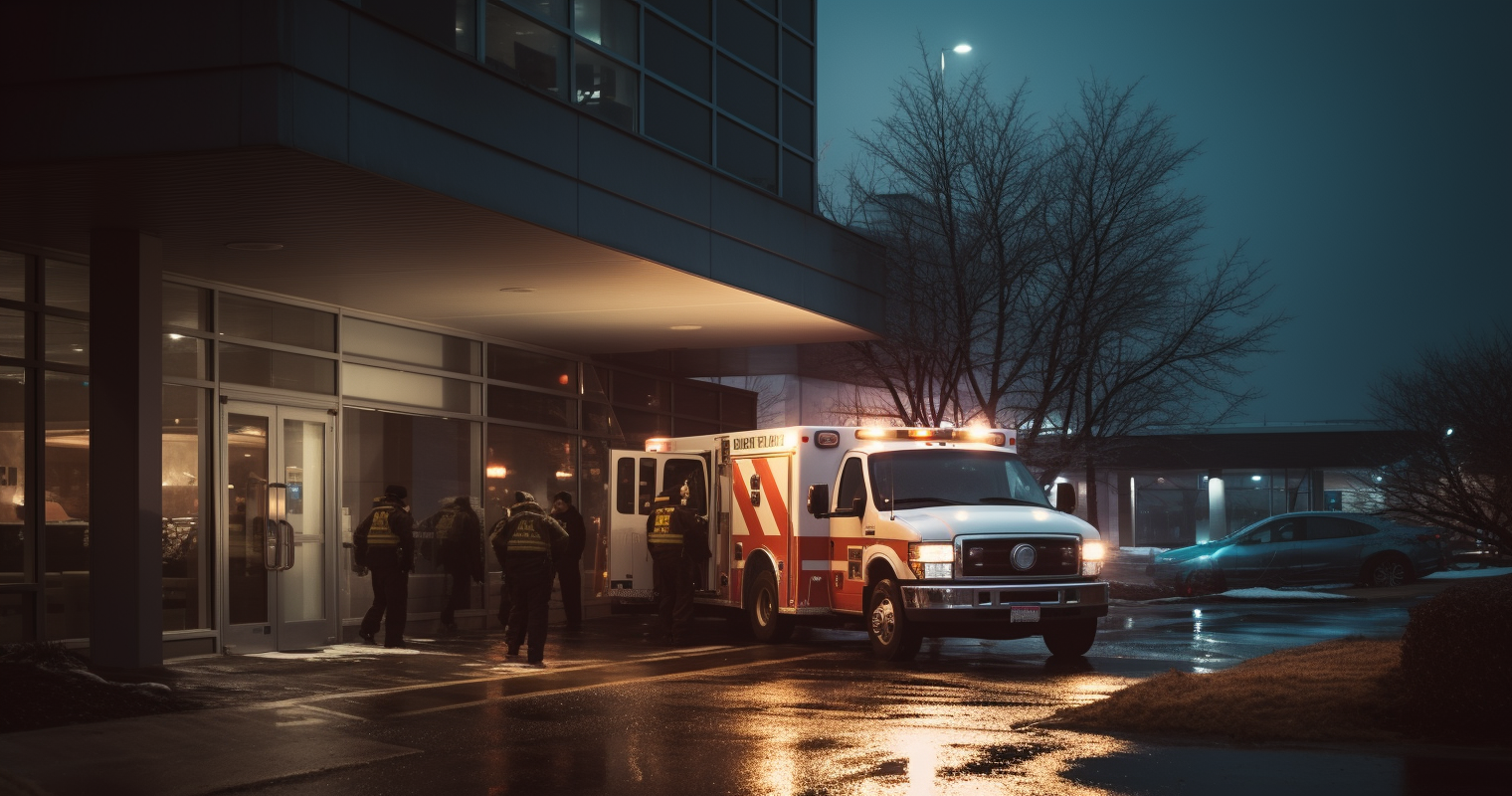
In Portugal, one number — 112 — connects callers to all emergency services, covering police, fire, and ambulance, and can be dialled free of charge from any phone at any hour. Emergency medical treatment at public hospitals is accessible to everyone; however, whether this comes at no cost or with a modest fee attached depends on your residency status, the route through which you access care, and whether you hold a valid health card or insurance policy. Tourists and uninsured visitors should carry adequate travel insurance before arriving.
| Item | Details |
|---|---|
| Universal emergency number | 112 (police, fire, ambulance) — free, 24/7 |
| Non-emergency health advice line | SNS 24 — 808 24 24 24 (clinical, 24/7) |
| Emergency fee for unregistered residents (public hospital, no referral) | Approximately €14–€18, as of 2022 (verify with SNS) |
| EHIC/GHIC coverage | Valid for EU residents and UK residents visiting Portugal; covers emergency and necessary care |
| Key civil protection authority | ANEPC (prociv.gov.pt) |
| Major country-specific risks | Wildfires, earthquakes, heat waves, floods, tsunamis |
What is the single emergency number in Portugal, and does it cover police, fire, and ambulance — or are there separate numbers for each service?
Portugal uses the pan-European emergency number 112 as its sole emergency contact. Whether you need an ambulance, the police, or the fire brigade, this is the only number you need to dial. There are no separate, dedicated lines for each individual service, unlike countries such as the US, which uses 911, or the UK, which operates the 999 system — 112 is the one and only gateway for all emergency assistance.
The number is active around the clock, every day of the year, and there is no charge for calling it. When a call is placed, it passes through Public Safety Answering Points (PSAPs) — regional dispatch centres — that route you to the right service for your situation. Calls initially reach a PSP Police dispatch centre, which then transfers you to whichever emergency service your circumstances require.
On average, a 112 call is answered within six seconds. One practical consideration for non-Portuguese speakers is that 112 operators cannot always communicate in languages other than Portuguese. Preparing a handful of essential phrases in advance, or having a Portuguese-speaking person available to help with the call, is strongly recommended.
How do you call for emergency medical assistance in Portugal, and what should you expect when you call?
Medical emergency and ambulance services in Portugal fall under the remit of INEM (Instituto Nacional de Emergência Médica), which operates within the national health system (SNS). When a call to 112 involves a medical situation, it is transferred to CODU — the Centre for the Guidance of Urgent Patients — a unit within INEM. There are four CODU centres serving different regions of the country: Lisbon, Porto, Coimbra, and Faro.
After dialling 112, your situation will be evaluated and, where required, an ambulance or other appropriate medical resource will be sent. According to INEM, the average dispatch time for urgent or critical situations is between one and three minutes. The call handler will need to know the location of the emergency, the nature of the problem, and details about the person requiring help — remain on the line and follow any instructions you are given.
Expats are sometimes taken aback when a fire department vehicle arrives in response to a medical call. This is entirely normal — the Bombeiros (fire brigade) are trained and equipped to act as emergency medical technicians and shoulder a significant portion of the country’s emergency medical response. For health concerns that are urgent but not life-threatening, SNS 24 (808 24 24 24) offers clinical guidance and referral within the public health system.
What should you do in a mental health crisis in Portugal — is there a dedicated mental health emergency line, and can you go to a hospital emergency department?
For those experiencing mental health difficulties in Portugal, the recommended starting point is your primary care doctor. Your GP serves as the gateway to mental health services within the SNS, which provides a baseline level of mental health support. That said, if a situation involves immediate risk to life, calling 112 is always the right course of action.
Portugal does not currently have a single dedicated national crisis line comparable to organisations like the Samaritans in Ireland or equivalents elsewhere. However, attending the emergency department (urgências) of a public hospital during a mental health crisis is a valid option — staff will triage and assess you on arrival. Access to a broader range of mental health services is considerably easier with private health insurance in place.
For those in emotional distress who are not in immediate physical danger, the SNS 24 line (808 24 24 24) can point you toward appropriate help and resources. As the availability of specialist mental health crisis services can vary significantly from one region to another, it is worth checking what your local hospital offers via the SNS portal (sns24.gov.pt) before the need arises.
Where can you go for emergency medical treatment in Portugal — are there public hospitals, private hospitals, urgent care clinics, or other facilities, and how do you find the nearest one?
Public hospitals occupy a central role within the SNS, delivering emergency care alongside specialist treatments, diagnostics, surgical procedures, and post-treatment follow-up. Their emergency departments (urgências) operate around the clock, seven days a week. You can find your nearest public hospital using the SNS 24 portal.
The private healthcare sector exists alongside the public system, offering quicker access and more personalised care. Private hospitals and clinics are known for their modern facilities and reduced waiting times, factors that make them a preferred option for many expats. Prominent private healthcare groups include CUF, Lusíadas, and HPA Health Group — the latter being particularly well established in the Algarve. Multilingual staff are commonly available at these facilities.
Private healthcare clinics are found inside many shopping centres, providing a convenient option for dealing with minor conditions. Most feature an on-call doctor for walk-in patients with non-critical issues such as fever, respiratory complaints, or minor injuries. These clinics (clínicas) can be a practical alternative to a busy public hospital emergency department for anything that does not require urgent intervention.
It is worth noting that Portugal’s healthcare structure applies to the mainland, while the Azores and Madeira operate their own distinct healthcare systems. If you are on either island group, contact the local health authority or call 112 for direction on the most appropriate facility near you.
Is emergency medical treatment free in Portugal, or is there a charge — and does this differ for residents versus tourists or short-term visitors?
The SNS is largely funded through general taxation, meaning most services are either free or heavily subsidised for those registered as residents. Since 2022, the standard “user charges” (taxas moderadoras) were broadly abolished. A notable exception remains for hospital emergency attendance without a prior referral — that is, walking into an A&E without first being directed there by SNS 24 or a health centre — where a fee may still apply.
From 1 June 2022, the government removed user fees for almost all SNS services, with the exception of unreferred emergency visits. In such cases, attending a public hospital emergency department without a referral carries a fee of approximately €14, while an emergency surgical procedure may cost around €16, and a multipurpose emergency service can attract a charge of approximately €18. Always confirm current figures with the SNS official website, as these amounts are subject to change.
While everyone is entitled to receive care at a public facility, charges will apply if you are not covered by the Portuguese national health service, a reciprocal healthcare agreement, or private health insurance. For residents, emergency treatment is generally free or very inexpensive; tourists and non-EU visitors may face upfront costs unless they carry valid travel insurance. In practice, no one will be turned away at the door of an emergency department regardless of their financial position, but a bill may arrive after the fact.
Do expats in Portugal need travel or health insurance to access emergency care, and what happens if they turn up without insurance or without the ability to pay?
Non-EU visitors to Portugal are advised to hold travel medical insurance that covers medical costs, hospitalisation, and repatriation in the event of an emergency. Foreigners applying for a Portuguese temporary resident visa are required to provide proof of private health insurance for an initial period of five years. Both the D7 and D2 residency visas include a condition that applicants hold health insurance covering medical emergencies in Portugal.
Arriving at an emergency department without insurance or funds will not result in treatment being denied — Portugal does not withhold emergency care based on a person’s financial situation. However, a bill may be issued after treatment. Current legislation limits free access for undocumented immigrants and non-resident foreigners to emergency care only. Unpaid invoices can be referred for debt collection, which is why travel or health coverage is highly advisable before travelling or relocating.
Private health insurance is widely taken out by expats for its practical advantages: shorter appointment waiting times, access to specialists, and broader coverage. Basic plans start below €120 per month, with average annual premiums of around €400, while comprehensive coverage can reach approximately €1,000 per year (as of 2025 — confirm current rates with insurers directly). For those staying temporarily without SNS registration, travel insurance that includes emergency medical repatriation is especially important.
Are there any bilateral health agreements between Portugal and other countries that entitle some foreign nationals to reduced-cost or free emergency treatment?
Citizens of EU, EEA, and Swiss countries visiting Portugal on a temporary basis can access the public healthcare system by presenting their European Health Insurance Card (EHIC). The card is valid for emergency and medically necessary services and works on the same principle as reciprocal arrangements between European nations — entitling the holder to state-provided care at the same rate as a Portuguese resident, rather than guaranteeing entirely free treatment in every circumstance.
Both the UK EHIC and the UK Global Health Insurance Card (GHIC) are accepted in Portugal, providing access to state healthcare including emergency treatment, A&E visits, and routine maternity care. Applications for either card can be made via the NHS website using your national insurance number. This arrangement reflects a post-Brexit bilateral understanding between Portugal and the United Kingdom — refer to the NHS website for up-to-date eligibility information.
EU residents temporarily present in Portugal — whether for a holiday, study, or work — who fall ill or face a medical emergency can use their EHIC to access SNS services. If your EHIC has been lost or left at home, a Provisional Replacement Certificate (CPS) can be requested from Social Security, which provides the same entitlements as the card itself. Nationals from countries outside the EU/EEA/Switzerland and the UK who are not covered by a specific bilateral arrangement should rely on travel or private health insurance. Always check the current status of any relevant agreement with your home country’s embassy or via the Portuguese government portal at gov.pt.
How does the emergency healthcare system in Portugal compare to systems expats may be familiar with?
Healthcare delivery in Portugal is structured around three parallel systems: the publicly funded National Health Service (SNS), occupational health subsystems for certain professional groups, and voluntary private health insurance. In broad terms, the SNS bears a close resemblance to the NHS in the United Kingdom — both operate through a network of hospitals and community health centres, and both coexist with a private insurance sector used by a portion of the population.
Unlike systems where insurance verification or upfront payment is typically required before care is provided — as can be the case in parts of the United States healthcare system — Portugal’s emergency care model is built on the principle that no one should be turned away at the point of need. The SNS is a tax-funded, universally accessible system, sharing this foundational philosophy with the UK’s NHS and Australia’s Medicare, where emergency access is treated as a right rather than something contingent on financial means.
It should be noted that Portugal’s public healthcare system can be affected by long waiting times and overcrowding, largely attributable to staffing constraints. Expats who combine SNS access with private health insurance tend to report a more satisfactory overall experience. Those accustomed to well-resourced public systems may find the emergency department environment in rural areas in particular to feel under pressure — a further reason why many choose to supplement public entitlements with private coverage.
What emergency services exist beyond medical — how do police and fire services work in Portugal, and are there any important differences in how to contact or interact with them?
Portugal’s policing is divided between two main forces: the PSP (Polícia de Segurança Pública) and the GNR (Guarda Nacional Republicana). The PSP covers major urban areas, while the GNR — a gendarmerie with military status — is responsible for smaller towns and rural territory. Both forces respond to crime-related emergencies, manage traffic at accident scenes, and maintain general public order.
In any urgent police situation, dial 112. For non-urgent matters — such as filing a complaint, making enquiries, or when you need general assistance — you can contact the GNR or PSP directly at their local stations. The GNR also offers an SMS service for people with hearing impairments at 961 010 200 (confirm this remains current with the GNR at gnr.pt). If you lose official documents such as a passport, report the loss to both the police and your relevant embassy or consulate.
By international standards, Portugal’s fire services (Bombeiros) occupy an unusual position: they function simultaneously as firefighters and emergency medical responders. Outside major cities, fire departments have historically been the primary providers of local emergency medical services, and virtually all of Portugal’s more than 400 fire departments operate an emergency medical services unit. Expats unfamiliar with this arrangement may be surprised to see a Bombeiros vehicle responding to a medical call — this is entirely standard practice across much of the country.
If you are involved in a road traffic accident, pull over, activate your hazard lights, and place your warning triangle. In minor collisions with no injuries, exchange contact and insurance information with the other party and complete a Declaração Amigável (Friendly Declaration). For more serious accidents involving casualties, contact the police through 112.
Are there any country-specific emergency risks in Portugal — such as natural disasters, extreme weather, or endemic diseases — and what official alert systems exist?
The principal hazards affecting mainland Portugal include wildfires, heat waves, earthquakes, tsunamis, droughts, windstorms, dam failures, radiological incidents, and flooding. Portugal lies within a seismically active zone — the 1755 Lisbon earthquake remains one of the most devastating in European recorded history — and sections of the coastline carry a measurable tsunami risk. Expats should acquaint themselves with basic earthquake safety and the location of local evacuation routes.
Wildfires represent an increasingly serious and repeated threat. Since September 2024, Portugal has faced destructive forest fires concentrated in the central and northern regions, aggravated by unusually high temperatures and prolonged drought conditions. During major wildfire events, ANEPC has delivered emergency text messages directly to mobile phones across mainland Portugal, alerting residents to extreme fire risk levels. This SMS alert mechanism allows even those without access to local media to receive critical warnings on their handsets.
The Portuguese National Authority for Emergency and Civil Protection (ANEPC) coordinates protection and relief operations across mainland Portugal and is responsible for planning, directing, and implementing civil protection policy, including prevention and response to major accidents and catastrophes. ANEPC publishes daily information on its website detailing the location and status of rural fires and other major incidents. During the dry season in particular, consulting this resource before travelling to affected areas is strongly advisable. The ANEPC website can be found at prociv.gov.pt.
Portugal is free from significant endemic tropical diseases and no special vaccinations are required for entry or travel within the country. The most relevant environmental health risks are heat-related illness during the summer months and reduced air quality during wildfire season.
What should expats do to prepare for emergencies before they arise in Portugal?
- Register with your home country’s embassy or consulate. Most nations offer a citizen registration service — such as the US STEP programme, the UK FCDO registration system, or comparable schemes elsewhere — enabling your government to reach you during a major emergency or natural disaster. Locate your country’s embassy in Portugal through gov.pt or your own government’s foreign ministry website.
- Register with the SNS. Any foreigner with legal residency in Portugal is entitled to obtain an SNS user number, granting access to medical assistance at public SNS facilities. This number is assigned on your first visit to a public health unit such as a health centre or hospital. Having it in place significantly speeds up care when an emergency occurs.
- Obtain or verify your EHIC/GHIC. Legal residents of Portugal who are enrolled in both the SNS and the Social Security system may apply for a European Health Insurance Card (EHIC), usable during temporary visits to other EU Member States. If you are visiting from an EU country or the UK, bring your EHIC or GHIC with you.
- Arrange adequate health and travel insurance. Non-EU visitors should hold travel medical insurance covering medical expenses, hospitalisation, and repatriation. Even for residents, private health insurance unlocks faster access to care and a wider range of services.
- Save key numbers in your phone. Store 112 (emergency services), 808 24 24 24 (SNS 24 health guidance), your local health centre, and your embassy’s out-of-hours emergency line in your contacts before you have reason to need them.
- Understand the risks specific to your area. If you reside in a region susceptible to wildfires, identify local evacuation routes and designated assembly points in advance. Since 2008, all ANEPC district and municipal emergency plans that have received approval have been publicly available for download through the Emergency Planning Information System.
- Learn a few key emergency phrases in Portuguese. The ability to give your address, describe a symptom, or communicate that there is a fire in Portuguese can prove vital when calling 112, given that language support in languages other than Portuguese is not guaranteed.
- Keep physical copies of important documents. Make photocopies of your passport, residency permit, SNS number, EHIC/GHIC, and insurance policy, and store them somewhere safe and separate from the originals.
Where can expats get official and up-to-date emergency information for Portugal?
For emergency information, always turn to official government and institutional sources — these are updated in real time during crises and are the most trustworthy. Key official sources include:
- Portuguese Government portal: gov.pt — covers emergency contacts, healthcare access for migrants, and public service information across multiple languages.
- ANEPC (Civil Protection): prociv.gov.pt — daily fire and incident maps, emergency plans, and public warnings.
- SNS 24 (National Health Service portal): sns24.gov.pt — health service locations, patient rights, and guidance on when to call SNS 24 versus 112.
- INEM (National Medical Emergency Institute): inem.pt — information on emergency medical services and pre-hospital care.
- IPMA (Portuguese Institute for Sea and Atmosphere): ipma.pt — official weather forecasts, wildfire risk warnings, and seismic activity data.
- Safe Communities Portugal: safecommunitiesportugal.com — a non-governmental organisation working in partnership with Portuguese authorities to deliver safety and emergency information to the expat community.
- Your home country’s embassy in Lisbon — for citizen registration, emergency consular assistance, and travel advisories. Always save the embassy’s out-of-hours emergency contact number.
For the most current fee structures, SNS registration procedures, and healthcare entitlements, always verify directly with sns.gov.pt or your local health centre, as policies and costs are subject to change with shifts in government legislation.
Frequently asked questions
What number do I call in any emergency in Portugal?
Portugal’s national emergency number is 112. It connects you to all emergency services — ambulance, police, and fire brigade — and can be dialled free of charge from any phone, including a mobile with no credit or no SIM card.
Will I be turned away from a Portuguese hospital if I have no insurance?
No. Emergency treatment will not be withheld on the grounds of insurance status or inability to pay. You may, however, receive a bill after the fact. While anyone can receive hospital care, charges will apply if your treatment is not covered by the Portuguese national health service, a reciprocal agreement, or private health insurance. Carrying travel or health insurance is strongly recommended to guard against unexpected costs.
Can I use my EHIC card in Portugal?
EU residents temporarily in Portugal can present their EHIC to access SNS services if they fall ill or have a medical emergency. The UK EHIC and UK GHIC are also accepted in Portugal, covering emergency treatment and A&E visits. Both cards apply to emergency and necessary care — they do not extend to elective or pre-planned treatment.
What is SNS 24 and when should I call it instead of 112?
SNS 24 (808 24 24 24) is a clinical guidance and referral line for situations that are urgent but do not pose an immediate threat to life. Use 112 for genuine emergencies requiring police, fire, rescue, or ambulance response. SNS 24 helps navigate the public health system for everything else. If you are unsure which applies, call 112.
Is Portugal prone to natural disasters that expats should know about?
Mainland Portugal faces a range of hazards including wildfires, heat waves, earthquakes, tsunamis, droughts, and floods. Wildfires have caused particularly significant damage in recent years. ANEPC issues regular public warnings based on IPMA forecasts. Expats should monitor the ANEPC website and ensure their mobile phone can receive emergency SMS alerts sent by the authorities.
Are there language barriers when calling 112 in Portugal?
While 112 is accessible to everyone, call handlers and dispatchers may only be able to communicate in Portuguese. It is advisable to have a few essential phrases ready in Portuguese — particularly your address and a description of the emergency — and to have a Portuguese speaker available to assist with the call if possible.
Do the fire brigade really respond to medical emergencies in Portugal?
Yes. Outside major cities, fire departments have long been the primary providers of local emergency medical services, and virtually all of Portugal’s more than 400 fire departments include an emergency medical services unit. The Bombeiros are fully trained and equipped for this role — receiving a fire service vehicle in response to a medical call is standard practice throughout much of the country.
How do I register with the Portuguese health service as an expat?
Any foreigner with legal residency in Portugal can obtain an SNS user number, entitling them to care at public SNS facilities. This number is assigned on your first visit to a public health unit such as a health centre or hospital. If you intend to stay in Portugal for an extended period but have not yet secured a residence permit, you can request a temporary user number by calling 808 24 24 24.