
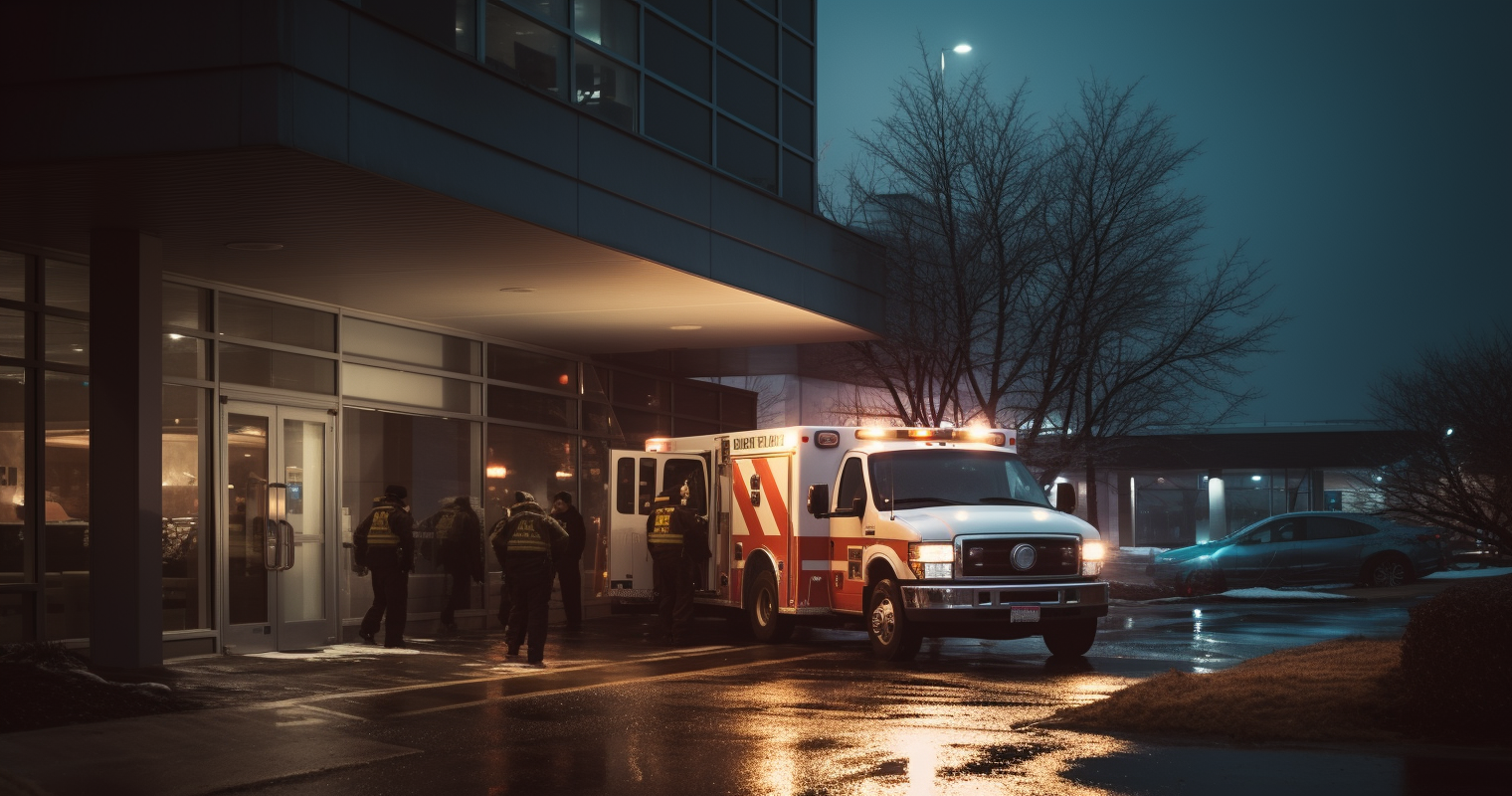
Singapore runs a two-number emergency system: call 999 for police matters and 995 for fire and ambulance. Ambulance dispatches are free when the situation is a genuine emergency, but every hospital visit comes with a bill — and what you pay depends considerably on your residency status. Tourists and those in Singapore on short-term stays receive no government subsidy, making adequate health insurance a necessity before you arrive.
| Item | Details |
|---|---|
| Police emergency number | 999 (SMS: 70999 if unsafe to speak) |
| Ambulance & fire number | 995 (Singapore Civil Defence Force) |
| Non-emergency ambulance | 1777 |
| Mental health helpline | National Mindline 1771 (24/7, launched June 2025) |
| SCDF ambulance charge (genuine emergency) | Free at point of call; S$274 charged if later assessed as non-emergency (as of 2025 — verify with SCDF) |
| A&E attendance fee (public hospital, example) | Approximately S$154 at Singapore General Hospital (as of 2025 — verify directly) |
| Subsidy eligibility | Singapore Citizens and Permanent Residents only; tourists and most short-term visitors pay unsubsidised rates |
| Bilateral health agreements | None currently offering free or reduced emergency treatment for foreign nationals |
What are Singapore’s emergency numbers — and are there separate numbers for police, fire, and ambulance?
Rather than using a single universal emergency number as many countries do — such as 112 across the European Union or 000 in Australia — Singapore maintains two distinct dedicated lines. Police emergencies are handled on 999, while fire and ambulance services are reached on 995. Both are operational around the clock and can be dialled at no cost from any telephone, including mobile handsets without an active SIM card.
When making a voice call poses a risk to your safety, you can send a text message to 70999 to alert police. This silent option is especially valuable in situations involving domestic abuse, an intruder, or any other scenario where speaking openly could escalate the danger you face.
The Singapore Civil Defence Force (SCDF), a uniformed body operating under the Ministry of Home Affairs, is the organisation responsible for firefighting, rescue operations, and emergency ambulance services, as well as overseeing fire safety regulations and civil defence planning. A separate line — 1777 — exists for non-emergency ambulance requests involving conditions that need attention but do not pose an immediate threat to life.
Misusing 995 for situations that are clearly not emergencies can attract a fine, so it is worth knowing when 1777 is the more appropriate call. Current official contact numbers can be confirmed at gov.sg or directly on the SCDF website, as details are periodically reviewed and may be updated.
How do you call for emergency medical assistance in Singapore, and what should you expect?
When confronted with a life-threatening medical situation, dial 995 without delay. The SCDF manages emergency ambulance operations and will transport the patient to the nearest government restructured hospital. The call handler will ask for your exact location, a description of what has happened, and details about the patient’s current state. Speaking clearly and calmly will help the dispatcher gather the information needed, and you should follow any first-aid guidance provided while awaiting the ambulance’s arrival.
SCDF ambulance call-outs carry no charge when the situation is genuinely life-threatening. Should the attending doctor at the Emergency Department subsequently determine that the patient’s condition was not a true emergency, a fee of S$274 will be applied for that SCDF transportation. You should verify this figure directly with the SCDF, as charges are subject to periodic revision.
Where the medical need is real but not immediately life-threatening, dialling 1777 will connect you with a private ambulance provider. Private services operate on a pay-per-use basis and may allow the patient more say in which hospital they are taken to, though pricing and response times will differ between providers. Always confirm current costs directly with the service before use.
What should you do in a mental health crisis in Singapore?
Singapore has made considerable strides in broadening mental health support in recent years. From 18 June 2025, anyone in the country can reach trained professionals at any hour through national mindline 1771 — Singapore’s first dedicated national mental health helpline and textline, available seven days a week, around the clock.
Mindline 1771 is designed as a judgement-free environment where individuals can talk about their struggles in confidence; all conversations are treated as confidential and callers may choose to remain anonymous. Should a call indicate an acute crisis, the service is capable of escalating to the Institute of Mental Health or the police to ensure the person receives the urgent intervention they need.
Additional crisis support is available through the Institute of Mental Health’s crisis hotline and the Samaritans of Singapore, which maintains a dedicated line for those in suicidal distress. Up-to-date contact details for these organisations can be found at mindline.sg/get-help. If there is an immediate risk of someone harming themselves or another person, call 995 for an ambulance or 999 for police — or bring the individual directly to the Accident and Emergency department of the nearest public hospital without waiting.
Singapore’s public hospitals, including the Institute of Mental Health (IMH) — the country’s only dedicated specialist psychiatric facility — are equipped to assess and manage patients in acute mental health crises. The IMH offers a 24-hour emergency service, and general hospital emergency departments can provide initial psychiatric assessment and stabilisation when needed. Current details are available at imh.com.sg.
Where can you go for emergency medical treatment in Singapore?
Singapore’s government-operated public hospitals — referred to as restructured hospitals — cover a broad spectrum of care, from emergency services through to highly specialised treatment. Key institutions include Singapore General Hospital, Tan Tock Seng Hospital, National University Hospital, and Changi General Hospital, each of which maintains a 24-hour Accident and Emergency department capable of handling major emergencies.
Running parallel to the public system is an extensive network of private hospitals, among them Mount Elizabeth, Gleneagles, Parkway East, and Raffles Hospital, all of which operate their own emergency or urgent care facilities. Private facilities often have reduced waiting times and superior room amenities, but they carry considerably higher price tags and offer no subsidised rates to foreign nationals.
Hospital A&E departments apply a triage system that prioritises the most critically ill or injured patients; those with less severe presentations may experience significant waits. For injuries or illnesses that are troublesome but not medically urgent, a 24-hour clinic is usually a faster and more economical alternative, often with little or no queue.
The Ministry of Health website and the HealthHub mobile application both include searchable directories of hospitals and round-the-clock clinics across Singapore. Private hospital websites and the HealthHub platform also list doctors and specialists, complete with their areas of expertise and contact information. Opening hours and emergency availability should always be confirmed directly with the facility before you attend.
Is emergency medical treatment free in Singapore, or is there a charge?
No form of hospital care in Singapore — including emergency attendance — is provided free of charge. Singapore General Hospital’s Emergency Department levies an attendance fee of S$154.00 (correct as of 2025; always verify the current figure with the hospital directly, as amounts are reviewed periodically). Emergency consultation fees at private hospitals vary and are typically higher.
The amount a patient ultimately pays differs depending on whether they are a Singapore Citizen, a Permanent Resident, a foreign resident, or a non-resident visitor. The public healthcare system is substantially subsidised for citizens and permanent residents across treatments at public hospitals, polyclinics, and certain specialist services, with the degree of subsidy tied to both residency status and household income.
Citizens and Permanent Residents are also enrolled in MediShield Life, the national compulsory health insurance scheme that helps offset the cost of major hospital bills and certain outpatient treatments. Tourists and the majority of short-term visitors fall outside the scope of both MediShield Life and government subsidies, meaning they are billed at the full unsubsidised rate — an amount that can be considerable even for routine emergency care.
Where a patient needs to be admitted, the final bill is shaped by the ward class selected, the nature and complexity of treatment, duration of stay, medications administered, investigations carried out, and any procedures performed. Financial counselling is provided to patients at the Emergency Medicine Department or Patient Service Centre prior to admission, giving them an indication of expected hospitalisation costs. The MOH’s bill size comparison tool enables patients to benchmark treatment costs across different hospitals.
Do expats need health or travel insurance to access emergency care in Singapore?
There is no legal requirement for tourists or short-term visitors to hold health insurance as a condition of entering Singapore. That said, given that non-residents face full unsubsidised charges for every element of emergency care, the financial argument for comprehensive cover is overwhelming. A serious incident — a major road collision, a cardiac emergency, a complex fracture — can produce hospital bills running into tens of thousands of Singapore dollars.
Expats residing in Singapore under employment passes or other long-term visa categories are often provided health insurance by their employer, though the level of coverage varies widely and may leave significant gaps. Many long-term residents choose to complement employer-provided coverage with an international private medical insurance (IPMI) policy. Integrated Shield Plans (IPs) — available only to Singapore Citizens and Permanent Residents — are private insurance products that build on the MediShield Life foundation and extend coverage to higher-class wards in public hospitals or to private hospital stays, potentially absorbing a greater share of emergency medical costs. Anyone holding an IP should carefully review its terms to understand precisely what emergency situations are covered.
If you arrive at a hospital emergency department without insurance or without immediate means to pay, you will not be refused emergency stabilisation — Singapore’s hospitals are obligated to provide that regardless of financial circumstances. You will, however, be billed in full for all care received, and the hospital may seek a financial deposit or guarantor before proceeding with any non-urgent follow-up care or elective admission. Outstanding debts to public hospitals in Singapore can be recovered through legal action, making it essential to both settle bills promptly and hold insurance that includes emergency medical evacuation cover alongside treatment cover.
Are there bilateral health agreements giving some visitors reduced-cost emergency treatment?
Several countries around the world participate in reciprocal healthcare frameworks — the European Health Insurance Card (EHIC) scheme, for instance, allows EU and EEA nationals to access state-provided healthcare in other participating countries at the same cost as local residents, and certain Commonwealth nations maintain comparable arrangements. Singapore operates no equivalent system.
No treaty or bilateral agreement currently entitles nationals of any foreign country to free or subsidised emergency medical care at Singapore public hospitals on the basis of their citizenship or country of origin. Irrespective of nationality, all visitors are classified as non-residents for billing purposes and invoiced at the full unsubsidised rate unless they hold Singapore citizenship or permanent residency. This marks a fundamental departure from healthcare models in parts of Europe, where reciprocal arrangements may at minimum cover the cost of urgent emergency care.
If you have reason to believe a specific arrangement might apply to your nationality or visa category, seek clarification from Singapore’s Ministry of Health or your home country’s embassy in Singapore. Always verify any such information with official sources directly, as bilateral arrangements can be altered or discontinued.
How does Singapore’s emergency healthcare system compare to systems expats may be familiar with?
Singapore’s healthcare approach is best characterised as a hybrid of public and private provision, underpinned by an expectation that individuals bear meaningful responsibility for their own healthcare costs. This stands in clear contrast to fully public, tax-funded systems — such as the NHS in the United Kingdom — where emergency care is delivered free at the point of use for residents and where receiving an ambulance generates no personal invoice whatsoever.
Within Singapore’s public system, citizens and permanent residents benefit from substantial subsidies across public hospital treatment, polyclinic visits, and certain specialist services, with the level of support scaled to residency status and income. For those without residency, the financial experience more closely resembles that of the United States, where demonstrating insurance coverage or the ability to pay upfront is routine and uninsured costs can be severe.
Analogies are sometimes drawn with countries such as Switzerland or regional neighbours like Japan, where national insurance frameworks exist but individuals still contribute meaningfully to their own healthcare expenditure. What sets Singapore apart is the exceptional calibre of care on offer: in 2025, Singapore General Hospital was placed ninth among the world’s top 2,400 hospitals — the only institution in Asia to appear in the global top ten. Both the public and private sectors deliver healthcare of an internationally outstanding standard. For those not covered by Singapore’s subsidised system, however, that quality comes at a price that makes private health insurance not merely advisable but effectively indispensable.
What emergency services exist beyond medical — how do police and fire services work in Singapore?
To reach police in an urgent situation, call 999. For non-urgent matters — reporting information that does not require an immediate police response — use the police hotline 1800 255 0000. Where speaking aloud is unsafe, texting 70999 is the alternative. The Singapore Police Force (SPF) is a thoroughly professional, well-resourced organisation, and response times across the city-state are generally swift by any international benchmark.
For traffic-related queries and incidents, the Traffic Police information line is 6547 0000. If you are involved in a road collision, pull vehicles off the carriageway where it is safe to do so, exchange details with the other party, and contact Traffic Police if injuries have occurred or if the parties cannot reach agreement on liability.
It is worth noting that Singapore’s legal framework is considerably stricter than that of many countries expats may have previously lived in. Offences such as drug possession, vandalism, littering, and even jaywalking attract significant penalties. In any interaction with police, remain composed and cooperative. You are entitled to be informed of the reason for any questioning and, if arrested, to access legal representation. If you are detained, your embassy or consulate can provide consular support. Carrying your passport or official identification on your person when out and about in Singapore is advisable at all times.
The SCDF, as the uniformed civil defence body under the Ministry of Home Affairs, oversees fire services, technical rescue, and civil defence planning. Fire response in Singapore is swift and well-resourced. The SCDF runs community fire safety education initiatives, and residential buildings are required to be fitted with functioning smoke detectors and appropriate fire safety equipment. For emergencies involving drug or poison ingestion, the Drug and Poison Information Centre can be reached at 6423 9119.
Are there country-specific emergency risks in Singapore, and what alert systems exist?
Measured against most global cities, Singapore is exceptionally safe and stable. Major natural disasters — earthquakes, tsunamis, active volcanic events — are not a feature of Singapore’s risk profile, and the city sits outside the primary typhoon tracks. Significant civil unrest is extremely uncommon. Nevertheless, a number of environmental and health risks deserve the attention of expats settling in the country.
By virtue of its geographic position, Singapore periodically suffers episodes of severe air pollution. The source is typically smoke from land-clearing and agricultural burning in neighbouring Indonesia, carried across by seasonal winds — a phenomenon locally known as the “haze.” During serious haze events, the Pollutant Standards Index (PSI) can climb to unhealthy or even hazardous levels, and those most vulnerable — elderly residents, young children, and people with respiratory or cardiovascular conditions — may be advised to stay indoors and use N95 masks when venturing outside. Live PSI readings are published continuously by the National Environment Agency (NEA) at nea.gov.sg.
Dengue fever is an endemic public health concern in Singapore, spread through the bite of the Aedes mosquito. The NEA monitors dengue transmission in real time and maintains an interactive dengue cluster map on its website. Practical precautions include applying mosquito repellent, wearing long-sleeved clothing in the evenings, and ensuring that no stagnant water collects in and around your home, as even small amounts provide breeding grounds for mosquitoes. If you develop a sudden high fever, severe headache, pain behind the eyes, or a skin rash, seek medical assessment without delay. Other mosquito-borne illnesses exist but are less prevalent and actively managed.
Singapore’s SCDF SGSecure app delivers real-time emergency alerts and civil defence guidance direct to residents’ smartphones. Broader public emergency communications are broadcast through television, radio, and the Wireless@SG network. The Ministry of Home Affairs publishes comprehensive emergency preparedness guidance for the public, and the SCDF’s Civil Defence Emergency Handbook sets out procedures covering evacuation, sheltering in place, and recommended emergency supply lists. Singapore’s national emergency management infrastructure is widely regarded as among the most sophisticated and robust in the Asia-Pacific region.
What should expats do to prepare for emergencies before they arise?
- Register with your home country’s embassy or consulate. Most governments provide a voluntary registration scheme for citizens abroad — the UK’s FCDO operates its own service, the US offers STEP (Smart Traveler Enrollment Program), and Australia has the Smartraveller registration system, among others. Registering allows your government to reach you in the event of a serious incident and to provide consular support if you need it. Embassy contact details for Singapore can be found in the Singapore Ministry of Foreign Affairs directory.
- Obtain comprehensive health insurance before you arrive. Your policy should cover emergency treatment in Singapore, hospitalisation, surgery, and — crucially — emergency medical evacuation. Confirm whether the insurer has direct-billing arrangements with Singapore hospitals, as this can spare you from having to make substantial upfront payments at the time of treatment.
- Store all key emergency numbers in your phone. Add 999, 995, 1777, and 1771 to your contacts before you ever need them. Include the number of your home country’s embassy, your employer’s emergency contact, and your insurer’s 24-hour international assistance line.
- Identify your nearest A&E department and 24-hour clinic. Do this research when you first settle into your neighbourhood — not in the middle of a crisis. Know which public hospital you would use for a serious emergency and which 24-hour clinic to visit for conditions that are urgent but not critical.
- Install the SGSecure app on your smartphone. This free, official government application provides emergency alerts, civil defence preparedness information, and first-aid guidance. It is available for both iOS and Android devices.
- Put together an emergency-ready bag. The SCDF advises residents to keep one or more ready-bags stocked with essentials that could be needed during an evacuation. Include copies of important documents (passport, insurance policy, medication list), drinking water, a torch, and a basic first-aid kit.
- Familiarise yourself with your employer’s emergency procedures. If you are working in Singapore, establish whether your organisation has a formal emergency response plan, a designated assembly point, and agreed communication channels for use during a crisis.
- Understand Singapore’s medication regulations. Singapore enforces strict controls on certain substances. If you take prescription drugs regularly, carry documentation from your prescribing doctor and check with the Health Sciences Authority (HSA) well in advance to determine whether a permit is required to import your medication.
Where can expats find official and up-to-date emergency information for Singapore?
Singapore’s government provides an organised and thorough set of official online resources covering emergency preparedness and response. The sources listed below are the most pertinent for expats. Consult them directly rather than relying on unofficial third-party sources — official guidance is authoritative and updated most promptly when circumstances change.
- Singapore Civil Defence Force (SCDF) — emergency ambulance and fire services, civil defence preparedness guidance, and the SGSecure app.
- Singapore Police Force (SPF) — policing matters, crime prevention advice, emergency contact numbers, and public safety notices.
- Ministry of Health (MOH) — directories of hospitals and clinics, treatment cost benchmarking, MediShield Life information, and public health advisories.
- National Environment Agency (NEA) — real-time air quality (PSI) data, dengue cluster mapping, and environmental health alerts.
- Ministry of Home Affairs (MHA) — national security policy, emergency management frameworks, and civil defence guidance.
- gov.sg — Singapore’s central government portal containing official contact numbers for all emergency services.
- mindline.sg — mental health resources, crisis support services, and the national mindline 1771 helpline.
- Your home country’s embassy in Singapore — consular assistance, citizen registration, and travel advisories tailored to your nationality.
Frequently asked questions about emergencies in Singapore
What is the single most important emergency number to remember in Singapore?
The two numbers you most need to know are 999 for police and 995 for ambulance and fire. If you can commit only one to memory for medical situations, make it 995. When an ambulance is needed but the situation is not immediately life-threatening, call 1777 rather than 995. Always confirm current numbers at gov.sg.
Will I be treated at a Singapore hospital if I don’t have insurance or money?
Singapore’s hospitals are obligated to provide emergency stabilisation to anyone presenting with a genuine medical emergency, regardless of whether they hold insurance or have funds immediately available. That said, you will receive a bill covering all care provided. Without insurance, these bills can be very substantial, and outstanding debts to Singapore public hospitals may be pursued through the courts. Arranging comprehensive health cover before arriving in Singapore is strongly recommended.
Is the SCDF ambulance really free to call?
An SCDF ambulance dispatch is free when the situation constitutes a genuine medical emergency. If, however, the Emergency Department doctor subsequently determines the patient’s condition was not an emergency, a charge of S$274 is applied for that transport. This figure should be confirmed directly with the SCDF, as it is subject to revision. Calling 995 for a situation that is clearly non-urgent may also attract a fine, so use 1777 for non-life-threatening cases.
Can I go directly to a hospital emergency department, or do I need a referral?
Walk-in access to any public or private hospital Accident and Emergency department is permitted without a referral. However, A&E departments operate on a triage basis, which means the most critically ill patients are seen first and those with less severe conditions may wait considerably longer. For non-urgent complaints, attending a 24-hour clinic is typically faster and less expensive. Some private hospitals may also apply higher fees for emergency presentations without a referral, so it is worth checking in advance.
Does Singapore have a dengue or other disease risk I should prepare for?
Dengue fever is endemic to Singapore and presents a genuine and ongoing risk, with transmission rates peaking during certain seasons. The National Environment Agency actively monitors the situation and publishes up-to-date maps of active dengue clusters. Protect yourself by using mosquito repellent consistently, covering exposed skin in the evenings, and removing any accumulated standing water around your home or garden. If you develop a sudden fever accompanied by severe headache, muscle and joint pain, or a rash, obtain medical advice promptly. Other vector-borne illnesses are less common but not absent; check current NEA alerts at nea.gov.sg.
What should I do if I am arrested or detained by Singapore police?
Keep calm and behave cooperatively throughout the encounter. You have the legal right to be informed of the grounds for your detention and to contact your home country’s embassy or consulate. Bear in mind that Singapore’s laws are substantially stricter than those of many countries expats will have lived in previously — drug possession offences, in particular, carry mandatory and severe penalties. Never offer anything to an official that could be construed as a bribe. Notify your embassy as early as possible and retain a lawyer qualified to practise in Singapore; your embassy can supply a list of local legal practitioners but cannot intervene in the judicial process itself.
Is there a mental health crisis line available 24 hours a day?
From 18 June 2025, national mindline 1771 has operated as Singapore’s round-the-clock mental health support service, offering access to trained professionals via telephone, WhatsApp, and webchat at any hour of the day or night. In situations of acute crisis, the helpline can connect callers to the Institute of Mental Health or police as needed. The Samaritans of Singapore also provides a dedicated line for people in suicidal distress. For current contact details across all services, visit mindline.sg/get-help.
How do I find my nearest hospital or 24-hour clinic in Singapore?
The MOH website and the HealthHub application both include searchable facility directories covering hospitals and clinics throughout Singapore, complete with locations and contact information. The HealthHub app, available for iOS and Android, has a built-in facility finder. It is wise to note your nearest public hospital A&E and your closest 24-hour clinic shortly after moving to any new area, so that searching under pressure during an actual emergency is unnecessary. Before attending, always call ahead to verify current opening hours and that emergency services are available.