

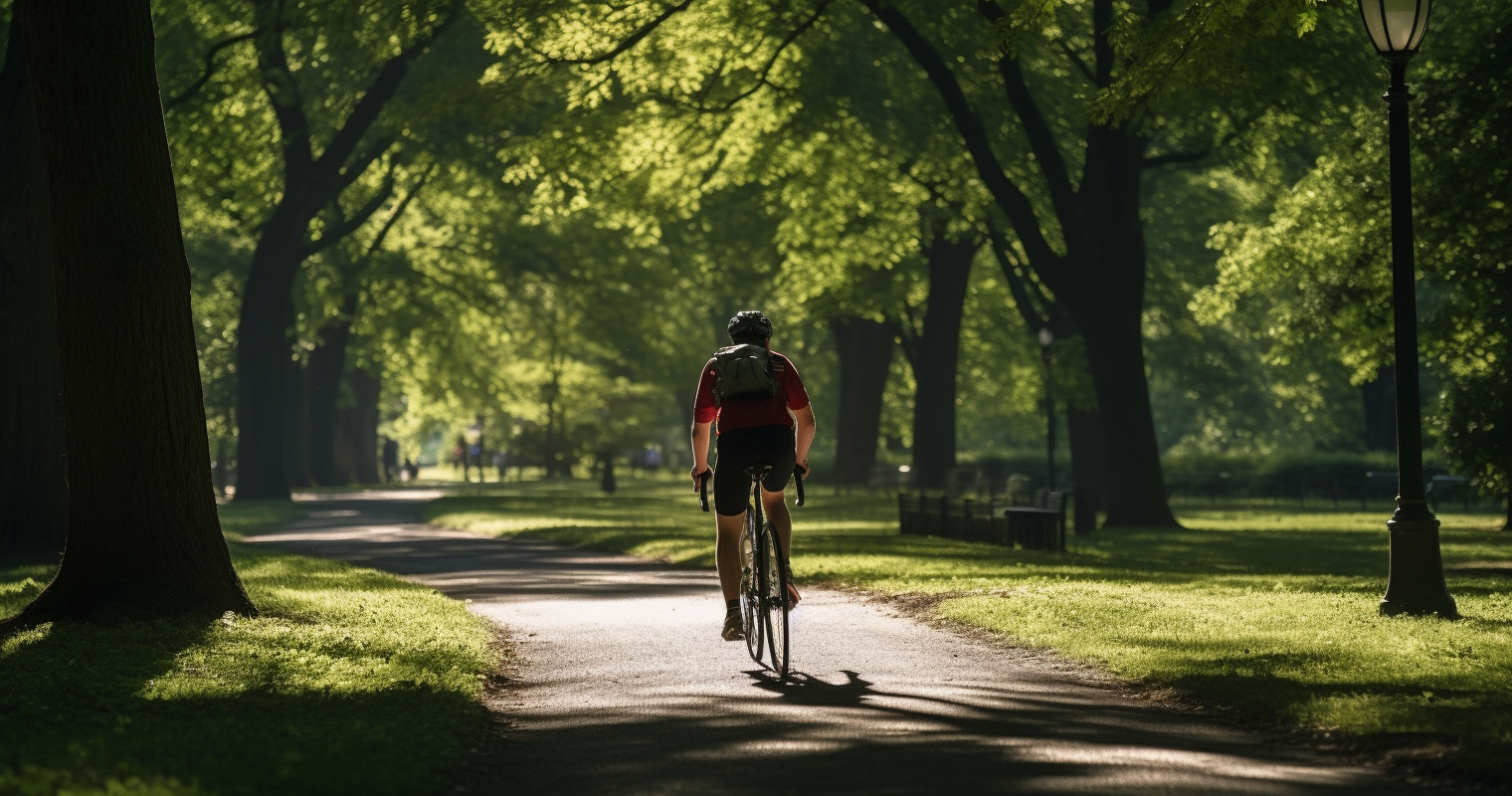
South Korea offers cyclists a genuinely compelling experience, pairing an internationally admired long-distance trail network with steadily improving urban infrastructure across its biggest cities. Cycling culture here leans more toward leisure and sport than daily transport — it is not the Netherlands — but sustained government investment in dedicated paths and bike-share programmes means that two wheels are a practical and enjoyable choice for everything from weekday errands to ambitious multi-day tours.
| Item | Details |
|---|---|
| Helmet law | Mandatory for all cyclists under the Road Traffic Act (as of 2018); enforcement varies in practice |
| Bike registration | Not mandatory; voluntary registration available in some municipalities |
| Bike insurance | Not legally required; recommended — some cities offer free or subsidised schemes |
| Seoul Ttareungi (bike share) pricing | 1-hour pass ₩1,000; 2-hour pass ₩2,000; 24-hour pass ₩5,000 (as of 2025) |
| National cycle network | Over 1,600 km of dedicated traffic-free routes connecting major cities |
| Key transport authority | Ministry of Land, Infrastructure and Transport (MOLIT); molit.go.kr |
How popular is cycling in South Korea — is it a common way to get around?
South Korea is a rapidly evolving East Asian nation where cycling occupies two distinct roles: a thriving recreational and sport-touring pursuit on one hand, and an emerging but still-developing form of everyday urban transport on the other.
In larger cities such as Seoul and Busan, cycling to work or school is an established habit for a meaningful share of residents, supported by government initiatives framing the bicycle as both a sustainable and health-promoting alternative to motorised transport. Even so, the majority of riders you will encounter on dedicated trails are there for fitness or leisure rather than a commute.
As a recreational pastime, cycling has grown sharply in popularity, attracting people drawn to exploring the country’s varied landscapes and scenic natural environments. Weekend group rides and cycling clubs are a familiar sight — particularly along Seoul’s Han River paths — and high-end bike shops catering to performance-oriented riders are easy to find across major cities. Road cycling in lycra is a genuine subculture here.
Compared with the Netherlands or Denmark, where the bicycle is woven into daily transport for the great majority of the population, South Korea’s commuter cycling rate is more modest. A closer parallel might be Japan or France: countries where cycling is respected and normalised but competes with well-developed public transport networks. Many South Korean local governments are actively working to close the gap, expanding cycling infrastructure, implementing free bicycle insurance schemes for residents, and rolling out bike-share systems to lower the barriers to getting on a bike.
What does South Korea’s cycling infrastructure look like?
Over recent decades, South Korea has assembled an extensive cycling infrastructure, anchored by a network of long-distance routes threading through the country’s river valleys, along its coastlines, and across scenic countryside segments. These paths blend well-maintained paved sections through parks and beside rivers with quiet rural trails and embankment tracks.
The scale is impressive: riders can follow a 600 km route from Seoul to Busan, trace 350 km of east coastline toward the North Korean border, or complete a 250 km circumnavigation of Jeju Island, among other self-contained itineraries. The quality of the infrastructure varies along these corridors — some sections resemble dedicated bicycle motorways, with smooth asphalt, split directional lanes, and posted speed indicators, while others pass along embankments or quiet side roads. Throughout, cyclists benefit from tunnels, bridges, rest areas, route signage, and the distinctive stamp-collection kiosks that allow riders to track their progress — all designed with cyclists in mind and separated from motor traffic.
Korean law recognises four categories of bicycle road: bicycle-only roads reserved exclusively for cyclists; bicycle-pedestrian shared paths; bicycle-only lanes marked on road shoulders; and bicycle priority roads where cyclists and motor vehicles share the surface. Bicycle-only roads are typically surfaced in red to distinguish them from general traffic lanes, though where physical separation already exists — through trees or kerbing — standard road paving may be used instead.
Within urban areas, the picture becomes more complicated. Cyclists in Seoul who begin a ride on the smooth, clearly marked paths alongside the Han River often find themselves transitioning abruptly to colour-coded on-road lanes shared with heavy vehicles, or threading through pedestrian crowds on shared footpaths. City cycling infrastructure is improving, but it remains considerably less coherent than the impressive inter-city network.
One striking example of South Korea’s creative approach to cycling infrastructure is a solar-panel-covered bike path running along the median of an eight-lane highway between Daejeon and Sejong — the country’s administrative capital — built in 2014. The five-and-a-half-mile route sits beneath a canopy of photovoltaic panels that generate power for the surrounding road. The central authority overseeing national cycling infrastructure is South Korea’s Ministry of Land, Infrastructure and Transport (MOLIT), which coordinates route planning and network expansion. MOLIT’s website carries current national cycle route maps and information on planned developments.
Is cycling safe in South Korea?
Safety on a bicycle in South Korea depends heavily on where you are riding. The country’s dedicated off-road cycle paths are, by and large, very safe environments: the vast majority of certified trail sections — outside mountain passes and remote stretches — are free of motor vehicles. On urban roads, however, greater vigilance is required.
Traffic in Seoul can be intense, and many drivers have not yet developed the ingrained awareness of cyclists that is common in places like Germany or the Netherlands. Air quality adds another layer of consideration: pollution levels in parts of South Korea can make sustained cycling uncomfortable, and people with respiratory conditions should monitor daily air quality index (AQI) readings before heading out.
On the legal side, helmet use became compulsory in September 2018 following a revision of the Road Traffic Act, on the basis that protective headgear significantly reduces the risk of serious head and facial injuries. In practice, however, enforcement is inconsistent — particularly for bike-share users, who rarely wear helmets for short trips despite the legal requirement. This gap between law and practice resembles what is seen in parts of Australia and Canada. Whatever the enforcement situation, wearing a helmet is strongly advisable, above all when riding on roads shared with motor vehicles.
As of 2016, cyclists represented 6.01% of all road traffic fatalities in South Korea, up from 5.35% in 2012. The most current road safety statistics are published by the Korea Road Traffic Authority (TS). For night riding, the law requires cyclists to switch on front and rear lights when riding in poor weather or through tunnels.
What rules of the road apply to cyclists in South Korea?
Under the Road Traffic Act, a bicycle is classified as a “vehicle” in South Korea. This classification has real consequences: the majority of traffic regulations that govern motor vehicles apply equally to cyclists, and fines can be issued for breaches.
- Road position: On roads divided into vehicle lanes and footpaths, cyclists are required to ride in the vehicle lanes. Where a designated bicycle path exists, cyclists must use it.
- Pavements and sidewalks: Cycling on the pavement is prohibited, with limited exceptions for children, elderly riders, and people with disabilities, and on pavements that include a separately marked bicycle section.
- Crossings: When crossing a road at a crosswalk, cyclists must dismount and walk their bicycle. Where a dedicated bicycle crossing runs alongside the crosswalk, cyclists may remain mounted and use that crossing instead.
- Lighting: Cyclists are legally required to use front and rear lights — or wear light-emitting equipment such as reflective bands — whenever riding on the road at night.
- Earphones: Wearing more than one earphone while cycling is inadvisable; wearing none at all is the safest approach.
- Helmets: The revised Road Traffic Act requires all cyclists to wear head protection regardless of journey length. Article 50 specifically requires children carried on bicycles to wear protective gear.
- Alcohol: Cyclists who ride under the influence are likely to be assigned a greater share of liability in the event of an accident compared with standard fault assessment.
- Fines: Penalties for bicycle-related violations range from 10,000 KRW at the lower end to 100,000 KRW for more serious infractions.
- Expressways: Cycling is prohibited on certain bridges, expressways, and highways.
The Korea Transport Institute (KOTI) publishes a Bicycle Traffic FAQ covering the full legal framework in accessible terms. For the authoritative legal text, the Road Traffic Act is available in English via the Korean Law Information Centre.
Do I need to register my bike or carry insurance to cycle in South Korea?
Bicycle registration is not a legal requirement in South Korea for ordinary bicycles — there is no national mandatory scheme equivalent to motor vehicle registration. Some local authorities offer a voluntary registration service as an anti-theft measure, and it is worth taking advantage of this if your area provides it. Enquire at your local city or district (gu) office for details of what is available.
Cycling insurance is similarly not required by law, but it is strongly advisable to have it. A growing number of local governments have begun providing free bicycle insurance to residents as part of broader cycling promotion strategies. If your municipality offers such a scheme, register through your local district office (주민센터) as soon as you have settled in.
Where no municipal scheme exists, private insurance policies are available. The majority of these cover injuries to the cyclist; far fewer extend to third-party liability or bicycle theft. When reviewing options, prioritise third-party liability cover — this is the most critical protection if an accident affects another person. For a current overview of available products, consult the Financial Supervisory Service of Korea.
What public bike-sharing and rental schemes exist in South Korea?
Bike-share schemes in South Korea fall into two broad categories: those run by local governments and those operated by private companies. Publicly operated schemes are available in specific cities — including Seoul, Daejeon, Gyeongju, Gwangju, Gongju, and Yeosu — and are generally priced very affordably.
Seoul’s Ttareungi, launched by the city government in 2015, is the country’s original and most widely used public bike-share service. By late 2023, the network comprised 45,000 bicycles spread across 2,762 docking stations throughout the city. Ttareungi operates two bike types: the standard adult bicycle, and the Saessak Ttareungi — a lighter, more compact model designed for riders aged 13 and above.
A single-use hire costs 1,000 KRW for one hour and 2,000 KRW for two hours, with users able to return and re-hire bikes multiple times within any 24-hour window (as of 2025). Regular commuters can opt for a monthly pass at 5,000 KRW (on the one-hour tier) or an annual pass for 30,000 KRW (as of 2025) — prices that compare favourably with comparable schemes in virtually any other major city worldwide. The Ttareungi app supports Korean, English, Japanese, and Chinese, and overseas-issued credit cards are accepted for payment. The official Seoul Bike (Ttareungi) website provides up-to-date pricing and an interactive station map.
Private bike-share operators cover a broader geographic footprint than the public schemes. Kakao T Bike — run by technology giant Kakao — is the most prominent, with services across Seoul, Busan, Daegu, Gwangju, and Incheon, including electric bicycle options in certain areas. Daegu runs its own municipal scheme called PUMP, while Goyang in Gyeonggi Province introduced TAZO, a GPS-based dockless service, in 2021. For visitors or new arrivals exploring popular trail corridors, private hire shops near trailheads and riverside parks are widely available throughout the country.
How to use Ttareungi step by step:
- Download the “Ttareungi” (Seoul Public Bike) app from the App Store or Google Play.
- Open the app and select “Foreigner” mode to access English-language registration.
- Purchase a pass using an overseas credit card — choose from a 1-hour, 2-hour, or 24-hour option.
- Use the in-app map to locate the nearest rental station and check available bikes.
- Scan the QR code on the back of the bike’s saddle or enter the 5-digit bike number to unlock.
- Ride, then return the bike to any Ttareungi station and pull the physical lock down until it clicks shut.
- Confirm the return via the voice message and check the app to ensure the rental has ended.
Where can I buy or get a bike serviced in South Korea?
South Korea supports a well-developed bicycle retail market, especially in its larger urban centres. Seoul, Busan, Daegu, and Incheon all have a healthy spread of dedicated bike shops, from small independent dealers to large multi-brand outlets. The Banpo and Yeouido districts of Seoul — both close to the Han River cycling paths — are particularly well supplied, with clusters of retailers selling bikes, components, and cycling apparel.
International brands including Trek, Giant, Specialized, and Merida sit alongside Korean-made alternatives across the market. Entry-level commuter bikes typically begin at around 150,000–300,000 KRW, while mid-range road and mountain bikes run from roughly 500,000 KRW upward to several million KRW. High-performance bikes are readily available in major cities. Pricing is broadly in line with western European markets, though some imported components attract a premium due to import tariffs.
Used bicycles can be found through Korean online platforms such as Danggeun Market (당근마켓, marketed internationally as Karrot) — South Korea’s equivalent of Facebook Marketplace — and Bungae Jang (번개장). Both platforms are excellent for picking up affordable second-hand bikes, though listings are predominantly in Korean; a translation app or a Korean-speaking contact will be useful when browsing.
Bicycle repair shops (자전거 수리점) are common in urban areas and are generally affordable. Many parks along the Han River also have dedicated maintenance stations equipped with basic tools for self-service repairs. Consumer protections in South Korea fall under the oversight of the Korea Consumer Agency. New bikes purchased from registered retailers carry standard warranty rights under Korean consumer law — broadly comparable to EU consumer protections in terms of the entitlement to repair or replacement of defective products.
Can I bring my bike when relocating to South Korea, and what import rules apply?
If you are moving to South Korea, your bicycle may qualify for duty-free import as part of a household goods (이사 화물) shipment. South Korea’s customs framework permits newly arriving residents to bring personal effects and household goods into the country without paying import duty, provided certain conditions are met — items generally must have been owned and in use for at least six months before arrival, and must be imported within a defined period after establishing residency.
Bicycles included in a qualifying household goods consignment are typically exempt from customs duty when these criteria are satisfied. A bicycle imported outside of a household goods declaration, however, would ordinarily be subject to South Korea’s standard import tariff on bicycles. For the most current duty rates and eligibility conditions, consult the Korea Customs Service directly before dispatching your bike, as both rates and rules are subject to change.
If you are shipping a high-value performance bicycle as part of a relocation, keep clear documentation of the original purchase — including price and date — since customs officials may assess the bike’s value for duty purposes. Additionally, bicycles manufactured, imported, or sold in South Korea after 22 March 2018 must satisfy safety requirements verified by the Minister of the Ministry of the Interior and Safety, or carry a safety confirmation report. Both businesses and individuals may apply for this verification. While this requirement primarily targets commercial imports, it is worth confirming whether it has any bearing on your particular bike before shipment. Contact the Korea Customs Service or a licensed customs broker for advice tailored to your circumstances.
What are the best cycling routes and destinations in South Korea?
The centrepiece of South Korea’s cycling offer is its national long-distance route network — a series of interconnected, predominantly traffic-free paths that wind through the country’s most picturesque river valleys and coastal landscapes. Supporting this network is a Bicycle Certification System, popularly known as a “stamp tour,” in which riders collect stamps at checkpoints along certified routes using a dedicated Bike Passport. Completing certifications across multiple routes has become a popular pursuit for domestic and international cyclists alike.
Key routes include:
- Four Rivers Route (자전거길 인증센터): Covering 633 kilometres entirely on a dedicated motor-traffic-free bike path, this route runs from Incheon in the northwest to Busan in the southeast and is widely regarded as one of the finest long-distance cycling itineraries in all of Asia.
- Han River Bicycle Path, Seoul: Linking the capital’s outskirts with Chuncheon City, this riverside corridor is one of the country’s most accessible and enjoyable cycling experiences — ideal for expats based in Seoul seeking well-maintained weekend rides within easy reach of the city.
- East Coast Route: Running from Yeongdeok County southward to Busan along the shoreline, this route delivers dramatic ocean panoramas and a genuine sense of discovery.
- Jeju Island: A multi-day circuit of Jeju Island ranks among South Korea’s most iconic cycling journeys, combining coastal beauty with the island’s distinctive volcanic scenery. Although roughly 70% of the Korean peninsula is mountainous, most ranges feature gradual gradients and rolling terrain, making Jeju’s loop accessible to riders of intermediate fitness.
- Nakdong River Path: This southern route follows the Nakdong River through a landscape studded with architectural landmarks, historic Confucian academies, and bird sanctuaries, connecting some of the most culturally rich territory in the country.
- Taehwagang Bicycle Path, Ulsan: A compact urban river route in South Korea’s industrial southeast, well suited to cyclists living in or around Ulsan.
For route planning, the Korea Tourism Organisation (Visit Korea) maintains English-language cycling route information. The National Bike Road Information System (bike.go.kr), operated under MOLIT, provides official maps and certification details for the national route network.
Frequently asked questions about cycling in South Korea
Is cycling a realistic option for commuting to work in South Korea?
For many South Korean cities, commuting by bicycle is entirely feasible — particularly if your home and workplace are within a few kilometres of each other and your route makes use of dedicated riverside paths or marked bike lanes. Dense urban cores can be trickier, where traffic volumes and patchy infrastructure add complexity. Many cyclists combine riding with the metro system, which permits bikes on certain lines outside peak hours. Check with Seoul Metro or your local city transit authority for the current policy on taking bicycles aboard.
Do I need to wear a helmet by law in South Korea?
Yes. Helmet use became a legal requirement from September 2018 under a revision of the Road Traffic Act, which mandates protective headgear for all cyclists regardless of how short the journey. Enforcement is patchy in practice — bike-share users in particular frequently ride without helmets — but the legal obligation remains in place. Wearing a helmet is always advisable, and particularly so when riding on roads shared with motor traffic.
Can I cycle on the pavement in South Korea?
Cycling on the pavement is generally prohibited. Exceptions apply for children, elderly cyclists, and people with disabilities, and for pavements that include a separately designated bicycle section. Where a dedicated bike path is available, cyclists are required to use it. On shared paths where cycling is technically permitted, pedestrians always have priority.
What happens if I have a cycling accident in South Korea?
Because a bicycle is classified as a vehicle under the Road Traffic Act, cyclists can be held legally liable for accidents they cause. Striking a pedestrian on a pavement, for instance, is treated as 100% the cyclist’s fault under Korean law. Carrying personal liability insurance is therefore strongly recommended. Where a motor vehicle is involved, Korean courts apply a comparative fault system in which both parties’ contributions to the incident may be weighed. For guidance specific to your situation, contact the Korea Road Traffic Authority or a licensed legal professional.
Is it easy to get around South Korea’s cities by bike as a non-Korean speaker?
Seoul’s Ttareungi app operates in Korean, English, Japanese, and Chinese, making the capital’s bike-share system accessible to most international users from the outset. Signage along the principal dedicated cycling trails relies largely on pictograms and distance markers that require no language knowledge to follow. Navigating urban streets and interpreting Korean road signs is more demanding, however, and spending a little time familiarising yourself with basic Korean traffic signs before beginning a commuting routine will pay off quickly.
Are electric bikes (e-bikes) legal to ride on cycling paths in South Korea?
Under Korean law, throttle-type electric bicycles — those capable of propulsion by motor alone without pedalling — are classified as personal mobility devices and are barred from bicycle-only paths. Pedal-assist e-bikes (pedelecs), which require the rider to pedal in order to engage the motor, are treated differently and are generally permitted on cycle paths subject to applicable speed limits. Before riding any e-bike on designated cycling infrastructure, verify its legal classification with the Korea Transport Institute or the relevant local authority.
How do I find cycling clubs or group rides in South Korea as an expat?
South Korea’s cycling community is lively and welcoming, and expat-oriented clubs are well established in major cities — Seoul in particular. Facebook groups (search terms such as “Seoul cycling” or “Korea cycling expats”) and Meetup.com are reliable starting points for connecting with other riders. The Korea Cycling Federation (kcf.or.kr) is the national governing body and can direct you toward registered clubs and upcoming events. Many bike shops situated near the Han River paths also function as informal community hubs for local riding groups.
Is cycling in South Korea suitable year-round, or are there seasonal challenges?
South Korea’s four seasons each bring distinct conditions for cyclists. Spring (March–May) and autumn (September–November) are the most rewarding periods, with mild temperatures and clear skies drawing large numbers of leisure riders and long-distance tourers onto the trails. Summer brings heat, high humidity, and a pronounced monsoon season running roughly from June through August, which can make extended road cycling uncomfortable and leave some paths slippery. Winter is cold and generally dry, though snowfall and ice — especially in inland and northern regions — call for appropriate clothing and careful riding on affected paths.