
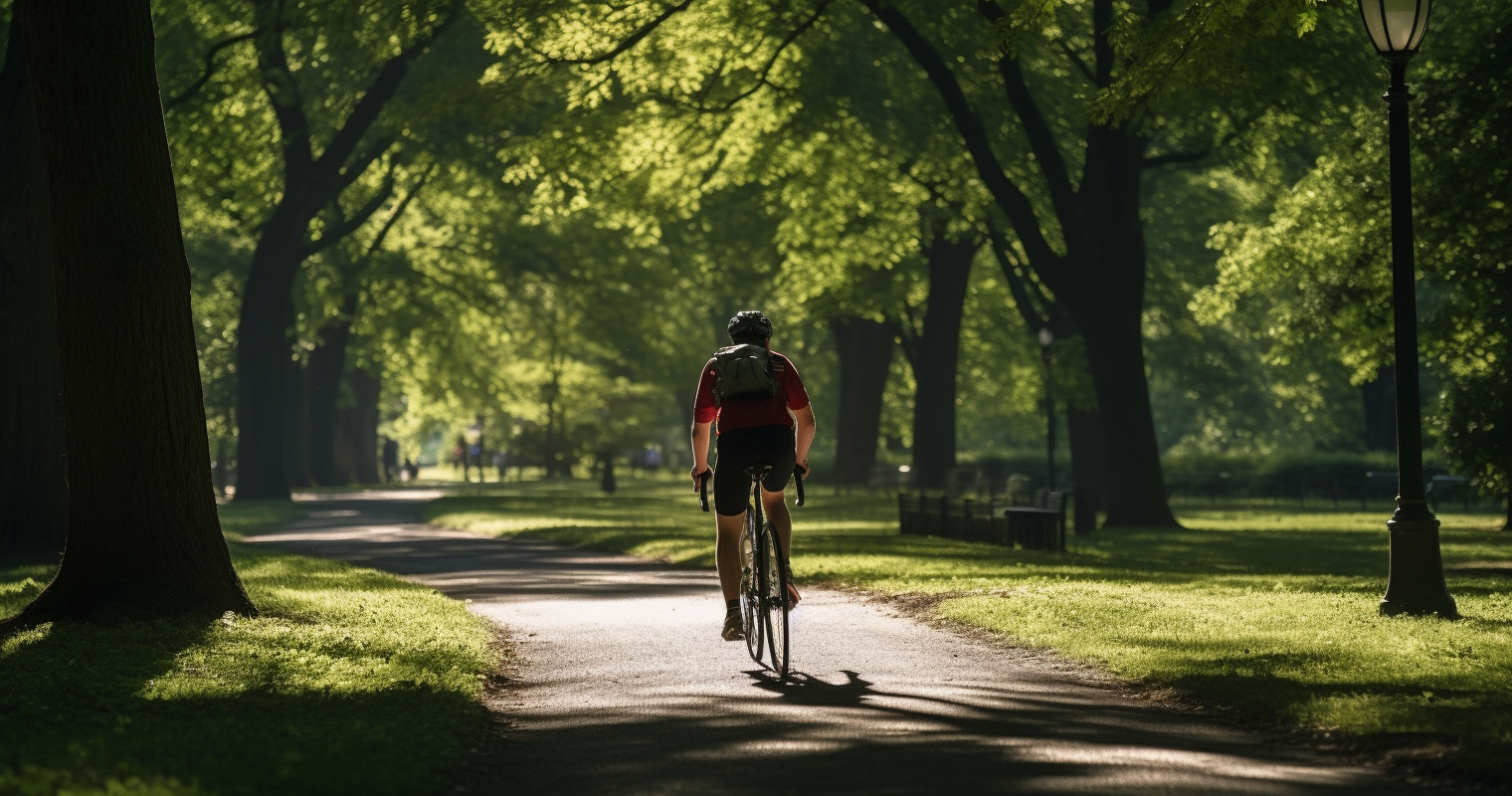
Spain has become an increasingly compelling destination for cyclists, blending a thriving recreational scene, steadily improving urban infrastructure, and spectacular long-distance routes. While the country has yet to reach the level of everyday cycling integration seen in the Netherlands or Denmark, cities such as Seville, Barcelona, and Valencia have poured significant investment into dedicated cycling lanes and bike-share schemes. For those living in flatter, sun-drenched urban areas, cycling is a genuinely practical choice for both getting to work and exploring at weekends.
| Item | Details |
|---|---|
| Cycling participation (as of 2025) | Approx. 50.7% of people aged 12–79 cycle regularly |
| Helmet law (as of 2025) | Mandatory outside urban areas for all ages; mandatory for under-16s everywhere; optional (but recommended) for adults in cities |
| Minimum overtaking distance | 1.5 metres (strictly enforced from 2025); drivers must also reduce speed by 20 km/h below the limit when passing |
| Alcohol limit for cyclists (as of 2025) | 0.5 g/l blood alcohol (same as motor vehicle drivers) |
| Cyclist road fatalities (as of 2024) | 38 cyclists killed on Spanish roads (DGT, 2024) |
| Key authority for road rules | Dirección General de Tráfico (DGT) — dgt.es |
How popular is cycling in Spain — is it a common way to get around?
Cycling in Spain occupies a fascinating middle position: considerably more widespread than many newcomers assume, yet not as deeply woven into everyday transport as in the Netherlands or Denmark. Currently, 50.7% of people aged 12–79 in Spain cycle on a regular basis, whether for commuting, leisure, or longer adventures. Even so, the predominant motivations remain sport and recreation rather than the functional, workhorse cycling so characteristic of Amsterdam or Copenhagen.
Benchmarking Spain against its northern European counterparts helps set realistic expectations. Copenhagen leads European cities with 49% of all journeys made by bicycle, Amsterdam follows at 35%, and Madrid lags some distance behind — illustrating that Spain’s capital still has considerable ground to cover. Yet some Spanish cities outperform the major metropolises: Seville, Zaragoza, and Valencia all record higher cycling rates than Barcelona and Madrid.
Cycling has held an important place in Spanish sporting culture since the 1940s. The Vuelta a España ranks alongside the Tour de France and the Giro d’Italia as one of the most prestigious races on the global calendar. This deep-rooted sporting tradition means lycra-clad road cycling is both culturally visible and widely respected — though this phenomenon is quite distinct from the everyday utility cycling seen elsewhere in Europe.
Participation in cycling has been on an upward trajectory, rising by two percentage points since 2017. Women have been a significant driver of this trend, with a six-point jump in female participation in recent years. Cycling clubs, social rides, and community events are all flourishing, making the activity more welcoming and inclusive than ever. Expats arriving from countries with well-established cycling commuter cultures may find Spain’s infrastructure less mature by comparison — but the direction of change is unmistakably positive.
What is the cycling infrastructure like in Spain?
The quality of cycling infrastructure across Spain differs markedly from one city or region to the next. The leading cities have made impressive strides, while rural and suburban areas frequently fall short. Although cycle paths, cycle tracks, protected junctions, and bicycle parking do exist in various locations, Spain lacks cycle paths along regional and, in particular, national roads. This stands in notable contrast to a country like the Netherlands, where dedicated cycle routes typically follow the full length of intercity corridors.
Seville is frequently cited as a model of swift and effective investment in cycling infrastructure, boasting over 180 kilometres of dedicated lanes. Valencia offers both urban and peri-urban cycling routes that thread through parks and along river corridors. Barcelona had 240 km of bike lanes by 2023 and continues to extend its network. Madrid faces particular challenges given its size, topography, and traffic volumes, but the city adds new cycling infrastructure each year — initiatives such as BiciMAD (the municipal e-bike system) and Madrid Rio (a riverside park threaded with cycle routes) reflect the capital’s growing commitment to two-wheeled travel.
Cycling culture and the level of infrastructural support differ considerably between Spain’s autonomous regions. Northern Spain, renowned for its lush, hilly landscapes and changeable weather, offers stunning rides along the Bay of Biscay and through Basque countryside. The Basque Country is particularly progressive in its approach to cycling, supporting both road and mountain biking through well-signposted networks and robust traffic separation. Island destinations such as Mallorca and Tenerife have established themselves as premium cycling retreats for visitors from across Europe, drawing riders with mild winters, scenic coastlines, and accommodation tailored to cycling guests.
Beyond the urban environment, the Vías Verdes network stands out as a flagship feature of Spanish cycling provision. More than 2,700 km of car-free “greenways” run along former railway lines, offering comfortable and safe riding for families and tourers alike. Like converted rail corridors elsewhere in Europe, these routes benefit from predictable gradients and generally well-maintained surfaces. Beyond this network, however, the experience can be inconsistent: where cycle infrastructure does exist in more rural settings, it is often narrow, with two-way paths as slim as 1.5 to 2 metres not being uncommon.
At the national level, Spain’s approach to cycling development is shaped by a dedicated strategy spanning 2021 to 2025, with a focus on green transport and cycling tourism. For the latest route maps and information on planned infrastructure improvements, expats should consult the Ministerio de Transportes y Movilidad Sostenible alongside their local municipal transport authority.
Is cycling safe in Spain?
According to Spain’s Dirección General de Tráfico (DGT), 1,154 people lost their lives in road accidents in Spain in 2024, equating to 35 deaths per million residents — a figure that places Spain among the safer countries in Europe for road users overall. For cyclists specifically, 38 of the 1,145 road fatalities recorded in 2024 were cyclists, a figure that, while sobering, represents a proportionally lower share of total deaths than the EU average.
Cyclists accounted for just 4% of road fatalities in Spain — well below the EU figure of 9%. This is an encouraging indicator, though it partly reflects the fact that overall cycling rates in Spain remain lower than in countries such as the Netherlands, where enormous cycling volumes are supported by purpose-built infrastructure. The majority of road fatalities in Spain occurred on rural roads (52%), making interurban cycling the higher-risk environment, particularly on busy secondary roads where dedicated cycle infrastructure is absent.
Driver behaviour towards cyclists is generally regarded as considerate by those with experience of riding on Spanish roads. Motorists frequently demonstrate patience when approaching cyclists, waiting for a genuinely safe opportunity to overtake — a response that may reflect clear awareness of cyclists’ presence and the legal minimum passing distance. From 2025, updated DGT regulations require drivers to reduce their speed by 20 km/h below the applicable speed limit when overtaking cyclists, maintain a minimum lateral distance of 1.5 metres, and refrain from overtaking when cyclists are approaching from the opposite direction.
Road surface condition is an important consideration for safety. Well-maintained stretches of tarmac can give way without warning to poorly surfaced roads riddled with potholes, so cyclists must remain attentive at all times. New rules also require cyclists to wear reflective elements that ensure visibility at distances of up to 150 metres in low-light conditions or at night — a measure designed to reduce side-collision accidents, which are among the leading causes of fatal incidents involving cyclists in Spain.
The DGT (Dirección General de Tráfico) publishes comprehensive and regularly updated road safety statistics, including cyclist-specific data. Expats are strongly encouraged to consult the DGT’s official portal for the most current figures and safety guidance both before arriving in Spain and on an ongoing basis once settled.
What are the rules of the road for cyclists in Spain?
In Spain, bicycles are legally defined as vehicles. Cyclists are therefore bound by the general provisions of the Spanish highway code, including requirements to observe stop signs, respect speed limits, maintain lane discipline, and signal their intentions. There are also specific provisions that apply exclusively to bicycles — many of which trip up newcomers unacquainted with the local law. This classification mirrors the approach taken in many continental European countries, though it differs from jurisdictions where cyclists occupy a less clearly defined legal position.
Helmet rules: Spain revised its national cycling legislation on helmet use in 2014. Children under the age of 16 are required to wear a helmet at all times — both inside and outside urban areas, including when travelling as passengers. Adults (16 and over) must wear a helmet whenever cycling outside urban areas. Adults riding within towns and cities are exempt from this requirement unless a local ordinance dictates otherwise. Some municipalities apply stricter rules, mandating helmet use in urban zones — particularly in cities with active cycling communities such as Valencia or Zaragoza. When uncertain, wearing a helmet is invariably the safer and legally sounder choice. Riding without one in areas where it is compulsory can result in a fine of up to €200.
Lights and visibility: When visibility is reduced — at night, in fog, or in other adverse conditions — cyclists must be equipped with a white front light and a red rear light, along with reflectors on the pedals and wheels. Wearing a reflective vest is also strongly advisable. Cycling in the dark or in poor visibility without adequate lighting or reflective clothing can attract a fine of around €200.
Riding position and pavement rules: Cyclists must keep to the right-hand side of the road, always travelling in the same direction as other traffic, and must use marked cycle lanes where they exist. Riding on pavements is generally prohibited unless the pavement is explicitly designated for shared use. Bicycles may not be ridden across zebra crossings — cyclists must dismount — a rule that is often misunderstood by both riders and motorists.
Riding two abreast: Cyclists are permitted to ride side by side — two cyclists occupying the same lane — provided doing so does not create a safety hazard. On roads with limited visibility or heavy traffic, riding in single file is the recommended approach.
Alcohol and phones: The same alcohol limits that apply to motor vehicle drivers apply equally to cyclists. The maximum permitted blood alcohol level is 0.5 g/l, with a corresponding exhaled air limit of 0.25 mg/l. Using a mobile phone while cycling is banned — including hands-free devices. Headphones and earbuds are also prohibited while riding; listening to music or audio content en route is not permitted.
Motorways and tunnels: Cyclists are generally prohibited from riding on motorways (autopistas) and certain dual carriageways (autovías), except where signs expressly permit access. Some tunnels may also exclude cyclists on grounds of safety, inadequate shoulder space, or poor visibility.
For a full and current account of the legal requirements, always refer to the official DGT website. Regional and municipal rules can differ from national provisions, so it is worth checking with your local ayuntamiento (town hall) for any local variations that may affect your riding area.
Do I need to register my bike or have insurance to cycle in Spain?
As of 2025, there is no national legal obligation to register a bicycle in Spain. Unlike motor vehicles, which must be formally registered with the DGT, bicycles can be purchased and ridden without any official registration process. That said, voluntary registration schemes do exist in some municipalities, and recording your bike’s frame number with a local scheme — or simply keeping a personal record of it — is strongly advisable as a practical deterrent against theft, which is a real concern in Spain’s larger cities.
Third-party liability insurance is not a legal requirement for cyclists in Spain as of 2025, though this is an area worth keeping an eye on as regulations governing personal mobility devices continue to develop. If you cycle regularly in Spain, particularly on roads shared with motor vehicles, having private health insurance that covers accident and emergency treatment is important. Many home and contents insurance policies in Spain include an optional cycling extension covering third-party liability and theft — it is worth raising this with your insurer when taking out your policy.
Expats accustomed to employer-linked cycling benefit programmes — such as the UK’s Cycle to Work scheme, which enables employees to obtain a bicycle through salary sacrifice — will find that Spain does not currently operate an equivalent nationwide arrangement, though some employers and regional authorities offer their own incentives for sustainable commuting. It is worth enquiring with your employer’s HR department about what may be available.
For the most up-to-date position on insurance requirements and any planned registration frameworks, consult the DGT and your local municipal transport authority, as this area of policy continues to evolve alongside Spain’s broader active mobility agenda.
Are there public bike-sharing or rental schemes in Spain?
Spain has built an extensive network of urban bike-share programmes across its major cities. These schemes have done a great deal to promote cycling as a mainstream travel option, and most large urban centres now operate at least one public system. The offerings range from docked schemes with fixed stations to dockless and e-bike options.
In Madrid, BiciMAD is the city’s municipal e-bike system, which works in conjunction with Madrid Rio — a riverside park laced with cycle routes. BiciMAD is operated by EMT Madrid, the municipal transport operator, and offers both annual membership and short-term access options. Visit the BiciMAD official website for current pricing, as tariffs are reviewed periodically.
In the Barcelona metropolitan area, the AMBici system covers a broad zone extending well beyond the city boundaries. Complementing this is Bicibox, a metropolitan secure parking service for bicycles and scooters designed to encourage intermodal travel and sustainable commuting. The service has already attracted more than 25,000 users and recorded over 382,000 uses in 2024. Bicibox is now available across 31 metropolitan municipalities, with more than 200 modules, 11 large-capacity parking facilities, and over 3,000 spaces. For current passes and pricing, visit AMBici’s official website.
Seville’s SEVICI scheme, run in partnership with JCDecaux, is one of Spain’s most established bike-share systems and integrates seamlessly with the city’s extensive cycle lane network. Valencia operates Valenbisi, which connects with the city’s interurban cycling routes. Both systems offer annual subscriptions and short-term tourist passes — check the relevant municipal transport authority websites for current fares.
Spain’s e-bike market is expanding rapidly, with projections suggesting growth from USD 1.03 billion in 2024 to USD 1.52 billion by 2029 — a compound annual growth rate of around 8%. This momentum is reflected in the growing availability of e-bike rental options alongside conventional bicycles, particularly in tourist-heavy coastal areas and established cycling destinations such as Mallorca and the Canary Islands.
Where can I buy or service a bike in Spain?
Spain has a well-established bicycle retail and servicing sector, especially in cities and regions with strong cycling cultures. Whether you are searching for a high-performance road bike, a sturdy urban commuter, or a family cargo bike, the major cities offer a rich variety of specialist shops, large sporting goods chains, and second-hand options.
Large sporting goods retailers such as Decathlon (known locally as Decatlón) have branches spread throughout the country and stock a broad range of bicycles at competitive price points, with in-store servicing workshops. This will be familiar territory for shoppers who know the same chain from other European countries. Independent specialist bike shops — commonly referred to as tiendas de ciclismo or bicicleterías — are particularly abundant in cities with well-developed cycling scenes: Barcelona, Seville, Valencia, Girona, and the Basque Country all have numerous well-regarded options. Spanish brand BH Bikes Europe is a prominent name in the domestic market.
Second-hand bicycles can be tracked down through Spanish classified platforms such as Wallapop and Milanuncios, which serve a similar function to Kleinanzeigen in Germany or Gumtree in Australia. Prices span a wide range; bargains can be found, but be mindful of the theft risk associated with the second-hand market and always request proof of purchase when buying a used bike.
Consumer protection in Spain is underpinned by EU law, meaning new bicycles sold by retailers carry a minimum two-year guarantee against defects. Retain your receipt and all warranty documentation. Should a fault emerge, you are entitled to repair, replacement, or a refund depending on the circumstances — in line with the consumer rights framework that applies across EU member states. For repairs and servicing, most cities have independent bicycle mechanics (mecánicos de bicicletas), and turnaround times for routine work are generally swift.
As a useful budgeting reference, e-bikes in Spain cost an average of approximately €2,940, compared to around €305 for a conventional bicycle, based on recent market data.
Can I bring my bike when I move to Spain, and are there any import rules?
Whether you can bring your bicycle into Spain free of customs duty when relocating depends chiefly on the country you are moving from. Spain’s membership of the EU has significant consequences for how import rules apply.
Moving from within the EU: If you are relocating from another EU member state, there are no customs duties or import formalities involved in bringing personal belongings — including bicycles — into Spain. Freedom of movement within the single market means your bike accompanies you without restriction.
Moving from outside the EU: If you are moving from a country outside the EU, you may qualify for “transfer of residence” relief (franquicia por traslado de residencia), which permits personal and household effects — including sports equipment such as bicycles — to be imported without customs duty or VAT, subject to certain conditions. The main requirements typically include: having been resident outside the EU for at least 12 months; having owned and used the goods for a minimum period (generally at least 6 months); and establishing your habitual residence in Spain. The goods must not be sold or otherwise transferred for a defined period following importation.
Customs and import matters are handled by the Agencia Tributaria (Spanish Tax Agency), the national revenue and customs authority. Standard bicycle import duty under the EU’s common external tariff applies to bikes arriving from outside the EU if the residence exemption does not cover your situation — rates and procedures should be confirmed directly with the Agencia Tributaria prior to shipping, as thresholds and requirements may change. Always retain purchase receipts and supporting documentation for your bicycle when arranging international shipment.
What are the best cycling routes or destinations in Spain?
Spain ranks among Europe’s foremost cycling destinations, catering to everything from gentle coastal rides to punishing mountain ascents. Whether you are a weekend leisure rider or an ambitious long-distance tourer, the country has a route or destination to suit your level of ambition.
Vías Verdes (Greenways): Spanning more than 2,700 km, these traffic-free greenways trace the paths of former railway lines and provide some of the most accessible and enjoyable riding in the country for cyclists of all abilities. Highlights include the Via Verde de la Sierra in Andalusia and the Carrilet routes in Catalonia. The Vías Verdes official website offers a comprehensive route finder and map.
Camino de Santiago: The centuries-old pilgrimage route draws thousands of “bicigrinos” (cycling pilgrims) each year, pedalling their way to Santiago de Compostela. The Camino Francés is the most popular route for cyclists, but several alternatives — including the Camino del Norte and the Camino Portugués — are also well suited to bike travel.
EuroVelo routes: European long-distance cycle routes such as EuroVelo 8 pass through key regions of Spain, providing international connectivity for those seeking cross-border adventures. The EuroVelo network links major cycling corridors across the continent, making it straightforward to explore Spain by bicycle while connecting with the wider European network. Surface quality varies, so it is worth consulting the EuroVelo route grading system before setting out.
Mallorca and the Balearic Islands: Mallorca and Tenerife have grown into premier cycling retreats for riders from across Europe, drawing visitors particularly during the winter months. Mild temperatures, picturesque coastlines, and accommodation specifically geared towards cyclists make these islands a year-round haven. Mallorca in particular attracts thousands of cycling visitors each winter and offers everything from flat coastal loops to the demanding climbs of the Serra de Tramuntana.
Girona: Nestled in the heart of Catalonia, Girona has earned a strong reputation among cyclists for its scenic landscapes and well-developed cycling infrastructure. The area’s diverse terrain — ranging from rolling hills to coastal plains — is linked by a network of bike lanes connecting urban centres to picturesque rural routes, making it a favourite for leisure riders and professional cyclists alike. Many professional teams choose Girona as their training base.
Mountain climbs: Those seeking a stern test can take on legendary ascents such as the Alto de l’Angliru or the Sierra Nevada, both of which feature in the Vuelta a España. These climbs attract serious riders from around the world and deliver some of the most dramatic cycling scenery anywhere in Europe.
For thorough route planning and cycling tourism resources, consult Turespaña (Spain’s national tourism board) and the Real Federación Española de Ciclismo (RFEC), Spain’s national cycling federation.
How do I apply — a step-by-step guide to getting set up as a cyclist in Spain?
- Research cycling rules before you arrive. Visit the DGT website to familiarise yourself with Spain’s current highway code for cyclists, including helmet laws, lighting requirements, alcohol limits, and rules on where you can ride.
- Decide whether to bring your bike or buy locally. If moving from within the EU, bringing your existing bike is straightforward with no customs formalities. If moving from outside the EU, check the Agencia Tributaria’s transfer-of-residence relief rules before shipping.
- Acquire the legally required equipment. Ensure you have front and rear lights, pedal reflectors, and a correctly certified helmet for riding outside urban areas. Consider adding a reflective vest for low-light riding.
- Record your bike’s frame number. Note the unique serial number stamped on your bike’s frame (usually under the bottom bracket). Take photographs and keep these with your purchase receipt. Some municipalities offer voluntary bike registration — check with your local ayuntamiento.
- Check insurance options. Contact your home and contents insurer (or a specialist cycling insurer) to arrange third-party liability cover and theft protection. Though not legally required, both are strongly recommended.
- Explore your local bike-share scheme. Register with your city’s public bike-share programme — BiciMAD (Madrid), AMBici (Barcelona metropolitan area), SEVICI (Seville), or Valenbisi (Valencia) — for flexible access while you get settled.
- Find a local bike shop. Establish a relationship with a nearby bicicletería or specialist cycling shop for servicing, spare parts, and local route knowledge. Staff in cycling-focused shops often speak multiple languages in tourist and expat areas.
- Join a local cycling group or club. Look for clubs that welcome riders of all levels and backgrounds — you will find a warm reception and plenty of encouragement. Clubs are an excellent source of local route knowledge and safety tips.
Frequently asked questions about cycling in Spain
Do I have to wear a helmet to cycle in Spain?
Children under 16 must wear a helmet at all times, whether cycling inside or outside urban areas. Adults aged 16 and over are required to wear a helmet outside urban areas. Adults riding within towns and cities are exempt from this obligation, unless a local ordinance specifies otherwise. In practice, wearing a helmet at all times is the most straightforward and safest approach, removing any ambiguity about where urban zones begin and end.
Is it safe to cycle in Spanish cities?
Safety levels differ from city to city. Seville, Valencia, and Barcelona have well-developed cycling infrastructure that makes urban riding relatively comfortable and predictable. Madrid has been improving steadily but remains more car-dominated across much of its territory. From 1 January 2025, Spain’s DGT introduced updated regulations to enhance safety for cyclists, incorporating measures aimed at reducing road collisions and promoting safer interactions between drivers and cyclists on both urban and interurban roads. Making full use of dedicated cycle lanes wherever they exist, and wearing a helmet and lights, are the most effective personal safety precautions you can take.
Can I cycle on pavements and pedestrian areas in Spain?
As a general rule, riding on pavements is not permitted unless the pavement is clearly marked for shared pedestrian and cycle use. Local councils may allow limited exceptions to this rule. Cyclists must also dismount before using zebra crossings — a requirement that is frequently misunderstood by riders and drivers alike. Always check for signage indicating whether a pavement or path is designated for shared or exclusive cycle use.
Can I drink alcohol and cycle in Spain?
Cyclists are subject to precisely the same alcohol rules as motor vehicle drivers. The maximum permitted blood alcohol level is 0.5 g/l, with a corresponding exhaled air limit of 0.25 mg/l. Police are empowered to carry out random roadside breath tests, and being found over the legal limit can result in fines ranging from €500 to €1,000 — even when no accident has taken place.
Is bike theft a problem in Spain?
Bicycle theft is a genuine and persistent concern in Spain’s larger cities, most notably Barcelona, Madrid, and Seville. Always use a robust lock — ideally two locks of different types — securing your bike through the frame and at least one wheel to a fixed, immovable object. Avoid leaving your bicycle unattended in the same location for extended periods. Keeping a photograph and a written record of your bike’s frame number will be invaluable if you need to file a police report. Taking out insurance against theft is strongly recommended.
Can I take my bike on public transport in Spain?
Rules vary between operators and networks. Renfe, the national rail operator, generally permits bicycles on long-distance trains provided you make a reservation and purchase an additional ticket, though policies differ according to train type. Many regional metro and suburban rail services allow folding bikes at any time and standard bikes during off-peak hours. Always verify the rules with the specific operator before travelling — consult Renfe’s official website or the relevant local metro authority for current information.
Are e-bikes subject to the same rules as regular bicycles in Spain?
Pedal-assist e-bikes (pedelecs) fitted with a motor of up to 250W and offering assistance up to a maximum speed of 25 km/h are treated in law in the same way as conventional bicycles in Spain — the same road rules apply, and no registration, insurance, or driving licence is required. More powerful electric bikes, or those that can be propelled by throttle alone without pedalling, may be classified differently — as mopeds or light motor vehicles — and attract separate requirements. Always verify the legal classification of your specific e-bike model before taking it out on the road.
Where can I find the best cycling routes near where I live in Spain?
For local leisure and touring routes, the Vías Verdes website is an excellent starting point for discovering traffic-free greenway routes in your area. The Real Federación Española de Ciclismo (RFEC) and Turespaña both publish cycling tourism resources covering the whole country. Apps such as Komoot and Wikiloc have large and active communities of Spanish cyclists uploading routes they have ridden, and your nearest cycling club will be an invaluable source of knowledge about the finest local roads and trails.