

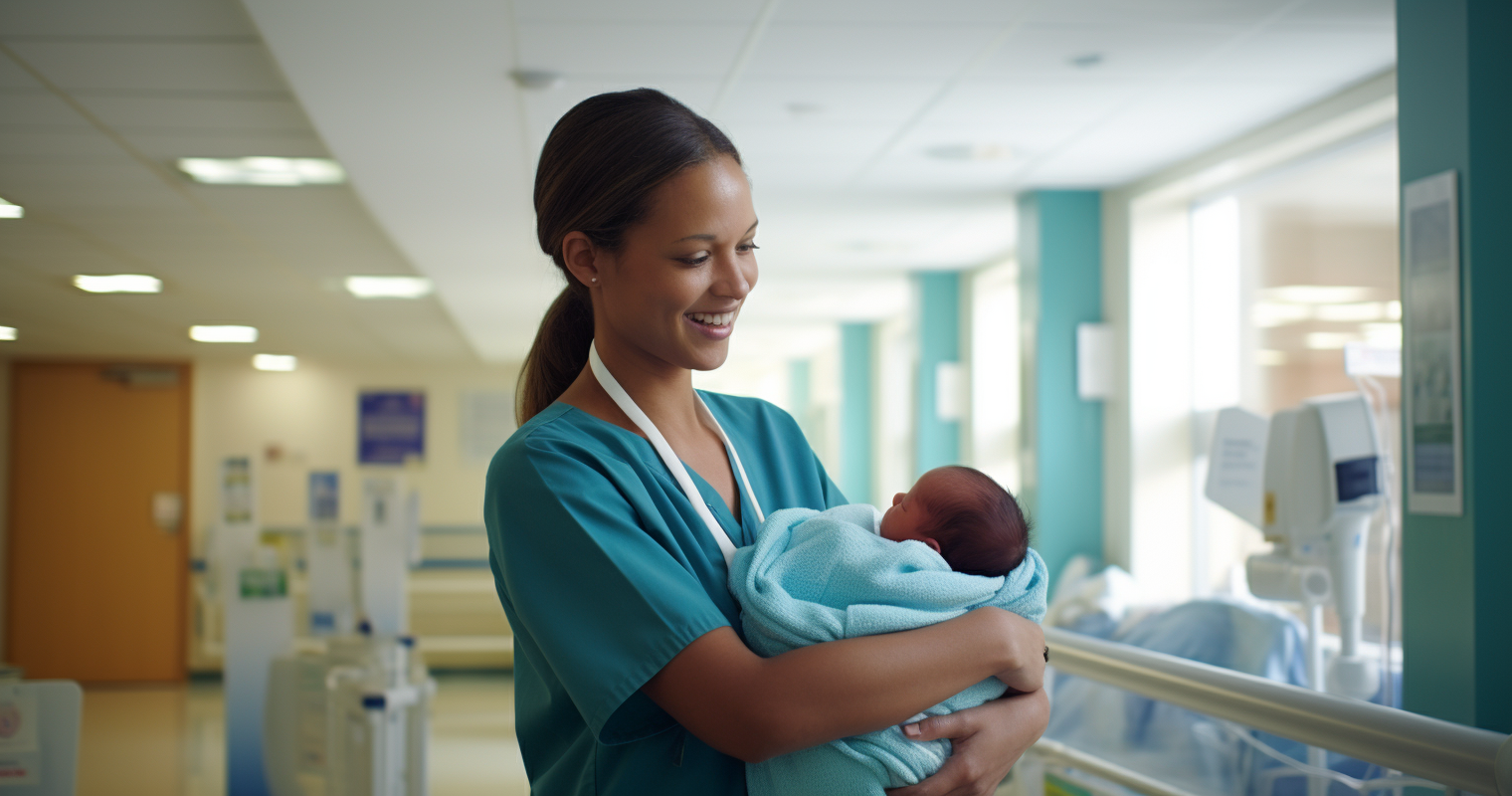
Switzerland provides outstanding maternity care through its Mandatory Health Insurance (MHI) system, which covers the vast majority of pregnancy and childbirth expenses without requiring co-payments for standard maternity services. While hospital delivery is the most common choice, birthing centres and home births are also recognised options. Every legal resident must enrol in MHI, ensuring that foreign nationals can access care from the moment they arrive in the country. Supplementary private insurance is available for those seeking additional comfort and flexibility.
| Item | Details |
|---|---|
| Maternity care system | Mandatory Health Insurance (MHI/LAMal) — compulsory for all residents; no co-payments for standard maternity services |
| Antenatal care coverage | MHI covers check-ups, ultrasounds, prenatal classes (up to CHF 150 contribution), and breastfeeding consultations — as of 2025 |
| Maternity leave | 14 weeks paid leave at 80% of salary (max CHF 220/day) — as of 2025 |
| Paternity / second-parent leave | 2 weeks paid leave at 80% of salary (max CHF 220/day), since January 2021 — as of 2025 |
| Birth registration deadline | Within 3 days of birth at the local civil register office (Zivilstandsamt / état civil) |
| Citizenship rule | Switzerland does not grant citizenship by birthplace alone (jus soli); citizenship follows parentage (jus sanguinis) |
What maternity care options are available in Switzerland?
Both Swiss citizens and all legally resident individuals are required to hold Mandatory Health Insurance (MHI), which operates under the Health Insurance Act (LAMal) and is supervised by the Federal Office of Public Health. Expats relocating to Switzerland must enrol in MHI, after which they gain access to the full range of maternity services on precisely the same terms as Swiss nationals.
MHI covers antenatal services including check-ups, ultrasound examinations, and a contribution of up to CHF 150 toward prenatal classes, with coverage beginning from the 13th week of pregnancy through to delivery. Included within this coverage are laboratory tests, routine appointments, antenatal classes, the birth itself, and consultations on breastfeeding. A particularly notable feature of the Swiss system is that no co-payments are required for maternity-related benefits — a distinction that sets it apart from many comparable European healthcare frameworks.
Prenatal care typically involves a comprehensive programme of midwife-led antenatal classes, and expectant mothers have three recognised settings in which to give birth, each offering distinct advantages. The majority of Swiss hospitals maintain dedicated maternity wards staffed by highly qualified medical personnel, and this remains the most widely recommended option given the immediate availability of pain management and emergency intervention.
Swiss birth houses (Geburtshaus) have grown steadily in popularity as an alternative setting, with a philosophy centred on supporting a natural birthing process. Women choosing this route are cared for by a midwife throughout pregnancy, labour, and the postpartum period, and are generally expected to remain at the centre for several days following delivery.
Home birth is another recognised option, with a midwife providing support across the full arc of pregnancy, birth, and postnatal recovery. However, any complications identified during pregnancy will typically lead to advice against this choice. The use of doulas has also gained traction in recent years, though this service falls outside insurance coverage and must be funded privately.
In contrast to models such as the NHS in the United Kingdom — where a named community midwife often coordinates care throughout pregnancy — Switzerland operates a more physician-centred model. Most expectant mothers attend regular check-ups with a gynaecologist and are supported by hospital-based midwives during the delivery itself. Many residents also supplement their MHI with private health insurance, which can offer additional flexibility such as direct access to specialists and the ability to choose one’s own doctor.
Throughout pregnancy, all test results and clinical data are recorded in a maternity patient file. This document provides essential continuity of information for the healthcare professionals involved in the birth and subsequent care.
How much does it cost to give birth in Switzerland?
A significant benefit of having a baby in Switzerland is the strong financial protection provided through MHI. Standard maternity services — encompassing antenatal consultations, ultrasound scans, prenatal classes, the birth itself, and postnatal home visits — are fully covered without any deductible being applied. This means families are shielded from the out-of-pocket expenses that can arise in other healthcare systems.
At the time of delivery, coverage typically extends to a bed in a general multi-occupancy ward at a hospital within your canton. A healthy newborn who remains with the mother during the hospital stay is also covered, but the child will need to be enrolled in their own health insurance policy within three months of birth. Registering your baby with an insurer without unnecessary delay is strongly advisable to avoid any gaps in coverage.
Those who prefer a semi-private or private room — which may bring a more personalised experience, greater privacy, and the freedom to select their own attending physician — will need to hold supplementary hospitalisation insurance. This type of top-up coverage is common in Switzerland, but most insurers impose waiting periods before maternity-related benefits become active, so it is prudent to arrange this well in advance of conception. Review any international or private health plan with care before counting on it for your birth.
Under compulsory health insurance, a contribution of CHF 150 is paid toward individual or group antenatal classes led by a midwife (as of 2025), and three breastfeeding consultations are included. Costs for private clinic births, caesarean sections performed without a clinical indication, or upgraded accommodation categories can vary considerably — contact your intended hospital and insurer directly for current figures, as these differ by canton and institution.
If you have only recently arrived in Switzerland and have not yet enrolled in MHI, be aware that coverage is typically backdated to your date of arrival once you register with an insurer. Confirm the details with your chosen insurer directly. Those relying on international health insurance should always check whether a waiting period of six to twelve months applies before maternity benefits become available.
What is the standard of maternity and neonatal care in Switzerland?
Switzerland is internationally recognised for delivering exceptional maternity care across both its public hospital network and its leading private medical institutions. The country’s healthcare system consistently performs at the upper end of global rankings, and this excellence extends fully to obstetric and neonatal services, making Switzerland a sought-after environment for childbirth.
For pregnancies classified as high risk, the University Hospital Zurich stands out as a centre of national and international renown. Its maternity department holds UNICEF certification and is staffed by experienced specialists in obstetrics and gynaecology. The major university hospitals in Basel, Bern, Geneva, and Lausanne likewise maintain advanced neonatal intensive care units (NICUs) equipped to care for premature newborns or infants requiring specialist intervention.
The Hirslanden Group, among the largest private hospital networks in Switzerland, operates ten maternity hospitals throughout the country, each fitted with contemporary delivery facilities and the latest medical equipment. Multilingual medical staff are available, and professional interpreting services can be arranged to ensure clear communication for mothers throughout their stay. In Geneva, the Clinique des Grangettes offers around-the-clock paediatric and anaesthesiology cover, an emergency unit, and a dedicated interdisciplinary paediatrics centre, with more than 70,000 births on record.
In more rural areas and smaller cantons, maternity units may be more modest in scale and scope, and some facilities serving lower-risk pregnancies do not have on-site NICU capabilities. If a pregnancy is deemed high risk, the attending gynaecologist will generally arrange a referral to a larger regional or university hospital. Discussing your birth preferences and any clinical concerns early in pregnancy is therefore highly recommended.
Switzerland’s four national languages — German, French, Italian, and Romansh — mean that the language of clinical care will reflect the canton in which you receive treatment. In major urban centres and larger hospitals, medical professionals commonly speak several languages and can often accommodate consultations in a range of European languages. Antenatal classes are offered throughout the country, and some providers offer courses in languages beyond the national ones, though availability varies by location. It is worth contacting your hospital’s maternity department early on to discuss your specific language requirements.
The gap in clinical outcomes between public and private maternity facilities in Switzerland tends to be minimal, as both sectors function within the same rigorous regulatory environment. The primary differences lie in comfort levels, the degree of choice over room type and specialist, and the speed of access to appointments.
What should expats know about maternity rights and leave in Switzerland?
Swiss law entitles women to 14 weeks of paid maternity leave, during which they receive 80% of their salary up to a maximum daily benefit of CHF 220 (as of 2025). Leave commences at the time of birth, giving new mothers a guaranteed period of at least 14 weeks to focus on their newborn’s early development.
To qualify for this entitlement, a mother must have been covered by compulsory pension insurance for a minimum of nine months prior to the birth and must have been in employment for at least five months during the pregnancy. She must also have been employed at the time of giving birth. Crucially, these conditions apply equally to legally employed foreign nationals residing in Switzerland, placing them on the same footing as Swiss citizens.
Swiss law prohibits a mother from returning to work within the first eight weeks following birth. Returning to work after that initial eight-week period but before the full 14 weeks have elapsed will result in the forfeiture of the remaining leave entitlement. Employers are also legally barred from terminating an employee’s contract during pregnancy or within the 16 weeks following the birth.
Since 1 January 2021, fathers are entitled to a minimum of two weeks of paid paternity leave, to be taken within the first six months of the child’s life. This leave may be taken as a continuous block or spread across individual days according to the father’s preference. The paternity allowance mirrors the maternity rate — 80% of average salary up to CHF 220 per day (as of 2025). Since 1 January 2024, working wives of mothers in Switzerland are additionally entitled to two weeks of parental leave.
Eligibility for maternity allowance extends beyond employees to include self-employed workers, those currently unemployed, and individuals already in receipt of a loss-of-earnings allowance at the time of birth, subject to the AHV insurance and employment conditions described above. Geneva residents benefit from an extended minimum of 16 weeks of maternity leave under cantonal rules.
Cantonal regulations, collective employment agreements, and individual employment contracts may offer more generous terms than the statutory minimum. A significant number of Swiss employers voluntarily pay their staff full salary throughout maternity leave. Always review your own employment contract alongside the applicable cantonal rules. For authoritative guidance, refer to the State Secretariat for Economic Affairs (SECO) and the AHV/IV compensation offices.
How do you register a birth in Switzerland?
Every child born in Switzerland must be officially recorded with the authorities and entered in the civil register. The procedure is largely straightforward, and in most circumstances the hospital or birth centre will handle the initial notification on behalf of the parents.
- Notification at the hospital or birth centre. In the majority of cases, the hospital, maternity clinic, or medical staff present at a home birth will submit the birth notification on your behalf. To complete registration, parents must fill out a name card — provided by the hospital or birth centre — indicating the first name or names and surname chosen for the child, and both parents must sign the card.
- Register within three days if the birth is not in a hospital. Where a birth takes place without a midwife or other medical professional in attendance, the parents are responsible for registering the birth at the civil register office in the location of the birth within three days.
- Bring the required documents. A valid identity document must be presented at the civil register office. Foreign nationals may be required to supply additional documentation depending on their nationality, civil status, and country of birth. Those married outside Switzerland should bring a certified copy of their marriage certificate along with full birth certificates for both parents.
- Receive the birth certificate. Following registration, the civil register office — known as the Zivilstandsamt in German, état civil in French, or ufficio dello stato civile in Italian — will enter the birth in the civil register and issue an official birth certificate. This certificate is an essential document for a wide range of administrative and legal purposes.
- Additional steps for expat parents — register with your home country. As a foreign national, you should also notify your home country’s embassy or consulate in Switzerland of the birth. Each country has its own documentation requirements and procedures; contact the relevant embassy or consulate promptly to understand what is needed and to initiate the process of securing a passport for your newborn.
- Ensure your baby has health insurance. Your newborn must be enrolled in their own Swiss MHI policy within three months of birth. Contact your insurer without delay and do not leave this to the last moment.
For parents who are foreign nationals, the documents required may vary considerably based on nationality, civil status, and country of birth. The civil register office can provide guidance on exactly what is needed, and it is advisable to enquire well in advance to prevent delays. The official ch.ch portal provides current information on birth registration procedures in Switzerland.
Should the original birth certificate be lost, a replacement can be obtained by presenting a full identity document such as a passport or residence permit at the civil register office in the canton where the birth was recorded, along with a flat fee of CHF 30 to cover postage costs (as of the time of publication — verify the current fee with the relevant cantonal office).
What nationality will my child have if born in Switzerland?
Swiss nationality is determined primarily by descent rather than place of birth — a principle known as jus sanguinis (right of blood). This is a foundational aspect of Swiss citizenship law that every expat parent should be familiar with before their child arrives.
Any child born to at least one Swiss parent automatically acquires Swiss citizenship, irrespective of where the birth occurs. Registration with the local civil registry formalises this citizenship. A standard Swiss identity document can only be issued once the child’s birth has been recorded in the Swiss civil status register and the relevant authority has confirmed the child’s Swiss nationality.
Children born in Switzerland to two foreign parents do not acquire Swiss citizenship automatically. Citizenship may potentially be obtained through naturalisation or other legal routes later in life. In the interim, such children must be registered as citizens of their parents’ country or countries of origin.
Where this is not feasible — for instance due to armed conflict in the country of origin or on account of refugee status — it may be possible to pursue simplified naturalisation in Switzerland. In practice, most expat parents will need to register their child’s birth with their home country’s embassy or consulate to establish nationality under that country’s own legal framework. The rules vary widely: some states require one or both parents to hold citizenship, others impose generational limits on citizenship transmission from abroad, and some stipulate residency conditions. Always verify your specific circumstances with the relevant consulate or embassy and, where necessary, seek advice from a qualified legal professional.
A child born abroad to a Swiss parent who already holds another nationality and whose birth has not been registered with the Swiss authorities will lose Swiss nationality at the age of 25. It is therefore important to notify the relevant Swiss embassy or consulate or civil register office at the place of origin as soon as possible. The same urgency applies to expat parents ensuring their child’s foreign nationality is established without delay.
What are the laws and attitudes around abortion in Switzerland?
Switzerland maintains a comparatively liberal legal position on abortion within the European context. Under current Swiss law (as of 2025), termination on request is permitted during the first 12 weeks of pregnancy. Beyond this threshold, termination may still be carried out on medical or psychological grounds, subject to assessment by a qualified physician. This framework is broadly in line with approaches taken in France, Germany, and the Netherlands, and is more accessible than in a number of other countries where legal restrictions are more stringent.
Within the first 12 weeks, a woman may request a termination by providing a written statement regarding her situation. She is not obliged to give specific reasons, but must confirm that she has been made aware of the options open to her, including social support measures. A consultation with a healthcare professional is required before the procedure takes place, although no mandatory waiting period between that consultation and the procedure itself is imposed.
Once the 12-week threshold has passed, a doctor must certify either that continuing the pregnancy would pose a serious risk to the physical health of the pregnant person, or that a severe foetal abnormality has been identified. At this stage, a second specialist opinion is typically required.
Compulsory health insurance in Switzerland covers a range of standard medical procedures, and abortion within the legally permitted timeframe is generally treated as a covered medical procedure under MHI. That said, specific cost contributions can vary depending on individual circumstances, so it is advisable to confirm the current position with your insurer and the Federal Office of Public Health (FOPH / BAG) directly.
Terminations are available through both public hospitals and authorised private clinics. Counselling and family planning services are accessible through organisations such as pro familia and Planning Familial, which operate across Switzerland’s main language regions. The broader societal attitude in Switzerland on this subject is generally permissive, and abortion access does not occupy the same politically contentious space as it does in some other nations. Anyone seeking to understand how the legal framework applies to their personal situation should speak with a doctor or contact the FOPH directly.
Frequently asked questions about having a baby in Switzerland
Can I use Swiss public health insurance for maternity care as a foreign national?
Every legal resident in Switzerland — including foreign nationals — is required to enrol in Mandatory Health Insurance (MHI), governed by the Health Insurance Act (LAMal). Once enrolled, you are entitled to exactly the same maternity benefits as any Swiss resident, covering routine check-ups, ultrasound scans, antenatal classes, the birth itself, and postnatal care, all without co-payments for standard maternity services.
Do I need private insurance to give birth in Switzerland?
Private insurance is not a prerequisite for receiving high-quality maternity care in Switzerland — MHI covers the complete standard care pathway. Supplementary hospitalisation insurance is an optional add-on that unlocks access to private or semi-private rooms, the freedom to select your own specialist, and additional comforts. Because most insurers impose waiting periods before maternity benefits come into effect, it is important to take out any supplementary cover well before you become pregnant.
How long do I stay in hospital after giving birth?
After an uncomplicated vaginal birth, hospital stays in Switzerland typically last between two and four days. Following a caesarean section, the usual length of stay is four to five days. For the first 56 days after delivery, compulsory health insurance covers postnatal home visits by a midwife, a provision that applies to first-time mothers, multiple births, premature newborns, and post-caesarean recoveries alike. This in-home midwifery support is a widely appreciated element of the Swiss maternity system.
Are maternity rights in Switzerland the same for foreign nationals as for Swiss citizens?
Yes. Mothers who have been covered by compulsory pension insurance for at least nine months before the birth and were in employment for at least five months during pregnancy are entitled to 14 weeks of paid maternity leave, provided they were employed at the time of giving birth. Legally employed foreign nationals qualify on identical terms to Swiss citizens. Self-employed workers are also covered by the maternity allowance under the same qualifying conditions — consult the AHV/IV compensation office website for current rules.
How long does a father or second parent get for paid leave in Switzerland?
Since 1 January 2021, the child’s father has been entitled to a minimum of two weeks of paid paternity leave to be taken within the first six months following the birth, either as a continuous block or spread across individual days. Since 1 January 2024, working wives of mothers also qualify for two weeks of parental leave. In both cases, the allowance is set at 80% of average salary up to a maximum of CHF 220 per day (as of 2025). Some cantons and employers offer more favourable arrangements — review your employment contract and cantonal regulations accordingly.
Will my baby automatically get Swiss citizenship if born in Switzerland?
No. Swiss citizenship law is based on parentage rather than birthplace. A child born to at least one Swiss parent automatically acquires Swiss citizenship regardless of where the birth occurs. Children born to two foreign nationals will hold the nationality or nationalities of their parents. Register the birth with your home country’s embassy or consulate as promptly as possible to establish your child’s citizenship.
What documents do I need to register my baby’s birth in Switzerland?
In most cases, the hospital or maternity clinic will submit the birth registration on your behalf. All parents are required to complete a name card — issued by the hospital or birth centre — bearing the child’s chosen first and last names, signed by both parents. If one or both parents are foreign nationals, additional documents may be required depending on their nationality, civil status, and country of birth. Contact the local civil register office in advance to confirm what is needed, and bring a valid identity document to the appointment.
What should I do after registering the birth in Switzerland?
Once you have received the Swiss birth certificate, several further steps are important for expat parents: register the birth at your home country’s embassy or consulate in Switzerland to establish your child’s foreign nationality and begin the process of obtaining a passport; enrol your newborn in Swiss MHI within three months of the birth; and, if you are eligible, apply for the Swiss family allowance — a monthly payment designed to support the upbringing of your child. Contact your cantonal compensation office for current allowance rates and details of the eligibility criteria.
Latest: Expat Focus International Healthcare Update September 2026 →