

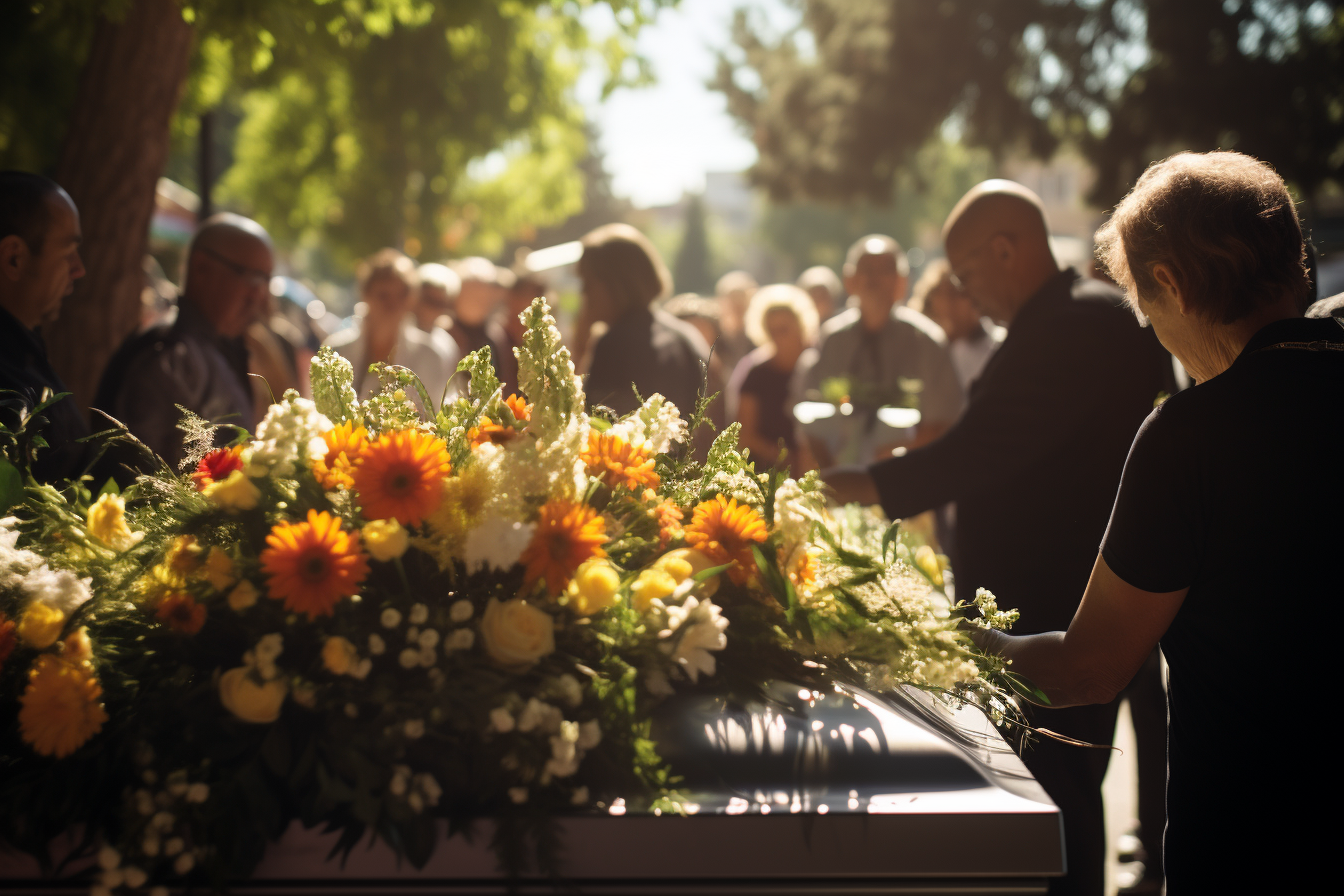
Taiwan operates one of Asia’s most sophisticated end-of-life care systems, supported by the National Health Insurance (NHI) programme, a pioneering Hospice Palliative Care Act, and the Patient Right to Autonomy Act. Expats residing in Taiwan need to familiarise themselves with the legal instruments available for end-of-life planning, how hospice services are accessed and financed, and the practical steps that must be taken following a death — including death registration and the repatriation of remains.
| Item | Details |
|---|---|
| Death registration deadline | Within 10 days of death (as of 2024) |
| NHI hospice coverage | Covers inpatient, home care, and shared-care for 10 qualifying conditions (as of 2024) |
| Cremation processing time | Typically 2–3 days in Taipei (as of 2024) |
| Burial regulation | Administrative/health regulations require burial within one month |
| Quality of Death Index ranking | 3rd in the world, 1st in Asia (Economist Intelligence Unit, 2021) |
| Palliative care pre-registrations | Over 1 million as of 2024 (Ministry of Health and Welfare) |
What end of life care options are available in Taiwan, and how does the system work?
Taiwan’s approach to end-of-life care stands among the most advanced in the Asia-Pacific region, built on a strong legislative foundation and sustained by the National Health Insurance (NHI) programme. Over the last two decades, a robust hospice movement has taken hold across the island, gradually overcoming deeply embedded social and cultural resistance to discussions of death and dying. International assessments consistently place Taiwan near the top of global rankings for end-of-life care quality.
The Patient Right to Autonomy Act came into force in 2019, giving individuals greater legal standing to direct their own care at the end of life. Taiwan was ranked sixth globally and first in Asia in the Economist Intelligence Unit’s 2015 Quality of Death Index, and by 2021 had climbed to third place worldwide.
The care options currently available span several settings: dedicated inpatient hospice wards within hospitals, home-based hospice care delivered through teams of nurses and interdisciplinary professionals who visit patients regularly, and hospital consultation or shared-care units where patients remain in a general ward but receive input from a palliative care team. This tiered structure enables people to receive end-of-life care in the setting that best suits their condition and circumstances.
Certain cultural factors can make it harder to access palliative services. There remains a widespread reluctance — among both families and healthcare professionals — to speak openly about death. The cultural value of filial devotion can also make it difficult to step back from aggressive curative treatment, as continuing treatment is often viewed as an expression of love and commitment. Expats should keep these dynamics in mind when raising care preferences with local medical teams or relatives.
What is palliative care in Taiwan, and who is eligible for it?
Rather than signalling the abandonment of hope, palliative care is centred on helping patients and their loved ones come to terms with serious illness and, ultimately, death. It runs in parallel with medical treatment from the time of diagnosis, seeking to ease physical discomfort, emotional distress, and spiritual suffering at every stage of a life-limiting condition.
In 2000, Taiwan enacted the Hospice Palliative Care Act — the first piece of natural death legislation in Asia — which formally recognised patients’ right to choose palliative and hospice care and to execute a Do Not Resuscitate (DNR) order. The Act stipulates that two physicians must confirm a patient’s terminal status before palliative care provisions are triggered.
Taiwan’s National Health Insurance provides coverage for palliative and hospice care across 10 disease categories: end-stage cancer, motor neuron disease, organic psychosis, brain degeneration, heart failure, chronic airway obstruction diseases, other lung diseases, chronic liver disease and cirrhosis, acute renal failure, and chronic renal failure.
In 2009, coverage was extended to encompass non-cancer conditions. Although cancer patients still account for approximately 90% of those receiving palliative care, interest in non-cancer palliative services is growing. The proportion of eligible patients actually utilising palliative care has risen substantially, from 11.4% in 2010 to 44.3% in 2020.
As of 2024, more than one million people have registered in advance for palliative care in Taiwan. Expats who hold NHI enrolment and have a qualifying diagnosis may discuss their eligibility directly with their treating physician, who can arrange a referral to a palliative care team.
Are there hospices in Taiwan, and how do you access them?
Hospice and palliative services in Taiwan have expanded considerably since the country’s first dedicated hospice ward was established at MacKay Memorial Hospital in Taipei in 1990. Today, services are distributed across the island through a combination of inpatient units, home care teams, and shared-care programmes embedded within general hospitals.
By 2015, the number of inpatient hospice wards had grown to 53, providing 718 beds, and 126 shared-care teams had been established. There are 69 home care teams operating nationally, though expanding this home-based network remains one of the sector’s primary ongoing challenges.
Among the leading institutions offering palliative care are the Hospice and Palliative Care Unit at National Taiwan University Hospital in Taipei, the Mackay Hospice Palliative Care Center at the Tamshui Branch of MacKay Memorial Hospital, and Buddhist Tzu Chi Hospital in Taichung, which provides palliative consultancy, inpatient services, outpatient clinics, and home care.
Access is typically initiated through a referral from a treating physician or oncology team. Non-cancer patients admitted to hospital in a terminal condition are generally cared for jointly by a disease specialist and a palliative care specialist, supported by a multidisciplinary team that includes a nurse, a consulting psychologist, a social worker, and a volunteer. The Hospice Foundation of Taiwan can provide guidance on locating services in your area.
Is palliative or hospice care covered by public health insurance or the national health system in Taiwan, or does it need to be funded privately?
The inclusion of hospice care within Taiwan’s National Health Insurance, combined with the passage of the Hospice Palliative Care Act, requirements for hospice provision within hospital accreditation frameworks, and the development of clinical chaplaincy, has collectively shaped a strong national palliative care infrastructure. For NHI-enrolled patients with a qualifying condition, the principal costs of hospice and palliative care are largely met by the insurance programme.
Palliative care was first incorporated into Taiwan’s NHI in 1996, beginning with home-based palliative care. This was followed by palliative inpatient care in 2000 and palliative consultation services in 2005. NHI coverage encompasses inpatient stays, home care visits, and shared care — where a patient remains in their original ward but benefits from joint management by both their primary and hospice physicians.
Patients in Taiwan who are diagnosed with catastrophic illnesses, including cancer, are exempt from co-payments for outpatient visits, emergency department attendance, and inpatient care. The NHI meets these costs directly. Expats who are NHI enrollees — a mandatory requirement for those holding a residence permit for six months or more — can access these entitlements on equal terms with Taiwanese nationals.
Beyond the core services funded by the NHI, additional programmes such as art therapy, aromatherapy, and clinical chaplaincy services are often sustained through modest public donations. If you have not enrolled in the NHI, you will need to rely on private funds or international health insurance to cover palliative care costs. Current NHI enrolment eligibility criteria can be confirmed with the National Health Insurance Administration.
What legal documents should expats have in place before the end of life in Taiwan — such as a living will, advance directive, power of attorney, or healthcare proxy — and how do these work?
Taiwan’s legislative framework for end-of-life decision-making provides patients and families with meaningful options and clear legal protections. Two central pieces of legislation are relevant: the Hospice Palliative Care Act (2000) and the Patient Right to Autonomy Act (2019). Together with the Human Organ Transplantation Act, these are collectively described as Taiwan’s “three laws to a good death.”
A terminally ill patient may prepare a written statement of intent regarding their preference for either hospice palliative care (HPC) or life-sustaining treatment (LST). Any competent adult may complete such a statement in advance. This document serves a similar purpose to an advance directive or living will as understood in many other healthcare systems — it records your treatment preferences before you lose the capacity to express them.
The Hospice Palliative Care Act was amended in 2002 to permit the withdrawal of life-sustaining devices from terminally ill patients where this has been specified in an advance care plan. A further amendment in 2013 extended this to allow the withdrawal of artificial ventilation in terminal cases.
As of 2024, the Ministry of Health and Welfare records 65,151 palliative care registrations and 19,359 advance care planning registrations. The growth of digital registration tools has made it easier for individuals to register online using their National Health Insurance card, and uptake has risen significantly as a result.
For financial and property matters, a general power of attorney (POA) should be prepared with the assistance of a qualified Taiwanese lawyer or notary. In Taiwan, matters of succession are primarily governed by the Civil Code, the Notary Act, and the Act Governing the Application of Laws to Civil Matters Involving Foreign Elements. Expats are strongly encouraged to consult a local attorney to confirm that all documents are valid and enforceable under Taiwanese law. The Judicial Yuan of Taiwan provides information on notarisation services.
Are documents such as advance directives or powers of attorney made in another country legally recognised in Taiwan?
Foreign-drafted legal documents are not automatically recognised in Taiwan, and their applicability requires careful consideration. While Taiwan’s private international law framework does allow for foreign legal documents to be recognised in certain circumstances, advance directives and powers of attorney prepared abroad may not satisfy the specific requirements established by the Hospice Palliative Care Act or the Patient Right to Autonomy Act.
The treatment of foreign documents in civil matters in Taiwan is governed collectively by the Civil Code, the Notary Act, and the Act Governing the Application of Laws to Civil Matters Involving Foreign Elements. A healthcare proxy or durable power of attorney drafted in another jurisdiction will generally need to be notarised and authenticated in order to carry legal weight in Taiwan. A certified Mandarin Chinese translation will typically also be required.
When it comes to medical decisions specifically, Taiwan’s healthcare system will give primacy to documents that conform to local law. Expats who intend to live in Taiwan on a long-term basis are therefore strongly advised to draw up a locally valid advance care planning document and register it with the NHI. A Taiwanese lawyer or the palliative care team at your treating hospital can provide guidance on how to do this. Your home country’s representative office in Taiwan may also be able to offer advice on what documentation they are able to assist with.
What are the laws around euthanasia or assisted dying in Taiwan?
Active euthanasia and assisted dying — where a physician deliberately ends a patient’s life at their request — are not permitted under Taiwanese law. This position is shared by most countries worldwide. Taiwan’s legal framework instead focuses on the right to decline or discontinue life-sustaining treatment, which is a legally and ethically distinct concept from active euthanasia.
The Hospice Palliative Care Act recognised patients’ right to choose palliative care and to sign a Do Not Resuscitate order. Taiwan was the first country in East Asia to legislate the withdrawal of life-sustaining treatment for patients who are at the end of life. These provisions enable a person with a terminal illness to die naturally, free from unwanted medical intervention — but they do not authorise a physician to take an active role in ending a patient’s life.
The Patient Right to Autonomy Act of 2019 further reinforced individual autonomy by enabling patients to document their preferences regarding treatment — including the refusal of artificial nutrition or hydration under specified conditions — through a formal advance care plan. For the most current legal position, refer to the Hospice Palliative Care Act (Ministry of Justice, Taiwan).
What are the local customs, traditions, and religious practices around death and dying in Taiwan?
Death in Taiwan is profoundly influenced by Taoist, Buddhist, and Confucian traditions, though customs vary widely by family background, region, and religious affiliation. Death is widely regarded as a sensitive subject, and many families avoid addressing it directly. This cultural disposition affects how openly people discuss end-of-life preferences — a tendency that can shape interactions with local healthcare providers and family members alike. The cultural norm of continuing active treatment as a demonstration of filial devotion can present an additional barrier to embracing palliative approaches.
Traditional funeral rituals in Taiwan are often elaborate and may extend over several days. In Buddhist and Taoist traditions, ceremonies are performed to guide the spirit of the deceased onward to the afterlife. These can include chanting by monks or priests, the burning of paper offerings — symbolising money, clothing, and everyday goods — and a wake lasting multiple days. Mourners customarily wear white or black clothing rather than bright colours, which are reserved for celebratory occasions.
The concept of filial piety (孝, xiào) carries great weight in Taiwanese society. Adult children are expected to bear significant responsibility for a parent’s funeral and to demonstrate grief and respect in a manner that reflects well on the family. For expats who pass away without relatives present in Taiwan, close friends, colleagues, or members of their community may be called upon to fulfil this role.
Folk traditions also influence practical decisions — including the selection of auspicious dates for the funeral, the orientation of the body, and the preparation of the deceased before burial or cremation. Specialist funeral companies (喪葬業者) familiar with local customs are widely available to help families navigate these conventions. Expats of other religious traditions — including Christianity, Islam, or others — will generally find that their preferences can be accommodated, particularly in Taiwan’s larger cities.
What must you do when someone dies in Taiwan? Who do you notify, how quickly, and in what order?
Taiwanese law requires that all deaths be registered within 10 days of the event. Acting without delay is essential. The steps below outline the standard procedure to follow:
- Secure a death certificate from a physician or medical institution. When a death occurs in hospital, the attending doctor will provide this document. If the death happens at home or in circumstances that are unclear, the police must be informed, and certification may need to be carried out by a prosecutor’s office or medical examiner. A death certificate may also be issued by a military prosecutor’s office or through a court declaration of death.
- Engage a funeral director. A local funeral company can guide the family through the logistical steps — transport of the body, preservation, and the paperwork needed for registration. If the deceased held travel insurance, the insurer should be notified immediately, as they may offer assistance with arrangements.
- Notify the household registration office (戶政事務所). Death must be formally registered at the local household registration office within 10 days. Eligible applicants include the spouse, close relatives, the head of the household, cohabitants, the individual responsible for the funeral, or the landlord or property holder.
- Notify the deceased’s home country representative office (for foreign nationals). Contact the relevant embassy or representative office at the earliest opportunity. They can issue formal notifications and assist with consular paperwork.
- Notify the National Health Insurance Administration. The deceased’s NHI enrolment should be cancelled by contacting the relevant NHI branch office or local household registration authority, which may handle this automatically as part of the de-registration process.
- Notify banks and financial institutions. Alert the deceased’s financial institutions to freeze accounts pending estate administration, and begin informing relevant pension schemes or insurance bodies.
- Retain a lawyer for estate matters. If the deceased held property or significant assets in Taiwan, prompt legal advice is essential to understand your obligations in relation to estate administration and inheritance tax.
How is a death officially registered in Taiwan, and what documents are needed?
Death registration in Taiwan is handled through the local household registration office (戶政事務所) and must be completed within 10 days of the death. For foreign nationals who were not registered within Taiwan’s household system, the process may vary slightly, but a death certificate must still be obtained and submitted to the relevant authorities.
The documentation typically required includes: the death certificate issued by a medical institution or competent authority; the applicant’s identity document and seal (or signature); and the identity card and household certificate of the deceased — where the deceased had a spouse, the spouse’s identity document should also be provided.
Where an agent is appointed to submit the registration on the applicant’s behalf, a power of attorney and the agent’s identification are also required. For foreign nationals, additional documentation confirming identity and residency status will generally be necessary. Documents not produced in Mandarin Chinese must be translated and, in certain cases, notarised before they are accepted.
Once registration is completed, an official death registration transcript may be obtained from the household registration office. This document is a prerequisite for estate administration, bank account closure, insurance claims, and any repatriation arrangements.
What happens if a foreign national dies in Taiwan — what are the specific steps for notifying their home country’s embassy or consulate, and what role does the consulate play?
When a foreign national dies in Taiwan, securing a death certificate and notifying the relevant home country representative office are both immediate priorities. Because Taiwan maintains limited formal diplomatic ties with most countries, consular services are generally delivered through unofficial representative offices. Americans, for example, are served by the American Institute in Taiwan (AIT), while British nationals are supported by the British Office Taipei. Check your own country’s foreign affairs ministry website for the contact details of the relevant office.
The representative office can perform a number of important functions: issuing formal notification of the death to the home country’s authorities; assisting with obtaining or certifying copies of the death certificate; advising on repatriation options; and helping the next of kin navigate the local administrative process. Certain offices — such as the American Institute in Taiwan — prepare a Consular Mortuary Certificate to accompany the remains when they are exported, which includes flight details, the name of the consignee, and other necessary documentation.
Contact the representative office as soon as possible after the death. Staff can supply a list of recommended local funeral directors, advise on documentation requirements, and liaise with local authorities on your behalf. Note that consular staff are not in a position to make funeral arrangements or meet costs on behalf of families, though they can provide vital guidance throughout the process. In cases where no relatives have been traced or where the family cannot meet the costs of funeral arrangements or repatriation, the Taiwanese authorities will arrange an administrative burial — sometimes referred to as a ‘pauper’s funeral’ — in which the deceased is cremated and the ashes stored in a local columbarium until they are collected.
How are funerals typically arranged in Taiwan, and what are the usual options for burial or cremation?
Cremation is by far the most common choice in Taiwan, driven largely by a severe scarcity of burial land across the island and the correspondingly high cost of grave plots. Most families engage a local funeral director (殯儀館 or 喪葬服務公司) to manage the handling of the body, oversee the funeral ceremony, coordinate with the crematorium or cemetery, and complete the necessary administrative paperwork.
Taiwan maintains a network of public funeral facilities in its major cities. All of the larger cities in southern Taiwan have publicly operated funeral parlours. Taipei’s public crematorium is equipped with 14 incinerators, and cremation generally takes two to three days to complete.
Foreign nationals in Taiwan may opt for local burial or cremation, but the next of kin or appointed representative will need to provide documentation confirming their relationship to the deceased and valid photo identification. Documents may require legalisation and certified Mandarin Chinese translation before they are accepted.
The funeral director will arrange cremation, and local law requires written authorisation from the next of kin before this can proceed. In certain circumstances, this authorisation may itself need to be notarised and authenticated by the relevant representative office. Burial remains a legal option but is rare given the high cost of land. Administrative and health regulations stipulate that burials must take place within one month of death.
What are the approximate costs of a funeral in Taiwan, and are there any state or insurance-based funds that can help cover them?
Funeral costs in Taiwan differ considerably depending on the type of ceremony, the location, and whether burial or cremation is selected. The estimates below draw on figures from official sources and should be independently verified with local providers, as prices are subject to change over time.
| Option | Estimated cost (USD) |
|---|---|
| Cremation and air shipment preparation (southern Taiwan) | ~USD 5,000 |
| Funeral costs and preparation of remains (southern Taiwan) | ~USD 12,000 |
| Grave plot (southern Taiwan, starting price) | From USD 48,000 |
| Funeral costs and preparation of remains (northern Taiwan) | ~USD 23,000 |
| Grave plot (northern Taiwan, starting price) | From USD 60,000 |
Unless the next of kin has a reliable local contact to assist with identifying a suitable burial site, local burial is generally not advisable given how costly land is in Taiwan. Cremation is strongly preferred and represents a far more economical option. Exchange rates and service fees fluctuate, so always obtain up-to-date figures from your chosen funeral provider.
Where the deceased was enrolled in Taiwan’s Labour Insurance system, a funeral allowance may be payable to eligible claimants. NHI-enrolled patients who received hospice care under the NHI will have had their core treatment costs substantially covered during their care. If the deceased held travel or international health insurance, notify the insurer promptly — many policies include provisions to assist with or meet the costs of funerals and repatriation.
What is the process for repatriating the remains of a foreign national from Taiwan to another country?
Repatriating remains — whether as a whole body or in cremated form — demands careful coordination between the funeral director, the home country’s representative office, and Taiwan’s health and customs authorities. The procedures differ depending on whether the remains are cremated or not.
All repatriation arrangements should be made through a funeral director working in conjunction with the funeral home or crematorium. The director prepares the required documentation, including quarantine, embalming, and inspection certificates, as well as an export permit. Specialist international repatriation companies are also available and may be better placed to manage cross-border logistics.
For the export of whole body remains, the body must be placed inside a hermetically sealed coffin or casket, which is then enclosed within an additional wooden outer casing to comply with export standards. Required documentation includes a Certificate for the Exportation of Human Remains issued by Taiwan’s Centers for Disease Control (Ministry of Health and Welfare), an affidavit from the funeral director, and any consular documentation from the relevant representative office.
If you are transporting cremated ashes back to your home country, you will need to present the death certificate, the cremation certificate, and the funeral director’s or crematorium’s sealing certificate confirming that the urn contains only the cremated remains of the deceased. Check in advance with your airline and the Taiwan Customs Administration to ensure compliance with their requirements, and with the authorities of any countries through which the remains will transit.
Shipping must be arranged through a funeral director who will coordinate with the funeral home or crematorium to prepare the remains and compile all necessary export documentation, including cremation, quarantine, embalming, and inspection certificates and export permits. Overall, the repatriation process — from the date of death to departure from Taiwan — typically requires a minimum of one to two weeks for cremated remains, and often longer for whole body repatriation, depending on the complexity of documentation and airline scheduling.
What happens to the estate of someone who dies in Taiwan — how does probate or estate administration work, and are there inheritance taxes?
Taiwan does not operate a formal probate court system comparable to those found in, for instance, England and Wales. Estate administration is primarily a civil process governed by the Civil Code and conducted through cooperation between heirs, legal professionals, and the relevant government agencies. After all creditors and tax liabilities have been settled, the remaining estate must be transferred to heirs or entitled parties by an executor or administrator. For assets that are subject to a registration system — such as real estate or vehicles — this is achieved by filing a title transfer application with the competent authority. The process is concluded once all remaining assets have been distributed among the heirs and beneficiaries.
Taiwan does impose an inheritance tax on the net value of the deceased’s estate, after allowable deductions and exemptions have been applied. Tax thresholds and rates are periodically revised; always confirm the current figures with the Ministry of Finance Taiwan or a qualified tax adviser. The Taiwanese assets of a foreign national — including real property, bank accounts, or business interests — will generally be subject to Taiwanese inheritance tax regardless of the deceased’s residency status at the time of death.
Expats holding assets in both Taiwan and abroad should be aware of the potential for double taxation and are advised to seek specialist cross-border estate planning advice while still in good health. A locally qualified attorney can advise on whether a Taiwanese will, a will from your home country, or both instruments are most appropriate for your situation.
If an expat dies without a will in Taiwan, what happens to their assets under local intestacy laws?
As in many parts of Asia, death remains a subject that many people in Taiwan are reluctant to discuss openly, and this cultural reticence affects estate planning — contributing to a significant number of people dying intestate, without a valid will. Where no will exists, Taiwan’s Civil Code sets out the order in which assets are inherited.
Under Taiwan’s intestacy rules, the order of succession broadly proceeds as follows: the spouse inherits alongside the deceased’s children, who share equally; if there are no children, the spouse inherits alongside the deceased’s parents; in the absence of surviving parents, the spouse inherits alongside the deceased’s siblings; and if there are no siblings, the spouse inherits alongside the deceased’s grandparents. If there is no surviving spouse, assets pass through the same sequence of relatives. A surviving spouse always retains an entitlement to a share of the estate.
The concept of survivorship accounts is not recognised in Taiwanese law, and banks do not generally offer such a facility. This means that joint bank accounts do not automatically transfer to the surviving account holder upon death, which can create significant complications for expat couples. It is therefore strongly advisable to prepare a valid Taiwanese will to ensure that your assets are distributed in accordance with your intentions. Under Taiwan’s Civil Code, a person making a will must possess full legal capacity and must have reached the age of 20.
Frequently asked questions
Can foreign health insurance be used to cover palliative or hospice care in Taiwan?
Whether foreign or international health insurance covers palliative and hospice care in Taiwan depends entirely on the terms of your individual policy. Contact your insurer as early as possible and ask specifically whether end-of-life or palliative care received in Taiwan is included, and what the claims process involves. If you are enrolled in Taiwan’s NHI, you are entitled to NHI-funded palliative care for qualifying conditions. Many long-term expats maintain both NHI coverage and a supplemental international health insurance policy.
Are advance directives or living wills written in a language other than Mandarin Chinese valid in Taiwan?
Documents drafted in a foreign language do not carry automatic validity within Taiwan’s healthcare or legal system. Any advance directive intended to take effect under the Hospice Palliative Care Act or the Patient Right to Autonomy Act should be prepared in Mandarin Chinese, or accompanied by a certified translation. Expats are strongly encouraged to create a locally compliant advance care planning document — ideally with guidance from a Taiwanese lawyer or their hospital’s palliative care team — in addition to any documents they hold from their home country.
How long does the process of repatriating remains from Taiwan typically take?
The timeframe depends on the method of repatriation and how completely documentation can be assembled. For cremated remains, the process can typically be completed within approximately one to two weeks, accounting for the cremation period (usually two to three days in major cities), the procurement of death and cremation certificates, and export clearance. Whole body repatriation generally requires longer — often two to three weeks or more — due to the additional documentation involved, including the export permit from the Taiwan Centers for Disease Control and coordination with airlines or freight carriers. Engaging an experienced international funeral director or specialist repatriation company can shorten the overall timeline considerably.
What support is available to bereaved family members in Taiwan?
The Hospice Foundation of Taiwan offers bereavement support resources and can connect families with counselling services and community support networks. Many hospice and palliative care units within hospitals also provide grief support to families following a patient’s death. The Taiwan Academy of Hospice Palliative Medicine and hospital-based social workers can offer referrals to appropriate services. Expat community groups and international religious congregations in Taiwan’s larger cities are often valuable sources of both emotional and practical support. Where a representative office was involved in managing the death, staff may be able to direct families to further support.
Does Taiwan’s National Health Insurance cover end-of-life care for all foreign residents?
NHI enrolment is compulsory for most foreign nationals who hold an Alien Resident Certificate (ARC) for a period of six months or more. Once enrolled, NHI-covered palliative and hospice care is accessible on the same terms as for Taiwanese nationals, provided the clinical criteria are met — namely, a qualifying diagnosis confirmed by two physicians. Short-term visitors, tourists, or foreign nationals without an ARC are not automatically covered and will need to rely on private or travel insurance for any medical care, including palliative care.
Is it possible to die at home in Taiwan with palliative support?
Yes. Home-based palliative care is a well-established and NHI-supported care model in Taiwan. Dedicated hospice home care teams carry out regular visits and can deliver symptom management, nursing care, psychological support, and practical assistance to both patient and family. While this model is firmly embedded within the system, provision is unevenly spread geographically, and availability may be more limited in rural areas and smaller towns. Your treating physician or the palliative care team at your hospital can initiate a referral to a home care team.
What happens to a foreign national’s Taiwan bank accounts after they die?
Upon receiving notification of a death, banks in Taiwan will typically freeze the deceased’s accounts. Access to those funds will then be determined by the estate administration process. Where a valid will exists that appoints an executor, the executor may apply to the bank for access to the accounts. Where no will has been left, the legal heirs must reach collective agreement on the distribution of assets and supply the necessary documentation — including the death certificate, evidence of their relationship to the deceased, and any required court documents — before accounts can be unfrozen or transferred. This process can take anywhere from several weeks to several months. Expats are advised to ensure that their next of kin are aware of where financial accounts are held and where relevant documents can be found.
Do I need to inform the Taiwanese authorities if a foreign national dies unexpectedly in Taiwan?
Yes. Any death that occurs within Taiwanese territory — whether the individual was a long-term resident, a tourist, or passing through in transit — must be reported to the authorities, and a death certificate must be issued by a local medical institution or competent authority. The relevant home country representative office should be contacted without delay. Taiwan’s legal requirements in relation to death registration apply to all deaths occurring within its jurisdiction, irrespective of the deceased’s nationality or how long they had intended to stay.