
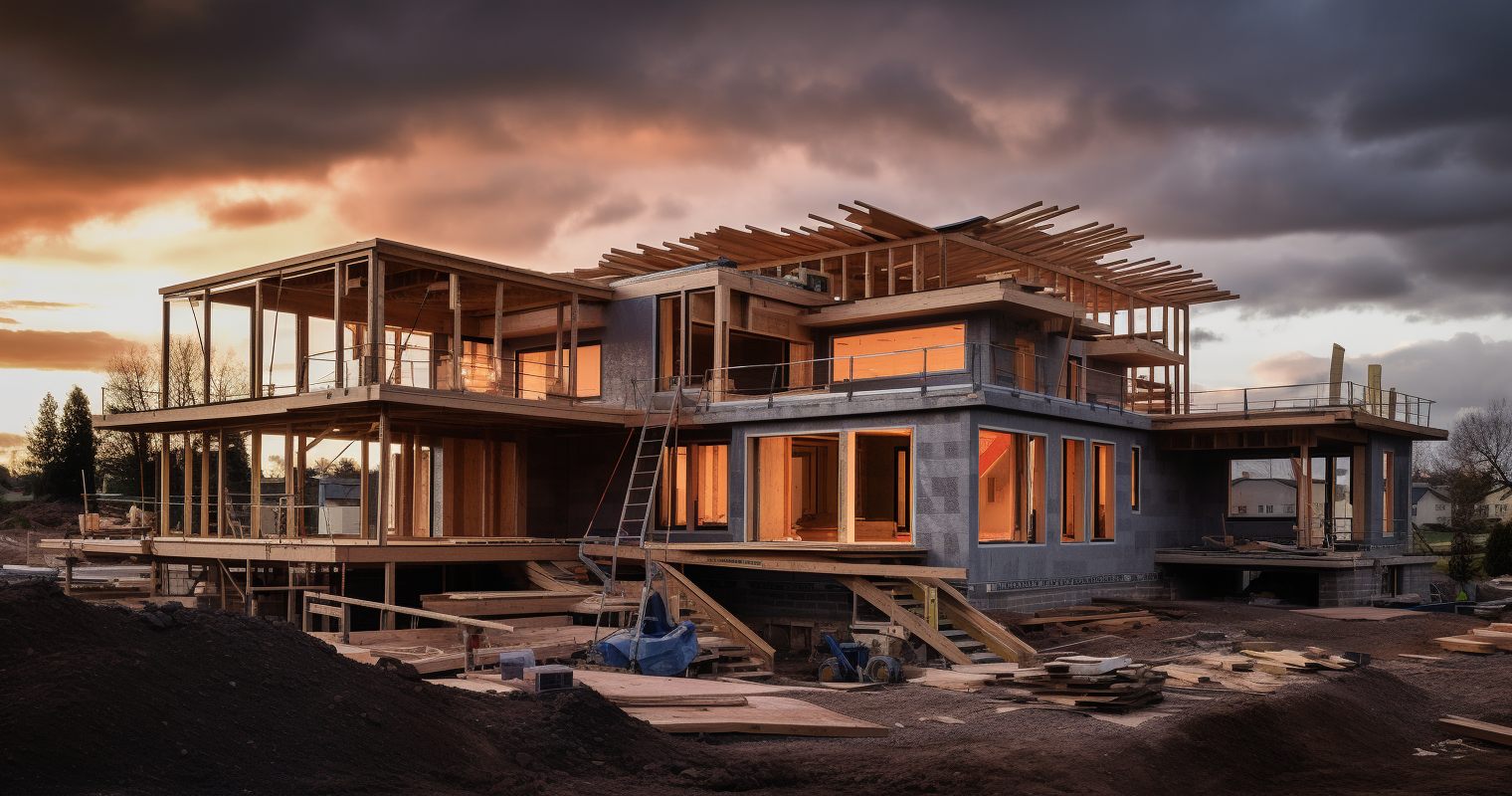
Anyone planning to build or renovate property in Venezuela must secure planning permission for all substantial construction and major refurbishment work, with approval granted by the appropriate local municipality or state government. The sector is subject to professional regulation, and practitioners are required to hold recognised credentials. While foreign nationals are broadly permitted to own property, Venezuela’s economic and political landscape makes rigorous legal due diligence an absolute necessity before committing to any project.
| Item | Details |
|---|---|
| Planning permission required? | Yes — for all new construction and significant renovation; issued by the local municipality or state government |
| Key heritage authority | Instituto Nacional de Patrimonio Cultural (INPC) |
| Key professional body (engineers/builders) | Colegio de Ingenieros de Venezuela (CIV) — civ.net.ve |
| Key professional body (architects) | Sociedad de Arquitectos de Venezuela (SAV) |
| Foreign ownership permitted? | Generally yes, subject to SAREN registration/verification; professional services firms must be majority Venezuelan-owned |
| Fees and timescales | Vary by municipality and project scope — verify current figures with the relevant local authority, as conditions change frequently |
Do you need planning permission to build or renovate a property in Venezuela?
Venezuela requires property owners to apply for planning permission before undertaking any building or renovation work. This obligation extends to new construction, substantial extensions, and structural modifications. Minor cosmetic interventions — such as repainting interior surfaces or swapping out fixtures — are generally unlikely to demand a formal permit, but any work that affects a building’s structure, footprint, or designated use should be treated as requiring approval until your local municipality confirms otherwise.
In contrast to countries like Canada or Australia, where a nationally unified framework establishes overarching parameters, Venezuela places planning and permitting authority primarily at the municipal and state level. As a result, requirements, fees, and processing times can differ substantially depending on where your property is situated. You should approach your specific alcaldía (municipal authority) or gobernación (state government) as early as possible in the planning process.
The application process broadly follows these steps:
- Obtain a land survey and soil test from a registered engineer or architect.
- Submit the land survey and soil test, along with other necessary documents, to the local municipality or state government.
- The local municipality or state government will review the documents and issue a construction permit if all requirements are met.
- Display the approved permit at the construction site throughout the build — inspectors may visit at various stages to verify compliance with the approved plans.
- Obtain a final occupancy or completion sign-off (constancia de habitabilidad or similar) once construction is finished, before the property can be legally occupied or sold.
Construction permit fees are determined locally and are typically calculated as a proportion of the estimated project value or on the basis of the proposed works’ square meterage. Because Venezuela has experienced pronounced currency volatility, fee structures are subject to frequent revision. Always request a written fee schedule from the relevant municipal office ahead of submitting your application, and confirm current figures with the planning authority at the time of your project. Processing timescales differ considerably between municipalities and according to project complexity; in practice, overruns beyond the stated timescales are frequent and should be built into your project planning from the outset.
Proceeding without a permit can attract fines, financial penalties, and in some cases demolition of unauthorised structures that cannot be brought into compliance. Never commence works without written confirmation of approval from the competent authority.
What are the rules around listed buildings, conservation areas, and heritage protection in Venezuela?
Oversight of listed buildings, conservation areas, and heritage preservation falls to the National Institute of Cultural Heritage (Instituto Nacional de Patrimonio Cultural — INPC). Structures and zones with protected status are shielded by legislation, and any construction or renovation affecting them must first receive INPC authorisation. This body plays a role broadly comparable to Historic England or Parks Canada’s heritage division, exercising authority over interventions at nationally significant sites and areas.
Preservation orders may also be issued at the municipal or state level, meaning that works on any property subject to such an order require separate approval from the relevant local authority. In practice, properties and districts may fall under overlapping layers of national and local protection, and both levels must be thoroughly investigated before any project commences.
The World Heritage site of Coro and its Port of La Vela is protected under the Law on Protection and Defence of the Cultural Heritage (1993) and by declarations as a National Monument in 1960, 1977, 1984, 1992, 1993, 1996 and 2005. Venezuela has three UNESCO World Heritage Sites: in 1993, 1994, and 2000, UNESCO declared three places in Venezuela as World Heritage Sites, including the Port and City of Coro, which was inscribed in 1993. Any construction or renovation within or immediately adjacent to these designated zones will face intense scrutiny and is likely to encounter significant restrictions.
Historic cities that played a significant role during the colonial and republican eras — among them Cumaná, El Tocuyo, Barquisimeto, La Asunción, Maracaibo, Ciudad Bolívar, Carora, Mérida, and Barcelona — are safeguarded by decrees designating them as Historic Centres. If you are acquiring or refurbishing a property in any of these towns or their immediate surroundings, consult both the INPC and the relevant municipal authority before making any commitments.
A publicly accessible database for Venezuela’s cultural heritage register (RPC-Venezuela) has been established, containing inventories and details of properties inscribed on the World Heritage List. Prospective buyers and developers should consult this resource before acquiring or commissioning work on older or historically notable buildings. Violations of heritage protection provisions can result in legal proceedings, compulsory restoration at the owner’s cost, and substantial financial penalties. The INPC is the primary contact for any query relating to heritage matters.
What permits and licences are required when building or renovating in Venezuela?
Undertaking building or renovation work in Venezuela involves securing a range of permits and licences. Depending on the nature and location of a project, these may encompass a construction permit, an environmental permit, and a land use permit. The precise approvals required will be determined by the scope of the project and where it is to be carried out.
Beyond the core construction permit issued by the municipal or state authority, the following approvals are commonly required depending on project scale and type:
- Land use permit (permiso de uso de suelo): Confirms that the intended use of the land is consistent with the zoning plan for that area. This is typically sought from the local planning office before any other permits are pursued.
- Environmental permit: Necessary for projects with potential effects on natural resources, water bodies, or protected ecosystems. Issued at state or national level depending on the magnitude of the environmental impact. Projects near national parks, rivers, or coastal zones are particularly likely to require this approval.
- Utility connection permits: Separate authorisations are generally needed to connect to water, drainage, electricity, and gas networks, issued by the relevant state utility provider. Given Venezuela’s well-documented infrastructure difficulties, the practical availability of reliable connections warrants thorough investigation before any purchase.
- Fire safety certification: For larger buildings or properties intended for commercial use, fire safety clearance from the relevant municipal body (Cuerpo de Bomberos) may be required before occupation.
- Final occupancy permit (constancia de habitabilidad): Issued following completion and inspection of construction, this certificate confirms that the building is safe for habitation. Without it, a property cannot legally be sold or occupied.
Managing construction permits in Venezuela involves obtaining necessary licences, completing required notifications and inspections, and securing utility connections. World Bank Doing Business data highlighted that Venezuela’s permit process spans multiple procedures across different agencies, making patience, local legal support, and early planning indispensable. Fees and timescales for each of these permits are governed by different authorities and are subject to regular change — always confirm current requirements and costs directly with the issuing body before relying on any specific figures.
How do you find a reliable, trustworthy builder in Venezuela?
Venezuela’s construction sector is governed through professional bodies and licensing frameworks. Engineers and construction professionals are required to be registered with the Colegio de Ingenieros de Venezuela (CIV) — the Venezuelan Engineers’ Association — which serves as the sector’s principal regulatory body. Any reputable contractor or builder undertaking structural work should hold CIV membership, or employ registered engineers who do. The CIV can be reached through its official website at civ.net.ve.
When assessing a contractor in Venezuela, the following practical steps are advisable:
- Verify CIV registration: Request the contractor’s CIV membership number and cross-check it against CIV records. Structural work must be supervised by a CIV-registered professional engineer or architect.
- Request references: Ask for references from at least three recent projects of similar scale, and visit completed properties where this is feasible.
- Use written contracts: Always insist on a detailed written contract (contrato de obra) that clearly sets out the scope of works, materials to be used, timescales, payment schedule, and provisions for delays or disputes. Have a local lawyer review it before you sign.
- Staged payments: Avoid paying the full project cost upfront. Structure payments in stages tied to verified completion milestones, retaining a percentage until final sign-off. Using a local solicitor or notary to administer an escrow-style arrangement provides an additional safeguard.
- Verify insurance: Request evidence of contractor’s liability insurance. Given the difficulties of enforcing claims in Venezuela’s current legal environment, insurance coverage is an important — if not always readily available — protection.
Foreign property owners are sometimes targeted by dishonest contractors who collect large upfront payments before abandoning a project, or who deliver substandard work. Frequent pitfalls include contractors presenting forged credentials, misrepresenting their CIV status, or significantly underbidding to secure the contract before demanding additional payments once work is underway. Always obtain at least three written quotations for any significant project, and seek personal recommendations from the local expat community or reputable international law firms with Venezuelan offices before engaging any contractor.
How do you find a qualified local architect in Venezuela?
When searching for an architect in Venezuela, it is advisable to seek professionals affiliated with a recognised professional body. The primary such body is the Venezuelan Society of Architects (Sociedad de Arquitectos de Venezuela — SAV), which can be reached at: Torre Europa, Piso 8, Oficina 8-A, Avenida Francisco de Miranda, Los Palos Grandes, Caracas, Venezuela. The SAV holds membership records and is able to provide referrals to qualified architects throughout the country.
Alongside the SAV, architects working on projects with structural engineering components must coordinate closely with CIV-registered professionals, and both bodies frequently collaborate on substantial construction projects. When engaging an architect, confirm their SAV membership and enquire specifically about their experience navigating the local municipal planning process, since familiarity with the relevant alcaldía is invaluable in obtaining approvals without unnecessary delay.
Foreign professionals are generally entitled to work in Venezuela — provided they hold a government-issued identity card or government-approved work permit — but must first have their qualifications formally revalidated. This means that any architect brought in from overseas must have their credentials officially recognised by Venezuelan authorities before legally practising in the country. In practice, most expats find it considerably more straightforward to engage a locally qualified and registered architect, potentially supplemented by a separate project manager or technical adviser of their own choosing.
All professional communications and official documentation in Venezuela are conducted in Spanish. Although many architects in major cities such as Caracas, Valencia, and Maracaibo may speak other languages, fluency in Spanish — or reliable access to an interpreter — is essential for navigating the planning and permitting system effectively. When interviewing prospective architects, ask directly about their track record with foreign clients and their knowledge of any heritage or environmental constraints relevant to your chosen location.
What are the common pitfalls when buying land to build on in Venezuela?
Purchasing land in Venezuela calls for careful attention to risks relating to planning permission and property boundaries. Engaging a lawyer who is thoroughly acquainted with local laws and regulations is not merely advisable — given the complexity and opacity of Venezuela’s property market, qualified legal guidance is an essential rather than optional safeguard.
Commissioning a land survey to establish clear boundary definitions is equally important, as is verifying that the land is zoned for your intended purpose, since certain areas carry restrictions on the type of development permitted. Other potential complications include disputes over land ownership and encroachments affecting neighbouring properties.
Venezuela’s land title system presents particular hazards that buyers should understand before committing to any purchase. The National Institute of Lands may reclaim land in cases where a property cannot demonstrate an unbroken chain of ownership going back to the original title release by the state. Conducting a comprehensive title search (estudio de títulos) — reaching as far back as possible, ideally to the original land grant — is therefore essential. A qualified local notary (notario) and a property lawyer (abogado especializado en derecho inmobiliario) should perform this due diligence before any purchase agreement is executed.
Further key checks before acquiring land for development include:
- Zoning confirmation: Verify with the relevant municipal planning office (dirección de catastro or dirección de planificación urbana) that the land is designated for your intended use — whether residential, commercial, or agricultural — before entering into any agreement.
- Environmental and flood-risk assessment: Venezuela’s terrain encompasses considerable flood-risk areas, particularly along coastlines and river valleys. Independent evaluations of flood risk, contamination, and applicable environmental restrictions should be obtained before purchase.
- Utility availability: Confirm the practical availability and reliability of water, electricity, and sewerage connections. Venezuela has faced serious infrastructure difficulties in recent years, and off-grid or unreliable services can substantially increase construction costs and extend timelines.
- Cadastral records: Cross-reference the property’s details against the national cadastral records held by SAREN (Servicio Autónomo de Registros y Notarías) to confirm the legal boundaries and ownership history.
- Expropriation risk: Be aware that Venezuela’s government retains extensive powers of expropriation in certain circumstances. Seek specific legal advice regarding the risk profile of your intended location and property type before proceeding.
What are the rules around foreign ownership and financing for construction projects in Venezuela?
In Venezuela, both foreign individuals and companies can generally own and occupy real estate. Nonetheless, Registries and Notaries require the prior registration and verification of foreigners before SAREN (the Main Office for Registration and Notarisation). This means that prior to completing a property purchase or registering a construction project, a foreign national must first undergo an identity verification procedure through SAREN. A local lawyer can guide you through this process efficiently.
Decree 2095 reserved certain areas of economic activity to “national companies”, including professional services regulated by national laws. These professional services include law, architecture, engineering, medicine, and other regulated professions. A “national company” is defined as one in which Venezuelan nationals hold more than 80 percent of the equity. Foreign capital is therefore capped at a maximum of 19.9 percent in these fields. In practical terms, this means that establishing a construction or architecture firm in Venezuela requires majority ownership by Venezuelan nationals. However, as a private individual commissioning work on your own property, this restriction does not prevent you from retaining locally registered professionals or contractors.
Access to local mortgage finance or construction lending is extremely restricted for both nationals and foreigners in Venezuela. The country’s banking sector has been severely constrained by economic instability, hyperinflation, and international sanctions. Most private construction projects are funded in hard currency — typically US dollars, which have come into widespread practical use — and prospective builders should anticipate financing construction from personal resources or via international arrangements rather than Venezuelan bank lending. Always obtain current advice from a financial adviser with expertise in Venezuela’s regulatory environment, as conditions evolve rapidly.
Foreign nationals contemplating significant construction investment in Venezuela should also consult their own government’s travel and investment advisories, as international sanctions and bilateral treaties may have implications for financial transactions connected to Venezuelan property. The relevant Venezuelan authority for investment-related matters is the Centro Nacional de Comercio Exterior (CENCOEX), though guidance from an international law firm with Venezuela expertise is strongly recommended before making any substantial financial commitment.
What official sources should you consult when planning to build or renovate in Venezuela?
Given that rules, fees, and procedures in Venezuela are liable to change with limited notice, consulting official sources directly — and as close to your project commencement date as possible — is indispensable. The following bodies and resources represent the essential starting points:
- Local Alcaldía (Municipal Authority): Your first port of call for construction and renovation permits, zoning confirmation, and land use certificates. Contact the dirección de ingeniería municipal or dirección de planificación urbana within your local municipality. Contact details differ by location — search for your specific municipality’s official website.
- SAREN (Servicio Autónomo de Registros y Notarías): The national registries and notarisation authority, responsible for property title registration, cadastral records, and verification of foreign buyers. Visit saren.gob.ve for information, though you should confirm this address is current at the time of your enquiry.
- Instituto Nacional de Patrimonio Cultural (INPC): The national heritage authority, responsible for listed buildings, conservation areas, and the national cultural heritage register. Consult before purchasing or undertaking any work on properties of historical significance.
- Colegio de Ingenieros de Venezuela (CIV): The regulatory and professional body for engineers working in construction. Use its directory to verify the registration of any engineer or contractor. Website: civ.net.ve
- Sociedad de Arquitectos de Venezuela (SAV): The professional body for architects, with a membership directory useful for identifying qualified practitioners. Address: Torre Europa, Piso 8, Oficina 8-A, Avenida Francisco de Miranda, Los Palos Grandes, Caracas, Venezuela.
- Ministerio del Poder Popular para Hábitat y Vivienda: The national ministry with responsibility for housing and urban development policy. Consult for national-level regulations and housing development frameworks.
- Ministerio del Poder Popular para el Ecosocialismo (MINEC): Responsible for environmental permits and approvals affecting natural areas, coastal zones, and protected ecosystems.
- UNESCO World Heritage Centre — Venezuela: For information on Venezuela’s World Heritage Sites and their buffer zones, visit whc.unesco.org/en/statesparties/ve
Always treat information drawn from unofficial sources — including blogs, forums, and third-party websites — as a preliminary starting point only, and verify everything with the appropriate official body before taking any action. Retaining a qualified local lawyer (abogado) and notary (notario) from the very outset of any project is strongly recommended.
Frequently asked questions
How long does it typically take to get a construction permit in Venezuela?
Timescales vary considerably by municipality, project complexity, and the completeness of your application. In straightforward cases in well-resourced municipalities, permits may be issued within a few weeks; in practice, delays of several months are not uncommon, particularly for larger projects or those in areas with heritage or environmental constraints. Build significant contingency into your project timeline and follow up regularly with the relevant authority. Always confirm current processing times with your specific alcaldía before planning your project schedule.
How much does it cost to build a property in Venezuela?
Construction costs in Venezuela are highly variable and are commonly quoted and settled in US dollars as a consequence of the country’s currency instability. Costs depend on location, materials, build quality, and labour availability. Because the economic environment shifts rapidly, any figures available at the time of research may quickly become outdated. Obtain detailed written quotations from at least three registered contractors and discuss costings with a local architect before setting your project budget. Always include contingency provisions for price fluctuations, permit fees, legal costs, and potential delays.
Can I manage a construction project in Venezuela remotely?
Overseeing a Venezuelan construction project from abroad presents considerable challenges. Venezuela’s communication infrastructure and bureaucratic requirements frequently necessitate in-person attendance at government offices, and monitoring contractors from a distance is inherently difficult. If you are unable to be on the ground throughout the project, consider appointing a trusted local project manager or architect to serve as your representative, with a formal power of attorney (poder notarial) authorising them to act on your behalf in dealings with authorities and contractors.
Are building standards from other countries recognised in Venezuela?
Venezuela maintains its own national building codes and technical standards, which do not automatically incorporate or recognise those of other countries. Designs and specifications drawn up under international frameworks — such as those used in the United States, Europe, or Australia — will need to be reviewed and adapted by a locally registered architect or engineer to ensure they meet Venezuelan requirements. Foreign qualifications held by professionals must also be formally revalidated by Venezuelan authorities before those individuals can legally practise in the country.
What should I do if I have a dispute with my contractor in Venezuela?
If a disagreement arises, your starting point should be the written contract, which ought to specify the agreed dispute resolution mechanism. Civil disputes in Venezuela pass through the court system, which can be slow and unpredictable in its outcomes. Mediation or arbitration clauses included in your contract may provide a swifter route to resolution. Engaging a Venezuelan lawyer (abogado) with experience in construction disputes at the earliest opportunity is strongly advisable. Where your contractor holds CIV registration, you may additionally be able to lodge a complaint directly with the Colegio de Ingenieros de Venezuela.
Is it safe to buy land in Venezuela as a foreign national?
Foreign nationals are legally entitled to purchase property in Venezuela, but the associated risk environment is multifaceted. Property rights have come under considerable pressure in recent years, and the possibilities of expropriation, ambiguous title, and infrastructure shortfalls deserve careful consideration. Thorough legal due diligence — encompassing a full title search, cadastral verification through SAREN, zoning confirmation, and independent legal advice — is essential. Many international property lawyers advise foreign buyers to explore political risk or investment insurance options before committing substantial funds to Venezuelan real estate.
What happens if I renovate a property without planning permission in Venezuela?
Carrying out works without a permit can lead to fines, financial penalties, and potentially the demolition of any structure that cannot be brought into compliance with applicable codes. In Venezuela, unauthorised works can also impede the future sale of a property, since buyers and notaries will require evidence of regulatory compliance. In heritage-designated areas, the repercussions may be more severe, potentially including legal proceedings and compulsory restoration at the owner’s expense. If you have acquired a property where unauthorised works were previously undertaken, consult a local lawyer about regularising the position before commencing any further work.
Do I need to speak Spanish to manage a building project in Venezuela?
All official planning, legal, and permitting processes in Venezuela are conducted exclusively in Spanish. Government offices, courts, notaries, and official registers do not routinely offer services in other languages. While architects and lawyers in major urban centres may speak additional languages, this cannot be relied upon. If your command of Spanish is insufficient for detailed technical and legal discussion, engaging a professional interpreter and arranging formal translation of all documents is strongly recommended. Familiarising yourself with basic construction and legal terminology in Spanish before your project begins will also prove practically beneficial.