
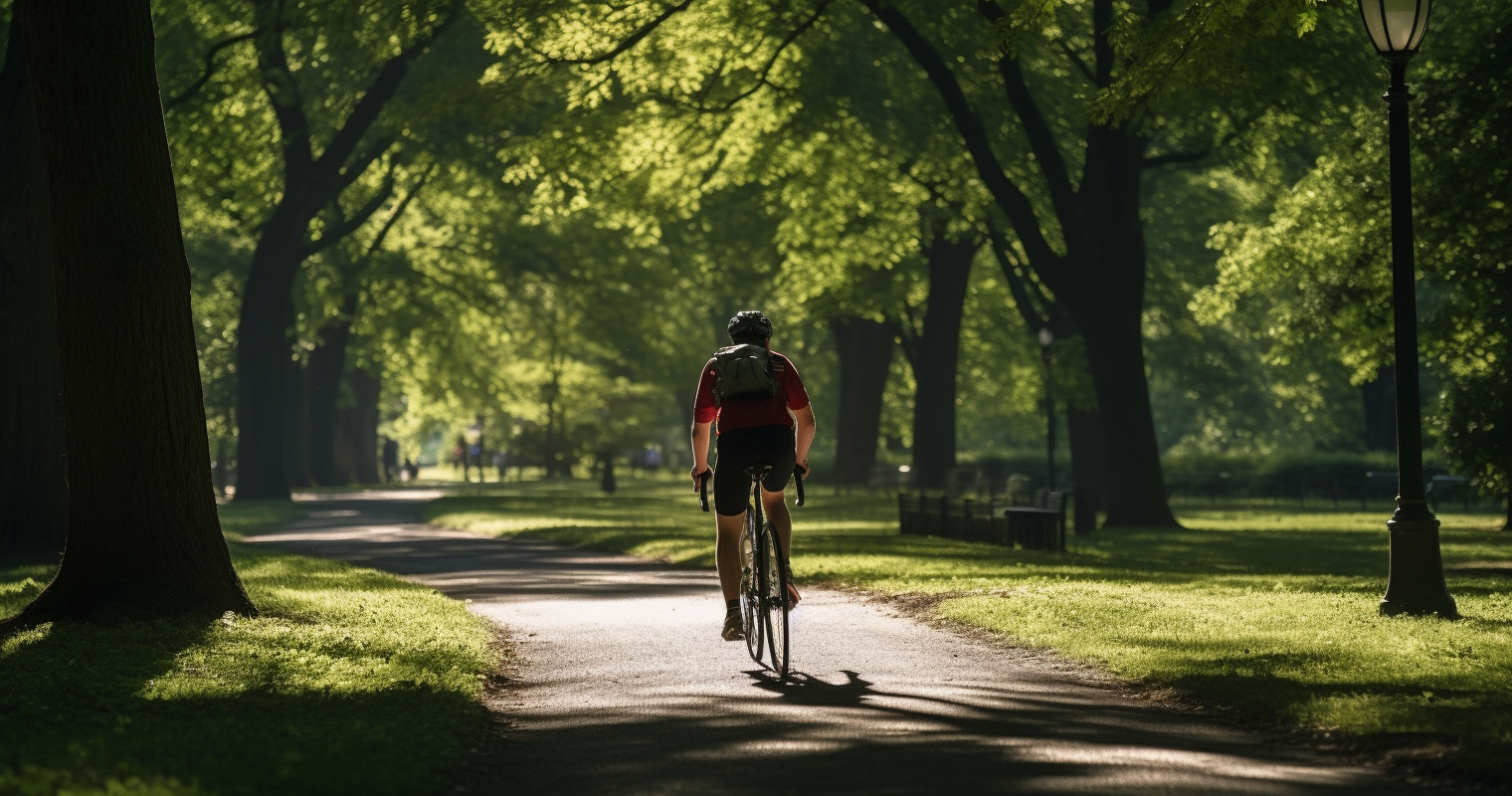
South Africa is a nation of devoted recreational and competitive cyclists, blessed with some of the planet’s most breathtaking riding landscapes, yet it has not developed into a commuter-cycling culture on the same scale as the Netherlands or Denmark. Cycling infrastructure varies dramatically from one area to the next, and road safety presents a genuine challenge — but the sport and leisure cycling community is vibrant and welcoming, making it a thrilling, if demanding, place for expats who love two wheels.
| Item | Details |
|---|---|
| Helmet law | Mandatory for all cyclists on public roads (National Road Traffic Act, Regulation 207) |
| Freeways | Cycling on freeways is illegal |
| Bike registration | Not mandatory for standard bicycles |
| Insurance requirement | Not legally required for standard bicycles; recommended |
| E-bike classification threshold | ≤250W, pedal-assist only, ≤25 km/h = treated as bicycle (NRTA) |
| Key cycling events | Cape Town Cycle Tour (109 km, held annually in March since 1978); numerous other races year-round |
| National cycling body | Cycling South Africa (cyclingsa.com) |
| National road safety authority | Arrive Alive (arrivealive.mobi) |
How popular is cycling in South Africa — is it a common way to get around?
Cycling in South Africa occupies a curious and sometimes contradictory position. As a sport and leisure pursuit, it enjoys enormous popularity, supported by an enthusiastic and rapidly expanding community of road cyclists and mountain bikers. As a practical means of getting from A to B on a daily basis, however, cycling remains far less embedded in South African life than in countries where the bicycle is a default transport choice.
Thousands of riders take to the roads every day — and in far greater numbers at weekends — accumulating serious kilometres. Yet persuading recreational cyclists to trade their weekend kit for commuter practicality remains one of the pressing challenges for urban planners and transport policymakers. Expats arriving from cities like Amsterdam or Copenhagen, where pedalling to work is entirely unremarkable, will find this disconnect immediately apparent.
There is also a cultural element at play. Riding a bicycle for sport and fitness is widely seen as aspirational, whereas cycling as a means of commuting has not yet shed associations with lower social status in the way that it has in many northern European cities. This perception gap shapes both the demand for cycling infrastructure and the way cyclists are treated on the road.
Even so, growing numbers of South Africans — Capetonians especially — are embracing cycling with real enthusiasm. The competitive and recreational cycling calendar is packed, with well over 100 organised events held across the country every year. Since 1978, the Cape Town Cycle Tour has brought together riders of every age and ability for a 109 km circuit of the Cape Peninsula each March — an event that has become a fixture of the South African sporting calendar for nearly half a century.
From rugged coastlines to towering mountain passes and sweeping savannah plains, South Africa’s riding environments are genuinely exceptional. Smooth tarmac roads, scenic gravel tracks, and established mountain biking networks give riders of all styles and abilities somewhere to thrive. For expats who arrive with a passion for cycling, a warm and active community will be ready to welcome them.
What is the cycling infrastructure like in South Africa?
South Africa’s cycling infrastructure tells two very different stories depending on where you are. Certain urban centres have made tangible investments in dedicated cycle lanes and shared-use paths, while the majority of suburban and rural areas offer cyclists little or no dedicated provision. The resulting network is fragmented and patchy — a stark contrast to countries like Germany or the Netherlands, where cycling infrastructure forms a continuous, nationally coordinated system.
As cycling grows in appeal both as an environmentally conscious transport choice and a healthy activity, municipalities have been extending their cycle lane networks. However, the discontinuity of these lanes remains a persistent problem, undermining both the quality of the riding experience and the safety of those who use them.
Cape Town is generally regarded as the city that has invested most heavily in cycling infrastructure. Between 2012 and 2017, cycle lanes and pedestrian corridors appeared across a wide range of areas as city planners worked towards a more integrated, multi-modal transport system. Progress has not been straightforward, however. The city subsequently announced it would close a number of these cycle lanes and pedestrian thoroughfares, citing concerns about crime and safety in those spaces. This is a sobering reminder for expats: infrastructure that appears on maps may no longer be accessible or usable on the ground.
The distribution of existing infrastructure is also far from equitable. Research has shown that historically disadvantaged areas such as Langa have only a single cycle lane, while suburbs like Rondebosch enjoy considerably greater provision — and that the connectivity of cycling routes in Langa falls well short of the standard needed to enable direct, practical travel.
In Johannesburg, the road network was not originally conceived with cyclists in mind, though the city’s integrated transport plan commits to building high-quality dedicated cycle lanes and connecting cycling infrastructure to public transport hubs. The gap between stated ambitions and the actual experience of riding through the city, however, remains wide. Infrastructure commitments alone do not automatically produce a cycling culture.
At the national level, the Department of Transport has gazetted its National Land Transport Strategic Framework (NLTS) for 2023–2028, which sets out the government’s vision for transport infrastructure. While it is a guiding document rather than a detailed delivery plan, it proposes that municipalities provide a minimum of 2-metre-wide footways and 1.5-metre-wide cycle lanes, and emphasises the importance of drawing new cyclists and pedestrians onto the network through improved provision. Expats should consult the Department of Transport website and their local municipal transport authority for up-to-date infrastructure plans and route information in their specific area.
Is cycling safe in South Africa?
For anyone planning to cycle in South Africa, road safety is a critical consideration. The country records high overall rates of road traffic fatalities, and while cycling-specific data is not consistently published in isolation, cyclists are exposed to the same hazards as all other road users — and often with less protection. The combination of high-speed traffic, uneven road surfaces in some areas, and limited dedicated cycling provision means that riders need to be constantly alert.
The growing popularity of both competitive road cycling and cycling as a form of daily transport inevitably brings more riders into contact with these risks, and serious accidents do occur among both groups. As cycling numbers increase, so too does the urgency of addressing the conditions that put riders at risk.
Research into the habits of Cape Town commuter cyclists reveals a telling pattern: many prefer to take direct routes along busy arterial roads with mixed traffic rather than use the more isolated and indirect routes where dedicated cycling facilities have sometimes been installed. For these riders, being seen by drivers and taking efficient routes outweighs the theoretical benefit of a secluded cycle path. Expats assessing their own routes should factor in this dynamic when deciding which roads to use.
Bicycle theft is a further practical concern. Reports of stolen bikes are common across South African cities, and secure, monitored parking is far from universally available. Using high-quality locks and avoiding leaving a bicycle unattended in public for extended periods is strongly advisable.
On the question of visibility, wearing bright or reflective clothing and using front and rear lights is both a legal requirement and straightforward common sense (see the road rules section below). Making yourself clearly visible to other road users — through reflective gear, a brightly coloured helmet, a white front light, and a red rear lamp at night — is a basic but vital safety habit on South African roads. For the most current safety guidance and road safety statistics relating to cyclists, the Arrive Alive road safety portal is South Africa’s principal public resource and is worth bookmarking.
What are the rules of the road for cyclists in South Africa?
The National Traffic Act 93 of 1996 and the National Road Traffic Regulations together govern the requirements for cyclist safety equipment — including helmets, lights, and reflectors — specify where cycling is and is not permitted, and set out the road rules that apply equally to cyclists and motorists. Familiarising yourself with these rules before riding on public roads is essential.
The key legal obligations for cyclists in South Africa are as follows:
- Wear a helmet: South African law requires all cyclists — adults and children alike — to wear a protective helmet on public roads. The helmet must fit correctly and the chin strap must be properly fastened. This is comparable in principle to mandatory helmet laws in countries such as Australia. Enforcement has historically been inconsistent, but the legal obligation is unambiguous.
- Ride on the left: Cyclists must keep to the left side of the road. South Africa, like the UK, Australia, and Ireland, drives and cycles on the left.
- Ride in single file: On public roads, cyclists are required to ride in single file, with the sole exception of when one rider is overtaking another pedal cyclist.
- Obey traffic signals: Cyclists are subject to all standard road rules — including stopping at red lights and stop signs — in the same way as any other vehicle.
- No freeways: Cycling on freeways and any other roads designated as closed to bicycles is prohibited.
- Use cycle lanes where available: When riding on a public road where a dedicated bicycle lane exists, cyclists are required to use it. In the absence of a designated lane, cyclists may use any road that is open to cycling.
- No riding on pavements: Cycling on footpaths is not permitted unless a sign specifically authorises it.
- Lighting requirements: Bicycles may be fitted with a white light at the front and one or more red lights at the rear. Front white retro-reflectors are also required by law.
- No headphones: Riding while wearing headphones or any other listening device — other than a medically prescribed hearing aid — is illegal.
- No alcohol: Cycling under the influence of alcohol or drugs is prohibited and carries the same legal consequences as drink-driving in a motor vehicle.
- Warning device: Every bicycle ridden on a public road must be equipped with a functioning warning device — a bell or horn — capable of giving adequate notice of the rider’s approach.
For e-bikes, the applicable rules depend on the power and speed characteristics of the machine. E-bikes that fall within the NRTA definition — a motor output of no more than 250W, pedal-assist operation only, and a maximum assisted speed of 25 km/h — are treated as standard bicycles and require no licence or registration. E-bikes that exceed these thresholds are classified as motor vehicles and must comply with the laws governing motorcycles.
The full legal text is available via the Arrive Alive website and the Department of Transport. The cycling advocacy organisation Bicycle South also offers an accessible plain-language summary of the rules for everyday riders.
Do I need to register my bike or have insurance to cycle in South Africa?
Standard bicycles in South Africa are not subject to any mandatory registration requirement. Unlike motor vehicles, which must be registered with the relevant provincial traffic authority, a pedal bicycle may be ridden on public roads without formal registration of any kind. This is consistent with the approach taken in the vast majority of countries worldwide.
Insurance is likewise not a legal requirement for standard bicycles. That said, many riders choose to take out bicycle insurance voluntarily to protect against theft, accidental damage, liability claims, or personal injury arising from an accident. Given the real and well-documented risk of bicycle theft in South African cities, arranging comprehensive cover — including theft, accidental damage, and third-party liability — is a sensible step even without any legal compulsion to do so.
A number of South African insurers offer standalone bicycle insurance policies, and cover can sometimes be added to an existing home contents policy. Premiums vary depending on the value of the bicycle and the scope of the policy. Before committing to any insurer, you can confirm that they are properly authorised with the Financial Sector Conduct Authority (FSCA), which is the body responsible for regulating insurance providers in South Africa.
E-bikes that exceed the 250W/25 km/h threshold and are consequently classified as motor vehicles under South African law are subject to third-party liability insurance requirements equivalent to those for motorcycles. If you ride a higher-powered e-bike, check the current obligations with the Department of Transport to ensure you are fully compliant.
Are there public bike-sharing or rental schemes in South Africa?
Measured against many comparable cities around the world, South Africa’s public bike-sharing provision is modest. There is no large-scale, government-backed docked bike-share network of the kind seen in Paris (Vélib’), London (Santander Cycles), or New York (Citi Bike) operating across its major urban centres. Some options do exist, however, especially for tourists and those seeking short-term access to a bicycle.
Cape Town has seen the greatest activity in this space. Various private operators have established short-term rental services catering primarily to tourists and leisure riders, concentrated in areas such as the City Bowl, the Waterfront, and the Atlantic Seaboard. These services are typically accessed via app-based booking systems with hourly or daily pricing. Because operators, pricing structures, and availability in this sector change frequently, readers should consult current listings directly or check the City of Cape Town’s transport pages for the most up-to-date information.
In Johannesburg and other major cities, established docked bike-share schemes are not yet a feature of the urban transport landscape, though informal bike rental services can be found in some neighbourhoods. The e-bike rental sector is expanding, driven largely by tourism and leisure demand. Cycling advocacy groups continue to push for more e-bike-friendly policies, including expanded lane provision and incentives for electric transport.
Visitors and new residents exploring cycling-friendly regions such as the Cape Winelands or the Garden Route will find guided bicycle tour operators and independent rental outlets offering road bikes, mountain bikes, and e-bikes. The Cape Winelands in particular is renowned for its wine estates, where cyclists can pause for tastings, farm-sourced meals, and views over terraced vines — rental bikes are readily available in towns such as Stellenbosch and Franschhoek. As with all rental services, confirm current pricing directly with operators before booking, as rates change regularly.
Where can I buy or service a bike in South Africa?
South Africa supports a well-developed cycling retail market, especially in its major urban centres. Cape Town, Johannesburg, Durban, and Pretoria all have specialist bicycle shops stocking an extensive range of road bikes, mountain bikes, gravel bikes, commuter bikes, and e-bikes — covering everything from entry-level machines to premium performance equipment.
National chains and independent specialist retailers operate side by side, and the strong road and mountain biking scenes sustain a healthy aftermarket for components, apparel, and accessories. With large numbers of riders heading out every weekend, the demand that underpins this retail and servicing ecosystem is robust — the market is considerably more developed than you might expect compared to countries with smaller cycling populations.
Second-hand bicycles can be found in good supply through online platforms, most notably Bike Hub, which is South Africa’s leading dedicated cycling marketplace, as well as through general classified advertisement sites. The quality of second-hand stock varies considerably, so having any used bike checked over by a qualified mechanic prior to purchase is well worth the effort.
Mechanical servicing and repair is readily accessible in urban areas, with many specialist shops offering a full range of workshop services. In more remote or rural parts of the country, servicing options thin out considerably — if you plan to ride in isolated areas, carrying a basic set of repair tools and essential spares is a practical precaution.
Purchases of new bicycles are covered by the Consumer Protection Act 68 of 2008, which entitles buyers to remedies where goods are found to be defective or unfit for their intended purpose — broadly comparable to consumer protection legislation in most other jurisdictions. Retain your receipts and any warranty documents whenever buying a new bike.
Can I bring my bike when I move to South Africa, and are there any import rules?
Relocating to South Africa with your bicycle is entirely possible, and there is encouraging news: personal effects — which can include bicycles — may qualify for an exemption from customs duties when brought into the country as part of a household removal. South Africa’s customs authority, the South African Revenue Service (SARS), is responsible for administering import regulations and any applicable duties.
Under SARS rules for returning residents and new immigrants, goods that have been owned and used for a qualifying period before the relocation and that are being imported as personal effects may be admitted duty-free. This exemption is not automatic, however — it is conditional on meeting specific criteria, producing the required documentation, and receiving SARS approval. Given that the rules are subject to revision, verifying the current requirements directly with SARS or a licensed customs clearing agent before shipping your bicycle is strongly recommended.
Where a bicycle does not qualify for the personal effects exemption — for instance, if it is a brand-new, high-value item being imported on a commercial basis — standard customs duties apply. Bicycles are generally classified under tariff heading 8712 in South Africa’s tariff schedule. Import duty rates on bicycles and cycling goods differ by category and are subject to periodic review by the International Trade Administration Commission (ITAC); always check the current SARS tariff schedule for the rate applicable to your specific item.
In addition to import duty, Value Added Tax (VAT) at 15% (as of 2025) is levied on most imported goods at the point of entry. Engaging a licensed freight forwarder or customs clearing agent is a practical way to navigate the process, estimate your likely costs, and ensure that all necessary paperwork — including proof of ownership and purchase — is ready before your shipment arrives in South Africa.
What are the best cycling routes or destinations in South Africa?
South Africa’s extraordinary range of landscapes places it among the world’s most rewarding cycling destinations for both leisure and competitive riders. Whatever your preferred riding style — coastal roads, mountain ascents, vineyard valleys, or technical singletrack — the country offers an abundance of options.
Cape Peninsula and Cape Town: The Cape Town Cycle Tour sends riders on a 109 km circuit around the Cape Peninsula with full road closure and enthusiastic crowds lining the route — it is one of the most celebrated cycling events in the country and a genuine bucket-list ride. Away from race day, the Peninsula’s roads and mountain trails provide outstanding year-round riding across a wide range of abilities and disciplines.
Cape Winelands: The Cape Winelands represent the heartland of South African cycling culture, with Stellenbosch as its focal point. Striking mountain backdrops frame rolling valleys of vineyards and orchards, while forest trails in Jonkershoek, Elgin, and Somerset West offer flowing singletrack and demanding climbs. The terrain ranges from gentle valley roads to steep mountain passes such as Helshoogte — ideal for riders who relish varied gradients and rewarding scenery in equal measure.
The Garden Route: Tracing South Africa’s southern coastline between Mossel Bay and Storms River, the Garden Route is one of the most visually spectacular cycling corridors on the continent. Riders encounter two ocean shores, ancient indigenous rainforest, and the wildflower plains of the Little Karoo — a diversity of scenery that is hard to match anywhere in Africa.
The Karoo: South Africa’s vast Karoo semi-desert is an increasingly popular cycling destination. The mountains can be demanding, but the panoramic vistas reward the effort handsomely. E-bikes have opened this expansive landscape up to a broader range of riders, making previously daunting terrain far more accessible.
For route planning, race calendars, and club contacts, Cycling South Africa — the national governing body — is the authoritative starting point, while Bike Hub hosts one of the most comprehensive databases of South African cycling routes and events. South African Tourism also publishes cycling tourism resources useful for visitors and newcomers alike.
Frequently asked questions about cycling in South Africa
Is it realistic to cycle to work every day in South Africa?
The answer depends significantly on your specific location and workplace. In parts of Cape Town with reasonable cycling infrastructure — such as routes along the Atlantic Seaboard or into the city centre — a cycling commute is achievable for some journeys. In Johannesburg and other large cities, a combination of infrastructure shortfalls, road safety challenges, and long travel distances makes daily cycling commuting more difficult for most people. Many expat cyclists find it most practical to combine cycling with public transport, or to use their bike for shorter trips rather than relying on it exclusively.
Do I legally have to wear a helmet when cycling in South Africa?
Yes. A properly fitted helmet with a securely fastened chin strap is a legal requirement under the National Road Traffic Regulations for all cyclists riding on public roads, irrespective of age. Child passengers under 14 must also wear a helmet. Always refer to the Arrive Alive website for the current text of the regulation.
Can I cycle on pavements in South Africa?
As a general rule, no. Cycling on footpaths is not permitted unless a sign specifically authorises it. Under South African law, cyclists are treated as vehicle operators and are expected to use the road or a dedicated cycle lane where one is available.
Is it safe to cycle alone in South Africa, or should I ride in a group?
Group riding is the strong preference among many South African cyclists — particularly recreational road riders — especially on rural roads and early-morning outings. A group is more conspicuous to passing motorists and provides an element of security. Solo cycling is not unusual, but in areas where road safety or crime is a concern, riding with others is a sensible approach. Speaking to local cycling clubs about conditions in your specific area is the best way to get informed, practical advice.
Do I need to register or licence my bicycle in South Africa?
No. Standard bicycles are not subject to any registration requirement in South Africa. Unlike motor vehicles, they do not require a registration plate or a roadworthy certificate. Some owners voluntarily record their bike’s serial number with their insurer or a theft-recovery service — this is recommended but entirely optional.
Are e-bikes allowed on cycle paths and roads in South Africa?
E-bikes that satisfy the NRTA definition — a motor output of no more than 250W, pedal-assist operation only, and a maximum assisted speed of 25 km/h — are treated as standard bicycles and may use cycle lanes and roads that are open to cycling without any licence or registration. E-bikes that exceed these parameters are classified as motor vehicles and must comply with the laws applicable to motorcycles, including registration and licensing. Always confirm the current classification rules with the Department of Transport.
What is the best way to find cycling routes and clubs after moving to South Africa?
The Bike Hub website and app are the most widely used resources for discovering South African cycling routes, locating clubs, browsing events, and accessing the second-hand market. Cycling South Africa, as the national governing body, can point you towards affiliated clubs in your area. Local Facebook cycling groups and Strava route and segment databases are also popular tools within the South African cycling community for organising group rides and sharing route recommendations.
Can I bring my bicycle to South Africa when I relocate without paying import duty?
Possibly. If your bicycle meets the SARS criteria for personal effects — including having been owned and used for the required period before your move — it may qualify for duty-free importation as part of a household removal. The conditions are specific, however, and proper documentation is essential. Always check the current rules directly with SARS or a licensed customs clearing agent before your shipment departs, as requirements and applicable duty rates can change.