
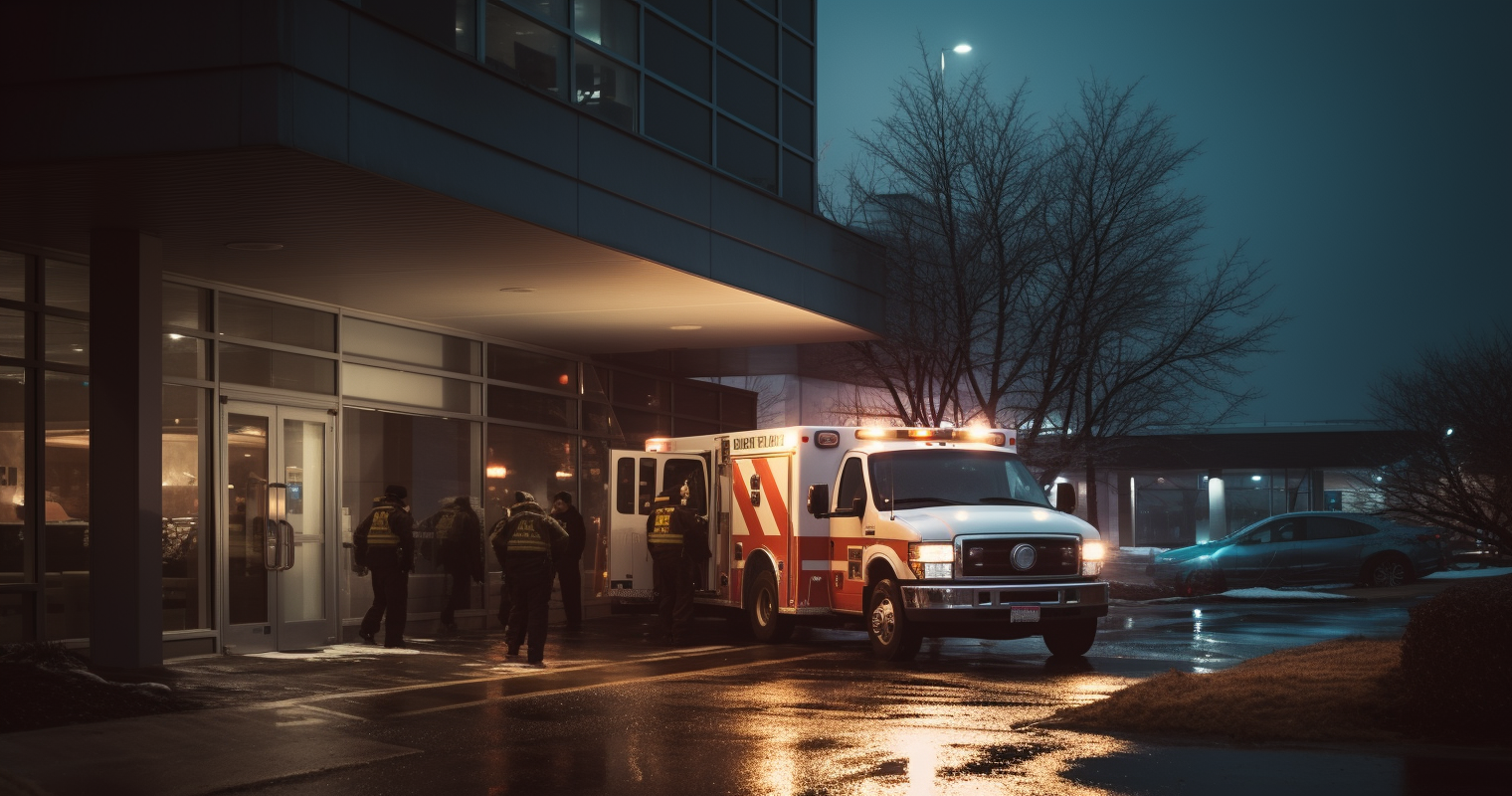
Hungary’s primary emergency contact number is 112, the pan-European line that links callers to police, fire, and ambulance services simultaneously. Each of these services also has its own dedicated national number. Emergency first aid is guaranteed to everyone present in Hungary regardless of their nationality or insurance situation, though the costs of any treatment that follows will depend on your residency status, the coverage your insurance provides, and any bilateral health treaties that may apply to your home country.
| Item | Details |
|---|---|
| Primary emergency number | 112 (free, 24/7, covers police, fire and ambulance; as of 2025) |
| Ambulance direct line | 104 (free from all phones; as of 2025) |
| Police direct line | 107 (as of 2025) |
| Fire brigade direct line | 105 (as of 2025) |
| Emergency care for visitors | Available to all; cost coverage depends on residency status and bilateral agreements |
| EHIC holders (EU/EEA) | Entitled to medically necessary treatment on same terms as Hungarian residents |
| Ambulance response time | Within 15 minutes nationwide; air ambulance covers 85% of territory (as of available data) |
| On-call medical service | 1830 (for non-emergency out-of-hours GP care; as of 2025) |
What is the single emergency number in Hungary, and does it cover all services?
Anyone facing a life-threatening situation can dial 112 at any hour to reach police, fire, and medical responders through a single connection. This is the standard pan-European emergency number and operates in Hungary in the same way that 999 does in the United Kingdom or 000 does in Australia — one number for all serious emergencies.
The number is completely free and can be dialled from landlines, mobile phones, and public call boxes. Because it costs nothing and requires no active SIM credit or local plan, it is particularly useful for new arrivals who have not yet set up a Hungarian phone plan.
Alongside 112, Hungary maintains individual national lines for each emergency service: 104 for the ambulance and emergency medical dispatch, 105 for the fire service, rescue operations, and civil protection, and 107 for police. People with disabilities can reach emergency services via SMS sent to 112 or through the dedicated 112-SOS application.
If you are not fluent in Hungarian, dialling 112 is the recommended choice, as operators there are more likely to speak English or German, and the call centre has access to a larger pool of interpreters covering a range of languages. This can be critical when every second counts. Should you call a service-specific number and run into a language barrier, you can always end the call and redial 112 instead.
For urgent but non-life-threatening out-of-hours GP needs, the medical on-call line is 1830, and patient transport can be arranged by calling 1820. It is worth saving both numbers alongside the emergency lines so you can reach the right service promptly in any situation.
How do you call for emergency medical assistance in Hungary?
The toll-free direct line to Hungary’s ambulance emergency dispatch is 104. Your call will be automatically connected to the nearest dispatch centre. The pan-European line 112 is equally effective and provides greater access to language interpretation. Both numbers will get you connected swiftly; if you have concerns about the language of the call, 112 is the more reliable option.
When the dispatcher answers, stay calm and be ready to respond to a series of standard questions. The first and most essential piece of information is the precise location of the emergency. If you do not know the exact address, describe your surroundings as thoroughly as possible — nearby street names, landmarks, or any visible signage. It is vital to provide this clearly, as GPS geolocation is not currently available to dispatchers from either landlines or mobile phones.
You will also be asked for your name and the number you are calling from. This allows the dispatcher to call you back if the connection is lost or if responding units require additional details. After giving your location and contact details, describe what has happened as briefly and precisely as you can. Lengthy explanations are not helpful and can slow the response. The dispatcher needs to understand the severity of the situation in order to send the right resources.
Situations that typically warrant an ambulance include traumatic injuries, heavy uncontrolled bleeding, chest pain, cardiac arrest, stroke or neurological disturbances, pregnancy complications, suicidal behaviour, any form of poisoning, sudden labour, difficulty breathing, severe allergic reactions, and loss of consciousness unrelated to alcohol.
Any person in Hungary — regardless of nationality or insurance coverage — is entitled to call 104 and receive an ambulance response. Vehicles of the Országos Mentőszolgálat (OMSZ, the National Ambulance Service) are deployed to reach every part of the country within 15 minutes. Air ambulance bases located in Budaörs, Balatonfüred, Sármellék, Pécs, Szentes, Debrecen, and Miskolc extend coverage nationwide, with helicopters able to reach 85% of Hungarian territory within that same 15-minute window.
What should you do in a mental health crisis in Hungary?
Hungary does not have a single high-profile dedicated mental health emergency hotline in the same way that, for example, the United States has its 988 Suicide and Crisis Lifeline or the UK has the Samaritans on 116 123. When a mental health crisis poses an immediate danger to life — whether your own or that of another person — the correct first action is to call 112 or the ambulance line 104.
Situations involving behavioural disturbances in which a person is putting their own or someone else’s life at risk are treated as medical emergencies, as are instances of extreme psychological distress accompanied by alarming physical symptoms such as choking, laboured breathing, or loss of movement in limbs. Dispatchers are trained to evaluate these calls and coordinate an appropriate response, which may involve both medical teams and police working in tandem.
Within the public healthcare system, mental health services include general psychiatric assessments, medication-based treatment, and counselling, though availability is limited. If you are dealing with a psychiatric emergency that does not require an immediate ambulance but cannot wait for a routine appointment, you may attend the emergency department (sürgősségi osztály) of a public hospital directly. Under Hungarian law, hospital emergency departments are obliged to assess and stabilise patients in urgent circumstances regardless of insurance status.
Expats who are managing ongoing mental health difficulties rather than a sudden crisis should consider requesting a GP referral to a psychiatrist or psychologist via the public system, or attending one of the private mental health clinics — particularly those in Budapest — where English-speaking practitioners are more commonly found. Always confirm current availability and services directly with the facility, since these can change over time.
Where can you go for emergency medical treatment in Hungary?
Foreign nationals in Hungary, including tourists and short-term visitors, automatically qualify for emergency first aid at public facilities. In practice, if you are involved in an accident or experience a sudden medical episode, you will be taken to and treated at a state-run hospital. Public hospitals (kórház) are the backbone of emergency care throughout the country and operate fully equipped emergency departments.
All national and county hospitals are equipped with heliports. This includes the specialist university clinical centres in Budapest, Pécs, Szeged, and Debrecen, which are generally regarded as the most advanced public medical institutions in Hungary and are equipped to handle complex and specialist cases.
If you need urgent medical attention, you can go to the nearest public hospital on duty (ügyintézet kórház) or outpatient clinic (rendelőintézet). The surgossegi.info website provides a listing of on-duty emergency and out-of-hours services organised by location — a practical resource worth bookmarking well before you ever need it, though it is presented in Hungarian.
Private clinics and hospitals, particularly those in Budapest, offer another avenue for urgent and acute care, though at considerably higher cost. The private sector is popular with both Hungarians and foreign residents who prioritise shorter waiting times, a broader choice of specialists, and modern facilities. Many international patients in the capital prefer the private healthcare system, and a number of establishments in Budapest are set up specifically to serve non-Hungarian-speaking patients.
If you hold a valid TAJ (Hungarian health insurance) card, you can locate the doctor on call (ügyelet) in your area — there is typically one per district. If you are unsure which facility to approach, calling 112 and describing your situation as urgent but not life-threatening will direct you to the appropriate service.
Is emergency medical treatment free in Hungary, or is there a charge?
Whether or not you will face a bill depends heavily on your circumstances — your residency status, whether you hold an EHIC, and the specific treatment you receive. There is no single straightforward answer.
Non-Hungarian nationals without insurance are entitled to receive essential health services at no charge in genuine emergency or acute situations. This means no one will be refused treatment at the moment of crisis. However, receiving emergency stabilisation free of charge does not automatically mean there will be no costs thereafter — the difference between immediate crisis treatment and the care that follows is an important one to understand.
Beyond that initial moment of care, whether treatment is free will depend on whether your home country has a reciprocal health agreement with Hungary. Without such an agreement, you may be invoiced for the services you receive. It is also worth knowing that most public facilities expect payment in cash once treatment has concluded. Carry your insurance documents and a payment method with you wherever possible.
EU citizens visiting Hungary are entitled to access care at public health institutions without charge, provided they present a European Health Insurance Card (EHIC). This covers only medically necessary treatment — meaning care that cannot reasonably wait until you return to your home country, such as a sudden illness, an injury, complications during pregnancy, childbirth, or management of a chronic condition.
Expats who are legally working or studying in Hungary and paying into the social security system are covered by the National Health Insurance Fund. Those employed or enrolled in education in Hungary are required to contribute to the Health Insurance Fund, and this entitlement extends to emergency care. Tourists are also generally covered for timely first aid and emergency treatment.
Hungary’s state healthcare system is financed through the National Health Insurance Fund, and for those making social security contributions, most hospital-based care is provided without charge. That said, certain items such as prescription medicines and medical equipment may attract co-payments. Keep all receipts and invoices after any treatment — your insurer or your home country’s health authority may be able to reimburse you once you have returned.
Do expats in Hungary need travel or health insurance to access emergency care?
Although Hungarian law prevents emergency care from being withheld from anyone, the question of who bears the cost afterwards means that insurance is not merely wise but is in many cases a formal visa requirement. Certain categories of foreign nationals applying for a Hungarian visa must demonstrate proof of healthcare coverage as part of the application. This insurance should provide cover for medical expenses and repatriation to a minimum value of USD $50,000. Always confirm the current threshold directly with the official Hungarian immigration authority before submitting your application, as requirements are subject to revision.
Expats are strongly advised to secure a comprehensive international health insurance plan before arriving in Hungary. A solid policy shields you from the financial impact of unexpected medical costs in a foreign country. International plans are generally preferred because they typically include access to the best private facilities and can incorporate air evacuation to a more suitable hospital if circumstances demand it.
For most expats, the best option is an international plan rather than relying solely on Hungary’s public system. The state healthcare sector faces known pressures around staffing, ageing equipment, and lengthy waiting periods. Private insurance enables access to reputable private clinics staffed by doctors accustomed to treating international patients, with shorter waiting times and more comfortable environments.
Should you arrive without insurance and be unable to pay, you will still receive emergency stabilisation treatment. However, if a Provisional Replacement Certificate cannot be produced promptly, the healthcare provider will issue an invoice for the services rendered. Reimbursement is not available directly within Hungary, but patients may apply to their home-country health insurance institution for reimbursement according to Hungarian tariff rates after they return.
Are there bilateral health agreements entitling some nationals to reduced-cost treatment?
Hungary’s membership of the European Union is the most significant factor governing healthcare entitlements for visiting nationals from EU and EEA countries. As part of the Schengen Area, EU and EEA citizens are eligible to receive healthcare on the same basis as a Hungarian national, provided they hold a valid European Health Insurance Card (EHIC). This card entitles holders to medically necessary treatment during a temporary stay — meaning care that cannot reasonably be deferred until the person returns home, such as treatment for a sudden illness, an accident, pregnancy, childbirth, or an ongoing chronic condition.
It is important to note that the EHIC does not guarantee that treatment will be free of charge in an absolute sense — rather, it means you will be treated on the same financial terms as local residents. Since much hospital-based care is provided without cost to Hungarian residents under the National Health Insurance Fund (NEAK), EHIC holders can often access emergency hospital treatment at no direct cost, though you should verify this with the treating facility at the time of your visit.
Nationals of European Union member states, Iceland, Norway, Liechtenstein, and Switzerland can access Hungary’s national health system through the EHIC. Citizens of the United Kingdom holding a UK Global Health Insurance Card (GHIC) are also covered under a reciprocal health arrangement between Hungary and the UK. Under this agreement, British citizens are entitled to free healthcare in Hungary and Hungarian citizens receive the same in the UK. You should verify the current terms of this arrangement via the UK government’s official guidance at gov.uk/guidance/healthcare-in-hungary, as the post-Brexit framework continues to evolve.
The United States government has no reciprocal healthcare agreement with Hungary, meaning American citizens are not entitled to subsidised treatment and must arrange their own international health or travel insurance before visiting. This is broadly true for nationals of most countries outside the EU/EEA and the UK. For confirmation of any bilateral arrangement that may apply to your passport, check with Hungary’s National Health Insurance Fund (NEAK) or your country’s embassy in Budapest.
If an insured person is unable to present their EHIC at the time of receiving healthcare in Hungary, the treating provider may accept a retroactively issued Provisional Replacement Certificate (PRC). This certificate must be submitted by the patient or forwarded by fax no later than 15 days after the treatment was provided.
How does Hungary’s emergency healthcare system compare to systems expats may know?
Hungary operates a state-funded universal healthcare system administered by the National Health Insurance Fund (Nemzeti Egészségbiztosítási Alapkezelő, NEAK). In broad terms this places it in the same category as systems such as the NHS in the United Kingdom or Medicare in Australia — publicly organised and funded rather than reliant on private insurance markets as in the United States — though there are notable differences in how each operates in practice.
One key distinction from the NHS model is that while much GP and hospital treatment in the UK involves no direct billing at all, Hungary’s system incorporates patient co-payments for certain categories of service including pharmaceuticals, dental treatment, and rehabilitation. The Hungarian system also relies more heavily on its private sector than the NHS does, with a significant proportion of Hungarians themselves opting to pay for private care rather than use the state system.
Expats navigating Hungarian healthcare will typically find themselves moving between public and private options. The public system has the advantage of low cost, but can involve longer waits and variable resources. Private facilities offer faster access and more personalised care at a higher price. Expats from countries with dual public-private systems — such as France, Germany, or Australia — will likely find this dynamic broadly familiar.
Ambulance transport is provided free of charge in urgent situations to those who present a valid European Health Insurance Card and identity document. Without this entitlement, charges may be levied. The further from major urban centres you live, the harder it tends to be to find healthcare workers with language skills beyond Hungarian, which leads many expats — particularly those outside Budapest — to favour the private sector.
What emergency services exist beyond medical — police and fire in Hungary?
Hungary’s police force (Rendőrség) and fire service (Tűzoltóság) are established national services contactable through either the single 112 emergency line or their respective dedicated numbers.
The police can be reached directly on 107, or via 112 for general emergency calls. Non-urgent police matters can also be submitted online in English through the official police website at ugyintezes.police.hu/en/home. The fire service (Tűzoltóság) responds to fires and related emergencies — including flooding — via the dedicated number 105.
For expats, one practical consideration compared to police procedures in some other countries is that reporting a crime or incident may require a personal visit to a local police station. If Hungarian is not your language, it is advisable to contact your embassy or consulate beforehand for guidance on how to access interpreter services or official translation assistance. For the initial emergency response, 112 offers the widest language support.
The Hungarian Automobile Club (Magyar Autóklub) provides a round-the-clock roadside emergency service on 188, covering vehicle breakdowns and other road-related problems. If you experience a breakdown on a motorway or in a remote area, this is the number to call.
Interactions with Hungarian police are generally uncomplicated. Officers have the authority to request identification from individuals, so it is wise to carry your passport or residence permit at all times. If you are detained or questioned, you are entitled to consular assistance — contact your embassy at the earliest opportunity.
Are there country-specific emergency risks in Hungary?
Hungary is a largely safe and stable country, but it does carry particular hazards that expats should familiarise themselves with before and after relocating.
Flooding: The most significant natural hazard in Hungary is flooding, especially along the Danube and Tisza river systems. Snowmelt in spring and prolonged heavy rainfall can produce serious flood events affecting riverside communities, including parts of Budapest. Hungary’s National Directorate General for Disaster Management (Katasztrófavédelem) oversees flood monitoring and emergency response. Their website at katasztrofavedelem.hu carries official alerts and preparedness guidance.
Extreme weather: Hungarian summers have become increasingly hot in recent years, with temperatures frequently climbing above 35°C. These conditions pose real health risks for older people and those with pre-existing medical conditions. Summer months also bring intense thunderstorms and occasional hail. Winters can deliver heavy snowfall and icy roads that disrupt both travel and infrastructure.
Earthquakes: Hungary sits within a seismically active part of Central Europe. Significant earthquakes are historically infrequent, but minor tremors do take place from time to time. There are no volcanic risks in the region.
Civil unrest: Hungary has a lively democratic political environment and public protests are a regular occurrence, especially in Budapest. These demonstrations are typically peaceful, but expats are advised to avoid large gatherings during periods of heightened political tension and to keep an eye on local news and their home country’s official travel advisories.
Alert systems: Hungary’s civil protection alert network is coordinated by Katasztrófavédelem. Alerts are disseminated through national and local media channels, official government websites, and in the event of an imminent threat, outdoor warning sirens. Expats should register with their home country’s embassy, which typically sends tailored travel warnings and emergency notifications to registered citizens.
What should expats do to prepare for emergencies before they arise?
Taking steps to prepare before an emergency happens can be genuinely life-saving. The following measures are strongly recommended for anyone relocating to or living in Hungary.
- Register with your home country’s embassy or consulate in Hungary. Most governments offer a registration scheme — such as the UK’s LOCATE service, the US STEP programme, or equivalents — that allows your government to contact you in the event of a crisis, natural disaster, or civil emergency. Locate your nearest embassy through the official website of your home country’s government.
- Save all key emergency numbers. Store 112, 104, 105, and 107 in your phone before you need them. Also save the contact details of your nearest embassy or consulate, your insurer’s 24-hour helpline, and your GP’s out-of-hours number, or 1830 for the general medical on-call service.
- Obtain your TAJ card if eligible. If you are working or studying in Hungary, mandatory social security contributions entitle you to coverage under NEAK. Applying for a health insurance card — known as a TAJ card — at the local health authority in your area is a straightforward process once your work permit is in order. Once you have your TAJ card, register with a local general practitioner.
- Carry your EHIC or GHIC if applicable. Visitors from EU and EEA countries can make use of their European Health Insurance Card (EHIC) in Hungary. You must apply for it before leaving your home country. Keep a digital copy on your phone as a backup in case the physical card is unavailable.
- Arrange comprehensive health insurance. Even if you are entitled to public healthcare, consider taking out supplementary private health insurance for faster access to treatment and better access to English-language medical support.
- Learn a few key Hungarian phrases. Being able to say “I need help” (Segítség!), “ambulance” (mentő), and “police” (rendőrség) could prove invaluable in a moment when technology is unavailable or has failed.
- Know your address and immediate surroundings. If the location of an emergency is unclear, you must be able to describe it verbally in as much detail as possible — GPS geolocation is not currently available to dispatchers from either landlines or mobile phones. If you live in a rural area, note down the nearest road name or visible landmark.
- Keep a small emergency kit. A basic first aid kit, any prescription medication you rely on, photocopies of essential documents (passport, insurance policy, TAJ card), and a supply of emergency cash in Hungarian forints (HUF) are all sensible precautions.
Where can expats get official and up-to-date emergency information for Hungary?
For the most reliable and current emergency information relating to Hungary, the following official sources are the best starting points:
- Hungary National Ambulance Service (OMSZ): mentok.hu/en — English-language official guidance on when and how to request an ambulance.
- Hungarian Police (Rendőrség): police.hu/en — official police information including options for online crime reporting.
- National Directorate General for Disaster Management (Katasztrófavédelem): katasztrofavedelem.hu — civil protection guidance, flood alerts, and disaster preparedness resources.
- National Health Insurance Fund (NEAK): neak.gov.hu — information on healthcare entitlements, TAJ card registration, and EHIC provisions.
- Hungary National Contact Point for Patient Rights: patientsrights.hu — guidance on healthcare rights and how the EHIC functions in Hungary.
- European Commission EHIC guidance for Hungary: Official information on using the EHIC in Hungary is available through the European Commission’s employment and social affairs portal.
- Your home country’s embassy in Budapest: Most embassies publish country-specific emergency and healthcare guidance tailored to their citizens. Locate your embassy through your home government’s official website.
- Visit Hungary (official tourism authority): visithungary.com — a concise summary of key emergency numbers for visitors to Hungary.
Always consult these sources directly before acting on any numbers or procedures, since phone lines, entitlements, and administrative processes can change. Where there is any doubt, confirm the relevant details with the appropriate Hungarian authority or your country’s embassy in Budapest.
Frequently asked questions about emergencies in Hungary
What is the most important emergency number to know in Hungary?
The single most critical number is 112, the pan-European emergency line. It is free, operates 24 hours a day every day of the year from any phone including mobiles without credit, and connects you to police, ambulance, and fire services. It also has the widest multilingual capability of any Hungarian emergency line, making it the most reliable option when you do not speak Hungarian. As of 2025, this remains Hungary’s primary emergency contact number.
Will an ambulance be sent to me even if I have no insurance?
Yes. Any person in Hungary — regardless of citizenship or insurance status — can call 104 and receive an ambulance response. Emergency treatment will not be refused. However, depending on your status, you may receive an invoice for the treatment that follows. Carrying travel or international health insurance is strongly recommended to protect yourself against unexpected medical costs.
Can I use my EHIC card in Hungary for emergency treatment?
Yes. A valid European Health Insurance Card (EHIC) entitles you to medically necessary treatment during a temporary stay in Hungary — that is, care that cannot be safely delayed until you return home. Present the card to the treating facility. If you do not have your card with you, the provider may accept a retroactively issued Provisional Replacement Certificate (PRC), which must be submitted within 15 days of the treatment being provided.
Are there English-speaking staff at Hungarian hospitals and emergency services?
All foreign nationals are entitled to receive free emergency healthcare regardless of origin. While it is not guaranteed that every medical facility will have staff fluent in English, the emergency services call centres employ a significant number of multilingual operators. Language barriers are more commonly encountered the further you are from major cities. In Budapest, private clinics are generally well-equipped to handle international patients, and many have English-speaking staff as a matter of course.
What should I do if I have a medical emergency but I’m in a rural area of Hungary?
Call 112 immediately. The National Ambulance Service (OMSZ) is deployed to reach every location in Hungary within 15 minutes at the most. Air ambulance bases spread across the country ensure that helicopters can reach 85% of Hungarian territory within the same 15-minute window. Stay on the line with the dispatcher and describe your location as clearly as possible, including nearby road names, landmarks, or any distinguishing features of your surroundings.
Is there a dedicated mental health crisis line in Hungary?
Hungary does not currently operate a single, nationally prominent dedicated mental health emergency line comparable to those available in some other countries. In a life-threatening mental health emergency, you should call 112 or 104 without delay. For non-acute mental health concerns, your GP can refer you to a psychiatrist through the public system, or you may contact a private clinic. Always confirm the current availability of crisis support services with your local health authority or embassy, as these may be updated over time.
Do I need to pay upfront for treatment at a Hungarian hospital?
In genuine emergencies, treatment is provided first and payment comes after. In non-emergency situations, Hungarian hospitals and clinics typically require payment prior to commencing treatment. Most public facilities expect cash payment at the conclusion of your visit. To avoid delays once the emergency phase is resolved, carry your insurance documentation, EHIC if applicable, and a suitable means of payment whenever you leave the house.
Where do I report a crime as an expat in Hungary?
For any emergency involving crime, call 107 (police directly) or 112. For non-emergency incidents such as theft or fraud, attend your nearest police station in person. General police matters can also be reported online in English via the official police website at ugyintezes.police.hu/en/home. If you encounter a language barrier during a police interaction, contact your embassy or consulate for advice on obtaining interpreter support or official translation assistance.