
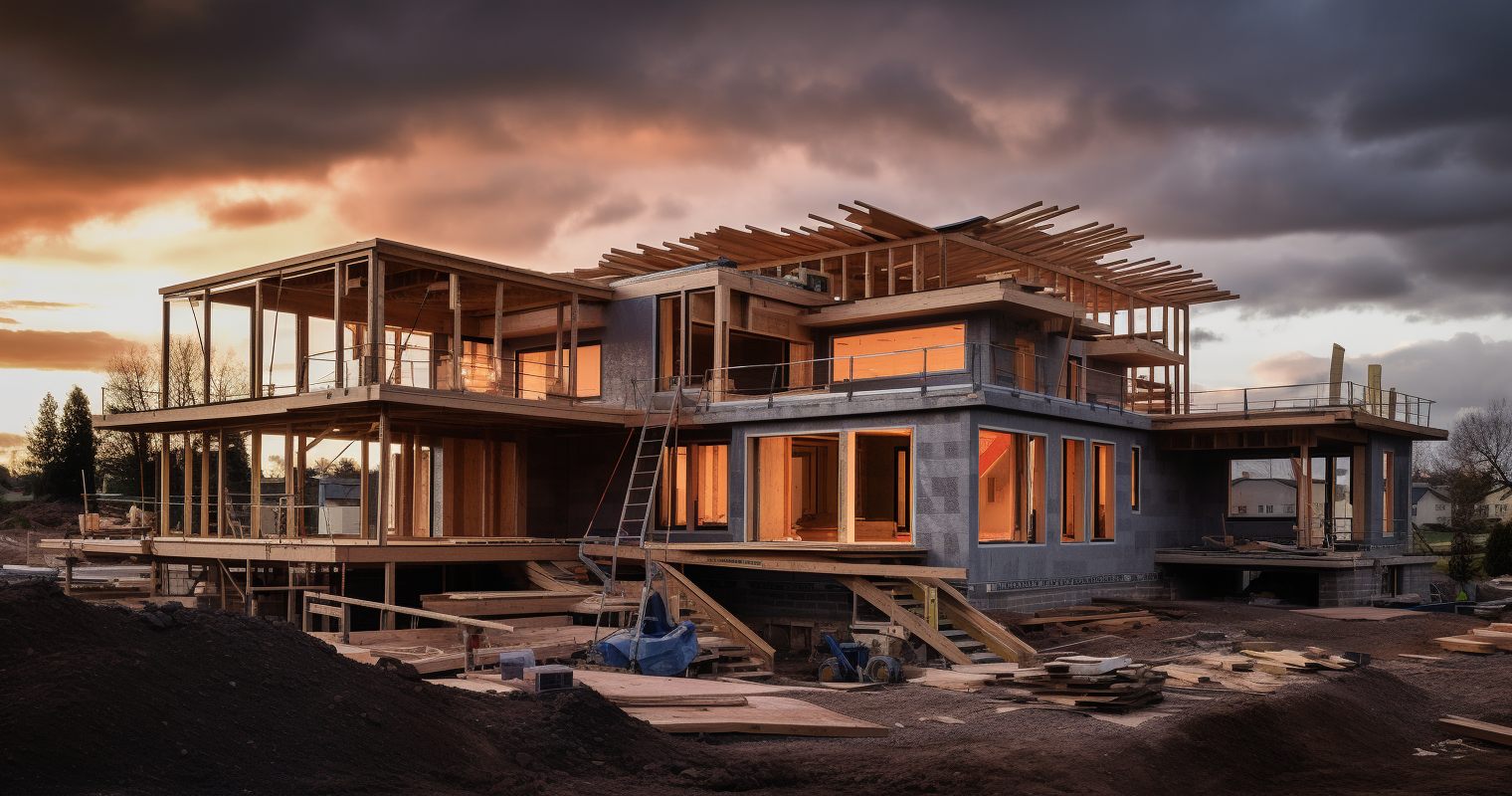
Constructing or renovating a property in Cuba is a tightly controlled undertaking subject to state oversight at every stage. Any permanent structural modification, new construction, or substantial addition requires a construction licence to proceed legally. Foreign nationals encounter stringent ownership limitations — in most cases, only those holding Cuban permanent residency are permitted to acquire property — and the building sector operates under sustained government supervision. Compounding these challenges are chronic shortages of materials, bureaucratic bottlenecks, and an intricate framework of heritage protections.
| Item | Details |
|---|---|
| Construction licence required? | Yes, for all new builds, extensions, and structural modifications (as of 2024) |
| Permit processing time | Approx. 30 working days per stage (as of 2024) |
| Building permit fee (non-resident individual) | 250–375 Cuban pesos in stamps (as of 2024) — verify current figures with your local DMOTU |
| Foreign entity permit fee | 350–750 Cuban pesos (as of 2024) — verify current figures |
| Property transfer tax | 4% of declared/reference value, paid by buyer and seller (as of 2024) |
| Foreign ownership rule | Generally restricted to those with Cuban permanent residency, except where state-authorised |
Do you need planning permission to build or renovate a property in Cuba?
In Cuba, a construction permit is an obligatory technical-administrative document covering projects such as the erection of new homes, the enlargement of existing ones, or structural alterations to buildings. Unlike more decentralised systems — such as those found in Canada or Australia, where planning decisions rest with state or municipal authorities and local variation is considerable — Cuba operates a nationally unified regulatory structure administered through municipal branches of a central planning authority.
A building permit is only triggered where the proposed works are of a self-construction nature. Routine maintenance aimed at preserving a property’s condition does not require one. Certain upkeep and conservation tasks — such as replacing windows, waterproofing a roof, or carrying out internal works that leave the structure and façade unchanged — fall outside the permit requirement. However, any alteration to the exterior, addition of a new room, extension to the footprint, or structural intervention brings the permit requirement into effect.
It is important to note that, under Cuban regulations, a Construction Licence will not be granted for extensions or any works that increase the residential capacity of a home where the owner lets all or part of it; for the construction or enlargement of homes used for commercial purposes, with the exception of ranches, porches, pergolas, and gazebos associated with the dwelling; or for the installation of swimming pools.
Building permits are applied for at the municipal territorial planning and urban planning departments, which are present across all 167 municipalities in the country and in the delegation of the special municipality of Isla de la Juventud. These offices — known by the acronym DMOTU (Dirección Municipal de Ordenamiento Territorial y Urbanismo) — are open Monday to Friday from 8:00 am to 5:00 pm.
The application process follows a defined sequence of steps:
- Engage the community architect. Your first point of contact must be the architect assigned to the community in which the construction is planned. This professional will prepare the executive project for the works, or alternatively you may request a technical certificate from another suitably qualified individual to produce it.
- Obtain the Certificate of Urban and Territorial Regulations. The executive project is developed on the basis of the Certificate of Urban and Territorial Regulations, which is issued by the DMPF (Municipal Directorate of Physical Planning).
- Commission the executive project. Fees are calculated according to the complexity of the work. Projects of low, medium, and high complexity are charged at 180, 240, and 300 Cuban pesos in cash respectively (as of 2024 — confirm current figures with your local DMOTU).
- Submit the project for review. The completed executive project is presented to the relevant official of the Physical Planning Institute covering the territory where the property is situated. Upon approval, the Construction Permit is issued.
- Receive the Construction Licence. The review period for the project runs to 30 business days from submission. A further 30 business days are then allowed for the Construction Licence to be issued following delivery of the approved project (as of 2024).
The cost of the building permit is payable in stamps and is calibrated to the complexity of the proposed works, with natural persons always paying less than any other category of legal entity. Cuban residents who are natural persons pay between 5 and 15 Cuban pesos. Natural persons not resident in Cuba pay between 250 and 375 Cuban pesos (as of 2024). Branches, agents, and representatives of foreign entities established in Cuba pay between 350 and 750 Cuban pesos (as of 2024). Always verify these amounts directly with your local DMOTU or the Instituto de Planificación Física, as fees are subject to revision.
A construction permit is valid for one year from the date of issue. If work has stalled or not begun by the time that period expires, the permit holder must seek an extension. Non-compliance with these requirements can attract financial penalties, as a municipal inspection body exists specifically to monitor adherence to the regulations.
What are the rules around listed buildings, conservation areas, and heritage protection in Cuba?
Cuba has established a thorough heritage protection framework that carries particular weight in historically significant urban centres. The system is grounded in national legislation and international designations rather than a property-by-property listing register of the kind familiar from, for example, the UK’s Historic England system or France’s Monuments Historiques — yet the protections it provides are serious and legally enforceable.
Old Havana and its Fortifications are safeguarded by the Constitution of the Republic of Cuba and by National Monuments Commission Resolution 3/1978, which designated the historic urban centre as a National Monument. This designation was made in application of the Ley de Protección al Patrimonio Cultural (Law on the Protection of Cultural Property, Law No. 1 of 4 August 1977) and the Ley de Monumentos Nacionales y Locales (Law on National and Local Monuments, Law No. 2 of 4 August 1977).
Cuba’s national heritage authority is the Consejo Nacional de Patrimonio Cultural (National Council of Cultural Heritage), which functions under the Ministry of Culture. In Havana, the Oficina del Historiador de la Ciudad de La Habana (OHCH — Office of the City Historian) holds special statutory powers over the conservation and restoration of Old Havana, making it the decisive authority for anyone considering works in or near that UNESCO World Heritage Site.
Where a property falls within a heritage site, any project must conform to the requirements laid down by the monuments and public heritage authorities. In designated historic zones, this means that all renovation plans must receive review and approval from the relevant heritage body before a construction licence can be obtained. Carrying out work that alters the external appearance, structural character, or historical fabric of a protected building without prior authorisation is a serious legal offence and may result in mandatory reinstatement at the property owner’s expense.
Cuba holds several additional UNESCO World Heritage Sites beyond Old Havana, among them Trinidad and the Valle de los Ingenios, the Archaeological Landscape of the First Coffee Plantations in the South-East, and the historic city centre of Cienfuegos. Properties situated in or immediately adjacent to these areas attract heightened scrutiny. Any prospective buyer considering a property in a historic town or city should consult both the local DMOTU branch and the Consejo Nacional de Patrimonio Cultural in advance, in order to establish whether the property lies within a protected zone and what constraints apply.
There is no single publicly accessible online register comparable to the UK’s National Heritage List that individuals can conveniently consult from overseas. The pragmatic approach is to retain a qualified Cuban lawyer or notary prior to purchase, who can obtain written confirmation from the relevant municipal authority regarding the protection status of any property or land parcel under consideration.
What permits and licences are required when building or renovating in Cuba?
In addition to the core construction licence, a building or renovation project in Cuba will ordinarily require a number of supplementary approvals. The specific combination depends on the nature, scale, and location of the works, but the following are the most frequently encountered.
Certificate of Urban and Territorial Regulations. This foundational document, issued by the DMPF, defines what may and may not be built on a given plot. It is a mandatory technical-administrative requirement prior to any urban, architectural, or construction activity, ensuring conformity with planning regulations and applicable technical standards.
Surface Rights Resolution (Superficiario). A resolution confirming the Superficiario of the land is issued by the Dirección Municipal de Ordenamiento Territorial y Urbanismo. For new construction on vacant plots, this document establishes the right to build on the surface of state-owned land — a critical distinction in a country where the state retains ultimate ownership of the majority of land.
Evidence of ownership or land-use rights. For new construction, documentary proof of ownership of the land on which building is proposed must be provided. In other circumstances, title to the land or existing property must be submitted as part of the application.
Ministry of Agriculture authorisation. Where a house is to be constructed through own-effort on a rustic farm owned by a small farmer, authorisation from the Ministry of Agriculture and the approval of the National Association of Small Farmers (ANAP) are required in addition to the standard documentation.
Certificate of occupancy (Habitabilidad). A habitability certificate is required for new or fully rebuilt homes. It is obtained once construction is complete and confirms that the building satisfies the relevant habitability standards. Without this certificate, the property cannot be legally registered or occupied.
Notarial registration. All required formalities must be completed before a notary public, after which the contract must be entered into the Land Registry to acquire legal validity. Notarial stamp duty is payable in addition to any cash payments.
Environmental permits may additionally be required for projects situated near protected natural areas, coastlines, or wetlands. Cuba maintains a dedicated environmental regulatory framework administered by the Ministerio de Ciencia, Tecnología y Medio Ambiente (CITMA). For larger or commercially oriented projects, a formal environmental impact assessment may be compulsory. Confirm current requirements with CITMA or your local DMOTU before commencing any work in ecologically sensitive locations.
How do you find a reliable, trustworthy builder in Cuba?
The Cuban government controls nearly all aspects of housing-related matters and the supply of building materials. Historically, the construction industry was dominated by state enterprises, though reforms introduced from 2011 onwards have progressively permitted private and cooperative contractors to operate. Alongside an increased role for independent workers and non-agricultural cooperatives — which once represented 6% of workers on construction projects and have since grown to around 9%, with expansion concentrated mainly in maintenance works — the private sector share has continued to rise, though the overall landscape remains complex.
Private builders operating within the law in Cuba must be registered either as trabajadores por cuenta propia (self-employed workers) or as members of a cooperativa no agropecuaria (non-agricultural cooperative). Since 2021, Cuba has also permitted the establishment of private micro, small, and medium enterprises (MiPyMES), a number of which are active in the construction sector. Before engaging any contractor, ask to see their registration certificate and tax identification number (NIT).
The Cámara de la Construcción de Cuba and the state-linked Unión de Empresas Constructoras (UEC) oversee larger construction enterprises. For smaller domestic works, the Ministerio de la Construcción (MICONS) is the principal regulatory body. Cuba does not yet maintain a publicly searchable national register of licensed private builders comparable to, for example, the UK’s TrustMark scheme or Australia’s building licence registers, but MICONS can provide guidance on approved contractors. Contact MICONS at: Calle 4 No. 101, entre Línea y 11, Vedado, La Habana, Cuba; website: www.micons.cu.
Practical steps for vetting a builder in Cuba include:
- Request proof of registration as a self-employed worker, cooperative member, or MiPyME, and verify their NIT.
- Seek references from former clients, and in particular from any other foreign nationals or expats for whom they have completed work.
- Insist on a written contract in Spanish — have it translated and reviewed by a Cuban lawyer — that specifies the scope of work, timescales, materials to be used, and payment schedule.
- Structure payments in stages tied to agreed milestones rather than handing over a substantial deposit upfront. Paying the full amount in advance is one of the most frequent ways that expats suffer financial losses on renovation projects in Cuba.
- Account for materials shortages. Cuba experiences persistent deficits in cement, steel reinforcement, timber, and other basic construction materials. Supply-related delays are routine and must be built into all project timelines and contractual terms.
- Avoid unlicensed labour. Those who build without the necessary permissions must source materials and workers through unofficial channels at inflated black-market prices. Employing unregistered workers also exposes the property owner to fines and enforcement proceedings.
Foreign property owners are a well-known target for contractor fraud in Cuba. Exercise particular caution with individuals who approach you unsolicited offering to oversee your renovation, claim to have special government connections, or demand full payment in foreign currency before any work has commenced. Always engage a Cuban lawyer to review construction contracts before signing.
How do you find a qualified local architect in Cuba?
Architecture is a regulated profession in Cuba. Architects must hold a degree from a recognised Cuban university and be enrolled with the Unión Nacional de Arquitectos e Ingenieros de la Construcción de Cuba (UNAICC) — the National Union of Architects and Engineers of Construction of Cuba. UNAICC functions as both a professional association and a regulatory body, setting and maintaining standards for architectural and engineering practice across the island.
UNAICC contact details:
Address: Calle 17 No. 323 e/ H e I, Vedado, La Habana, Cuba
Website: www.unaicc.cu
As contact details and websites change, confirm current information directly before writing.
The community architect (Arquitecto de la Comunidad) occupies a particularly pivotal role within Cuba’s planning framework. To obtain a Construction Licence, the executive project must be produced by an empowered entity — currently a Community Architect — or a technical certification of the project must be provided if it has been prepared by other authorised personnel. Community architects are based within local planning offices and serve as the primary point of contact for the vast majority of domestic building projects. Your local DMOTU office can direct you to the community architect with responsibility for your area.
For larger or more specialised projects, UNAICC can provide referrals to registered architects with relevant experience in specific building types or localities. When engaging an architect as a foreign national, the following considerations apply:
- Language: Cuban architects conduct all work in Spanish. If you are not proficient in the language, engage a professional interpreter or a bilingual Cuban lawyer to assist with briefing sessions and contractual negotiations.
- Local knowledge: An architect who is familiar with the specific municipality in which your project is located will have a working understanding of local planning sensitivities, heritage constraints, and the expectations of DMOTU officials — factors that can substantially affect the smoothness of the permit process.
- Overseas qualifications: Architectural credentials from other countries are not automatically recognised in Cuba. All design and technical documentation submitted as part of a Cuban planning application must comply with Cuban standards and be certified by a professional registered in Cuba.
- Fee structure: Agree all fees in writing before work begins. Architectural fees in Cuba are typically quoted in Cuban pesos or, for foreign clients, in freely convertible currencies. Clarify the applicable currency and payment method at the outset.
What are the common pitfalls when buying land to build on in Cuba?
While the Cuban property market broadly operates within the legal framework established by recent reforms, a number of ambiguities and legacy complications remain, requiring foreign nationals to undertake very thorough due diligence before entering into any real estate transaction. The pitfalls most commonly encountered by expats and foreign nationals are outlined below.
Confirming that a build can actually receive approval. Never purchase land or property on the assumption that planning permission will follow. Before committing to any purchase, obtain a Certificate of Urban and Territorial Regulations from the DMOTU. This document will confirm the zoning classification of the land, the uses that are permitted, and the relevant building parameters — including height, footprint, and setback requirements.
Title integrity and ownership history. Declared property values are rarely reflective of prices actually paid, and title histories can be complicated by the nationalisations carried out after the Revolution of 1959. All required formalities must be completed before a notary public, and any contract must be registered with the Land Registry to be legally valid. Always instruct a qualified Cuban notary or lawyer to conduct a full title search through the Registro de la Propiedad (Land Registry) before signing any document.
The distinction between land ownership and surface rights. The state retains ultimate ownership of a significant proportion of Cuban land. What is in some cases sold or transferred is not freehold ownership in the conventional sense, but rather the right to use the surface of land — known as the derecho de superficie perpetuo (perpetual surface right). Understanding precisely what you are acquiring is essential, and the title documents must be scrutinised carefully by a legal professional.
Foreign ownership restrictions. Foreigners who do not hold permanent residency are not permitted to purchase residential property in Cuba, except in cases specifically authorised by the state. This represents a significant constraint that effectively prevents most foreign nationals from directly acquiring residential property in their own name. Those who do succeed in acquiring property typically do so after establishing Cuban permanent residency, or through state-authorised structures — always take legal advice on the current rules before proceeding.
Zoning and land-use restrictions. Cuba’s land is divided into zones carrying specific permitted uses — residential, agricultural, commercial, protected natural areas, and so on. Agricultural land in particular is subject to restrictions under the Ministry of Agriculture, and constructing a house on a rustic farm owned by a small farmer requires additional authorisation from the Ministry of Agriculture as well as the approval of the National Association of Small Farmers (ANAP).
Utility availability. Cuba’s infrastructure is under severe and sustained strain. Power outages are frequent and prolonged across much of the island. Water supply and sewerage connections cannot be taken for granted even in urban areas. Before purchasing any plot, verify the availability and reliability of electricity, water, and sewerage connections with the relevant municipal utility authority. Factor in the considerable cost and practical difficulty of securing connections where they are not already in place.
Cadastral accuracy. Land boundary demarcation in Cuba can be imprecise. Obtain a current cadastral certificate (certificación catastral) from the Oficina Nacional de Hidrografía y Geodesia (ONHG) or the relevant municipal cadastral office to verify plot boundaries before completing any purchase. Boundary disputes are common and can be difficult to resolve.
Environmental and flood risk. Cuba is exposed to hurricanes and has extensive coastal and low-lying areas susceptible to flooding. For any coastal or low-lying plot, check with CITMA and local municipal authorities whether the land falls within a flood risk or coastal protection zone. In some areas, environmental restrictions entirely preclude development.
What are the rules around foreign ownership and financing for construction projects in Cuba?
Cuba’s stance on foreign property ownership has been heavily restricted for decades, though the legal landscape has evolved — and continues to evolve — in response to economic pressures. Decree-Law 288/2011 marked a pivotal shift by legalising direct property sales between individuals, with ownership capped at one urban property and one vacation property per person. Today’s legal framework rests on this regulation as its foundation.
The revised Cuban Constitution, promulgated in 2019, acknowledged for the first time since 1976 the existence of private property. This recognition, however, operates within a framework that continues to prioritise state interests and imposes significant conditions on foreign participation.
Foreigners who do not hold permanent residency are not permitted to purchase homes in Cuba except in cases authorised by the state. For the majority of foreign nationals, establishing Cuban permanent residency is therefore a prerequisite for direct residential property ownership. Residency applications are processed through the Dirección de Inmigración y Extranjería (Immigration and Foreign Affairs Directorate), and the criteria and processing timescales are subject to change — consult the Cuban consulate in your country of residence to confirm the current requirements.
For larger-scale investment projects, including commercial construction, the governing legislation is the Cuban Foreign Investment Act (Law No. 118 of 2014), which replaced the earlier Law No. 77 of 1995. Foreign investment in real estate has served as an engine of growth in many developing economies and has acted as a conduit for broader economic activity, particularly in tourism. The Cuban government has acknowledged the necessity of attracting foreign capital to supplement domestic investment. Under this framework, foreign investors typically participate through joint ventures with Cuban state entities, fully foreign-owned enterprises operating within special economic zones, or international economic association contracts.
Cuba is subject to extensive US sanctions that make it extremely difficult for American citizens to invest in Cuba or conduct business with the country without specific US government authorisation, subject to limited exceptions. This is a material consideration for US nationals — consult a lawyer with expertise in both US sanctions law and Cuban property law before contemplating any investment.
The Cuban government appears to be shifting away from its previous economic approach and is expected to allow nationals living abroad to invest in the private sector and own businesses in their homeland. As of early 2026, this policy shift is still being formalised, meaning that the rules governing foreign nationals and diaspora Cubans investing in property and construction may change in the near future. Monitor official announcements from the Ministerio de Comercio Exterior e Inversión Extranjera (MINCEX) — website: www.mincex.cu — for the latest guidance.
Local financing options for foreign nationals are extremely limited. Cuba does not operate a conventional mortgage market accessible to foreign nationals. Construction finance, where it is available at all, is typically arranged through Cuban state banks such as the Banco de Crédito y Comercio (BANDEC) or the Banco Metropolitano, but access for non-residents is tightly restricted. The majority of foreign buyers fund Cuban property acquisition and construction entirely from their own resources. Confirm current banking and financing options with a Cuban lawyer or financial adviser before developing any plans that rely on local borrowing.
What official sources should you consult when planning to build or renovate in Cuba?
Cuba’s regulatory environment is subject to frequent revision. The bodies listed below are the primary official sources to consult. Always verify that you are working from the current version of any regulation, as websites, contact details, and rules change on a regular basis.
| Body | Role | Website / Contact |
|---|---|---|
| Instituto de Planificación Física (IPF) | National physical planning authority; issues planning regulations and oversees DMOTU offices nationwide | www.ipf.cu |
| Dirección Municipal de Ordenamiento Territorial y Urbanismo (DMOTU) | Local planning office; issues construction licences; first point of contact for all permit applications | Contact your local municipality — offices are open Monday through Friday, 8:00 am to 5:00 pm |
| Ministerio de la Construcción (MICONS) | Oversees the construction industry, standards, and state enterprises | www.micons.cu — Calle 4 No. 101, Vedado, La Habana |
| Registro de la Propiedad (Land Registry) | Property title registration; essential for ownership verification before purchase | Contact through local Notaría or the Ministerio de Justicia (MINJUS): www.minjus.cu |
| Consejo Nacional de Patrimonio Cultural | Heritage protection authority; oversees protected buildings and historic zones | Under the Ministry of Culture: www.min.cult.cu |
| Oficina del Historiador de la Ciudad de La Habana (OHCH) | Heritage and conservation authority for Old Havana; essential for any work in Havana’s historic centre | www.ohch.cu |
| Ministerio de Ciencia, Tecnología y Medio Ambiente (CITMA) | Environmental permits and impact assessments | www.citma.cu |
| Ministerio de Comercio Exterior e Inversión Extranjera (MINCEX) | Foreign investment regulations and joint venture approvals | www.mincex.cu |
| Unión Nacional de Arquitectos e Ingenieros de la Construcción de Cuba (UNAICC) | Professional body for architects and engineers; source of qualified professional referrals | www.unaicc.cu — Calle 17 No. 323, Vedado, La Habana |
| Dirección de Inmigración y Extranjería | Residency applications for foreign nationals wishing to establish Cuban permanent residency | Via local immigration offices; consult the Cuban consulate in your country of residence |
An online building permit application is also accessible through the official citizen portal. The national citizen services portal — www.redisla.gob.cu — offers guidance on a range of administrative procedures including construction licences. Internet connectivity in Cuba can be unreliable, however, and for complex projects it is advisable to visit offices in person and retain a local lawyer or notary to assist with submissions.
Frequently asked questions
How long does a typical renovation project take in Cuba?
Timeframes are highly unpredictable and tend to run considerably longer than in most other countries. The permitting process alone may take two to three months when all documentation is in order, given the consecutive 30-working-day review stages involved. Construction itself is routinely interrupted by shortages of materials — cement, steel reinforcement, and timber are regularly in short supply across the island. A modest renovation that might be completed in six to eight weeks elsewhere can readily stretch to six months or longer in Cuba. Substantial contingency time must be incorporated into any project plan.
What happens if planning rules are breached in Cuba?
Authorities have the power to reverse unauthorised improvements, including demolishing exterior walls, new balconies, additional rooms, and other unapproved additions. Financial penalties are imposed by the municipal inspection body responsible for monitoring compliance with the regulations. In heritage zones, the consequences are more severe. A route to retrospective legalisation does exist, but it entails additional fees and approval is not guaranteed. Structural work must never be commenced without a valid construction licence in place.
How much does building or renovating a property in Cuba typically cost?
Establishing reliable cost benchmarks for construction in Cuba is difficult, given the legacy of the dual-currency system, persistent materials shortages, and the prevalence of informal pricing. As a broad indication, labour costs for private tradespeople are lower than in Western Europe or North America, but materials can be costly or entirely unavailable through official supply channels. Foreign nationals paying in freely convertible currency will typically encounter higher price expectations. Obtain a minimum of three written quotes and have them reviewed by a Cuban lawyer or a trusted local adviser before proceeding.
Are building standards from other countries recognised in Cuba?
No. Cuba applies its own national building standards, known as Normas Cubanas, administered through MICONS and the national standardisation body ININ (Instituto de Investigaciones de la Construcción). Technical qualifications and standards from other countries — whether from Europe, North America, or elsewhere — are not automatically accepted. All design and technical documentation submitted as part of a Cuban planning or permit application must conform to Cuban standards and be certified by a professional registered in Cuba.
Can I use a foreign architect or contractor for my project in Cuba?
For routine residential projects, the planning system requires the involvement of a community architect who is registered in Cuba. Foreign architects and contractors can in principle participate in larger commercial or joint-venture developments, but this requires specific authorisation and must be structured within Cuba’s Foreign Investment Act framework. For any domestic renovation or self-build, a Cuban-registered architect must prepare and certify the executive project, irrespective of what other professionals you also choose to involve.
What should I do if I have a dispute with a contractor in Cuba?
A written contract is indispensable precisely because it provides the legal basis on which to pursue a dispute. If a disagreement arises, your immediate step should be to consult a Cuban lawyer. Cuba’s court system handles civil and commercial disputes, and the Organización Nacional de Bufetes Colectivos (ONBC) — the national network of collective law firms — can furnish legal representation. Bear in mind that pursuing litigation within a foreign legal system is a slow and expensive process. Prevention remains far preferable: vet contractors rigorously, structure payments against milestones, and have all agreements reviewed by a lawyer before you sign.
Is there a language barrier when dealing with planning authorities in Cuba?
Yes. All official correspondence, permit applications, contracts, and planning documents in Cuba are conducted in Spanish, and planning officials and notaries carry out all business in that language. Authorities are under no obligation to offer services in any other language. If your Spanish is not sufficiently fluent, you must engage a qualified interpreter and a Cuban lawyer to represent your interests. Attempting to navigate the permit process without adequate Spanish-language support is a serious risk that can produce errors, unnecessary delays, or the signing of documents whose content you do not fully understand.
Can I build a vacation or holiday home in Cuba as a foreign national?
The legal framework under Decree-Law 288/2011 permits property ownership between individuals, subject to a cap of one urban property and one vacation property per person. However, foreigners who lack permanent residency are not permitted to purchase homes in Cuba, except in cases specifically authorised by the state. Constructing a vacation home from scratch as a non-resident foreign national is therefore not straightforwardly achievable under the current framework. Possibilities may exist through investment structures under Law No. 118/2014, particularly in tourism-related developments, but these require significant legal and financial structuring. Specialist Cuban legal advice should always be sought before taking any steps in this direction.