
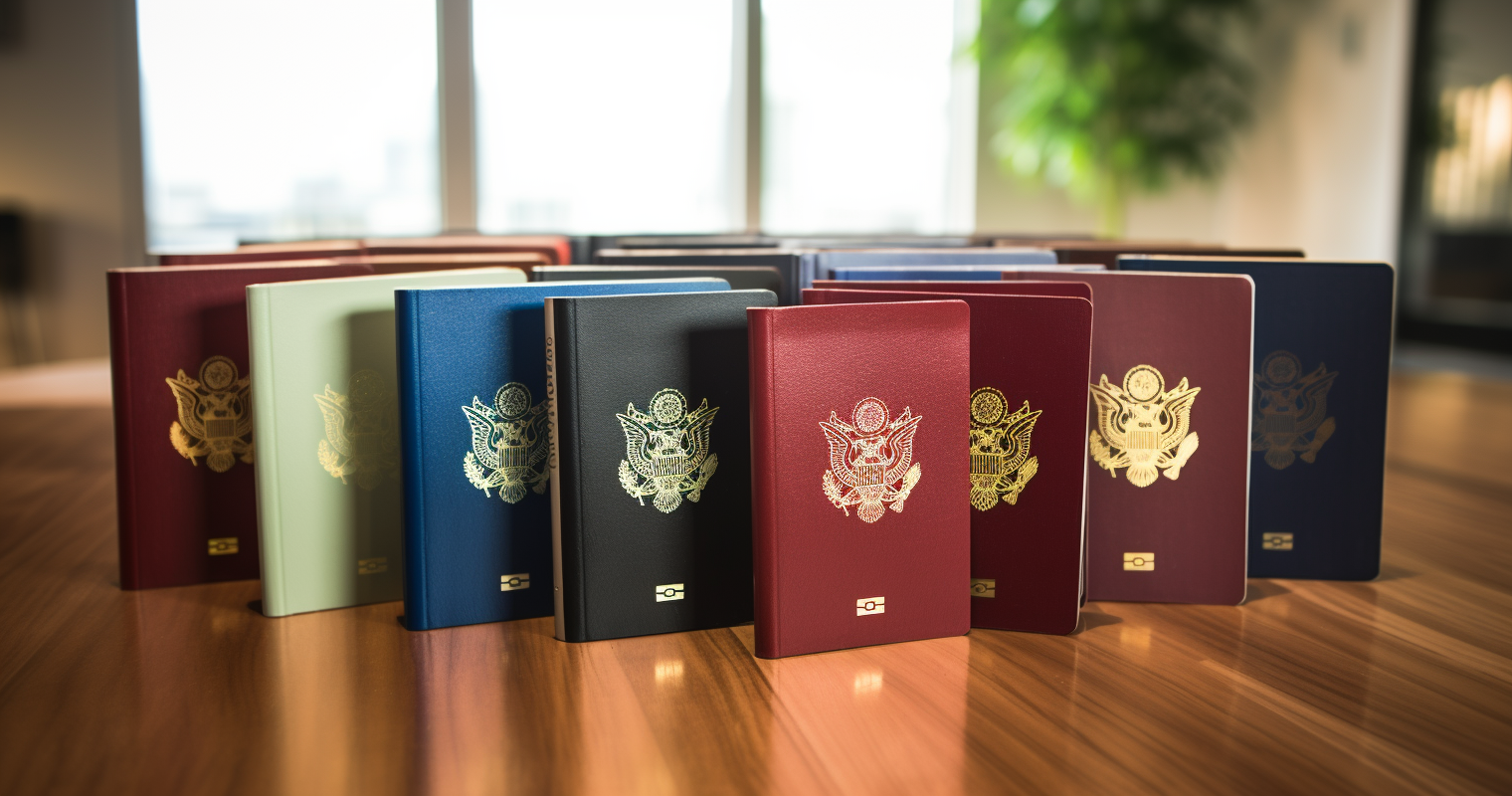
Norwegian citizenship is accessible to foreign nationals who have legally resided in Norway for a minimum of seven to eight years, satisfy language and civic knowledge requirements, and have a clean criminal record. Additional pathways exist through descent, through marriage or civil partnership with a Norwegian national, and through simplified rules for Nordic citizens. Since 1 January 2020, Norway has fully embraced dual citizenship, meaning that in most circumstances you will not be required to give up your existing nationality.
| Item | Details |
|---|---|
| Standard residency requirement | 7–8 years of legal residence within the last 11 years (as of 2025) |
| Residency for spouses of Norwegian citizens | Reduced to 3 of the previous 10 years (as of 2025) |
| Language requirement | Oral Norwegian at B1 level (Norskprøve); A2 accepted in limited cases (as of 2025) |
| Application fee (adult) | NOK 6,500 (as of January 2025) — check UDI’s fees page for current figures |
| Typical processing time | 12–30 months depending on application type (as of 2025) |
| Dual citizenship | Permitted since 1 January 2020 |
| Official body | Norwegian Directorate of Immigration (UDI) — udi.no |
Who is eligible to apply for citizenship in Norway?
The eligibility rules for Norwegian citizenship differ according to your personal situation — whether you hold a residence permit, a residence card as a family member of an EU/EEA national, whether you are a Nordic national, or whether you previously held Norwegian citizenship. Identifying which category applies to you is the essential starting point before taking any further steps.
Naturalisation after residency
The primary route to Norwegian citizenship is through naturalisation, which requires a minimum of 8 years of residence in Norway within the preceding 11 years at the time of submitting your application. In addition, applicants must be at least 12 years old, demonstrate proficiency in Norwegian or a Sami language, intend to remain in Norway permanently, satisfy a good character requirement, and not have a disqualifying criminal record. By way of comparison, the United Kingdom requires five years of residence and Australia requires four — Norway’s threshold is considerably higher, though language requirements follow a broadly comparable structure.
Those who arrived in Norway before reaching the age of 18 must have accumulated at least 5 years of lawful residence, while stateless individuals must have resided in Norway for at least 3 years. You must also hold a valid residence permit at the time UDI processes your application, or have one pending.
Citizenship by descent
Any child born to at least one Norwegian parent acquires citizenship automatically at birth, regardless of where in the world the birth takes place. All children born on or after 1 September 2006 are Norwegian citizens at birth provided their mother or father holds Norwegian citizenship. For those born before that date, the rules are more nuanced, and UDI should be consulted directly.
Citizenship by marriage or civil partnership
The residency requirement is reduced to three of the previous ten years — provided that at least one year has been spent on a valid work or residence permit — for applicants who are married to or in a registered civil union with a Norwegian national. The total duration of the relationship and joint residence in Norway is also taken into account. Foreign spouses in an official marriage, registered partnership, or cohabitation arrangement with a Norwegian citizen may obtain citizenship after residing in Norway for 5 out of the preceding 10 years, provided the couple has lived together and maintained an official relationship for at least 7 years.
Nordic citizens
EEA citizens may qualify for naturalisation after three years of residence, provided their initial residence permit was issued for at least five years, while citizens of Nordic Council member states may apply after just two years of residence. Nordic citizens have access to two distinct pathways to Norwegian citizenship: the notification route, which is a simplified procedure available to those who qualify as of right, and the standard application route.
Former Norwegian citizens
People who previously held Norwegian citizenship may apply for its restoration after two years of residence with a residence permit valid for at least one year. Those who lost Norwegian citizenship solely because they naturalised in another country prior to 2020 may be entitled to reclaim it through a notification procedure rather than a full application.
Age exemptions
Applicants under 18 and over 67 are not required to sit either the language test or the citizenship test. Norway does not operate an investment-based or “golden visa” route to citizenship — no such scheme exists under Norwegian law.
What are the steps involved in applying for citizenship in Norway?
Citizenship applications are overseen by the Norwegian Directorate of Immigration (UDI) and the Ministry of Justice and Public Security. The initial stages are primarily conducted online, but an in-person appointment is required to submit documentation. Before beginning the process, always consult the official UDI citizenship page to confirm current requirements, as these are subject to change.
- Confirm your eligibility. Do not submit an application until you are confident that you satisfy every requirement. Processing times vary, and if UDI reaches a decision on your application before you have fulfilled all the conditions, it will be refused.
- Complete the required tests. Prior to submitting your application, you must hold a valid result for the oral Norwegian language test (Norskprøve) at a minimum of B1 level, and you must have passed either the citizenship test or the social studies test. These are prerequisites that must be in place before you apply, not steps completed during the process.
- Register your application online. You must create an account on the UDI portal, where you can access the application form, review the documentation requirements, and book your police appointment.
- Pay the application fee. As of January 2025, the application fee for an adult is NOK 6,500, payable by debit or credit card during the online registration process. Always confirm the current fee on the UDI fees page before paying, as amounts are updated periodically.
- Book and attend your police appointment. You are required to appear in person at a police station to verify your identity and hand over your supporting documents. Ensure you bring every item listed on the UDI documentation checklist when you attend.
- Provide a criminal record certificate. If you are over the age of 15, you must obtain a criminal record certificate (politiattest) from the Norwegian Police and submit it with your application. The certificate must not be more than three months old at the time of your appointment.
- Application forwarded to UDI. Once you have submitted your documents at the police station, the police will transmit your application to UDI. You will receive a confirmation by email or SMS once this transfer has taken place.
- Wait for a decision. As of 2025, processing times are typically 12–24 months for naturalisation applications and 12–18 months for those based on marriage. Some applicants experience longer waits. Check the UDI website regularly for the current expected timeframe for your specific category.
- Attend the citizenship ceremony. Upon approval, you will be invited to a citizenship ceremony. These events are held once or twice a year and are designed to mark your transition to Norwegian citizenship. They are typically formal yet welcoming occasions featuring speeches and music. Those over 18 take an oath of allegiance during the ceremony.
- Apply for a Norwegian passport. After citizenship is confirmed, your first step should be to book an appointment at your local police station passport office to apply for a Norwegian passport.
Documents not in Norwegian or English must be translated by a statsautorisert translatør (state-authorised translator) — a protected professional designation in Norway that guarantees translations are accurate and officially recognised.
What tests, interviews, or ceremonies are required as part of the citizenship process in Norway?
Norwegian language test (Norskprøve)
To apply for Norwegian citizenship, you must have passed both an oral Norwegian test and either the citizenship test or the social studies test in Norwegian. For most applicants, demonstrating at least B1 oral proficiency in Norwegian is the most demanding requirement. Simply having lived in Norway for a number of years and acquired some conversational ability is not considered sufficient.
The Norskprøve is the official assessment of Norwegian language ability and is structured according to the Common European Framework of Reference for Languages (CEFR). It can be sat at levels A1–A2, A2–B1, B1–B2, and C1, and evaluates reading, listening, writing, and speaking skills. The requirement is broadly comparable in structure to the B1 English requirement for naturalisation in the United Kingdom, though Norwegian has two official written standards — Bokmål and Nynorsk — which makes it distinct.
The minimum requirement is an oral result of B1. However, a result of A2 is accepted for applicants over 55 who arrived in Norway on the basis of an application for protection or as resettled refugees, or who are over 55 and receive disability benefits. Applicants under 18 and over 67 are entirely exempt from the language testing requirement.
Citizenship test and social studies test
Alongside the language test, applicants must demonstrate knowledge of Norwegian society by passing either the citizenship test (statsborgerskapsprøven) or the civic knowledge test (samfunnskunnskapsprøven) in Norwegian. The content covers Norwegian history, political institutions, the welfare system, and aspects of everyday life in Norway. This is functionally similar to the civics assessments required in other countries, such as the “Life in the UK” test. In 2024, over 92 percent of those who sat the citizenship test passed it.
Background checks
As part of the application, you are required to submit a police certificate of conduct (politiattest) obtained from the Norwegian Police. This document verifies your criminal record both in Norway and in other countries where you have lived.
Citizenship ceremony and oath of allegiance
Every person who is granted Norwegian citizenship and is over the age of 12 is invited to take part in a citizenship ceremony. These events are held once or twice a year and formally mark the moment a person becomes a Norwegian citizen. Applicants over 18 take an oath of allegiance during the ceremony. While attendance is not a strict legal prerequisite for citizenship to take legal effect, it is regarded as a significant civic milestone. Unlike some other countries, Norway does not require a formal interview as part of the citizenship process — all assessment is document-based.
What are the benefits of Norwegian citizenship?
Becoming a Norwegian citizen confers a range of meaningful rights and practical advantages that are unavailable to permanent residents or permit holders. Although daily life for long-established residents is largely similar in practice, the legal and travel benefits associated with citizenship are substantial.
Political rights
The right to vote in, and to stand as a candidate in, elections to the Norwegian Parliament (Stortingsvalg) is reserved exclusively for Norwegian citizens. This is the most fundamental civil right that sets citizens apart from all categories of resident.
Passport and freedom of movement
Norwegian citizens are entitled to a Norwegian passport and to consular protection when travelling or residing abroad. All Norwegian nationals have an automatic and permanent right to live and work anywhere within the EU or EFTA. According to the Henley Passport Index, the Norwegian passport is among the world’s strongest, granting visa-free or visa-on-arrival entry to 173 countries and territories.
Employment in certain public roles
Norwegian citizenship is a prerequisite for certain positions within the public sector, the Norwegian Police, and the Norwegian Defence. Obtaining citizenship therefore opens career paths that remain entirely inaccessible to non-citizens, regardless of how long they have lived in Norway.
Education funding
Norwegian citizenship is generally required both to represent Norway in sport and to receive student finance from Lånekassen, the state agency responsible for funding higher education. Access to government-backed student loans and grants represents a meaningful financial benefit, particularly for families with children nearing university age.
Security of status
Unlike a residence permit, citizenship does not expire and cannot be withdrawn due to changes in employment or personal circumstances. For the purposes of most day-to-day rights and obligations — such as entitlement to national insurance, access to schooling, and tax liability — residency is generally the decisive factor rather than citizenship. However, the permanence that citizenship provides, combined with the strength of the Norwegian passport, makes it a highly valued status.
Does Norway allow dual citizenship, or will you have to renounce your existing nationality?
Norway has permitted dual citizenship since 1 January 2020. A Norwegian citizen who acquires a foreign nationality no longer loses their Norwegian citizenship as a result. Before that date, anyone who became Norwegian was required to relinquish all prior citizenships — a requirement that was abolished when the law changed.
There is no separate application or notification procedure for dual citizenship on the Norwegian side. When you submit your citizenship application, you do not need to inform UDI that you wish to retain your other nationality. The process is entirely straightforward from Norway’s perspective.
That said, it is vital to investigate the rules of your country of origin before proceeding. If your current country of citizenship does not permit its nationals to hold more than one passport, you may automatically lose that citizenship upon acquiring Norwegian nationality. Countries such as India, China, and several others do not allow dual nationality, meaning that obtaining Norwegian citizenship could result in you losing your original passport without any formal decision being made. Always consult the official immigration or foreign affairs authority of your home country before applying for Norwegian citizenship.
Revocation of Norwegian citizenship
Since 1 January 2019, dual citizens can be stripped of their Norwegian citizenship if they receive a sentence of six years’ imprisonment or more for serious offences involving war crimes, terrorism, treason, or espionage. Norwegian citizens may also choose to renounce their citizenship voluntarily; however, to prevent statelessness, renunciation is only permitted if the individual can demonstrate that they hold citizenship of at least one other state.
How long does it typically take to become a citizen of Norway?
The overall journey from first arriving in Norway to receiving citizenship depends heavily on the route you take, but for most people the process unfolds over many years. The timeline below reflects the naturalisation route, which applies to the largest share of applicants.
| Stage | Typical duration |
|---|---|
| Temporary residence permit(s) | Variable — typically several years |
| Qualifying residency period | 7–8 years (within the last 11 years, as of 2025) |
| Language and civic test preparation and sitting | Several months to 1–2 years |
| Application processing by UDI | 12–30 months (as of 2025) |
| Citizenship ceremony and passport application | Several weeks to months after approval |
As of September 2025, applicants can expect to wait approximately 30 months — around two and a half years — before receiving a decision on their citizenship application, whether that decision is positive or negative. Naturalisation applications typically take 12–24 months to process, while marriage-based applications generally take 12–18 months, though delays can arise if documentation is incomplete. It is sensible to plan for the longer end of these ranges.
Nordic Council citizens benefit from a faster route, being eligible to apply after just two years of residence in Norway. Former Norwegian nationals reclaiming their citizenship through the notification procedure may face even shorter waits. Always check the UDI website for the most current processing times for your specific application category, as these figures are reviewed and updated regularly.
What are the main reasons an application for citizenship in Norway might be refused?
A citizenship application may be rejected on a number of grounds, several of which can be avoided through careful preparation. The most frequent reasons for refusal include the following:
- Insufficient residency. Your application will be refused if you do not hold a permanent residence permit — or do not satisfy the conditions for one — at the point when UDI makes its decision.
- Applying prematurely. Submitting your application before you meet all the eligibility criteria is a common mistake. If UDI processes your case before you have fulfilled all conditions, it will be rejected and the fee will not be refunded.
- Language or test requirements not met. If you do not hold a valid B1 oral Norwegian result, or have not passed the citizenship or social studies test, your application will be refused.
- Criminal record. Applicants with a criminal history must wait for an additional “quarantine” period, the length of which depends on the nature of the offence, before they can be granted citizenship. Serious offences may result in indefinite ineligibility.
- Excessive time abroad. You must not have spent more than two months outside Norway in total during the two years immediately preceding the date on which UDI makes its decision.
- Incomplete or expired documentation. Missing documents, certificates that have not been translated by a state-authorised translator, or a criminal record certificate older than three months will prevent your application from being processed.
- Identity not established. Norway places considerable importance on identity verification. Failure to present a valid passport or other adequate identity documents is a common reason for rejection.
Is there an appeals process?
Should your application be refused, UDI will issue a written decision explaining the grounds for refusal. You have the right to lodge an appeal with the Immigration Appeals Board (Utlendingsnemnda — UNE), an independent body that reviews UDI decisions. The steps involved in appealing will be set out in your refusal letter. If the appeal is unsuccessful, it is possible to seek judicial review through the courts, though this course of action is uncommon and tends to be expensive.
Where can you find reliable, up-to-date information about citizenship in Norway?
Eligibility requirements, fees, and processing times for Norwegian citizenship are revised regularly, and the only authoritative source for current information is the official Norwegian government. While blogs, expat forums, and third-party immigration websites can provide helpful background reading, they should never be relied upon as definitive sources for specific requirements or deadlines.
- Norwegian Directorate of Immigration (UDI): The primary authority for all citizenship matters. Their English-language citizenship hub covers every route to citizenship, an eligibility checker, document checklists, current fees, and up-to-date processing time estimates. udi.no — Citizenship
- UDI Fees Page: Always confirm the current application fee before submitting. udi.no — Fees
- UDI Test Requirements: Full details of accepted language and civic knowledge tests. udi.no — Test requirements
- Norwegian Directorate for Higher Education and Skills (HK-dir): Administers the Norskprøve language test and social studies test. Consult their website for test dates, locations, and registration details.
- Immigration Appeals Board (UNE): The body responsible for reviewing appeals following a refusal by UDI. une.no
- Nordic cooperation portal: Particularly useful for Nordic citizens considering the notification route. norden.org — Norwegian citizenship
- Norwegian Police: Handles in-person document submissions and issues the criminal record certificate (politiattest) that is required with every citizenship application.
If your situation is complex — for example, if you have a criminal history, a background involving statelessness, or uncertain eligibility based on descent — it is advisable to seek advice from a qualified Norwegian immigration lawyer before submitting your application.
Frequently asked questions about Norwegian citizenship
Do children born in Norway automatically receive Norwegian citizenship?
A child born in Norway will have Norwegian citizenship automatically registered in the National Population Register (by Skatteetaten), provided that at least one parent was Norwegian before the child’s birth. If neither parent is a Norwegian citizen, being born on Norwegian soil alone does not confer citizenship. Norway operates on the principle of citizenship by descent (jus sanguinis) rather than citizenship by place of birth (jus soli).
Can children born abroad to Norwegian parents become Norwegian citizens?
Yes. Children with at least one Norwegian parent acquire Norwegian citizenship automatically, whether they are born in Norway or elsewhere in the world. Since reforms in 2021, the registration process for children born abroad has been simplified, enabling parents to submit documentation digitally through Norwegian consulates. A Norwegian national identity number must be applied for if the child is born outside Norway.
What happens to my citizenship application if I move abroad during the process?
Norwegian law requires that you be residing in Norway and intend to continue doing so when you apply and when your application is assessed. If you move abroad before UDI has reached a decision, you must inform the embassy or consulate through which you submitted your application — failing to do so may mean you never receive notification of the outcome. In practice, relocating abroad while your application is pending can undermine your eligibility entirely.
Can Norwegian citizenship be lost or revoked?
Dual citizens may be stripped of Norwegian citizenship if they are convicted of a serious offence — including war crimes, terrorism, treason, or espionage — and sentenced to at least six years in prison. Citizenship may also be voluntarily renounced, but only if the person in question can demonstrate that they hold citizenship of another state, ensuring they do not become stateless.
Does time spent on Svalbard count towards the residency requirement?
No. Time spent residing on Svalbard is excluded from the residency calculation, and holding a residence permit for the island does not entitle you to apply for citizenship of mainland Norway. Only periods of residence on the Norwegian mainland, under a valid permit, are counted towards the qualifying period.
Is there a citizenship route based on investment or exceptional contribution?
Norway does not have a citizenship-by-investment programme, nor does it offer a dedicated pathway based on exceptional economic contribution to the country. Every route to Norwegian citizenship requires genuine, ongoing residence in Norway and compliance with integration requirements. The only faster pathways are those connected to family ties with a Norwegian national, Nordic nationality, or a previous history of Norwegian citizenship.
What is the citizenship ceremony, and is attendance compulsory?
All persons granted Norwegian citizenship who are over the age of 12 are invited to participate in a citizenship ceremony — an official occasion held once or twice a year that formally marks the transition to Norwegian nationality. Those over 18 take an oath of allegiance during the ceremony. Attendance is strongly encouraged and is considered an important act of civic engagement, though citizenship takes legal effect before the ceremony occurs.
I previously held Norwegian citizenship but lost it. Can I get it back?
Those who lost Norwegian citizenship as a consequence of the former single-citizenship rule can reclaim it through a notification procedure. Former Norwegian nationals may also apply for restoration of citizenship following two years of residence in Norway and the holding of a residence permit valid for at least one year. The dedicated UDI page for previous Norwegian citizens sets out the full conditions applicable to each situation.
Do I need a permanent residence permit before applying for citizenship?
Yes. If you do not hold a permanent residence permit — or do not meet the conditions for one — at the time UDI processes your application, it will be rejected. Securing a permanent residence permit is therefore a necessary precondition before applying for citizenship. It is equally important to keep all temporary permits valid throughout the process, as any gaps in permit validity can affect your eligibility.
Are language test exemptions available for health reasons?
Exemptions from the B1 oral language requirement may be granted where an applicant has health-related difficulties or other personal circumstances that prevent them from reaching that level, or where they have been excused from compulsory Norwegian language training by their municipality. UDI considers exemption requests as part of the overall citizenship application — there is no need to apply for an exemption through a separate procedure.
What rights do I have as a permanent resident compared to a citizen?
Permanent residents in Norway share most everyday rights with citizens, including access to welfare benefits, healthcare, and education. The principal distinctions are that only citizens may vote in and stand for national elections, hold a Norwegian passport, and receive consular assistance when abroad. Certain roles within the public sector, the Norwegian Police, and the Norwegian Defence are also reserved for Norwegian citizens.